The digital landscape is currently saturated with an unprecedented volume of content, forcing modern publishers to compete for the dwindling attention spans of online audiences. According to data from the Nielsen Norman Group, the average user spends fewer than 15 seconds on a webpage before deciding whether to stay or navigate away. In this high-stakes environment, the architecture of a blog post—specifically the opening line—serves as the critical gatekeeper between a fleeting impression and meaningful engagement. Following the strategic optimization of a headline, the introduction represents the second most influential element of digital composition, functioning as the bridge that transports a reader from the initial click into the core narrative.
The Science of Reader Retention
Research in cognitive psychology suggests that readers form an initial impression of a text within milliseconds of visual engagement. This phenomenon, often referred to as "the hook," relies on the author’s ability to trigger immediate cognitive resonance. When an opening line effectively addresses a specific user intent, it establishes a psychological contract between the writer and the reader, signaling that the ensuing content will provide value, resolution, or entertainment.
Historically, professional journalism and technical writing have relied on the "inverted pyramid" structure to capture interest. However, in the realm of long-form digital content, the transition from headline to body text requires more than mere information dissemination; it requires a rhetorical device that minimizes bounce rates and maximizes time-on-page metrics.
Taxonomy of Engaging Openers
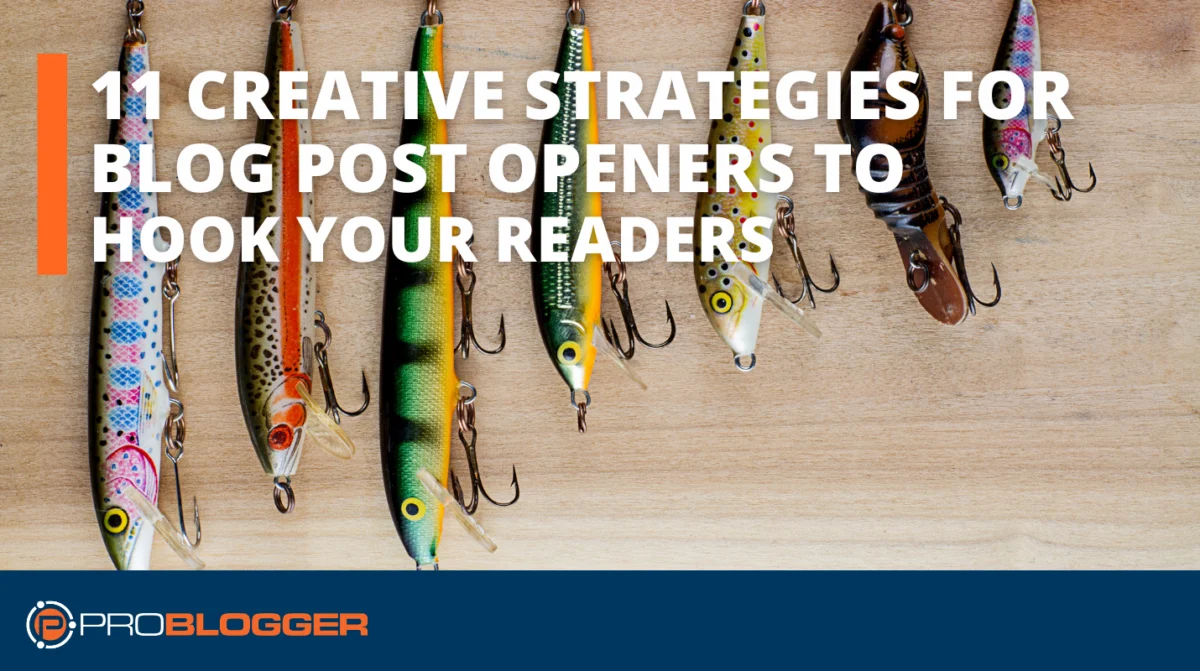
To navigate the challenge of retention, content strategists have identified 11 primary archetypes for opening lines that consistently demonstrate higher conversion rates in audience engagement.
1. The Needs-Based Identification
By explicitly articulating a reader’s pain point or unfulfilled need within the first sentence, writers establish immediate relevance. This strategy is rooted in problem-solution dynamics. By acknowledging a specific challenge—such as technical inefficiency or a lack of industry knowledge—the author validates the reader’s reason for clicking, creating a sense of urgency that demands the solution provided in the remainder of the text.
2. The Binary Response Question
Copywriters have long utilized the "yes-set" technique, which involves asking a question that prompts an affirmative response. By asking a question such as, "Have you ever struggled with declining engagement?" the writer forces the reader to mentally commit to the premise of the article. This cognitive alignment prepares the reader to accept the subsequent arguments and data points as logical conclusions to their own internal inquiry.
3. The Provocative Inquiry
Unlike binary questions, provocative inquiries are designed to foster curiosity. These open-ended questions do not demand a "yes" or "no" but rather invite the reader to seek an explanation. Examples include questions about industry shifts or counter-intuitive findings. By withholding the answer until the body of the text, the writer effectively leverages the "information gap" theory, where the human brain is naturally compelled to resolve curiosity.
4. The Anecdotal Surprise
Personal narratives or unexpected facts serve to disrupt the monotonous flow of typical web content. When an article begins with an unconventional story—such as a case of mistaken identity or a jarring personal revelation—it breaks the "pattern interrupt" of the typical reader experience. This serves as a psychological jolt that forces the reader to pause and recalibrate their focus, often increasing the likelihood that they will finish the paragraph.
5. Narrative and Analogical Frameworks
Storytelling is a foundational element of human communication. Integrating an analogy or a brief narrative into an opening paragraph allows the author to translate abstract, complex concepts into relatable terms. Whether the story is historical, fictional, or autobiographical, it functions as a hook that grounds the reader in a familiar context before pivoting to the technical aspects of the subject matter.
6. The Assertive Claim
In sectors where authority is paramount, bold, data-backed assertions are highly effective. Making a strong promise—such as identifying a solution to a widespread industry failure—positions the author as an expert. However, this strategy carries a significant burden of proof; the subsequent content must unequivocally justify the bold claim to avoid damaging the writer’s credibility.
7. The Rhetoric of Controversy
Controversy remains one of the most potent drivers of engagement in digital media. Challenging industry norms or questioning established consensus acts as a beacon for readers interested in discourse. While this strategy must be managed with care to remain objective, it is a proven method for stimulating comment sections and social media sharing.
8. The Sensory Visualization
Vivid, descriptive language that appeals to the reader’s imagination can transform abstract data into tangible scenarios. By asking readers to "picture" a specific situation or outcome, authors tap into emotional responses. This sensory engagement is particularly effective in instructional or lifestyle content, where the reader needs to visualize the potential benefits of the advice being offered.
9. The Statistical Impact
Data-driven openers, such as "Only 1% of users successfully convert on this platform," provide immediate quantitative context. Statistics serve as an objective anchor for the reader, signaling that the article is based on empirical evidence rather than subjective opinion. This builds trust and sets a professional tone that is highly conducive to educational or research-based writing.
10. The Authoritative Quotation
Utilizing a quote from an industry titan or a recognized expert can immediately lend legitimacy to a post. Quotes function as social proof, aligning the article with established knowledge. This approach is most effective when the quote is directly relevant to the article’s core argument, providing a thematic starting point that the rest of the text can build upon.
11. Visual-Textual Integration
The modern digital reader is highly visual. Opening a post with an impactful, high-resolution image that directly correlates to the headline can increase engagement significantly. When an image acts as the "lead" for the text, it creates a cohesive visual experience that draws the eye and encourages the reader to investigate the accompanying captions and body text.
Strategic Implications for Content Creators
The implementation of these strategies is not an exact science but rather a process of iterative testing. Data from leading content platforms suggest that "one size fits all" approaches rarely succeed across diverse demographics. Instead, authors should rotate these 11 techniques to maintain a fresh, unpredictable flow for returning readers.
Furthermore, it is critical to note that the opening line is not an end in itself; it is a mechanism for momentum. If the opening succeeds in capturing interest, the writer must then ensure that the "bridge" to the body of the content remains stable. A common failure in digital publishing is the "bait and switch," where an engaging opening leads to thin or irrelevant content. Maintaining high standards of journalistic integrity—ensuring that every claim made in the opening is rigorously supported throughout the article—is the only way to sustain reader loyalty over time.
Future Trends in Reader Engagement
As artificial intelligence and algorithmic content curation continue to evolve, the importance of the opening line will likely intensify. Search engines are increasingly prioritizing "dwell time" and user interaction signals as indicators of quality. Consequently, the ability to craft compelling, high-retention openings will move from a stylistic preference to a technical necessity for any entity operating in the digital information economy. Writers who master these 11 strategies will not only see improvements in their metrics but will also contribute to a more engaging and accessible information landscape for readers worldwide.