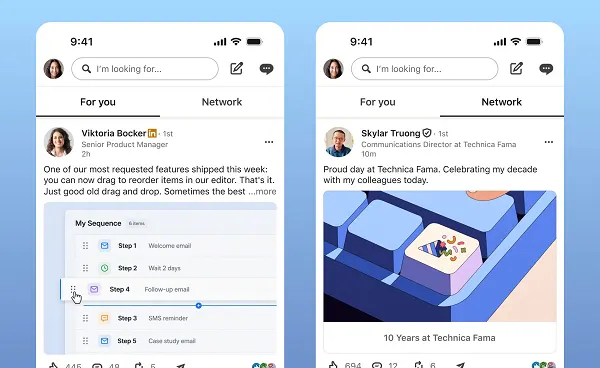
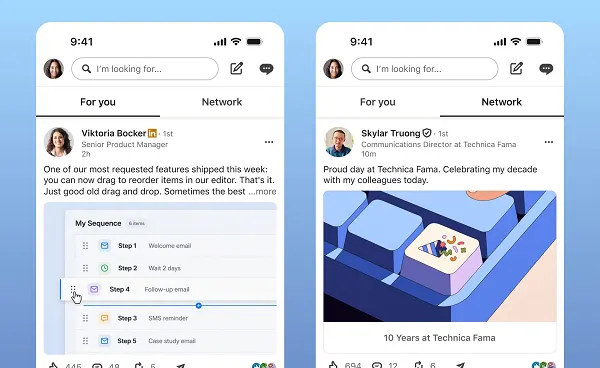
In a renewed effort to help users discover relevant conversations and foster genuine professional interactions, professional networking giant LinkedIn is testing an alternative feed approach called the Network tab. Announced late last week by Chief Product Officer Hari Srinivasan, the trial feature introduces a dedicated space comprised exclusively of content from direct connections and accounts a user explicitly follows. This latest experiment comes at a time when the platform is actively seeking solutions to address the dilution of authentic user content caused by artificial intelligence-generated text and coordinated engagement tactics.
The introduction of the Network tab represents a strategic pivot for the Microsoft-owned platform. For years, the default LinkedIn feed has evolved from a straightforward chronological stream of resumes and career updates into a complex algorithmic engine designed to maximize daily active usage. While algorithms have successfully increased overall time-on-site by surfacing trending topics, industry insights, and viral posts from outside a user’s immediate circle, they have also drawn criticism. Many professionals have expressed fatigue over feeds cluttered with generic thought leadership, low-effort AI-generated prose—frequently referred to as AI slop—and posts inflated by engagement pods.
By isolating updates strictly from people users know and intentionally follow, the Network tab aims to strip away the algorithmic noise. According to Srinivasan, the feature is designed to return the platform to its roots of authentic human communication. In his announcement post, Srinivasan noted that the Network tab helps users stay connected to their actual network, emphasizing a collective desire for real connections with real people and expressing hope that the feature might contribute to rebuilding that environment within the digital space.
The Broader Battle Against Platform Pollution
The deployment of the Network tab does not exist in a vacuum; rather, it is part of a broader, sustained campaign by LinkedIn management to clean up user feeds and restore faith in the platform’s content integrity. Over the past year, the company has introduced several measures aimed at curbing inauthentic behavior.
Chief among these concerns are engagement pods—groups of users who artificially boost each other’s content through coordinated likes, comments, and shares to game the recommendation algorithm. These pods skew platform metrics and degrade the quality of discourse, making it difficult for genuinely informative content to rise based on merit. In response, LinkedIn has rolled out detection systems and reporting mechanisms to penalize accounts engaging in this behavior.
Simultaneously, the platform has faced an influx of low-quality, AI-generated content designed to capture algorithmic attention rather than offer professional value. Users have frequently complained about feeds dominated by formulaic posts, repetitive motivational tropes, and synthetic commentary. Earlier this year, LinkedIn introduced options allowing users to report AI-slop content, signaling a recognition that uncurated generative AI threatens the platform’s core utility as a trusted professional network.
A dedicated feed consisting solely of direct connections offers a natural defense against these systemic issues. Because the content is sourced exclusively from individuals with whom the user has established a professional relationship, the financial and algorithmic incentives to deploy engagement pods or flood the channel with automated AI text are significantly diminished.

A History of Alternative Feed Experimentation
While the premise of the Network tab addresses widespread user grievances, its long-term viability remains a point of discussion among industry analysts, given LinkedIn’s past experiments with alternative feeds.
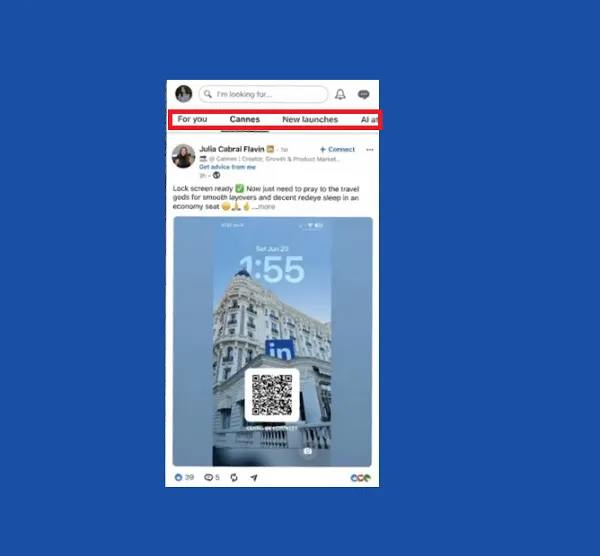
The platform has a well-documented history of testing varied interface layouts to determine how users consume content. Last year, LinkedIn experimented with a series of alternative feeds designed to expand app usage and cater to different browsing habits. These tests involved categorizing content into distinct streams to see if users preferred specialized viewing experiences over the catch-all algorithmic default.
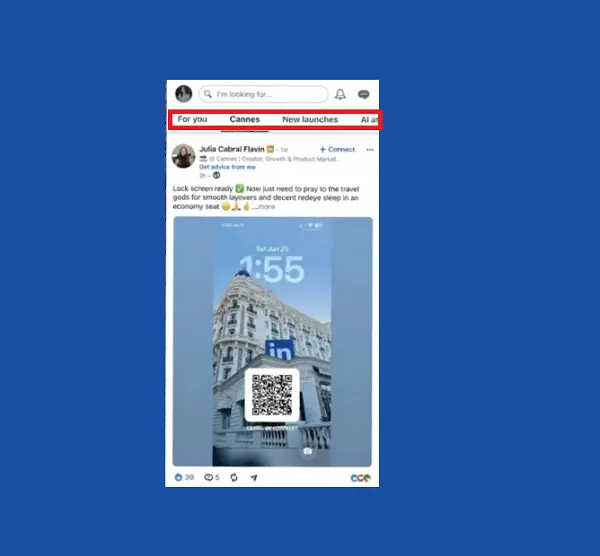
Building on that experimentation, LinkedIn launched trials in June of this year focusing on topic-based suggested feeds. These suggested feeds were engineered to connect users with trending industry conversations and broader topical discussions, encouraging cross-network engagement with individuals outside a user’s immediate connections.
However, despite these various design iterations, neither the topic-based feeds nor the broader alternative feed tests saw a permanent, widespread rollout. Many of these features quietly faded from testing phases without making it to the general user base, suggesting that while users often claim to want cleaner feeds, their actual browsing habits remain heavily tethered to the convenience of the main algorithmic timeline. The central challenge for LinkedIn will be convincing users to actively navigate away from the default feed to check the Network tab on a regular basis.
Industry Implications and Market Analysis
The introduction of the Network tab carries significant implications for content creators, marketers, and everyday professionals navigating the digital landscape. For individual users tired of wading through viral noise to find updates from former colleagues, clients, and mentors, the feature offers a welcome sanctuary of relevance. It promises a return to the foundational utility of a professional network: maintaining and nurturing genuine career relationships.
For B2B marketers and corporate communications professionals, however, the test introduces new strategic considerations. If the Network tab gains traction and achieves a permanent rollout, content distributed purely through algorithmic amplification might see a decline in passive reach. Marketers would face increased pressure to build authentic, direct follower relationships rather than relying on viral loopholes or broad algorithmic distribution to capture attention. Brands would need to prioritize community building and direct engagement over broadcast-style posting.
Furthermore, the move reflects a broader industry trend among major social and professional platforms. As algorithmic fatigue sets in globally, companies are increasingly forced to give users more granular control over what they see. Platforms like Meta, TikTok, and X have all faced mounting pressure to offer chronological or connection-only feeds, driven by regulatory scrutiny, user dissatisfaction, and legislative pushes for algorithmic transparency. By testing the Network tab, LinkedIn is aligning itself with this consumer demand for greater agency over digital consumption.
Looking Ahead: Will the Network Tab Stick?
As the trial run of the Network tab continues, LinkedIn will closely monitor user engagement metrics, retention rates, and qualitative feedback to determine its next steps. Unlike previous experiments that focused heavily on discovery and trending topics—realms where the default algorithm traditionally excels—the Network tab doubles down on relational equity.
Whether this targeted approach will overcome the historical inertia that caused previous alternative feed tests to stall remains to be seen. If LinkedIn can successfully position the Network tab as an essential daily destination for catching up with trusted peers, it could mark a turning point in how professionals manage their digital relationships. For now, the experiment serves as a clear acknowledgment from leadership that in an era dominated by artificial intelligence and automated engagement, the most valuable asset a professional network can offer is a direct, unfiltered line to real people.