The rapid evolution of digital publishing has transformed social media platforms from simple networking tools into robust content distribution hubs. With more than 3.07 billion monthly active users globally as of 2024, Facebook remains the world’s most populous digital ecosystem, offering an unprecedented opportunity for creators to reach massive, segmented audiences without the immediate technical overhead of a self-hosted website. While traditional blogging typically requires domain registration, hosting, and content management systems like WordPress, a Facebook-centric approach prioritizes immediate visibility and direct audience interaction.
The Strategic Shift in Content Distribution
Historically, bloggers relied almost exclusively on search engine optimization (SEO) to drive organic traffic from platforms like Google. However, as search engine algorithms become increasingly complex and competitive, many creators are diversifying their presence. Facebook offers a "native" blogging environment where content—ranging from long-form text posts to multimedia storytelling—is consumed within the application. This strategy, often referred to as "platform-native publishing," minimizes friction for the reader and leverages the platform’s sophisticated distribution algorithms to increase content reach.
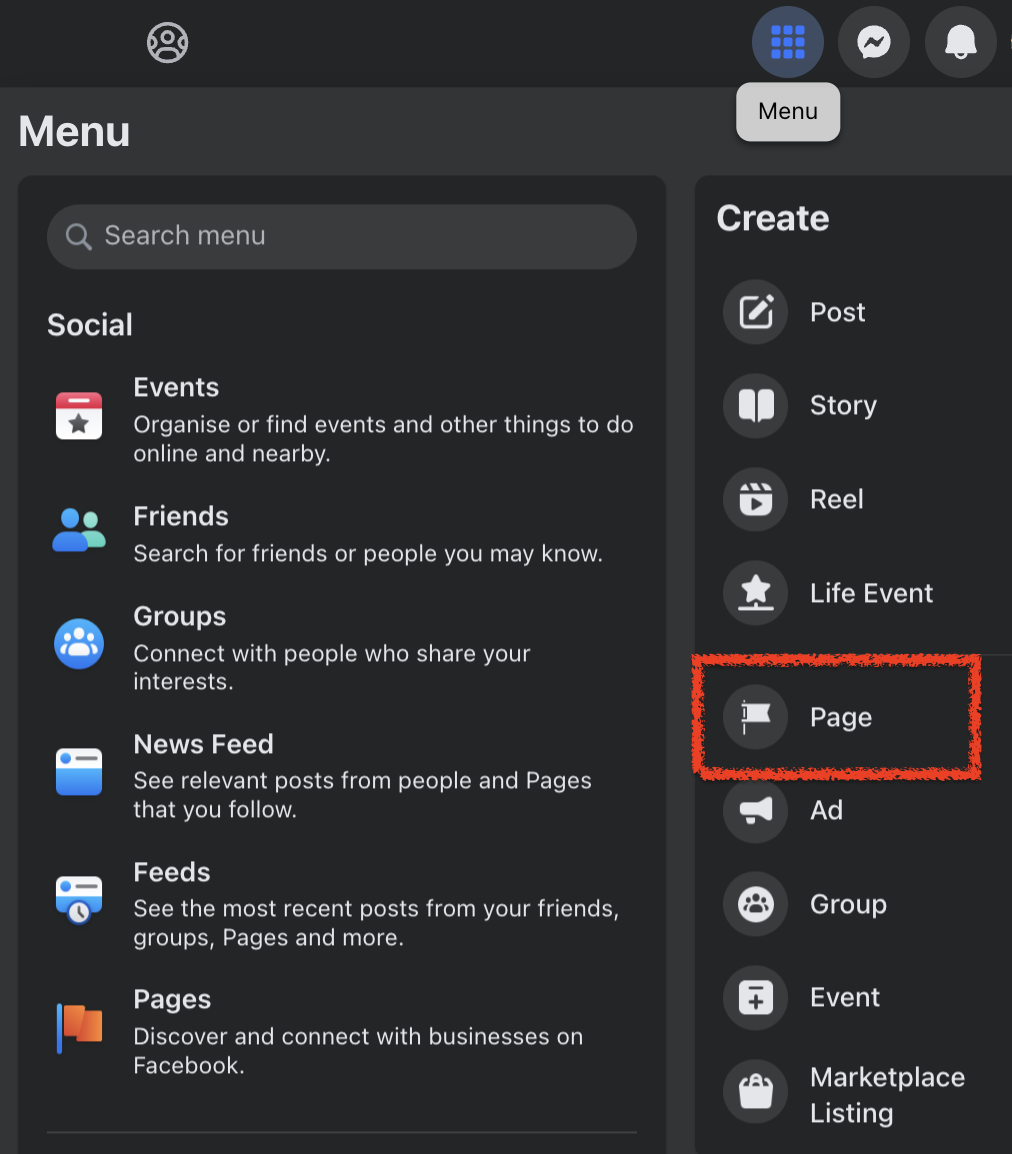
Establishing Your Digital Presence: A Chronological Setup
Transitioning to a professional blogging presence on Facebook requires a systematic approach that distinguishes a personal profile from a professional Page.
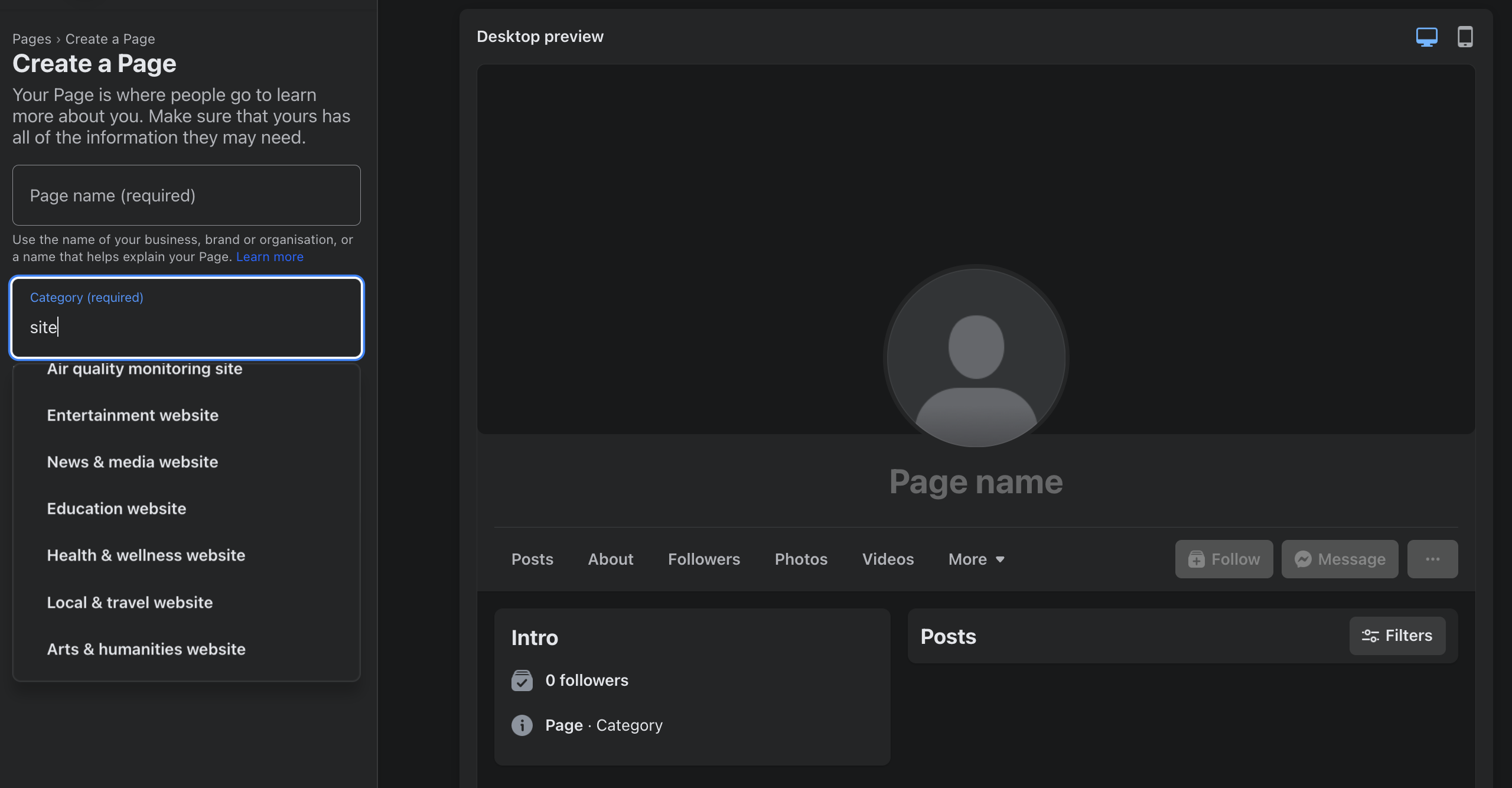
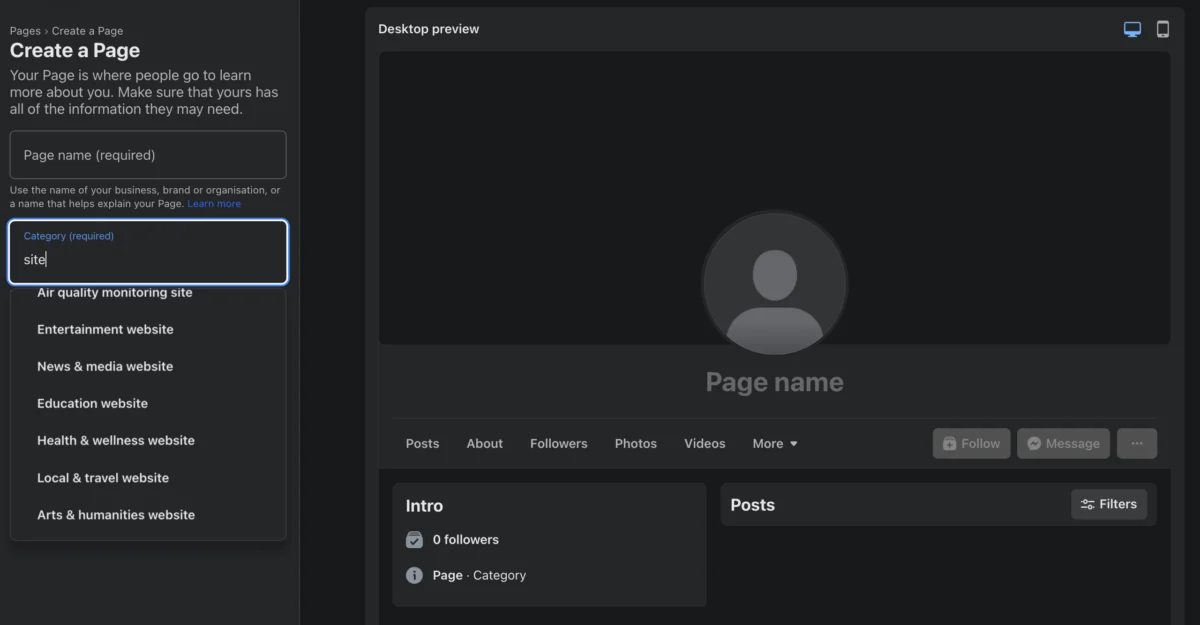
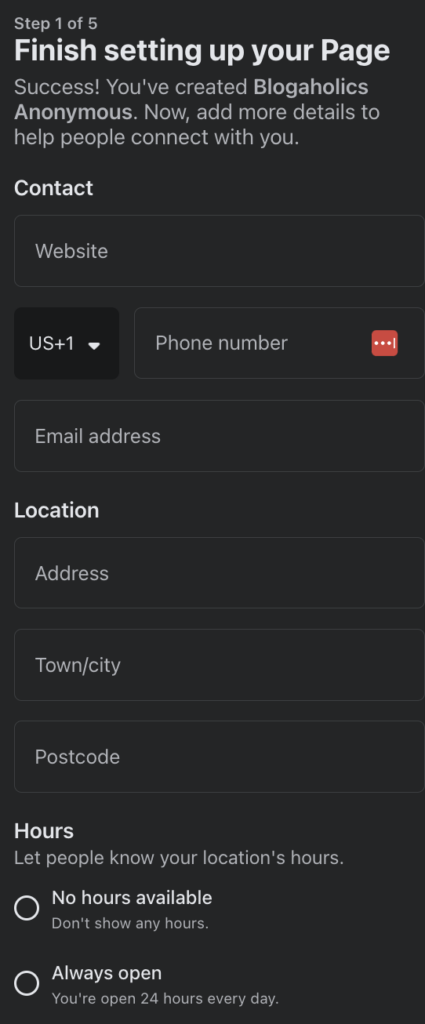
- Initialization: The process begins by creating a dedicated Facebook Page rather than utilizing a personal profile. A Page serves as a professional interface, providing access to Meta Business Suite, advanced analytics, and monetization eligibility.
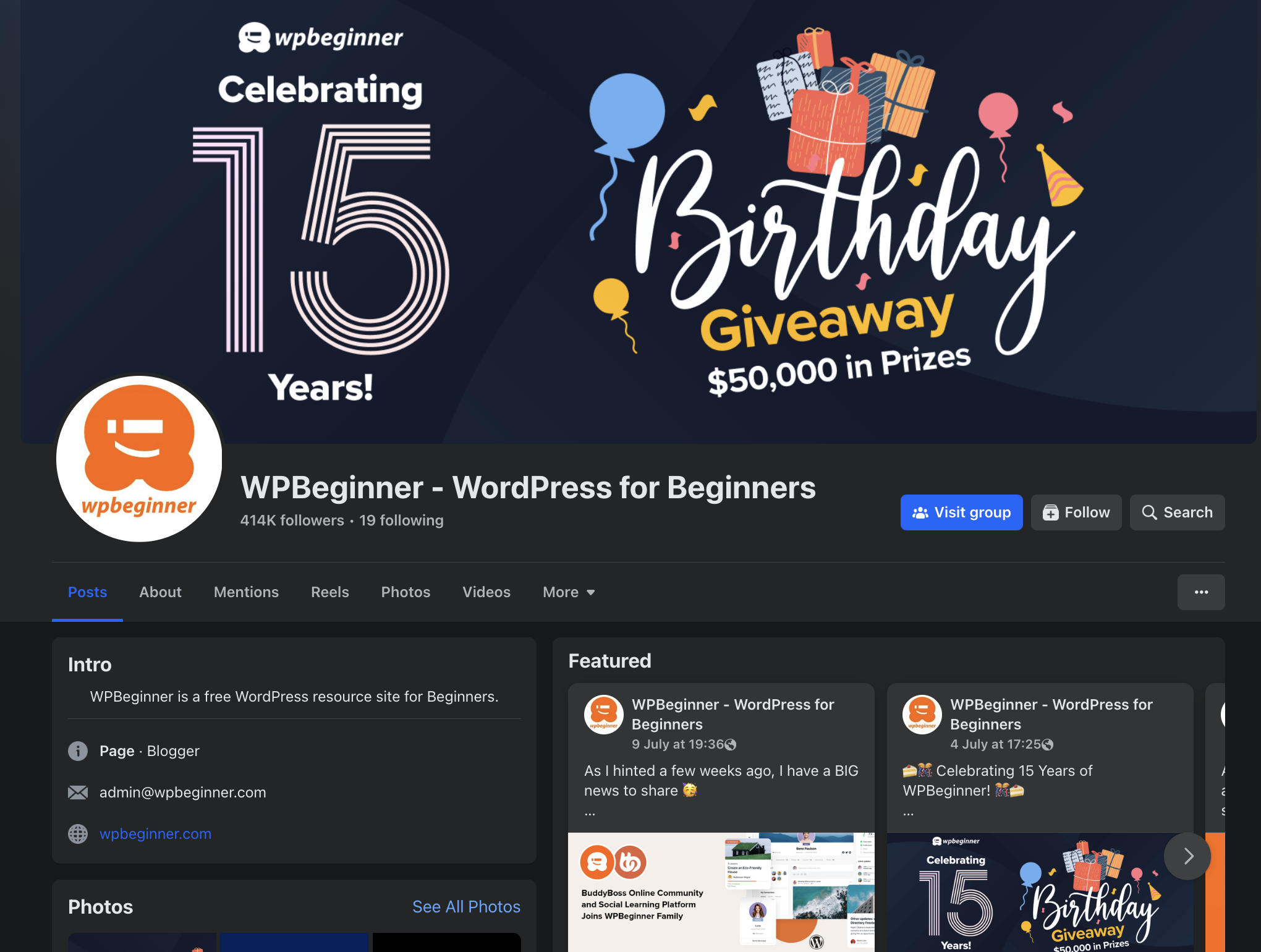
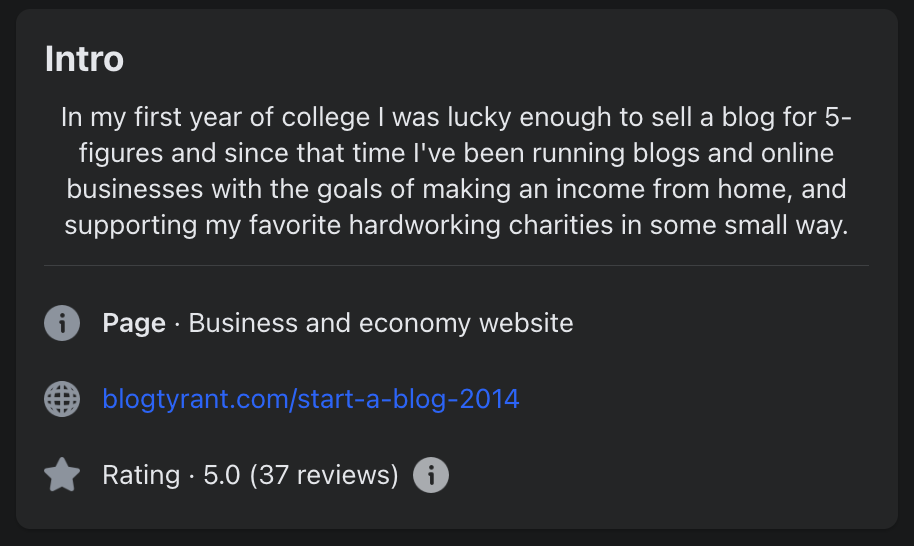
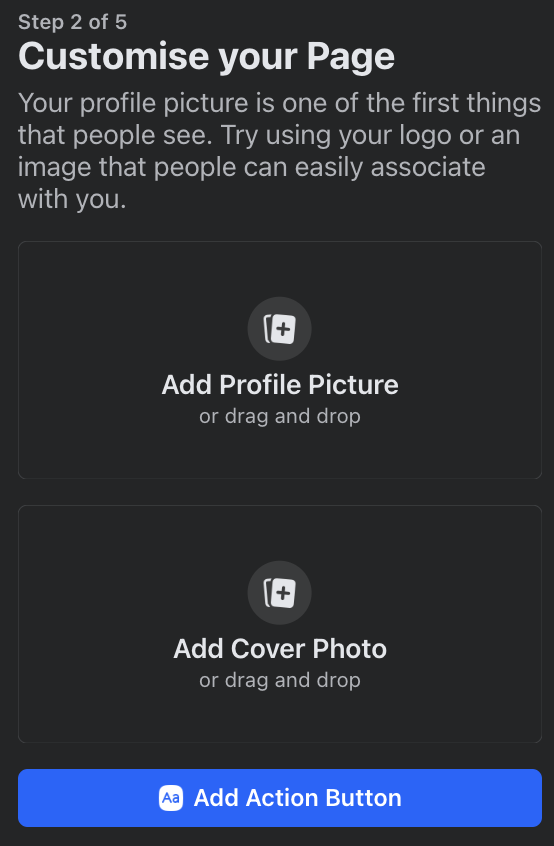
- Branding and Configuration: Upon creation, the user must define a specific niche category. This selection is critical, as it dictates how Facebook’s algorithm categorizes the Page and suggests it to potential followers. The addition of a professional bio, a high-resolution cover image, and a consistent profile picture establishes credibility.
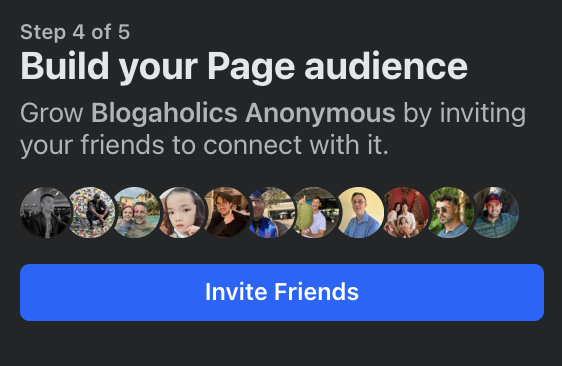
- Audience Acquisition: Initial growth is typically achieved through organic invites. However, the platform imposes a threshold of 25 followers before allowing the customization of a vanity URL (e.g., facebook.com/YourBlogName). This step is essential for brand recognition and searchability within the platform.
- Algorithmic Calibration: Once the page is established, the publishing cadence becomes the primary driver of success. Unlike search engines, which index content over time, Facebook’s news feed favors timely, high-engagement content.
Data-Driven Insights and Performance Metrics
A distinct advantage of the Facebook Page format is the "Insights" dashboard. This tool provides granular data on audience demographics, engagement rates, and content performance. By analyzing these metrics, creators can pivot their content strategy based on real-time feedback. For instance, if data indicates that video content receives higher shares than static text, a creator can shift their production to prioritize short-form video or live broadcasts. This iterative process mirrors the A/B testing methodologies used in traditional digital marketing, allowing for high-precision audience targeting.
Monetization Frameworks and Revenue Streams
Monetization on Facebook has matured significantly, moving beyond simple ad revenue to a multifaceted ecosystem of income streams.
- Integrated Commerce: The Facebook Shop feature allows for the direct sale of physical and, in some contexts, digital goods. By integrating a product catalog directly into the interface, creators reduce the number of steps a customer takes to reach the point of purchase.
- The Affiliate Model: Similar to traditional blogging, affiliate marketing remains a cornerstone of revenue. By sharing curated product recommendations and tracking performance through affiliate dashboards, creators can earn commissions on conversions.
- Ad Revenue (In-Stream and Performance): The Facebook Audience Network and the Performance Bonus Program provide direct financial incentives for creators who maintain high levels of engagement. The Performance Bonus Program, in particular, rewards creators based on the volume of reactions, comments, and shares, effectively turning audience interaction into a revenue-generating activity.
- Fan Support Systems: Features such as "Facebook Stars" and "Paid Subscriptions" allow followers to provide direct financial support. These mechanisms are particularly effective for creators who foster a dedicated community, as they transform passive readers into active patrons.
Comparative Analysis: Facebook Page vs. Personal Profile
For those entering the space, the distinction between a personal account and a professional Page is a fundamental operational decision. A personal account is constrained by a 5,000-friend limit and lacks the professional analytics tools required for data-driven growth. Conversely, a Facebook Page offers unlimited followers, integration with professional advertising tools, and the ability to manage the page through teams or automated tools. Industry experts consistently advise that any serious attempt at content monetization should be anchored to a Page to ensure scalability and regulatory compliance with Meta’s monetization policies.
Broader Implications for the Digital Publishing Industry
The move toward platform-native blogging signals a broader shift in how content is consumed. As users spend less time navigating external websites and more time within "walled gardens" like Facebook, Instagram, and TikTok, content creators must adapt their strategies. This shift implies that the "hub and spoke" model—where a website is the center and social media is the spoke—is increasingly being replaced by a model where the social platform is the primary destination.
However, this convenience comes with inherent risks. Relying solely on Facebook means operating within a proprietary environment. Changes to the platform’s algorithm, policy updates, or account restrictions can have immediate and significant impacts on a creator’s reach and revenue. Consequently, the most resilient creators often treat Facebook as a powerful acquisition channel while maintaining a secondary, off-platform repository for their content, such as an email newsletter or a primary website.
Best Practices for Long-Term Sustainability
To ensure longevity as a Facebook-based blogger, consistency remains the primary success factor. The platform’s algorithm is highly sensitive to frequency and engagement.

- Strategic Repurposing: Take long-form content and distill it into multiple, shorter formats—such as carousel posts, polls, or short-form video snippets—to maximize the life cycle of a single topic.
- Community Management: The shift from broadcasting to conversation is essential. Engaging with comments, running polls, and utilizing Facebook Groups can deepen audience loyalty, which is more resistant to algorithmic fluctuations than pure reach.
- Transparency and Compliance: As monetization programs become more rigorous, maintaining strict adherence to Meta’s content guidelines is non-negotiable. Disclosing partnerships and sponsored content is not only a regulatory requirement but also a method to build long-term trust with an audience.
Conclusion: The Future of Social Blogging
Starting a blog on Facebook is an accessible, low-barrier entry point for individuals seeking to build an audience and monetize their expertise. While it lacks the absolute control of a self-hosted platform, it compensates with unparalleled access to a global audience and a sophisticated suite of integrated monetization tools. As the digital landscape continues to fragment, the ability to meet audiences where they are—within the social applications they use daily—will remain a critical skill for modern content creators. By leveraging the analytical power of Facebook’s professional tools and adopting a disciplined approach to content creation, aspiring bloggers can successfully navigate this ecosystem and turn social media engagement into a viable, sustainable professional endeavor.