TikTok has firmly transitioned from an entertainment-driven dance application into a dominant global engine for social commerce, product discovery, and brand strategy. Boasting an advertising reach of over 1.59 billion users globally, the platform has fundamentally reshaped how enterprises, small businesses, and creators interact with consumers. With U.S. ad revenue projected to surpass $17 billion and users averaging roughly 44 hours per month on the app, corporate marketing departments can no longer treat TikTok as an experimental playground. Instead, it demands a rigorous, data-driven framework encompassing organic optimization, paid advertising, creator partnerships, and direct-to-consumer commerce features like TikTok Shop.

As digital landscapes continue to evolve rapidly, understanding the nuances of the platform is essential for maximizing return on investment. This comprehensive analysis explores the mechanisms, strategies, and operational tools required to achieve sustainable brand growth on TikTok.

Evolution and Current Market Landscape of TikTok Marketing
The trajectory of TikTok over recent years reflects a broader consumer shift toward short-form video and decentralized search habits. Industry data indicates that approximately 49% of consumers now utilize TikTok as a search engine, bypassing traditional web browsers to find product recommendations, tutorials, and local business reviews. This behavioral shift has elevated the importance of TikTok SEO, necessitating that brands thoughtfully integrate high-intent keywords into captions, on-screen text, and spoken dialogue.
Furthermore, the integration of native commerce tools has compressed the traditional marketing funnel. Users are no longer forced to leave the application to complete a purchase. Through TikTok Shop, consumers can discover a product via an organic video or a Spark Ad, check out seamlessly within the app, and track their delivery without friction. This social commerce revolution has generated an entirely new revenue stream for brands while providing measurable attribution metrics that bridge the historical gap between brand awareness and bottom-line sales.
Building a Comprehensive TikTok Marketing Strategy
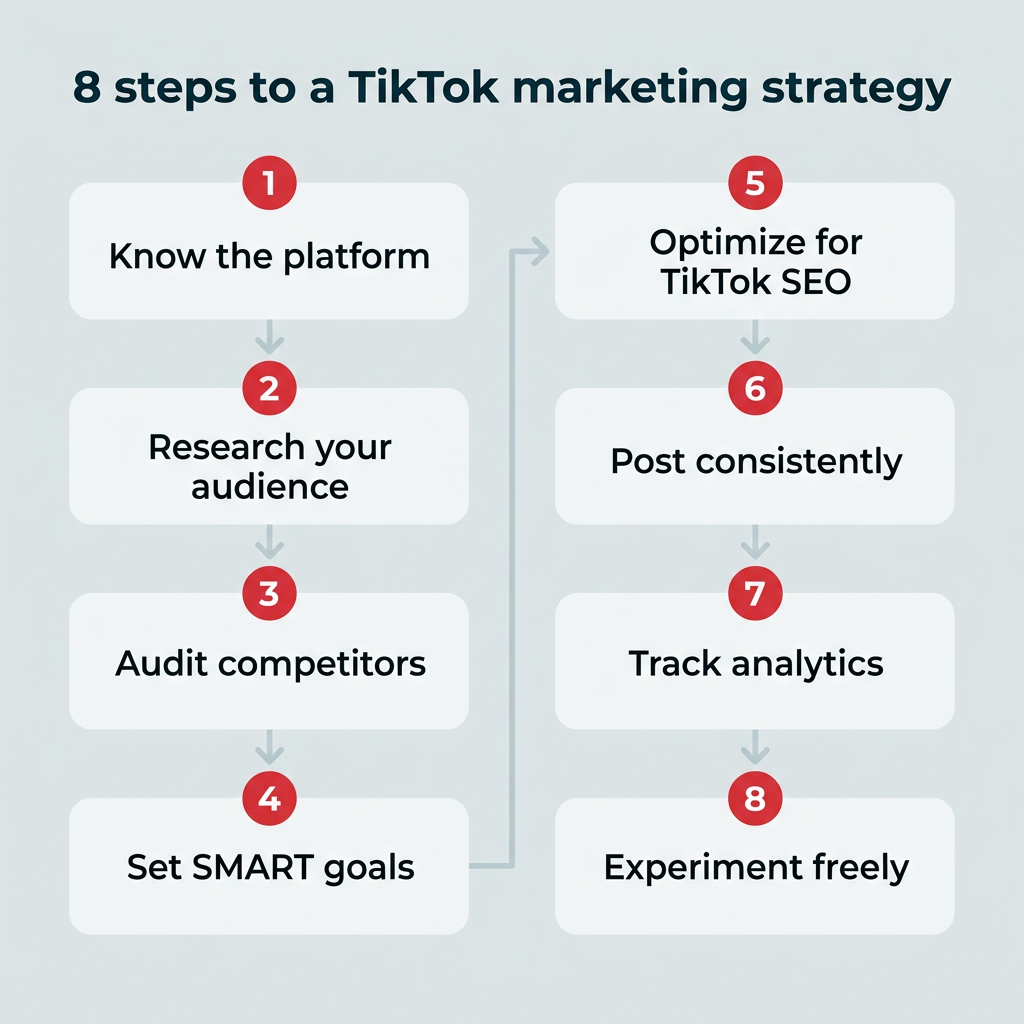
Developing an effective presence on TikTok requires a structured, repeatable approach that aligns creative execution with broader business objectives. Successful brands typically implement an eight-step framework to govern their operational workflow.
1. Platform Familiarization and Algorithm Comprehension
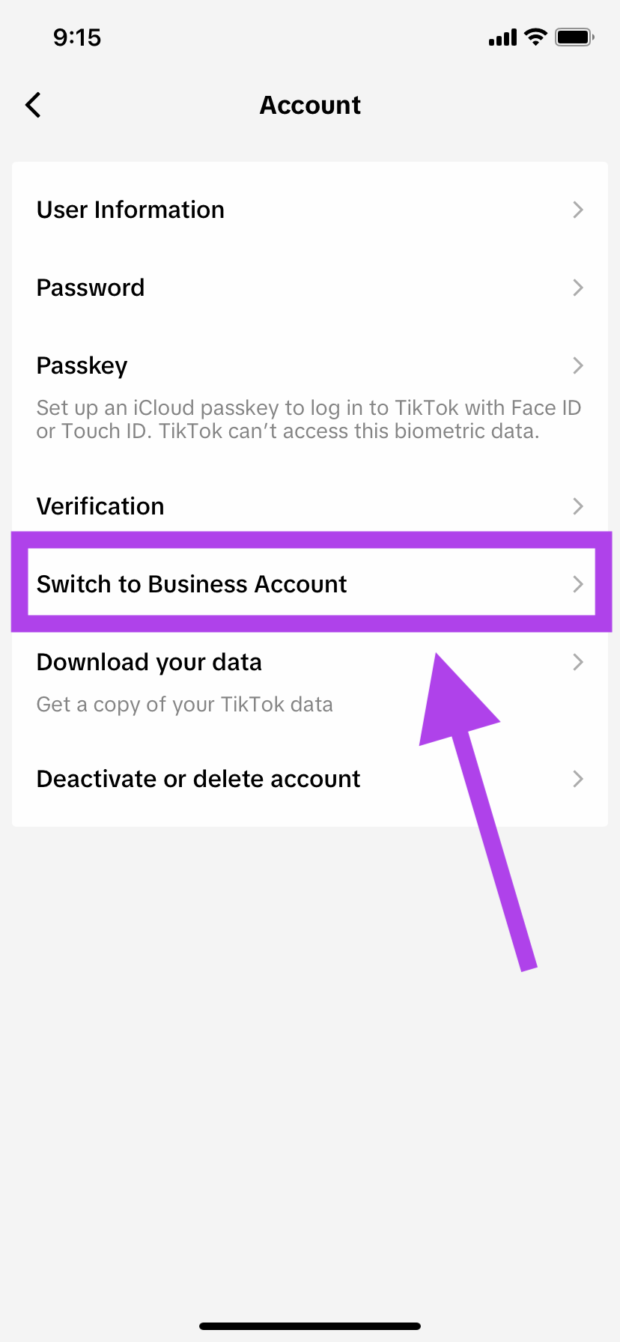
Before producing content, marketing teams must immerse themselves in the platform’s culture. Understanding how the For You feed ranks videos based on watch time, engagement rates, and audio trends is critical. Familiarity with the TikTok Business Learning Center and regular tracking of the TikTok Creative Center ensures that content aligns with current audience expectations.
2. Rigorous Audience Research
While cultural stereotypes often depict TikTok as an application exclusively for teenagers, demographic data tells a different story. The average age of a TikTok user ranges from 25 to 34 years old, and roughly 37% of U.S. adults actively use the platform. Brands are successfully reaching high-intent Millennials alongside core Gen Z loyalists, making detailed audience segmentation a prerequisite for campaign development.
3. Competitive Audits and Benchmarking
Analyzing competitor performance allows marketing teams to identify market gaps and discover successful content archetypes. Utilizing frameworks such as S.W.O.T. analysis helps organizations evaluate rival strengths and weaknesses. In the creator economy, benchmarking must extend beyond traditional corporate competitors to include leading independent creators within specific niches.
4. S.M.A.R.T. Goal Setting
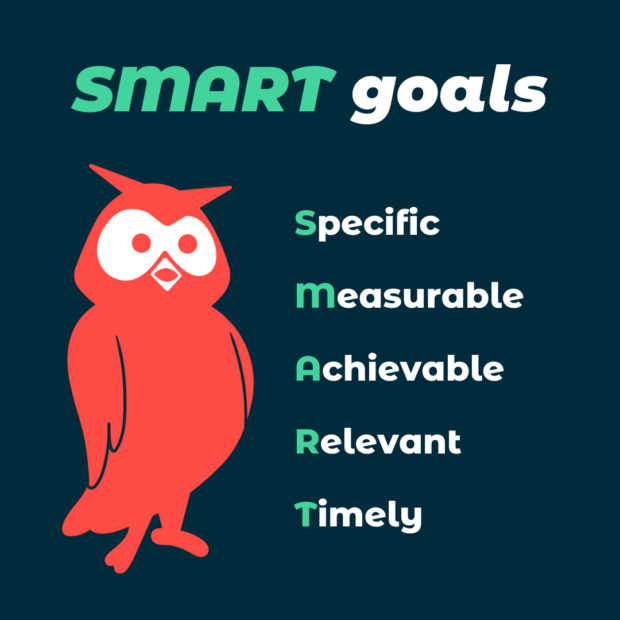
Experiments without defined metrics rarely secure long-term stakeholder buy-in. Enterprises must establish Specific, Measurable, Attainable, Relevant, and Timely goals—such as increasing TikTok-driven website traffic by a targeted percentage or generating a specific volume of leads through social commerce initiatives.
5. Search Engine Optimization for Discoverability
With nearly half of all consumers using the app for search purposes, optimizing content for discoverability is mandatory. Marketers must conduct thorough keyword research to identify terms their target audience actively queries, embedding those phrases organically into video metadata and ad campaigns to capture high-intent traffic.
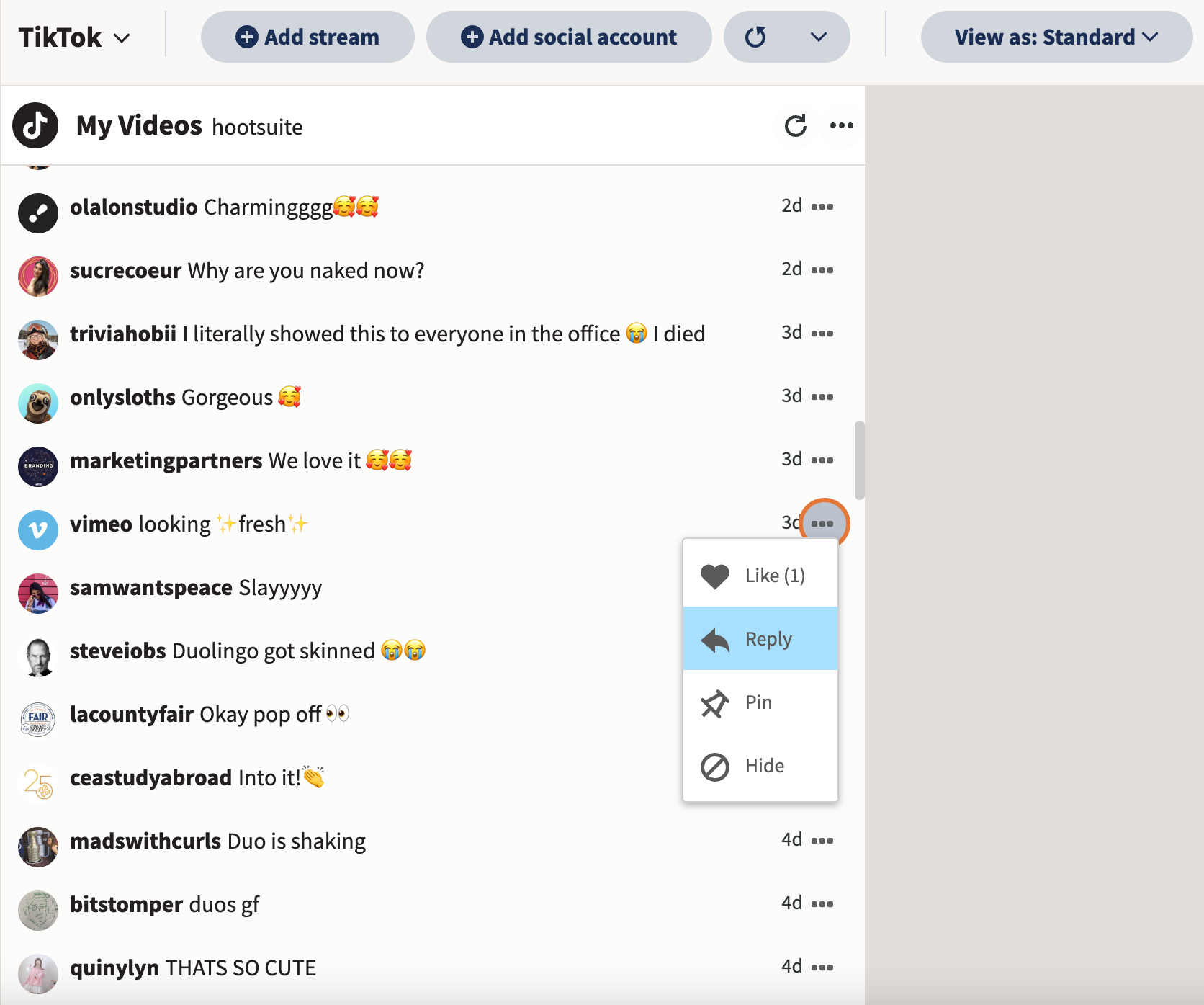
6. Consistent Publishing Cadence
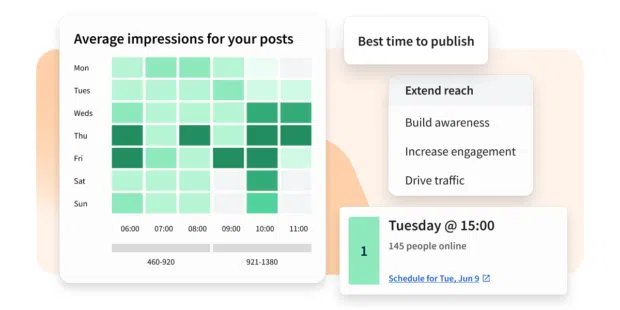
The platform’s algorithm inherently favors fresh, active accounts. While platform recommendations suggest posting multiple times per day, empirical research indicates that posting three to five times per week is a sustainable sweet spot for most corporate teams. Establishing a robust content calendar prevents erratic publishing schedules.
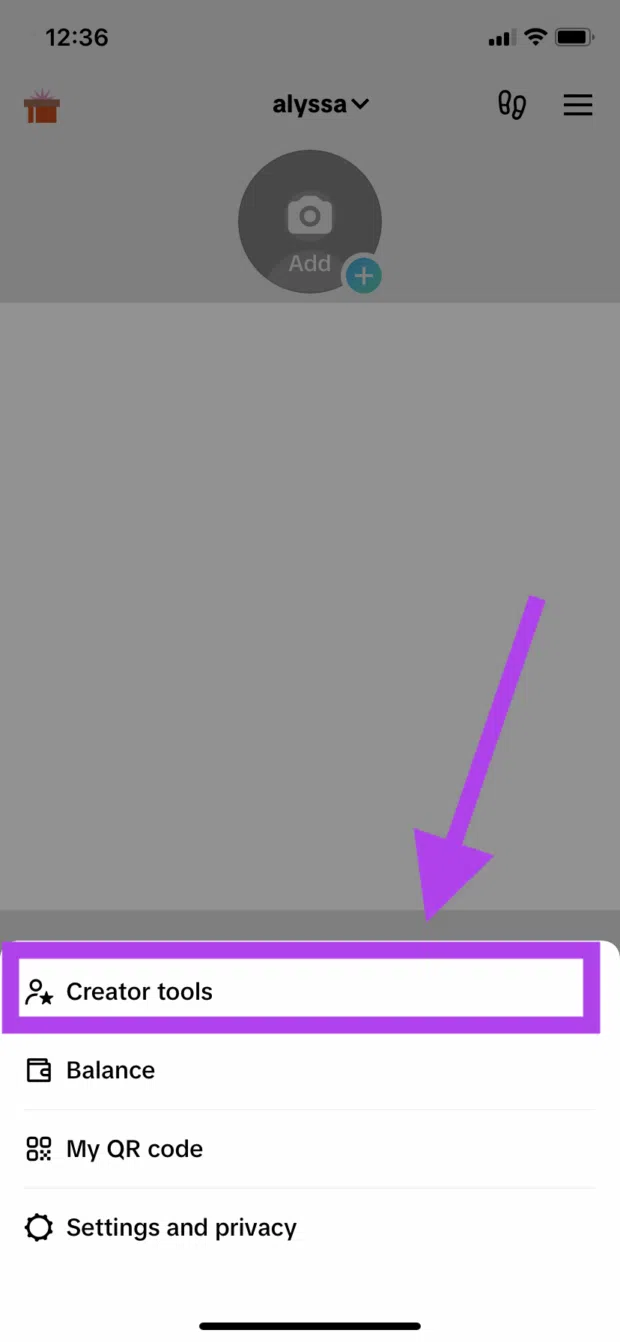
7. Analytics Tracking and ROI Measurement
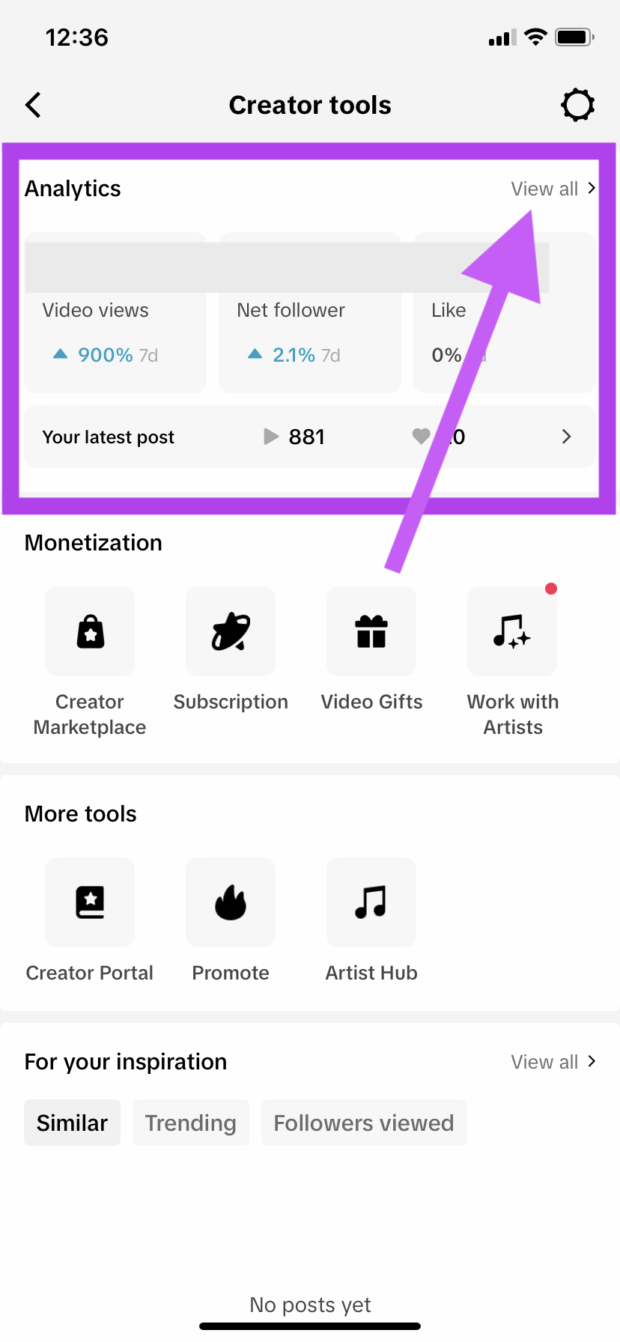
Data-driven decision-making separates high-performing brands from stalled accounts. Marketing teams must regularly evaluate core performance indicators, including video views, engagement rates, follower growth, click-through rates, and conversion metrics, calculating overall ROI by comparing generated business value against invested resources.
8. Cultivating Creative Agility
Going viral cannot be engineered through a strict formula, but maintaining creative flexibility allows brands to capitalize on sudden cultural moments. Successful organizations remain lighthearted, willing to embrace meme culture, participate in trending audio formats, and pivot when specific content concepts underperform.
Influencer Marketing and the Rise of Affiliate Commerce
Creator partnerships remain one of the most effective levers for driving brand authenticity on TikTok. Traditional influencer marketing relies on sponsored posts or product seeding, where brands compensate creators for dedicated coverage or subtle product placement. However, the ecosystem has matured significantly with the introduction of performance-based affiliate marketing through TikTok Shop.
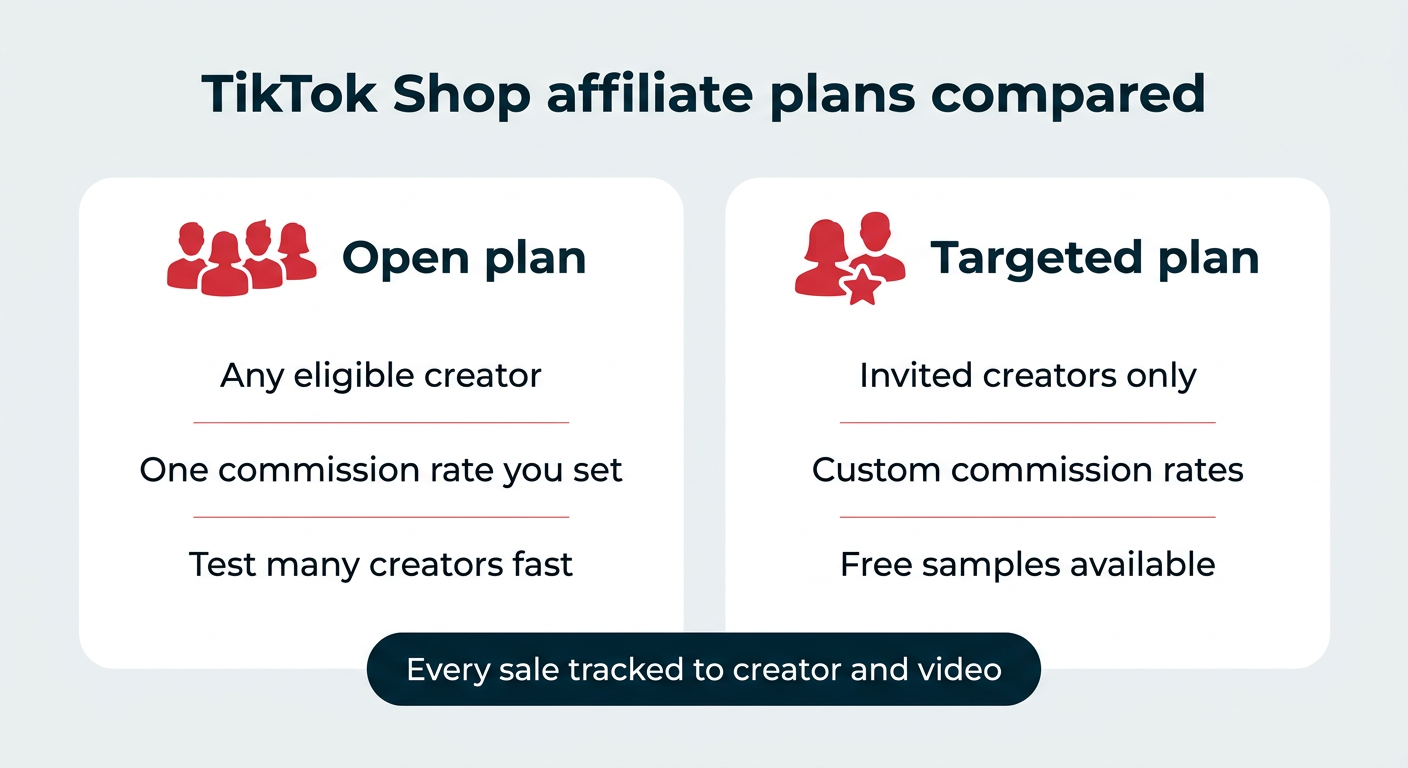
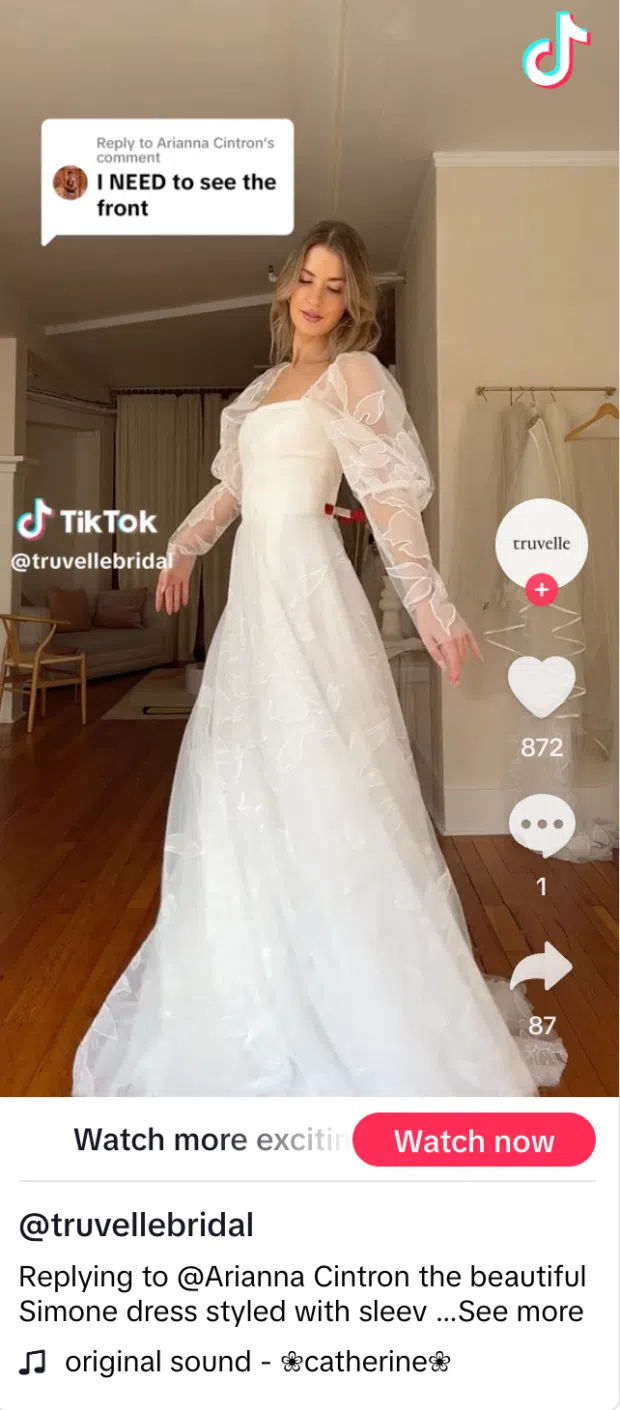
Under this model, brands populate an affiliate marketplace with their products, and creators independently generate promotional content. Every resulting sale is tracked directly to the specific creator and video, allowing companies to tie influencer spending directly to revenue rather than relying purely on top-of-funnel reach metrics. Brands retain the flexibility to manage open plans—where any eligible creator can promote an item—alongside targeted plans that offer customized commission rates and product samples to select partners. This structured approach mitigates financial risk and enables organizations to test dozens of creators before committing significant budget to top performers.
Paid Advertising Strategies and Budget Allocations
For brands seeking to scale beyond organic reach, TikTok Ads Manager provides robust targeting capabilities based on demographics, user interests, device parameters, and custom audiences. Selecting the appropriate ad format depends heavily on specific campaign objectives:
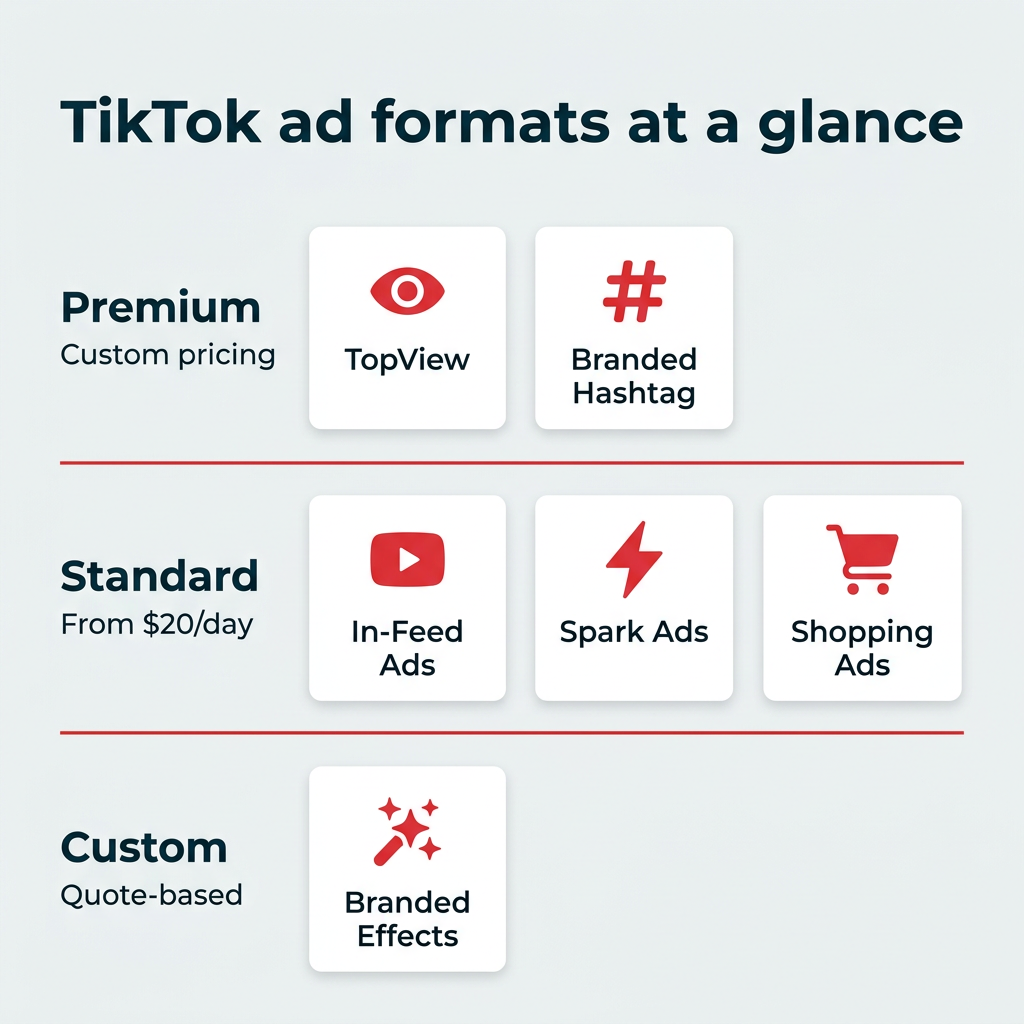
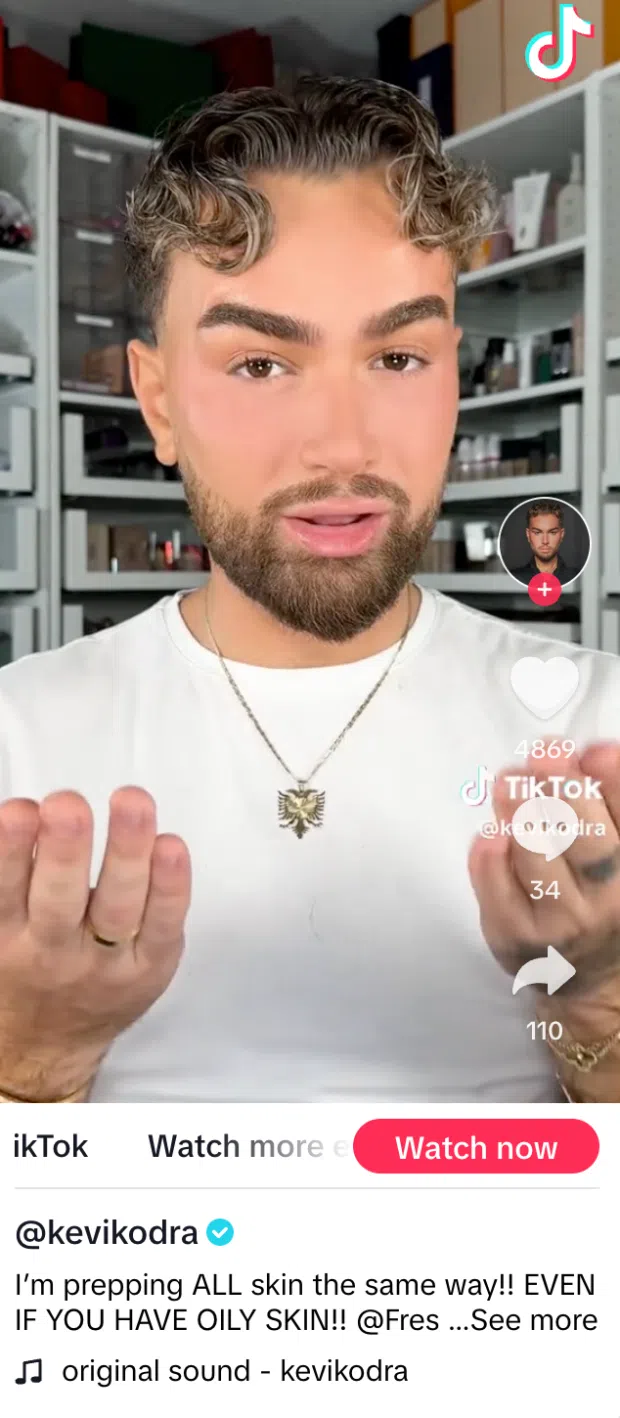
- In-Feed Ads: Native video placements within the For You feed, ideal for driving direct traffic and conversions with a modest minimum daily budget of $20 at the ad group level.
- TopView Ads: Premium, full-screen video placements displayed immediately upon opening the app, designed for maximum brand awareness during major product launches.
- Branded Hashtag Challenges: Interactive campaigns that encourage user-generated content and massive community engagement through custom challenges.
- Branded Effects: Custom filters, stickers, and augmented reality effects that foster immersive brand experiences.
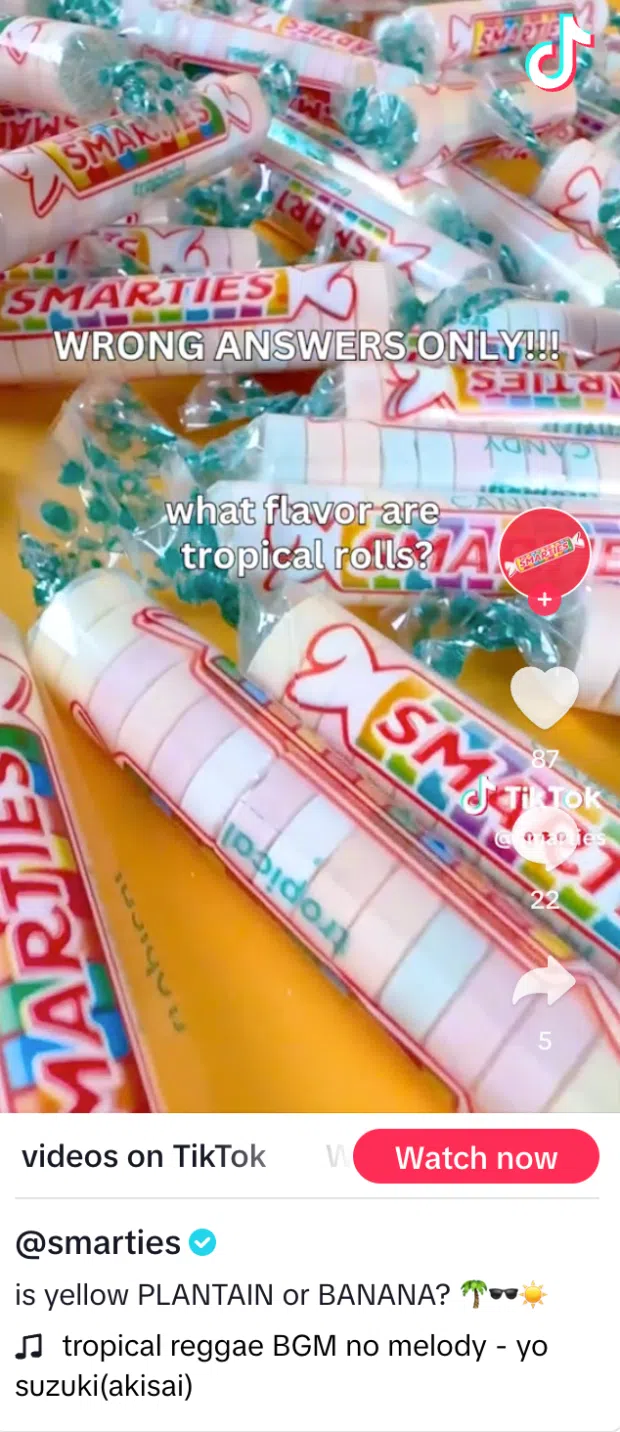
- Spark Ads: Promoted organic posts (originating from either the brand or partner creators) that leverage existing social proof to drive high engagement rates.
- Shopping Ads: Product-centric campaigns integrated directly with TikTok Shop to capture and convert high-intent buyers.
- Search Ads: Keyword-targeted placements appearing within search results, allowing brands to capture user demand at the exact moment of active inquiry.
To achieve optimal performance, advertisers must ensure paid assets mirror the lo-fi, authentic aesthetic of organic content rather than relying on overly polished, traditional commercial production.

Operational Tools for Modern Social Media Teams
Managing an enterprise-grade TikTok presence requires sophisticated software solutions to streamline publishing, engagement, and analytics. Leading organizations frequently leverage an integrated tech stack:
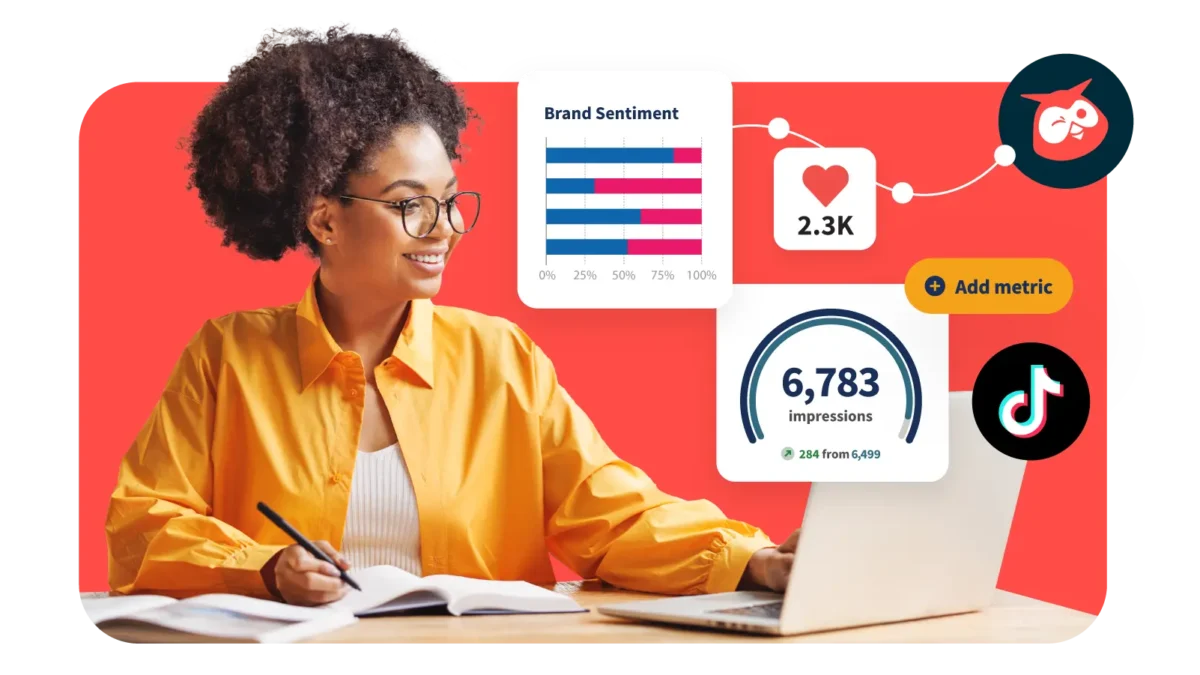
- Hootsuite Social OS: Serves as a centralized operating system for social media management, enabling teams to schedule multi-platform content calendars, moderate comments, track brand sentiment, and generate custom analytics reports without manual spreadsheet exports.
- CapCut: Offers mobile-first video editing capabilities equipped with auto-captions, transition effects, and ready-made templates tailored specifically for short-form video requirements.
- Canva: Facilitates rapid graphic design and marketing asset creation, supported by native integrations that streamline workflows across publishing platforms.
- TikTok Creative Center: Provides invaluable, free data regarding trending hashtags, top-performing ads, popular audio tracks, and rising creators, supporting ongoing competitive research and campaign ideation.
- Link-in-Bio Tools: Solutions like Hootbio bridge the gap between social media engagement and off-platform conversions, directing traffic from a single profile link toward online storefronts, external blogs, or corporate websites.
Strategic Implications and Future Outlook
As the digital marketing ecosystem matures through 2026, TikTok’s permanence as a core commercial channel is well-established. Despite ongoing regulatory discussions regarding data governance and ownership structures in specific regions, the practical directive for marketing leaders is clear: maintain operational continuity while building creative portability. By designing vertical video assets that can seamlessly adapt across multiple short-form platforms—such as Instagram Reels and YouTube Shorts—organizations protect themselves against platform-specific disruption while capitalizing on engaged audiences.
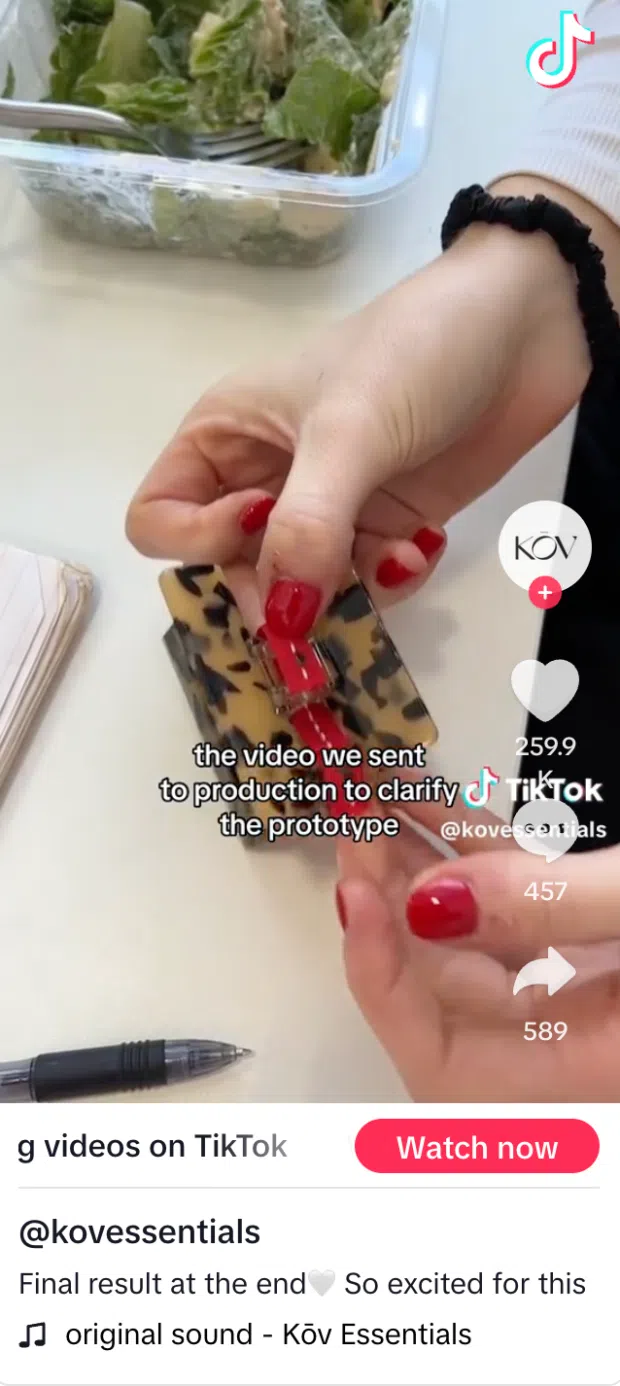
Ultimately, brands that succeed on TikTok are those that abandon rigid corporate formality in favor of genuine community building, educational storytelling, and responsive engagement. By marrying creative authenticity with disciplined data analytics, businesses can transform short-form video engagement into a reliable driver of long-term commercial growth.