
The evolution of social media platforms has transformed online community management from a hobbyist pursuit into a legitimate pillar of the digital economy. As of 2024, Facebook Groups serve as one of the most potent engagement tools for businesses, influencers, and non-profit organizations. With over 1.8 billion people using Facebook Groups monthly, the platform has shifted from a mere social networking space to a high-value ecosystem for direct-to-consumer commerce and professional development.

The Economic Shift: From Community to Commerce
Historically, Facebook Groups were viewed as forums for hobbyists or informal social interaction. However, the introduction of sophisticated administrative tools, member request features, and integration with third-party payment gateways has catalyzed a trend toward community-led monetization. This shift is supported by broader industry data; research indicates that online communities are increasingly becoming the primary point of contact between brands and their most loyal demographics. Unlike broad-reach advertising, which often suffers from low conversion rates, Facebook Groups provide high-intent audiences—individuals who have already self-selected into a specific niche or interest group.
Strategic Framework for Monetization
To successfully extract value from a digital community, administrators must balance revenue generation with user experience. Failure to provide consistent value often results in member churn, which diminishes the group’s overall worth. The following ten strategies represent the most effective pathways for monetizing a Facebook community while maintaining professional integrity.

1. Implementation of Affiliate Marketing Models
Affiliate marketing remains the most accessible entry point for group administrators. By promoting products via unique tracking links, admins earn a commission on every sale facilitated through their recommendations. Platforms like Amazon Associates or ShareASale are common, but the most successful operators utilize niche-specific programs. Data suggests that conversion rates are significantly higher when the product directly addresses a "pain point" within the community, such as specialized software for a professional group or curated tools for a hobbyist circle.
2. Subscription-Based Exclusive Communities
The transition to a "freemium" model, where a core group remains free while a secondary, private group offers premium content, has gained significant traction. This mirrors the broader Subscription Economy, where consumers are increasingly willing to pay for curated, ad-free, and expert-led content. This model provides predictable recurring revenue, which is vital for long-term financial stability.

3. Direct Sales of Proprietary Goods
For established brands or personal influencers, the Facebook Group functions as a direct sales channel. By bypassing traditional retail intermediaries, administrators can sell physical or digital merchandise directly to their members. This often involves print-on-demand services, which minimize upfront inventory costs and risk.
4. Educational Workshops and Live Seminars
Educational monetization has surged in the post-pandemic era. By hosting live webinars, masterclasses, or Q&A sessions, group admins can charge entry fees or sell tickets. This not only generates revenue but also positions the administrator as a subject matter expert, further increasing the group’s prestige and attracting new members.

5. Donation and Crowdfunding Pathways
For mission-driven or non-profit groups, direct monetization through ads is often inappropriate. In these instances, implementing a donation-based model through established platforms like PayPal or specialized plugins such as WP Charitable allows the community to support the operational costs of the group. This model relies heavily on transparency and clear communication regarding how the funds are utilized.
6. High-Ticket Coaching and Digital Courses
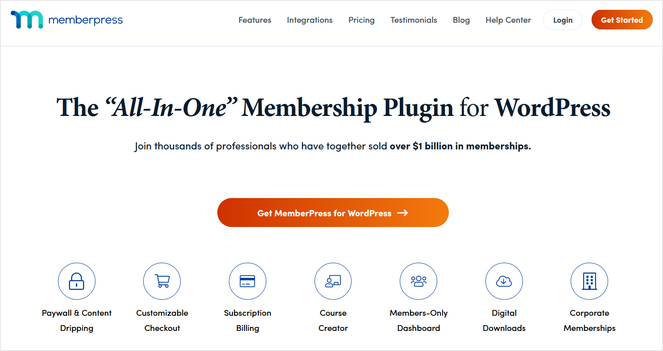
For professionals operating in high-value niches—such as finance, real estate, or business consulting—1-on-1 training and scalable digital courses offer the highest profit margins. By utilizing platforms like MemberPress or Teachable, administrators can gate content, creating a professional learning management system that complements the social nature of the Facebook Group.

7. Sales Funnels and Email Marketing Integration
A critical error made by many administrators is relying solely on Facebook as their primary business asset. A professional strategy involves migrating engaged members from the Facebook platform into a proprietary sales funnel. By collecting email addresses upon entry, administrators retain ownership of their audience, insulating their business against algorithm changes or sudden account suspensions.
8. Traffic Generation and SEO Synergy
While not a direct form of monetization, driving group members to an external blog or website is a foundational growth strategy. The increased referral traffic signals to search engines that the website is a hub of active, engaged users, which helps improve organic search engine rankings. This, in turn, boosts revenue from display advertising and organic search leads.

9. Strategic Brand Sponsorships
Large, highly active groups possess an inherent value for advertisers. By partnering with brands for sponsored posts, pinned content, or featured spotlights, administrators can generate significant revenue. However, it is imperative to adhere to the Federal Trade Commission (FTC) guidelines and Facebook’s Branded Content policies, which mandate clear disclosure of paid partnerships to ensure transparency with the audience.
10. Community Flipping and Asset Liquidation
In the modern digital landscape, communities are increasingly viewed as intangible assets. Some entrepreneurs specialize in growing a group to a certain size, optimizing it for engagement, and then selling the administration rights to a buyer looking to acquire an established audience. While this is a lucrative exit strategy, it requires careful legal adherence to Facebook’s Terms of Service, as unauthorized account transfers can trigger platform-wide bans.
Regulatory and Ethical Implications
The monetization of online spaces is subject to both platform-specific policies and broader legal frameworks. Facebook (Meta) mandates that group administrators must abide by their Community Standards and Commercial Policies. Failure to disclose sponsored content or the sale of prohibited items can lead to the permanent deletion of the group.
Furthermore, the industry is witnessing a shift toward increased consumer privacy regulations. As administrators collect data through email sign-ups or payment gateways, they must ensure compliance with the General Data Protection Regulation (GDPR) or similar regional privacy laws. Failure to implement these protections can result in significant legal and financial liabilities.
Conclusion and Future Outlook
The capacity to monetize a Facebook group is primarily determined by the quality of the audience rather than the quantity of its members. A group of 500 highly engaged professionals is often more profitable than a general-interest group of 50,000 passive followers. As digital platforms continue to evolve, the most successful administrators will be those who prioritize long-term value, ethical engagement, and the diversification of their revenue streams across proprietary platforms. The transition from a casual social user to a digital entrepreneur requires a methodical approach, ensuring that community needs are prioritized while leveraging the immense commercial potential of the social web.