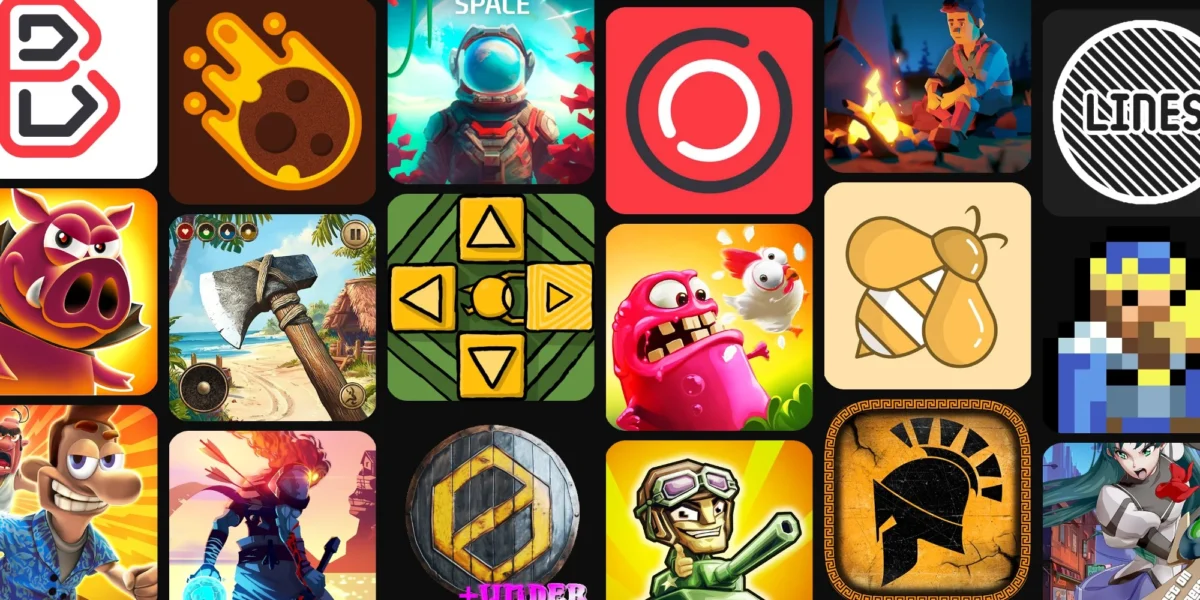
The digital marketplace for Android users has experienced a notable surge in promotional activity today, as a wide array of high-profile mobile games and essential utility applications have seen their prices slashed, with some reaching free-to-download status. This shift in pricing strategy across the Google Play Store is part of a broader trend of seasonal discounting, aimed at increasing user engagement and boosting download rankings for both established franchises and independent developers. Among the most prominent titles currently discounted are Titan Quest, Dead Cells, and the Neighbours back From Hell series, providing substantial savings for mobile gaming enthusiasts.
Chronology and Current Market Landscape
The mobile application market has evolved significantly over the past decade, moving from a model dominated by upfront payments to a "freemium" landscape. However, developers and publishers frequently utilize limited-time sales to re-invigorate interest in premium titles. The current wave of discounts began appearing on the Google Play Store in the early hours of September 17, 2026.

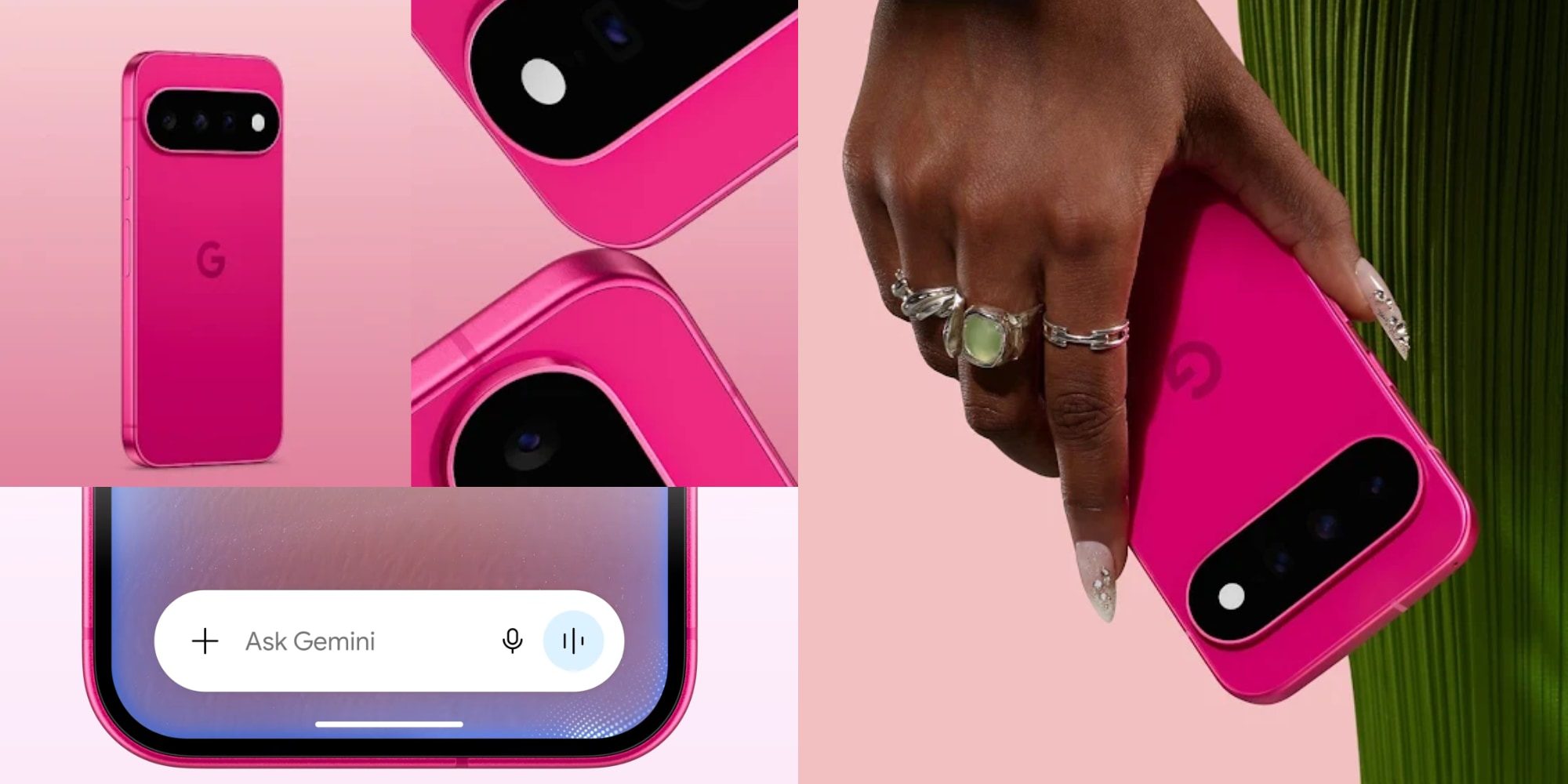
Historically, these types of price drops are strategic. Developers often coordinate with major hardware releases or platform updates to maximize visibility. Today’s promotions coincide with significant hardware shifts, including the recent market availability of the Pixel 11 and the latest iterations of the Pixel Watch series. By aligning software promotions with hardware interest, Google and its developer partners are effectively creating a comprehensive ecosystem event that encourages users to populate their new devices with high-quality content at a fraction of the standard cost.

Breakdown of Key Gaming Discounts
The current selection of deals covers a diverse spectrum of genres, ranging from tactical RPGs to arcade-style survival games.

- Action and RPG Titles: Titan Quest, a classic action-RPG, has seen its price drop from $11.00 to $3.25. Similarly, the critically acclaimed Dead Cells is currently available for $5.00, down from its typical $8.50 listing. These titles represent some of the most complex gaming experiences available on the Android platform, utilizing the full processing power of modern mobile chipsets.
- Strategy and Simulation: Neighbours back From Hell has been reduced to $2.50 from $6.00, while Guns’n’Glory WW2 Premium is now priced at $1.00. These games continue to maintain high user ratings, and the current price adjustments make them accessible to a wider demographic.
- Indie and Niche Offerings: Titles such as One More Button ($1.50) and Zero Orders Tactics ($1.00) demonstrate the ongoing vitality of the independent game development scene on Android. These games often focus on innovative mechanics rather than high-fidelity graphics, providing a balanced variety for the discerning player.
Utility and Customization Software
Beyond gaming, the current sale cycle includes a variety of productivity and personalization tools. Customization remains a cornerstone of the Android user experience, and the current inventory of icon packs—such as the Lineblack and Meteoroid series—are currently available for $0.25. These packs allow users to overhaul the aesthetic of their home screens, a feature that distinguishes Android from competing mobile operating systems.

Furthermore, essential utility apps like Bubble Level PRO have transitioned to a free-to-download status. Such transitions are frequently used by developers to build a user base for future paid updates or to promote other products within their portfolio.

Hardware Synergy: The Pixel Ecosystem
The timing of these software deals is not coincidental. As Amazon reports record-low pricing for the Hibiscus-colored Pixel 11—reflecting a $120 discount—and the Pixel Watch 5 LTE at $100 off, the software discounts serve as a "day-one" incentive for new hardware owners.

Industry analysts observe that the "bundle effect"—where hardware discounts are paired with software sales—significantly increases the conversion rate for both the hardware manufacturers and the software developers. When a user purchases a high-performance device like the Pixel 11, they are statistically more likely to seek out high-end, graphics-intensive games like Dead Cells or Titan Quest to test the capabilities of their new hardware. By lowering the entry barrier to these games, developers ensure that their products are present on the latest devices, which in turn secures long-term retention.

Data and Market Implications
The mobile gaming sector reached a valuation exceeding $90 billion in 2025, and projections suggest continued growth through 2026. Within this ecosystem, the Google Play Store accounts for a significant portion of global app downloads. The strategy of aggressive price cutting is a response to the increasing competition for "screen time." With users facing a deluge of content, developers are increasingly relying on temporary price reductions to climb the "Top Paid" and "Top Grossing" charts.

Market data indicates that a 50% price reduction can, in many cases, lead to a 300% to 500% increase in daily downloads. This volume-based approach is often more profitable in the long run, as it increases the visibility of the app, leads to more user reviews, and creates a larger base for in-app purchase revenue.

Official Responses and Developer Perspectives
While individual developers rarely comment on specific daily sales, industry associations such as the Mobile Games Association have previously noted that the "sale culture" is essential for the longevity of premium games. Without these recurring discount events, older premium titles would quickly fade into obscurity as newer, free-to-play titles occupy the top-ranking spots.

By participating in these curated store features, developers gain exposure through Google’s algorithmic promotional channels. This visibility is arguably more valuable than the immediate revenue generated from the sale itself. It serves as a marketing tool that keeps the title relevant in a market that sees thousands of new applications published weekly.

Analysis: The Future of Mobile App Pricing
The current trend of deep discounting suggests a maturing market. Users are no longer willing to pay high upfront costs for mobile games without significant verification of quality. By offering limited-time discounts, publishers are effectively allowing the market to "try before they commit," albeit at a reduced price point.

Furthermore, the integration of these deals into broader news feeds and consumer-facing platforms like 9to5Toys demonstrates a sophisticated level of coordination between hardware retailers, software distributors, and the media. This creates a feedback loop: consumers visit these sites to learn about hardware, encounter software deals as a result, and are ultimately incentivized to engage with both.

For the end user, this represents a golden age of accessibility. Whether one is looking to customize their interface with high-end icon packs or dive into hours of narrative-driven gameplay on a mobile device, the barrier to entry has never been lower. As the industry moves further into the second half of 2026, it is expected that these promotional cycles will continue to fluctuate in line with major product releases and consumer holidays.

Conclusion
The current slate of Google Play deals offers a rare opportunity to acquire high-quality digital goods at a significant discount. Whether driven by the desire to test new hardware or simply to expand a digital library, the current promotions offer value across the spectrum. Users are advised to take advantage of these offers while they are active, as the nature of the Google Play Store is inherently dynamic, and these prices are subject to change without notice as developer campaigns conclude.

As the mobile landscape continues to consolidate around high-quality, premium experiences, the role of these periodic sales will remain critical. They bridge the gap between high-value development and consumer price sensitivity, ensuring that the Android ecosystem remains a vibrant and competitive space for both creators and users alike.