For many motorists, the necessity of replacing vehicle tires is an inevitable chore dictated by mileage, road conditions, and the passage of time. While the task is fundamental to automotive safety, it is often surrounded by uncertainty regarding the logistical commitment required. On average, a professional tire replacement service—which includes removal, mounting, balancing, and inspection—typically takes between 45 minutes and one hour. However, this window is subject to significant variability based on vehicle specifications, the condition of the existing hardware, and the technical infrastructure of the repair facility.
The Anatomy of a Tire Replacement Service
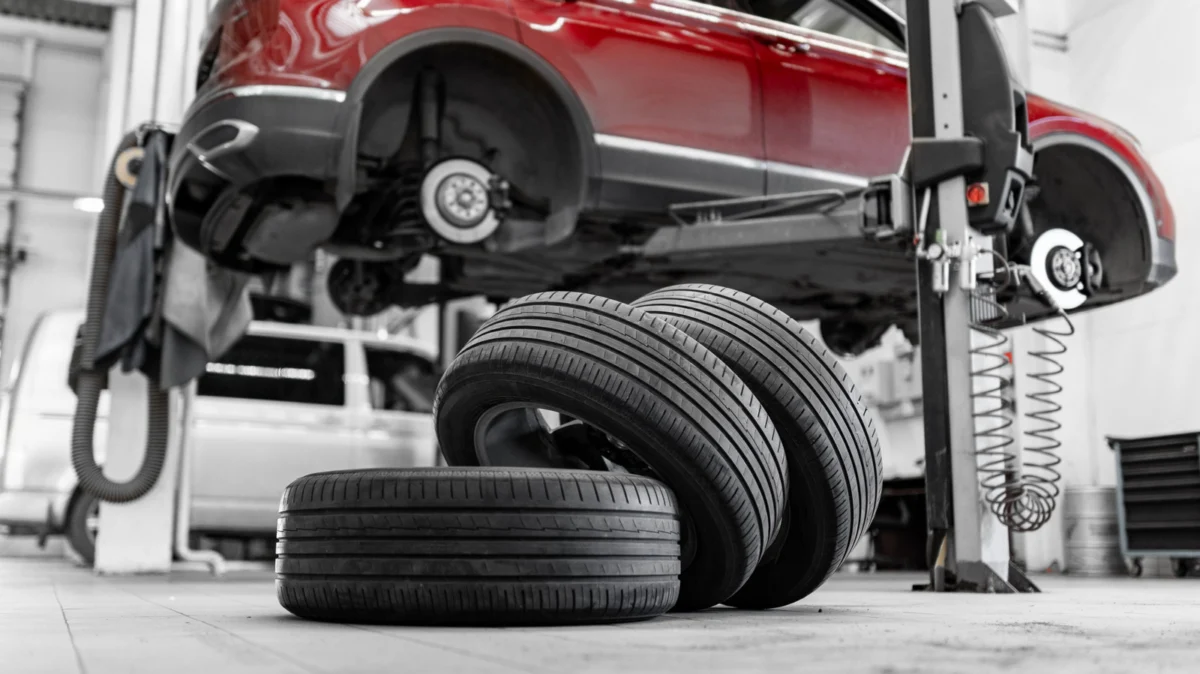
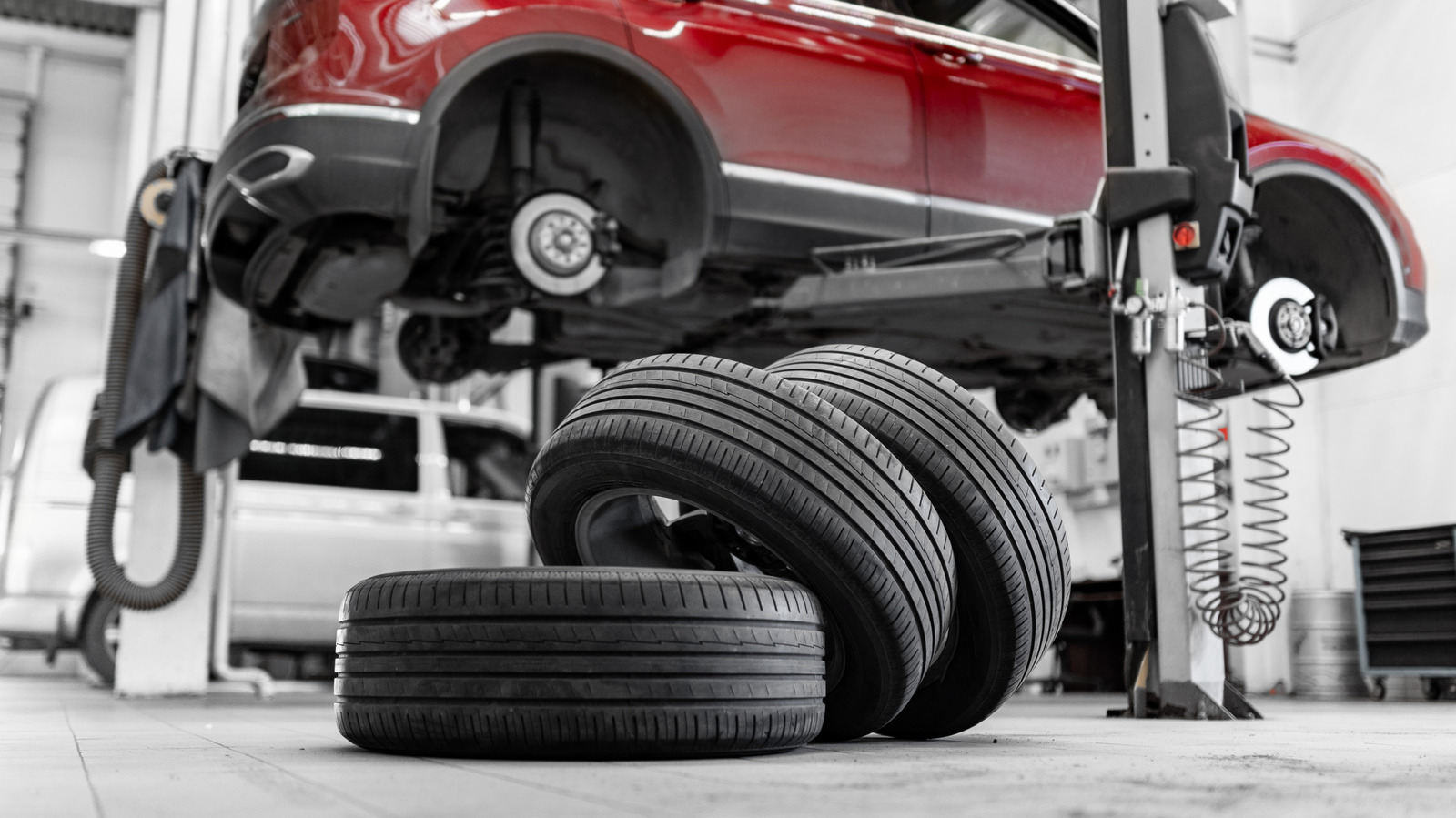
The process of replacing tires is far more complex than simply swapping rubber components. When a vehicle enters a service bay, a trained technician follows a multi-step protocol designed to ensure both safety and vehicle longevity. The procedure begins with the safe elevation of the vehicle, usually via a hydraulic lift. Once the vehicle is secured, the technician removes the wheel assemblies.
The subsequent steps are the most time-consuming: the old tire must be de-beaded and removed from the rim using a specialized tire changer machine. The technician then inspects the wheel for structural integrity, corrosion, or debris. A new tire is mounted, inflated to the manufacturer’s specified pressure, and then balanced. Balancing is a critical, non-negotiable step that ensures the weight of the tire is evenly distributed, preventing vibrations at high speeds that could otherwise accelerate wear on suspension components. Finally, the wheels are torqued back onto the vehicle according to factory specifications. If the vehicle’s geometry has been compromised by uneven tire wear, an alignment check—which can add an additional 30 to 60 minutes to the visit—may be recommended.
Variable Factors Influencing Service Duration
While the "one-hour" benchmark serves as a reliable industry standard, several variables can extend the duration of the appointment. The size and type of the vehicle are primary drivers of time consumption. Larger tires found on heavy-duty trucks or specialized off-road vehicles require more manual effort and, in some cases, specific heavy-duty equipment to manipulate. Furthermore, the aesthetic and functional condition of the wheels cannot be overlooked. If a technician discovers significant oxidation or corrosion on the bead seat—the area where the tire meets the rim—they must clean or grind the surface to ensure an airtight seal. Failure to address this can lead to slow leaks, rendering the new tires ineffective within days of installation.
Technological infrastructure also plays a pivotal role. Repair centers equipped with modern, automated mounting and balancing machines can process a vehicle significantly faster than shops relying on older, manual equipment. Furthermore, the human element—the technician’s level of training—is an immutable factor. Certified tire technicians are trained to identify secondary issues, such as uneven wear patterns that indicate potential steering or suspension problems. While a faster technician might be preferred, the time spent by a thorough professional conducting a comprehensive inspection is an investment in vehicle safety.
The Criticality of Proper Replacement Protocols
The urgency surrounding tire replacement is rooted in the essential role tires play in vehicle dynamics. As the only point of contact between a two-ton machine and the road surface, tires dictate braking distance, steering precision, and traction in adverse weather conditions. The industry consensus is firm: tires should never be replaced individually. Replacing a single tire can lead to variations in rolling diameter, which can damage the differentials in All-Wheel Drive (AWD) or Four-Wheel Drive (4WD) vehicles.
The "3% Rule" is a widely recognized standard in the automotive industry. It dictates that any replacement tire must have a diameter within 3% of the original equipment manufacturer (OEM) specifications. Deviating from this margin can confuse anti-lock braking systems (ABS) and electronic stability control (ESC) systems, potentially leading to catastrophic system errors. Consequently, the time spent ensuring the correct tire specification is matched is a vital component of the service timeline.
Strategic Planning for Motorists
To minimize wait times, consumers are encouraged to leverage modern service scheduling. Booking an appointment in advance allows shops to prepare the necessary inventory and allocate a bay specifically for the vehicle, preventing the "queue" effect that often delays walk-in customers. It is also advisable for vehicle owners to discuss their specific driving needs—such as winter performance, fuel efficiency, or high-mileage tread life—with a service advisor prior to the appointment. This preparation ensures that the correct tires are in stock, preventing the scenario where a vehicle must remain on a lift while a parts runner retrieves the correct items.
For those considering the DIY route, it is important to note that without industrial-grade mounting and balancing equipment, achieving a safe, vibration-free installation is statistically improbable. Furthermore, the risk of damaging tire pressure monitoring system (TPMS) sensors—which are fragile electronic components located inside the valve stem area—is high for the inexperienced. Professional installation provides a layer of liability protection and ensures that the work is performed to the standards required by the manufacturer’s warranty.
Broader Implications and Industry Trends
The tire service industry is currently witnessing a shift toward increased efficiency, driven by the proliferation of complex sensor technology in modern vehicles. As TPMS and other driver-assistance systems become more integrated with wheel hardware, the "simple" act of changing a tire has become a high-tech endeavor. Many modern vehicles now require a "relearn" procedure, where the vehicle’s onboard computer must be programmed to recognize the new sensors in the tires. This adds a digital layer to the physical labor, requiring technicians to utilize specialized diagnostic tools during the final stages of the process.
From an economic perspective, the time spent in a service bay is a direct reflection of labor costs. Most reputable shops charge based on a "flat rate" schedule, which estimates the time a task should take based on industry standards. However, because these estimates are calculated for average conditions, motorists should anticipate that older vehicles or those with damaged hardware may incur additional labor charges and time requirements.
Ultimately, while 45 to 60 minutes is the standard expectation for a four-tire replacement, the value of the service lies not in the speed of the execution, but in the precision of the work. Ensuring that tires are correctly sized, balanced, and installed is a fundamental requirement for road safety. By understanding the complexity of the process and the factors that influence the timeline, vehicle owners can better manage their expectations and ensure their vehicle remains in optimal condition for the road ahead. Whether it is a routine maintenance swap or an emergency replacement due to road damage, prioritizing quality over mere speed remains the gold standard of automotive care.