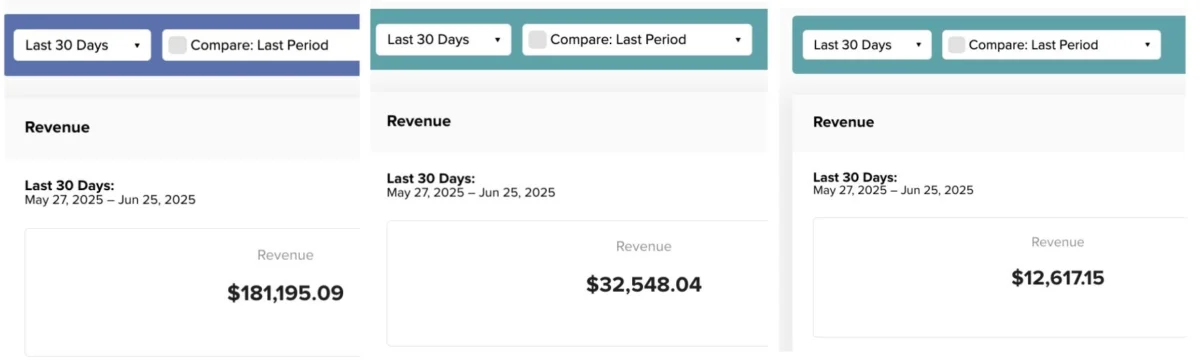
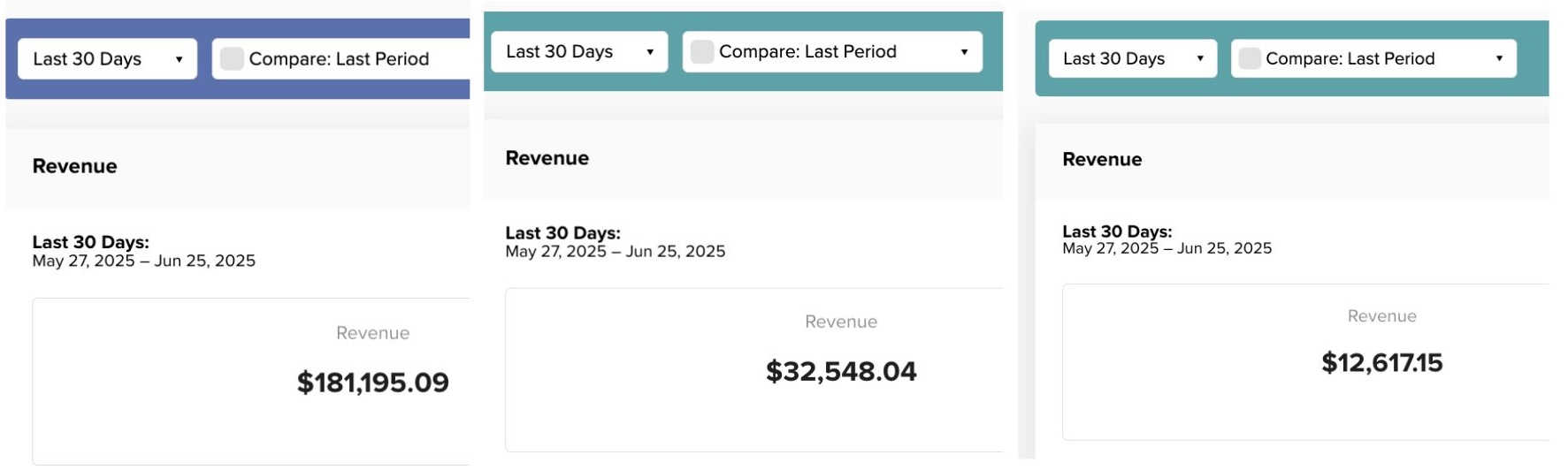
The modern digital publishing landscape has undergone a profound transformation over the past decade. For years, search engine optimization (SEO) served as the primary gateway for independent website operators seeking to monetize digital content through display advertising and affiliate marketing. However, algorithm volatility, shifting traffic acquisition costs, and changing user behaviors have forced content creators to rethink traditional growth models. Jon Dykstra, an industry veteran with more than a decade of experience in niche site publishing, has emerged as a prominent figure advocating for a diversified traffic and monetization ecosystem. Through an extensive eighteen-month testing phase, Dykstra developed a multi-domain framework that bypasses traditional search engine dependency, currently generating over $100,000 per month in net revenue across three primary publishing properties.
The Evolution of Content Publishing and the Shift Away From Traditional SEO
Historically, digital publishers relied heavily on organic search traffic driven by major search engines like Google to secure a steady stream of visitors. This reliance exposed site owners to severe operational risks, as minor algorithmic adjustments could decimate a website’s traffic overnight. Recognizing these systemic vulnerabilities, Dykstra embarked on a rigorous testing program in late 2023 to evaluate alternative traffic acquisition strategies. The core objective was to establish a resilient monetization model capable of sustaining high revenue yields independent of search engine rankings.
The resulting blueprint integrates content creation, automated social media acquisition, email list retention, and diversified monetization channels into a cohesive operational flywheel. Rather than depending on a single traffic source, this approach utilizes platforms such as Pinterest, Instagram, Threads, and Facebook to capture user interest and funnel it directly into owned media assets.

Building the Foundation: Quality Content and Asset Ownership
At the center of the strategy is the creation of high-value niche content designed to solve specific user problems. According to the operational framework, mediocre blog posts are insufficient for sustained audience retention. Publishers must establish themselves as definitive resources within their respective niches to encourage repeat visits and long-term engagement.
Once visitors arrive at a publishing property, the critical vulnerability identified by industry strategists is the failure to capture user contact information. Dykstra emphasizes that losing ninety-five percent of daily visitors without establishing a persistent communication channel severely limits long-term revenue potential. To mitigate this, publishers are urged to deploy robust email service providers—specifically citing platforms like Kit—integrated with advanced monetization software such as SparkLoop. This infrastructure ensures that audiences acquired through content or social channels are converted into owned subscribers, serving as an insurance policy against third-party platform changes or traffic fluctuations.
Multi-Tiered Monetization Strategies
The revenue engine of this publishing model relies on a layered approach to monetization, ensuring that every user interaction generates economic value.
Display Advertising: For established traffic volumes, automated display advertising networks represent a foundational revenue stream. Platforms such as Mediavine are utilized to monetize passive page views, providing a reliable baseline income without requiring additional user action.
Affiliate Marketing: Beyond display ads, affiliate partnerships form a major component of the revenue structure. Instead of managing dozens of individual brand relationships, publishers often integrate centralized sitewide affiliate platforms like Stay22. These systems automatically optimize link placement and routing to secure the highest possible commission payouts across retail and niche categories.
Newsletter Monetization: Email newsletters are treated as standalone profit centers rather than mere notification tools. By incorporating sponsored placements, native advertisements, and recommendation engines, publishers can monetize daily reader engagement directly within their email broadcasts. Industry educational frameworks, such as newsletter courses taught by experienced operators like Scott DeLong, highlight the economic viability of transforming standard subscribers into recurring revenue streams.
Automated Traffic Acquisition and the Social Media Funnel
A successful content ecosystem requires a steady influx of qualified visitors. Dykstra’s framework utilizes targeted traffic channels that exhibit strong commercial intent.
Pinterest remains a primary traffic driver due to its function as a visual search engine where users actively seek out ideas and products with high buyer intent. Specialized software tools, including PinClicks, assist publishers in optimizing content for Pinterest discovery. Additionally, social media platforms like Instagram and Threads are leveraged through conversational automation tools such as Manychat. By automating direct message sequences and comment interactions, publishers can convert casual social media engagement into email subscribers on a continuous basis.

This automated acquisition creates a self-reinforcing flywheel effect. Social media automation continuously feeds new subscribers into the email database; the newsletter drives repeat traffic back to the website; website visitors view display ads and click affiliate links; and the cycle repeats, compounding total revenue over time.
Broader Industry Implications and Future Outlook
The financial results reported by established niche creators—scaling from single properties that cover mortgage payments to multi-domain portfolios yielding six figures monthly—demonstrate a broader shift in digital entrepreneurship. As traditional search engine traffic becomes increasingly competitive and unpredictable, publishers are moving toward decentralized models that prioritize owned media and direct audience relationships.
Industry analysts note that this trend reflects a maturation of the digital publishing sector. Creators are no longer viewing websites as passive billboard pages dependent on external gatekeepers, but rather as dynamic media businesses equipped with direct-to-consumer funnels, automated customer acquisition, and diversified income streams. While the initial setup requires technical integration and consistent content production, the resulting stability offers a compelling alternative for independent publishers seeking sustainable, long-term profitability in a changing digital economy.