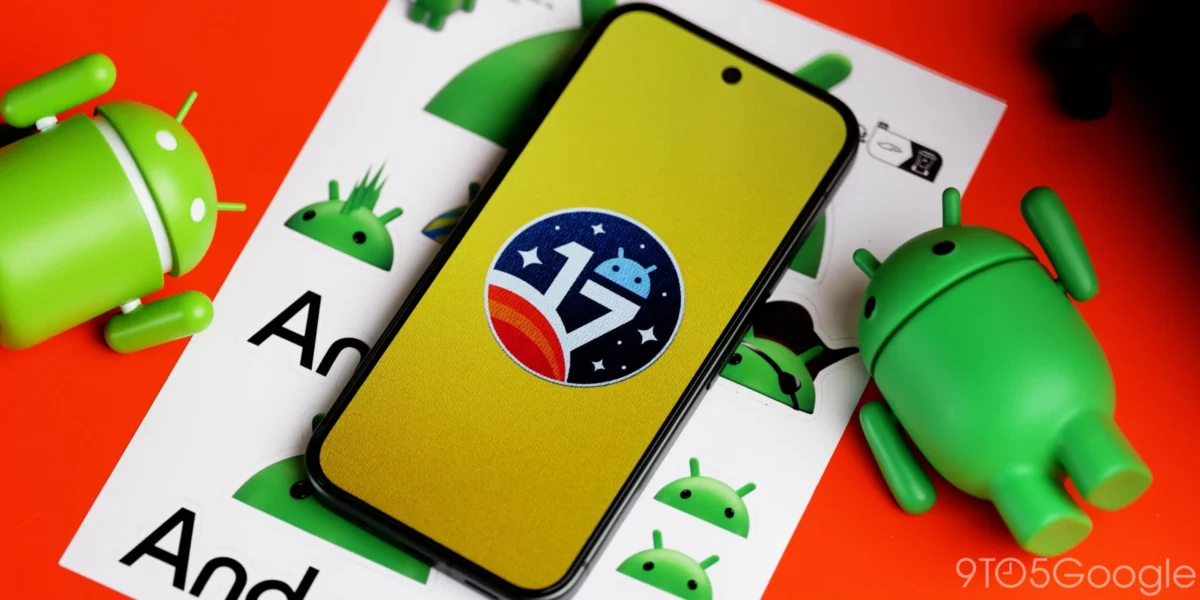
The Evolution of the Android 17 Development Cycle
The Android 17 development timeline has been characterized by a rigorous, iterative approach to feature deployment. Following the initial launch of the Android 17 core build earlier this year, Google transitioned into its QPR cycle, designed to introduce functionality enhancements and performance improvements on a quarterly basis. QPR2, in particular, has focused on refining the user interface and streamlining background processes that impact battery efficiency and system responsiveness.
Since the release of the inaugural Beta 1 in mid-2026, the development team has systematically addressed feedback from the developer community and early adopters. Beta 5 arrives at a time when the focus has shifted from experimental feature integration to bug remediation and performance hardening. For Google, this cycle is vital; it ensures that the stable release in December is free from the critical errors that could undermine the user experience on its diverse range of hardware, from the entry-level Pixel 6a to the premium Pixel 11 Pro Fold.
![Here’s everything new in Android 17 QPR2 Beta 5 [Gallery]](https://9to5google.com/wp-content/uploads/sites/4/2026/06/Android-17-launch-logo-1.jpg?quality=82&strip=all&w=1600)
Scope of Device Compatibility
Google’s commitment to broad software support remains a cornerstone of the Pixel brand. The rollout of QPR2 Beta 5 encompasses a vast ecosystem of devices, underscoring the company’s intent to provide a unified experience across its historical and contemporary hardware lineups. The supported list includes:
- Pixel 6 and 7 Series: Pixel 6a, 7, 7 Pro, 7a.
- Pixel Tablet and Foldables: Pixel Tablet, Pixel Fold, Pixel 9 Pro Fold, Pixel 11 Pro Fold.
- Pixel 8 Series: Pixel 8, 8 Pro, 8a.
- Pixel 9 Series: Pixel 9, 9 Pro, 9 Pro XL, 9a.
- Pixel 10 Series: Pixel 10, 10 Pro, 10 Pro XL, 10 Pro Fold, 10a.
- Pixel 11 Series: Pixel 11, 11 Pro, 11 Pro XL.
This extensive compatibility list presents significant engineering challenges, requiring the software to adapt to varying display form factors, processor architectures (from Tensor G1 through to the latest iterations), and hardware configurations.
Key Functional Updates in Beta 5
The release notes for Beta 5 highlight specific modifications to the system’s Quick Settings and notification management. One of the most notable changes is the introduction of a new "Audio Streams" tile. This feature is designed to simplify the management of multi-device audio playback, allowing users to toggle between Bluetooth devices, smart speakers, and internal hardware with greater granularity. By centralizing these controls, Google is reducing the number of sub-menus a user must navigate to manage active audio sessions.
![Here’s everything new in Android 17 QPR2 Beta 5 [Gallery]](https://9to5google.com/wp-content/uploads/sites/4/2026/09/Android-17-QPR2-Beta-5-Battery-charging.jpg)
Conversely, Google has opted to remove certain "Layout Customization" options that were present in previous QPR2 builds. While some power users may view this as a reduction in flexibility, Google’s design language has historically prioritized consistency and visual cohesion. The removal suggests that the company is standardizing the Quick Settings interface to ensure it performs predictably across all device types, including the unique internal displays of the Pro Fold series.
Furthermore, refinements to "Notification Intelligence"—the system responsible for prioritizing and surfacing alerts—have been implemented. In Beta 5, the OS shows improved heuristics for categorizing notifications based on urgency and user interaction patterns. This is part of a broader, year-long effort to reduce notification fatigue, a consistent pain point for mobile users in an era of constant connectivity.
Performance and Battery Optimization
Internal diagnostics within the Beta 5 build suggest a concerted effort to mitigate battery drain associated with background processes. New battery-charging telemetry has been included in this build, providing users with more transparent data regarding charging speeds and temperature regulation.
![Here’s everything new in Android 17 QPR2 Beta 5 [Gallery]](https://9to5google.com/wp-content/uploads/sites/4/2026/09/Android-17-QPR2-Beta-5-Notification-Intelligence.jpg)
Data from the beta community indicates that the system’s thermal management has been improved for the Pixel 10 and 11 series, which utilize higher-density hardware components. By optimizing how the kernel handles background tasks during charging, Google aims to extend the long-term health of the battery, a metric that has become increasingly important as the company extends its official support windows for its devices.
Official Stance and User Feedback
While Google has not released a formal manifesto for this specific beta, the trajectory of the QPR cycle reflects a philosophy of "stable evolution." A spokesperson for the Android development team previously noted that the QPR program is intended to "bridge the gap between experimental innovation and production-ready reliability."
Early feedback on developer forums and the Android subreddit has been largely positive regarding the stability of Beta 5 compared to Beta 4. Users have noted fewer "system UI hangs" and improved stability in the transition between folded and unfolded states on the Pixel 9 and 11 Pro Fold models. This stability is the primary indicator that the software is nearing the "Release Candidate" phase, after which no new features will be introduced, and the team will exclusively address critical security vulnerabilities.
![Here’s everything new in Android 17 QPR2 Beta 5 [Gallery]](https://9to5google.com/wp-content/uploads/sites/4/2026/09/Android-17-QPR2-Beta-5-Quick-Settings.jpg)
Implications for the Android Ecosystem
The impending stable release of Android 17 QPR2 in December is expected to set the standard for third-party Android OEMs. As Google integrates these features, other manufacturers—such as Samsung, Xiaomi, and OnePlus—will look to these changes to inform their own proprietary skins. The centralization of audio controls and the refined notification intelligence are likely to be mirrored in upcoming iterations of One UI and OxygenOS, cementing these features as industry standards.
Furthermore, the emphasis on compatibility with older hardware, such as the Pixel 6a, sends a strong market signal. By keeping these devices relevant through software, Google is attempting to increase the resale value of its hardware and encourage long-term brand loyalty. In a market where smartphone replacement cycles are stretching from two years to three or four, software longevity is becoming a primary competitive advantage.
Looking Ahead to December
As the beta program concludes, the transition to the stable release will occur over-the-air (OTA) for all enrolled users. For those currently participating in the beta, the transition to the stable build typically occurs without the need for a factory reset, provided the user remains in the program until the final build is pushed.
![Here’s everything new in Android 17 QPR2 Beta 5 [Gallery]](https://9to5google.com/wp-content/themes/ninetofive/dist/images/google-preferred-source-badge-dark.png)
The coming weeks will be crucial for the development team. The focus will remain on identifying "edge-case" bugs—rare instances where the software might crash under specific, non-standard conditions. If the current trend of successful, iterative updates continues, the December launch should provide a seamless upgrade path for the majority of the Pixel user base.
For developers and enthusiasts interested in the technical nuances of these changes, the Android 17 documentation portal continues to be the primary resource. As the ecosystem matures, the data gleaned from these QPR cycles will undoubtedly serve as the foundation for the Android 18 development cycle, which is expected to begin in early 2027.
In summary, Android 17 QPR2 Beta 5 is a measured, essential update that prioritizes system stability and user-interface refinement. By addressing the complexities of multi-device audio management and streamlining notification intelligence, Google is positioning its OS to be more intuitive and efficient. For the Pixel user, this represents the final polish on a software experience that will carry them through the final quarter of the year and into the next generation of mobile computing.