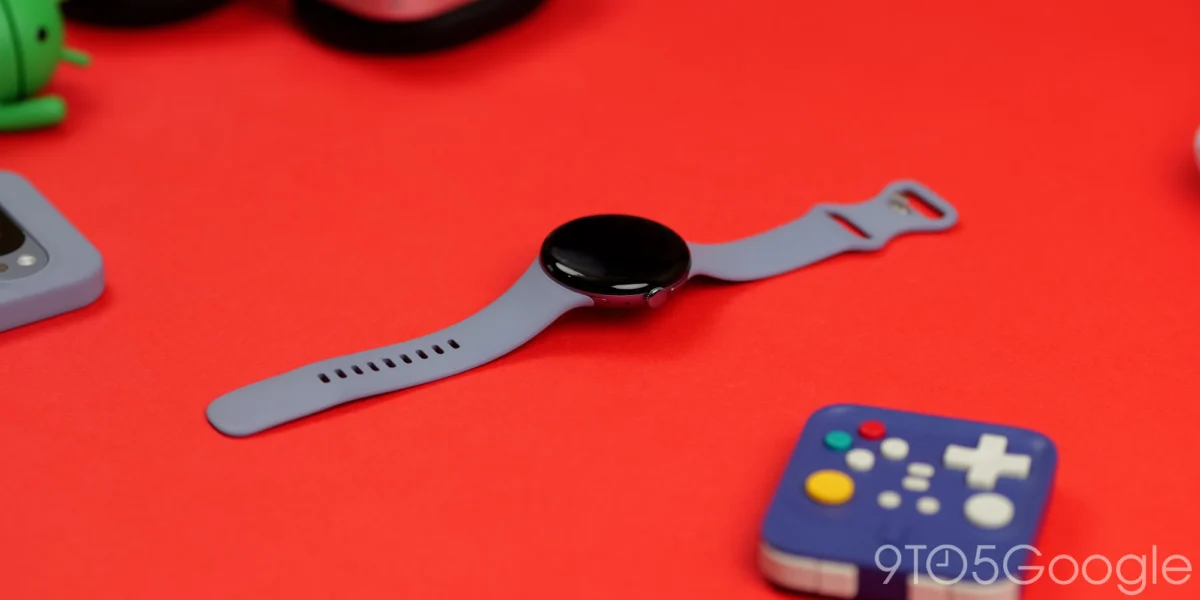
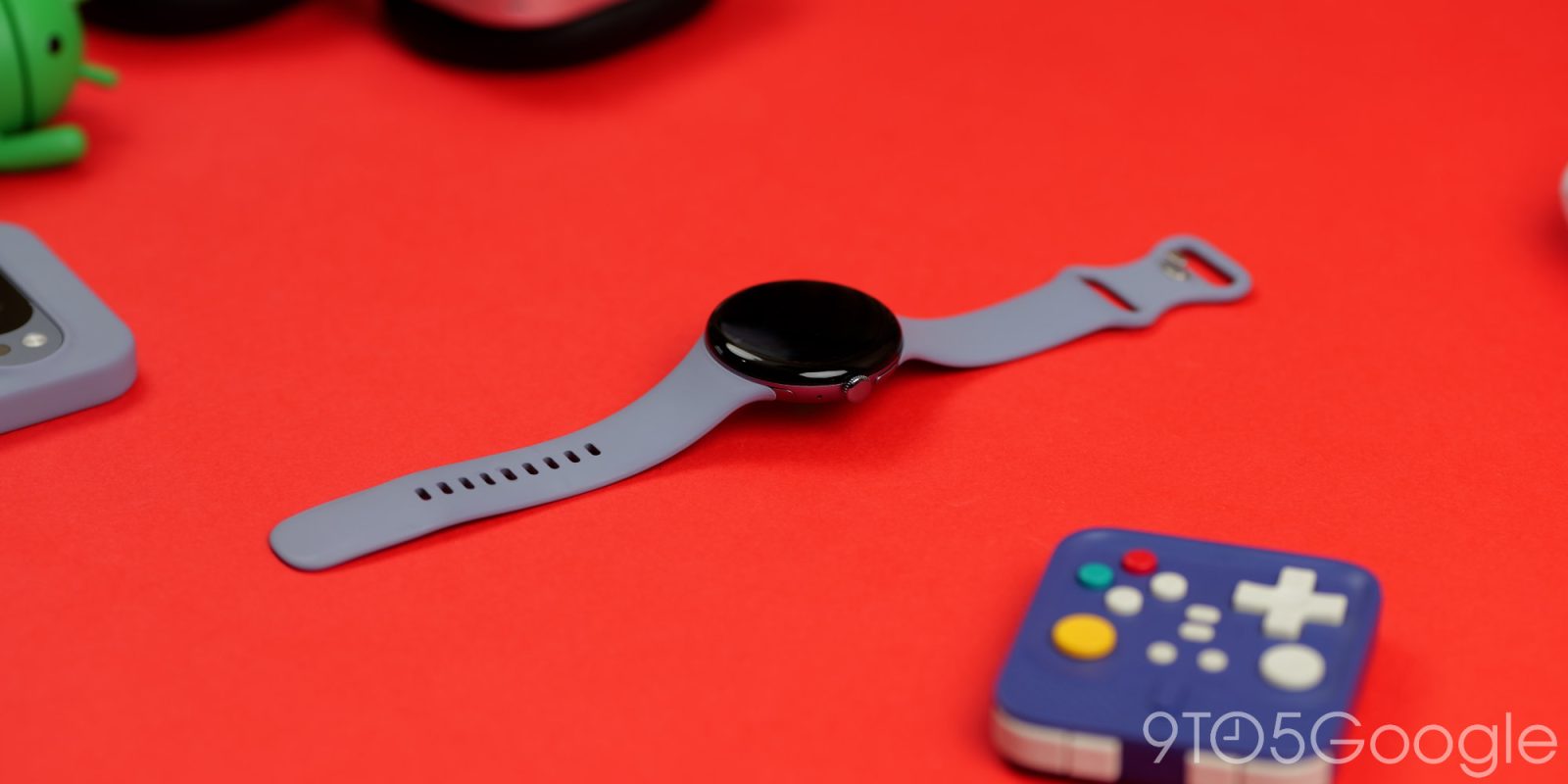
Google has officially initiated the rollout of its September 2026 Feature Drop for the Pixel Watch series, marking a significant milestone in the integration of generative artificial intelligence into wearable technology. This latest software update, which spans the Pixel Watch 2, Pixel Watch 3, and the newly released Pixel Watch 4, introduces a sophisticated "Gemini Personalization" engine designed to transform how users interact with their wrists. While factory and over-the-air (OTA) images are currently pending deployment on Google’s developer portals, the update is actively being pushed to compatible devices globally.
The centerpiece of this release is the deployment of Gemini Personalization across the entire supported ecosystem, from the second-generation device through the latest flagship. By leveraging a hybrid architecture—combining an offline user profile with real-time online retrieval—Google is aiming to make the smartwatch a more proactive assistant rather than a mere notification relay.
The Evolution of the Pixel Watch Feature Drops
Google’s "Feature Drop" program has become a hallmark of its hardware strategy, mirroring the Pixel phone experience. Since the introduction of the first-generation Pixel Watch, the company has utilized these quarterly updates to deliver substantial functionality upgrades rather than just minor security patches. This approach serves two primary purposes: extending the lifecycle of older hardware and maintaining competitive parity in a saturated wearable market.
Chronologically, the Pixel Watch 2 established the foundational hardware requirements for high-performance machine learning on the wrist. When the Pixel Watch 3 arrived, it solidified the transition toward more complex health-tracking metrics and improved display technology. Now, with the Pixel Watch 4, the software ecosystem is pivoting toward generative intelligence. By bringing Gemini Personalization to the Watch 2 and Watch 3, Google is effectively signaling that its current AI strategy is not locked behind the newest hardware, provided the device possesses the necessary processing overhead.
Deep Dive: Gemini Personalization and Data Integration
The core functionality of this update centers on the ability of the Gemini model to synthesize information across a user’s digital life. Unlike previous iterations of Google Assistant, which largely relied on discrete command-and-response patterns, the new Gemini Personalization engine draws upon a contextual awareness of the user’s habits and data stored within connected Google apps.
According to technical specifications released alongside the update, the system integrates data streams from Gmail, Google Calendar, Search, YouTube, and Google Photos. This allows the watch to process complex, multi-layered queries. For example, a user can now ask, "What’s on my calendar today?" and receive a summary that is tailored not just to the schedule, but to the user’s established preferences and priorities. Even more utility is found in the ability to parse communication history, such as requesting, "Find the tracking number in my email," a task that previously required the user to switch to a smartphone or desktop interface.
The architecture of this feature is particularly noteworthy. By utilizing an "offline user profile," Google ensures that basic personalization metrics remain localized on the device. This approach addresses common privacy concerns associated with cloud-based AI processing. When real-time data is required—such as checking for an updated package status—the system performs a secure, real-time online retrieval. This dual-layer approach represents a significant engineering challenge, requiring a balance between power consumption and latency.
Hardware-Specific Enhancements and Performance Metrics
While Gemini Personalization is a universal update for the 2, 3, and 4 models, the Pixel Watch 4 receives exclusive refinements that highlight its more advanced internal hardware. One of the most significant changes involves the improved "raise-to-talk" performance.
In previous generations, the raise-to-talk gesture often suffered from latency or false positives, where the device would trigger accidentally during natural arm movements. The September 2026 update introduces an updated gesture model on the Pixel Watch 4 that employs more nuanced sensor fusion algorithms. By analyzing data from the accelerometer, gyroscope, and ambient light sensors with greater precision, the device can better differentiate between a deliberate intention to communicate and casual movement.
For users who rely on hands-free interaction, this enhancement is expected to reduce the "activation friction" that often plagues voice-based interfaces. Industry data suggests that wearables with high latency in voice activation see a 40% drop in user engagement over time; therefore, optimizing this interaction model is critical for the long-term success of Google’s wearable strategy.
Broader Impact and Industry Implications
The integration of advanced AI into the smartwatch form factor is part of a broader industry shift. Competitors like Apple and Samsung have also been aggressively pursuing "on-wrist intelligence," but Google’s reliance on the Gemini ecosystem gives it a distinct advantage in terms of integration with its existing suite of web services.
The economic implications for Google are substantial. By increasing the utility of the Pixel Watch, Google strengthens its ecosystem lock-in. If a user can efficiently manage their calendar, email, and travel information directly from their watch, they are less likely to migrate to a competing platform. Furthermore, the move toward offline user profiles suggests that Google is preparing for a future where wearable devices serve as primary computing hubs, reducing the user’s dependency on a tethered smartphone for everyday information retrieval.
However, the rollout also brings challenges. The increased demand on the device’s processor to manage AI queries will undoubtedly put pressure on battery life. While Google has not released official power consumption benchmarks for the September 2026 update, the industry standard for such intensive background processing usually necessitates sophisticated power management. The "General bug fixes and improvements" mentioned in the changelog are likely, in part, aimed at optimizing the background processes that sustain these new AI features.

Analysis: The Path Forward
Looking at the trajectory of the Pixel Watch, it is evident that Google views the device as a laboratory for its most ambitious AI projects. The decision to include the Pixel Watch 2 in this update is a strong indication that Google intends to support its devices for a significant duration, a move that is likely to be welcomed by consumers who are increasingly wary of planned obsolescence in the tech sector.
The technical complexity of bringing generative AI to a device with such limited screen real estate and battery capacity cannot be overstated. By focusing on personalization—making the AI know the user better—Google is side-stepping the need for complex, text-heavy generative responses, which are impractical on a small display. Instead, the focus is on "actionable intelligence," where the watch provides the exact snippet of information required to complete a task.
As the September 2026 update makes its way to the user base, the real test will be in the reliability of the Gemini engine in varied real-world scenarios. Users in different regions with varying network speeds will provide the ultimate feedback on the effectiveness of the offline-online hybrid model.
Conclusion
The September 2026 Feature Drop represents a pivotal moment for the Pixel Watch lineup. By embedding Gemini Personalization into the core functionality of the watch, Google is evolving the wearable from a health and fitness tracker into a sophisticated, context-aware digital assistant.
While the hardware-specific improvements on the Pixel Watch 4 offer a glimpse into the future of gesture-based interaction, the universal availability of Gemini across the 2, 3, and 4 series ensures that the benefits of this advancement are shared across the existing user base. As Google continues to refine its software, the focus remains clear: providing a seamless, intelligent, and highly personalized experience that makes the smartphone secondary to the information living on the user’s wrist. For those awaiting the update, the promise of a more proactive and intuitive device is nearing reality, provided the backend infrastructure remains stable as the rollout hits peak volume.