
As the oldest members of Generation Alpha approach mid-adolescence, global marketing agencies and brand strategists are confronting an unprecedented demographic shift. Spanning individuals born between 2010 and 2024, Generation Alpha has officially surpassed all preceding demographics to become the largest generation in human history, accounting for nearly a quarter of the global population. Yet, despite their massive economic footprint and pervasive influence on household purchasing power, many brands continue to miscalculate how to engage this cohort, mistakenly treating them as a mere extension of Generation Z.

Unlike their predecessors, who witnessed the gradual evolution of social media and digital algorithms, Generation Alpha has existed entirely within a hyper-personalized, algorithm-driven digital ecosystem since infancy. Industry analysts emphasize that navigating this demographic requires a fundamental recalibration of corporate communication, compliance frameworks, and media distribution strategies.
Defining the Demographic Shift and the Dual-Audience Challenge

To effectively engage Generation Alpha, organizations must first understand the structural composition of the market. Born into an era characterized by ubiquitous tablet computers, immersive gaming environments, and predictive artificial intelligence, these young consumers expect customized digital experiences as a baseline rather than a luxury.
However, marketers face a unique structural hurdle: a significant portion of Generation Alpha remains under the age of majority. Consequently, contemporary campaigns cannot rely solely on capturing the attention of the end user. Brands are forced to execute a delicate balancing act, simultaneously appealing to the child or adolescent who demands the product and the parent or guardian who ultimately controls the household budget.
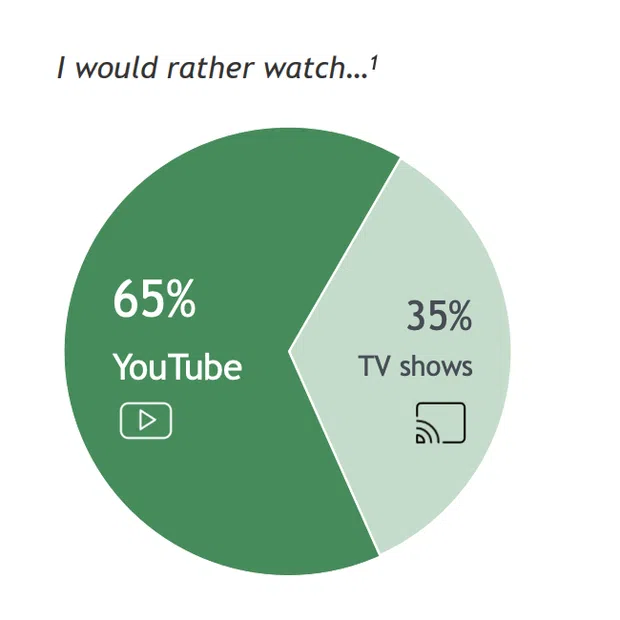
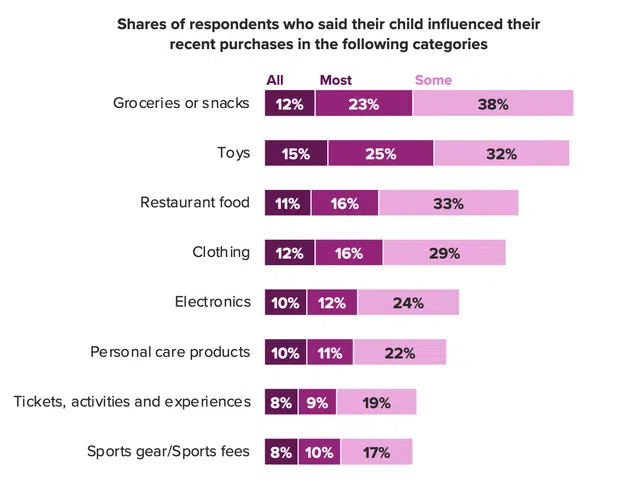
Recent market research underscores this dynamic. Data compiled by consumer research firms indicates that over seventy percent of parents acknowledge their children actively inform everyday household purchases, ranging from groceries and snacks to toys and apparel. Furthermore, while a substantial minority of these young consumers receive regular allowances, giving them independent spending power, the ultimate purchasing decision remains heavily tethered to parental approval. Successful brands are those that deliver playful, trend-aware content to youth audiences while grounding their value propositions in metrics that matter to parents, such as product safety, nutritional value, and ingredient transparency.
Contrasting Consumer Behaviors: Generation Alpha Versus Generation Z

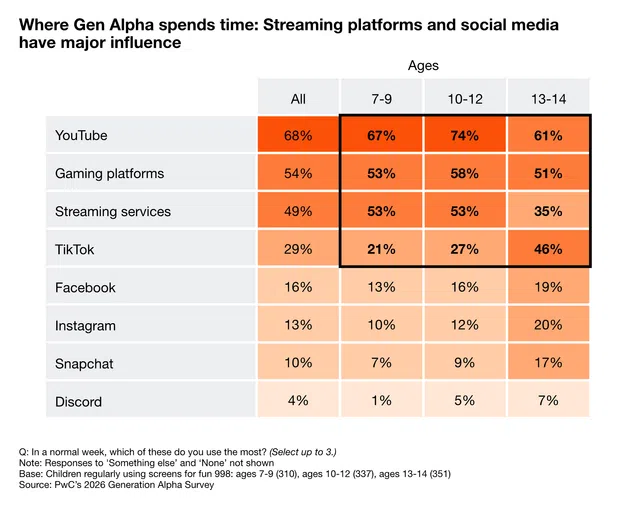
While both demographics are thoroughly digital native, significant behavioral divergences separate Generation Alpha from Generation Z. A comparative analysis of consumer habits reveals that Generation Alpha demonstrates a distinct preference for gamified, highly interactive content over passive viewing experiences.
While Generation Z popularized fast-paced visual storytelling, Generation Alpha gravitates toward environments where they can actively participate, customize, and compete. This is vividly illustrated by the massive popularity of immersive platforms like Roblox and Minecraft, which function not merely as entertainment portals, but as complex micro-societies where peer relationships and brand affinities are forged.
Furthermore, brand interaction metrics highlight a stark contrast in digital engagement. Historical data reveals that nearly half of Generation Z consumers actively engage with brand-sponsored social media posts or follow corporate accounts directly. In contrast, only a fraction of Generation Alpha exhibits similar direct interaction. Analysts caution that standard engagement metrics—such as likes, comments, and direct shares—grossly underestimate Generation Alpha’s true level of brand awareness and attention. Their engagement is passive yet deeply attentive, often manifesting as direct-to-cart social commerce rather than public discourse. Indeed, emerging data indicates that Generation Alpha is significantly more comfortable utilizing in-app social shopping tools, with a notable percentage reporting that they conduct their shopping exclusively online.
Navigating the Complex Regulatory and Privacy Landscape

As brands pivot their strategies toward this younger demographic, they must navigate an increasingly stringent web of regulatory guardrails designed to protect minors online. In the United States, the Children’s Online Privacy Protection Act (COPPA) strictly regulates how corporations collect and process data from children under the age of thirteen. Legal experts emphasize that COPPA applies automatically the moment digital content is deemed "directed to children," regardless of whether the company explicitly positions itself as a youth brand.
Compliance mandates require organizations to provide explicit notice to parents and secure verifiable consent before harvesting personal identifiers, including names, email addresses, geolocation data, and behavioral tracking metrics utilized for ad personalization. In addition to federal statutes, major social media platforms enforce strict minimum-age requirements and advertising limitations. For instance, platforms such as Instagram and Meta limit targeted advertising options for adolescent users strictly to age and geographic parameters, rendering traditional behavioral targeting strategies ineffective for younger demographics.

Consequently, digital marketing executives must integrate robust compliance workflows and legal oversight directly into their content creation pipelines. Failing to prioritize data privacy and minor protection before publishing campaigns exposes enterprises to severe regulatory penalties and reputational damage.
Strategic Imperatives for Modern Brand Campaigns
Developing a resilient marketing strategy for Generation Alpha requires moving past superficial stereotypes and generic internet slang. Industry experts warn against the common pitfall of assuming that loud colors and transient internet memes will automatically secure brand loyalty. Instead, modern campaigns must be built upon four foundational pillars: precise age segmentation, dual-audience messaging, native content integration, and strategic creator partnerships.
First, because Generation Alpha spans a fifteen-year age gap—ranging from toddlers to mid-teenagers—marketers must define the precise sub-cohort they intend to reach. A campaign tailored to a seven-year-old will inevitably fail if deployed before a sixteen-year-old audience. Second, messaging must simultaneously address the child’s desire for entertainment and the parent’s demand for utility and safety. Third, content must integrate seamlessly into native digital feeds, bypassing overt commercialism in favor of genuine cultural resonance. Finally, influencer partnerships must be vetted rigorously to ensure that external content creators align with both youth culture and strict parental scrutiny.
Broader Economic Implications and Industry Outlook
The maturation of Generation Alpha marks a definitive turning point for the global digital economy. As this demographic continues to age into greater financial independence, the methods by which corporations build brand equity will undergo permanent transformation. Organizations that rely on legacy marketing playbooks developed for older generations risk swift irrelevance. By embracing sophisticated, compliant, and interactive multi-platform strategies, forward-thinking brands can successfully secure the attention of the world’s most influential and populous generation, ensuring sustained market viability for decades to come.