In the rapidly evolving digital landscape of 2026, social media marketing has matured into a complex discipline requiring a delicate equilibrium between unpaid relationship-building and targeted financial investment. As U.S. social media advertising expenditures are projected to surge by 15.6% to reach $124.88 billion, according to December 2025 forecasts by EMARKETER, brands find themselves navigating an increasingly crowded ecosystem. Globally, social advertising spending is expected to skyrocket to $338.75 billion, leaving marketers to grapple with declining organic reach and heightened user skepticism toward traditional promotional tactics. To maintain a competitive edge, modern enterprises are increasingly shifting away from viewing organic and paid social media as isolated silos, embracing instead an integrated hybrid model that leverages organic authenticity to test ideas and paid ad budgets to scale success.
Understanding Organic Social Media: The Foundation of Brand Trust

Organic social media refers to any free content—such as Reels, Stories, TikTok videos, LinkedIn updates, YouTube clips, and direct community interactions—that individuals or brands publish without financial backing. Historically serving as the bedrock of any sustainable social media strategy, organic content prioritizes relationship-building, authentic brand voice, and long-term community loyalty over immediate conversions. Industry experts emphasize that organic visibility is where a brand’s fundamental personality resonates with consumers. Peter Murphy Lewis, Fractional CMO at Strategic Pete, highlights this dynamic: "Organic is where your voice, values, and vibe come through. It’s where your audience says, ‘I like how this brand thinks.’ It creates that layer of trust."
Similarly, Brian Futral, Founder and Head of Content at The Marketing Heaven, notes the compounding nature of unpaid content. "Organic social isn’t just cheap, it’s sticky. That’s the long game," Futral explains. "When audiences see a brand consistently showing up on their terms, with a real voice, and without an aggressive CTA, it builds something money can’t buy: emotional residue."
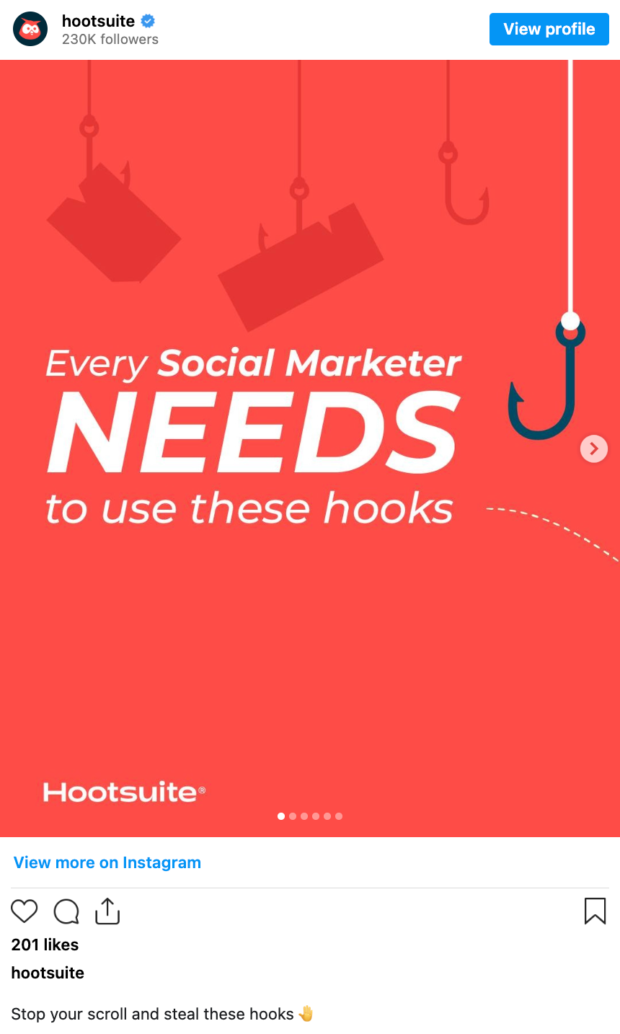
Despite its cost-effectiveness, organic social media presents notable challenges. Chief among these is slow scalability. Due to algorithmic prioritization of paid placements, organic posts frequently struggle to break past a fraction of an existing follower base. Consequently, brands must adopt a consistent, long-term approach to cultivate community engagement, utilizing platforms like Instagram, X, and LinkedIn not as immediate sales funnels, but as cultural touchpoints to foster advocacy.

The Strategic Role of Paid Social Media: Precision and Speed
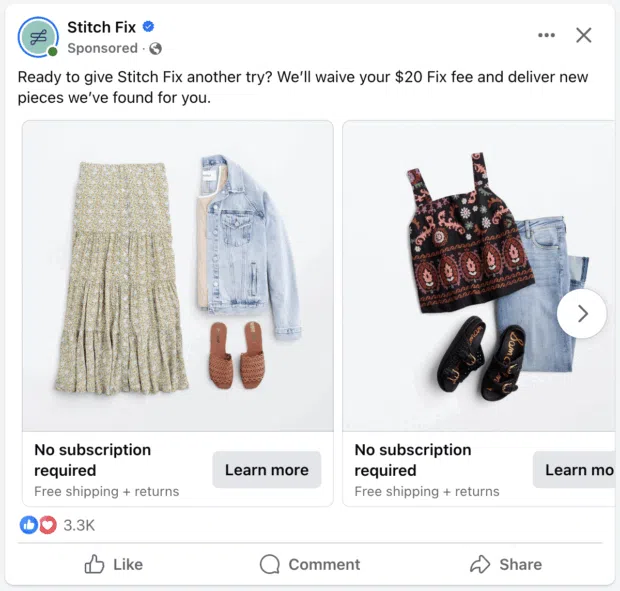
In contrast to the organic grind, paid social media encompasses all promotional activities supported by financial investment, including boosted posts, feed and Stories ads, sponsored content, and formalized influencer partnerships. Unlike organic reach, which remains at the mercy of platform algorithms, paid reach is secured directly through capital allocation, allowing brands to dictate precise targeting criteria, budgets, and impression frequencies.
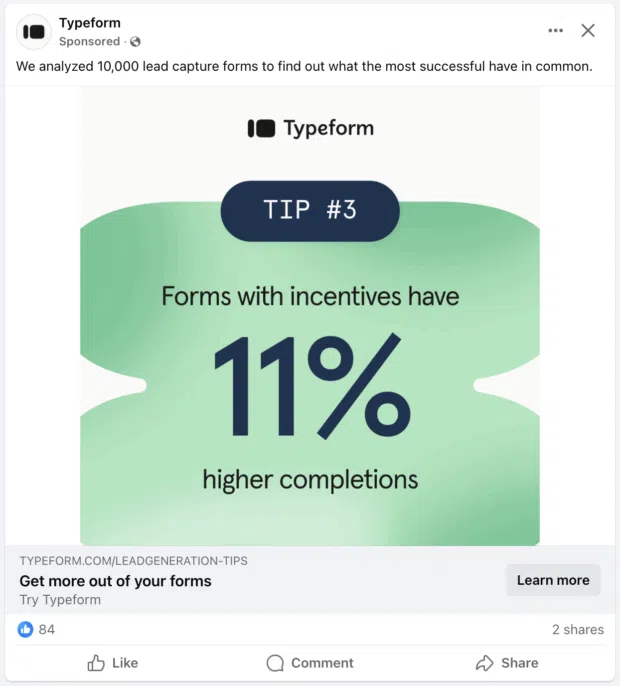
The primary advantage of paid social media lies in its advanced targeting capabilities and rapid delivery of measurable results. Modern advertising suites allow brands to segment audiences down to hyper-specific parameters, such as age brackets, geographic locations, specific behavioral patterns, and retargeting windows for consumers already considering a purchase. Shanté Gorman, Founder of Sugarpunch Marketing, points to this precision as a primary driver for paid campaigns. "For example, we could reach 35-year-old dog owners in Seattle who like camping and have recently bought outdoor gear. This level of precision helps ensure you’re not wasting resources on people who aren’t interested in what your offer," Gorman notes.
However, paid social media is not without its operational hurdles. High costs, the necessity for continuous campaign optimization, and mounting audience fatigue—often exacerbated by the ubiquitous "sponsored" label—pose continuous threats to campaign efficacy. As social media’s share of total media consumption approaches its anticipated peak in 2026, ad fatigue is driving consumers to tune out promotional content faster than ever before.
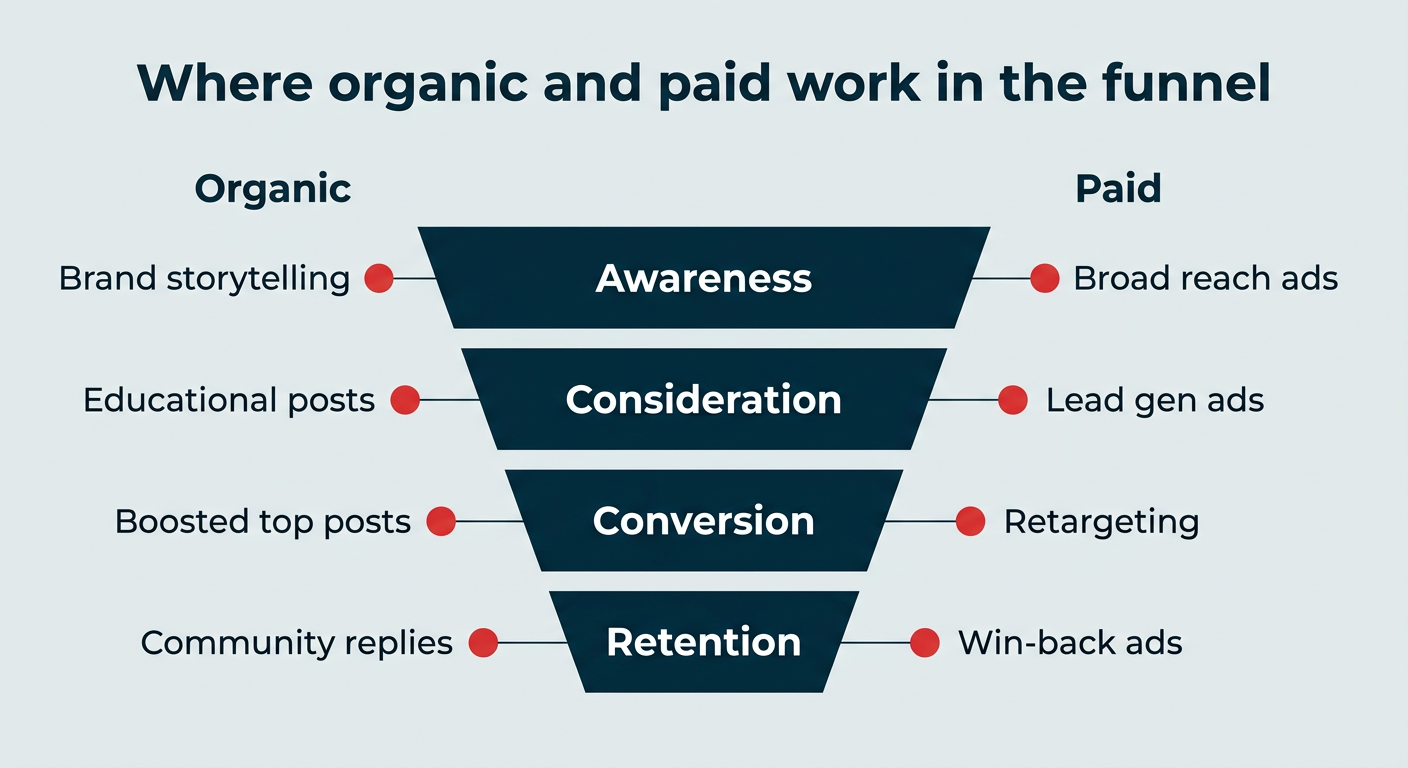
The Hybrid Framework: Combining Organic and Paid Strategies
To combat these challenges, industry leaders advocate for a unified, full-funnel approach that pairs organic content with paid amplification. By mapping specific content formats to the appropriate stages of the consumer journey—utilizing organic content primarily for top-of-funnel awareness and consideration, and reserving paid campaigns for bottom-funnel conversions and retargeting—enterprises can optimize their resource allocation.
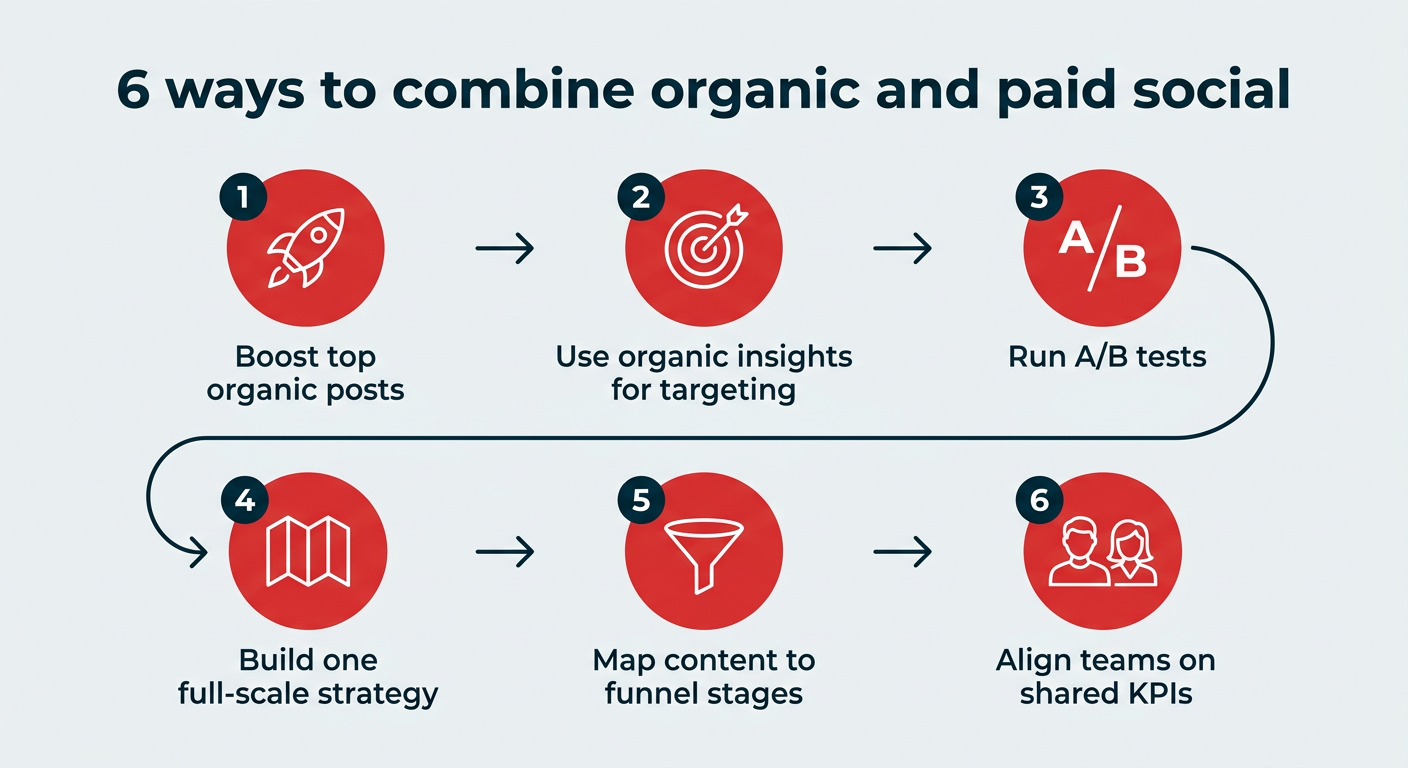
Experts recommend a six-step methodology for successfully merging organic and paid social operations:
- Boost Top Organic Posts: Rather than designing advertisements from scratch, brands should allocate minor budgets to amplify posts that have already demonstrated organic resonance and high engagement. This low-risk entry point harnesses content that has already been validated by real audiences.
- Inform Paid Targeting with Organic Insights: Testing content themes organically on platforms like LinkedIn or Instagram Reels provides invaluable preliminary data. If a specific narrative or format gains organic traction, it serves as an empirical blueprint for subsequent paid ad campaigns.
- Execute Rigorous A/B Testing: Deploying split-tests for ad variants on smaller audience segments ensures that capital is deployed efficiently, maximizing memorability while minimizing ad spend waste.
- Align Under a Unified Strategy: Disparate teams should abandon isolated key performance indicators (KPIs). Jason Pack, CRO at Freedom Debt Relief, summarizes this synergy: "Paid and organic work best hand-in-hand. You should run ads to drive sales and use organic content to build trust, engagement, and long-term loyalty."
- Map Content to Funnel Stages: Clearly delineating the distinct objectives of organic and paid efforts prevents teams from duplicating tasks and ensures a smooth consumer journey from initial discovery to final purchase.
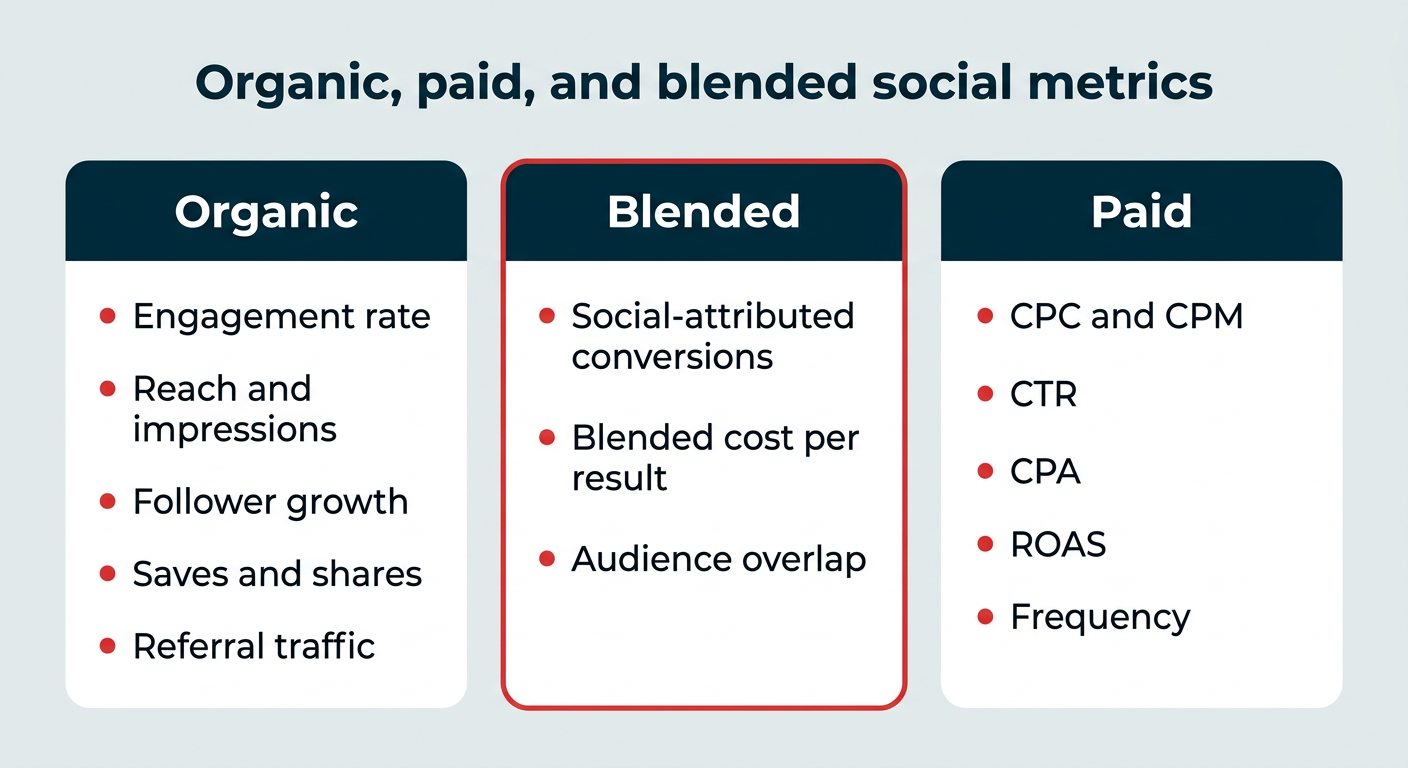
- Establish Shared KPIs: Cross-functional teams must review unified metrics—such as blended cost per result, total social-attributed conversions, and audience overlap—on a regular basis to ensure that organic and paid optimization efforts complement rather than contradict one another.
Implications and Analytical Outlook
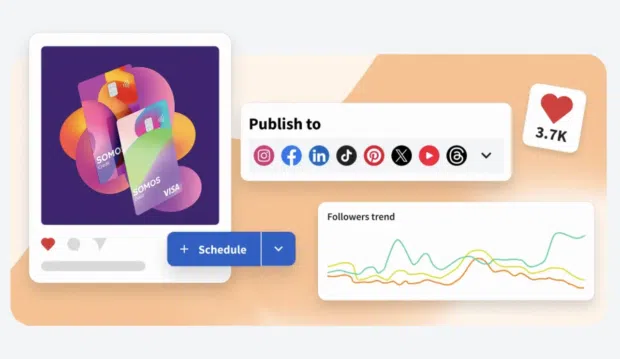
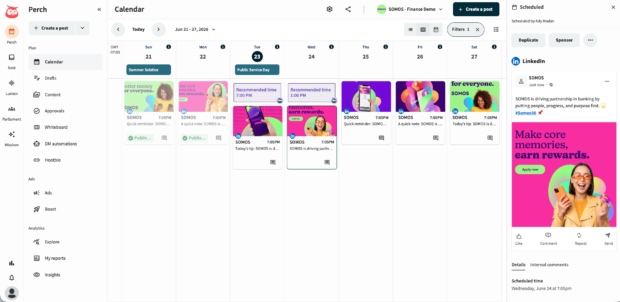
The integration of advanced software ecosystems, such as Perch by Hootsuite, reflects the broader industry shift toward centralized management dashboards. By consolidating cross-channel publishing, hyper-targeted organic boosting, and side-by-side analytics into a single platform, organizations can bridge the operational gap between organic community managers and paid media buyers.

Ultimately, the debate between organic and paid social media is a false dichotomy. Organic social media remains the primary engine for brand authenticity, trust, and long-term loyalty, whereas paid social media acts as the financial accelerator required for immediate scale and precision targeting. Businesses that recognize the symbiotic relationship between the two—using organic discovery to find what resonates and paid investment to scale those successes—will be best positioned to navigate the complexities of the digital marketplace.