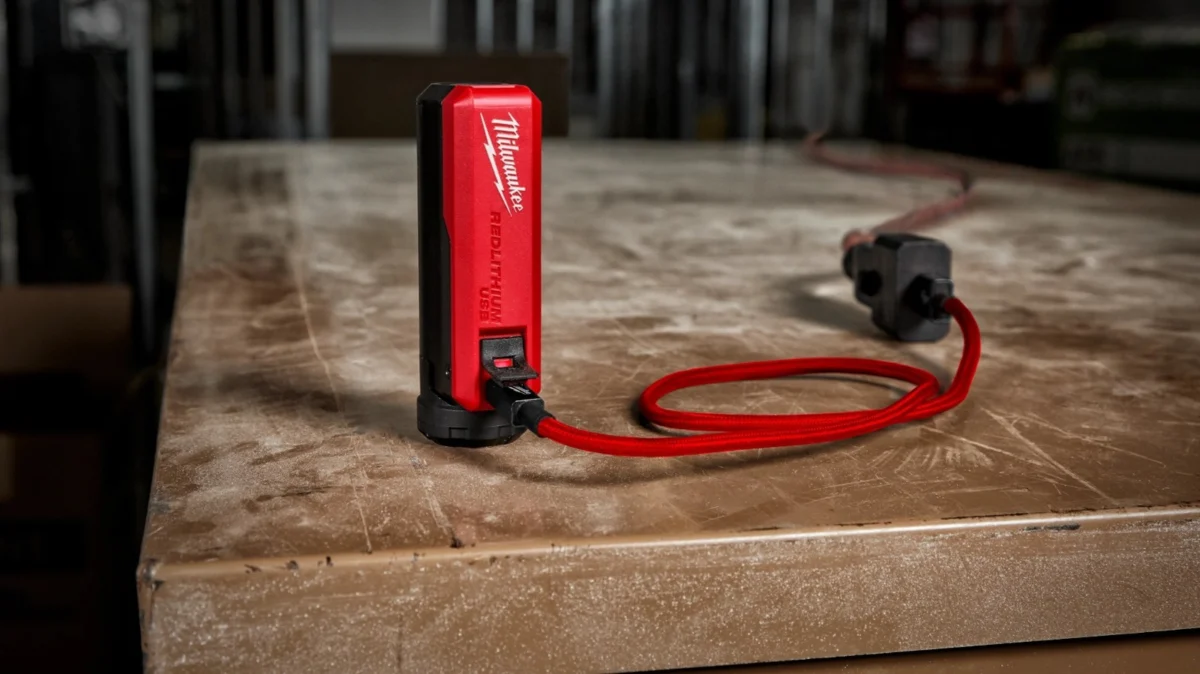
Milwaukee Tool, an industry titan that traces its origins back to the 1923 dissolution of the A.H. Petersen Company, has spent over a century cementing its reputation as a powerhouse in the professional and DIY construction markets. While the brand is ubiquitously recognized for its M12 and M18 cordless battery platforms—often cited as industry leaders in power-to-weight ratios and ecosystem depth—the company’s strategic expansion into compact, rechargeable solutions has been equally significant. Central to this secondary strategy is the Redlithium USB line, a series of task-oriented peripherals designed to provide professional-grade utility in a compact form factor.
The evolution of the Redlithium USB line represents a tactical shift in how manufacturers view "peripheral" job site tools. By standardizing a swappable, rechargeable power source across a wide array of devices, Milwaukee has effectively eliminated the need for disposable batteries, aligning with broader industrial trends toward sustainability and long-term cost reduction for trade professionals.
The Chronological Rise of Compact Power
Milwaukee’s trajectory from a specialized power tool manufacturer to a comprehensive job site solution provider began in earnest after its acquisition by Techtronic Industries (TTI) in 2005. Following the acquisition, the company accelerated its research and development, specifically targeting the limitations of traditional trade tools.
The Redlithium USB platform was introduced as a bridge between the high-draw, heavy-duty M12 tools and the low-draw requirements of lighting and measurement devices. By 2018, the company had begun aggressively populating this ecosystem, moving beyond standard flashlights into specialized lighting, precision measurement, and personal protection. The inclusion of USB-C charging across the latest iterations of these tools highlights a commitment to modernizing the workflow, ensuring that professionals can leverage the same charging infrastructure for their mobile devices and their job site equipment.
Precision Measurement: The Redstick Digital Level
One of the most technically advanced entries in the USB catalog is the Redstick Digital Level. Moving away from the traditional spirit vial—which relies on subjective interpretation of a bubble’s position—the Redstick utilizes Pin-Point Measurement Technology. This allows for precise calibration and digital readouts that are critical in high-stakes construction, such as installing cabinetry, window framing, or industrial shelving.
The implications of this shift are profound for precision trades. The ability to lock in specific angles (Pin Mode) and adjust sensitivity tolerances allows a contractor to maintain a consistent standard across a job site, regardless of the user. Furthermore, the IP65 rating signifies a departure from "light-duty" electronics, ensuring the tool can withstand the debris and moisture typical of active construction environments. The inclusion of a three-year accuracy guarantee serves as a critical differentiator in a market saturated with budget-tier digital tools that often lose calibration over time.
Job Site Lighting: Engineering for Visibility
The largest segment of the Redlithium USB catalog remains its lighting solutions. These products are not merely repurposed flashlights; they are engineered for the specific ergonomic demands of the trade. For example, the 400-lumen Neck Light provides hands-free illumination that adjusts to the user’s movement, a stark contrast to traditional headlamps that can cause neck strain or interfere with hard hat positioning.
Data indicates that the reliance on professional-grade lighting is directly correlated with a reduction in job site errors and workplace accidents. The Beacon Hard Hat Light, for instance, offers 360-degree visibility, a feature increasingly required on commercial job sites to ensure worker safety near heavy machinery. By integrating these lights into the Redlithium ecosystem, Milwaukee provides a "system-ready" approach where a single battery can power a headlamp in the morning and a pocket flood light for inspection in the afternoon, thereby reducing the logistical burden on the worker.
Specialized Hardware and Ergonomics
While the core of the USB line focuses on utility, the brand has experimented with comfort and communication tools, such as the Bluetooth Jobsite Earbuds and the Bolt Cooling Fan. These products reflect an evolving understanding of the modern job site, where worker retention and long-term health are increasingly prioritized.
The Jobsite Aware Mode featured in the Bluetooth earbuds is a direct response to Occupational Safety and Health Administration (OSHA) concerns regarding hearing protection and situational awareness. By allowing ambient noise to pass through while still providing audio entertainment or communication, the device aims to solve the "isolation" issue often associated with noise-canceling headphones. However, market feedback suggests that while the concept is sound, the execution in terms of long-term hardware reliability—as evidenced by mixed consumer reviews—remains an area where the company faces stiff competition from dedicated audio manufacturers.
Fact-Based Analysis of the Ecosystem’s Strategic Value
The Redlithium USB system functions as a "gateway" ecosystem. For a professional already invested in the M18 or M12 platforms, the addition of a USB-rechargeable accessory is a low-friction purchasing decision. However, the value proposition for the consumer is balanced against the inherent limitations of the platform.
- Charging Efficiency: The transition from Micro-USB to USB-C has been a vital improvement, enabling faster charge times and better cross-compatibility with mobile phone charging bricks.
- Swappable Battery Philosophy: Unlike many competitors that utilize sealed, non-replaceable internal batteries, Milwaukee’s commitment to removable cells ensures that the lifespan of the tool is not tied to the chemistry of the battery. If a battery begins to lose capacity after years of use, the user simply purchases a new cell rather than discarding the entire tool.
- Environmental Impact: By providing a standardized, rechargeable alternative to alkaline batteries, Milwaukee is participating in a broader industrial movement to reduce hazardous chemical waste generated by the millions of batteries consumed annually on global job sites.
Market Implications and Future Outlook
Despite the robust engineering, the Redlithium USB line faces criticism regarding its price-to-performance ratio. When compared to the vast, multi-faceted USB tool lineup offered by competitors like Ryobi—which includes everything from power-assisted scrubbers to heated clothing—Milwaukee’s focus remains narrow. This reflects a "premium professional" branding strategy rather than a "general consumer" strategy.
Industry analysts observe that Milwaukee’s decision to keep this line specialized serves to protect the brand’s image. By avoiding the temptation to over-diversify into low-margin home gadgets, the company maintains its credibility as a tool provider for the trades. The reliance on the Redlithium battery technology allows the brand to maintain high quality control over power delivery, ensuring that even the smallest flood light or digital level meets the same internal testing standards as their flagship impact drivers.
The Role of Official Support and Warranties
A critical, often overlooked aspect of the Milwaukee Redlithium USB ecosystem is the brand’s commitment to service. Most of these products carry a limited lifetime warranty, a rarity in the world of rechargeable electronics. This provides an essential layer of security for contractors who view these items as long-term investments rather than disposable consumables.
In response to concerns regarding battery longevity and unit reliability, Milwaukee has consistently updated its firmware and hardware designs—most notably in the transition to more durable charging ports and improved moisture-sealing materials. As the company continues to integrate smart technology into its product line, it is expected that the Redlithium USB platform will evolve to include more connectivity, perhaps allowing for remote diagnostic checks on lighting output or battery health via smartphone applications.
Conclusion
Milwaukee Tool’s Redlithium USB series is a testament to the company’s ability to leverage its core competencies—durability, system compatibility, and ergonomic design—to dominate niche categories. While the line is not without its challenges, particularly regarding the reliability of more complex electronic components like the job site earbuds, the overarching value of the ecosystem is clear. For the modern tradesperson, the ability to carry a modular, high-performance set of tools that all share a single, compact power source represents a significant step forward in site efficiency and professional convenience. As construction environments become increasingly digitized, the importance of these small, specialized tools will likely grow, further cementing Milwaukee’s position as an indispensable partner in the construction and maintenance sectors.