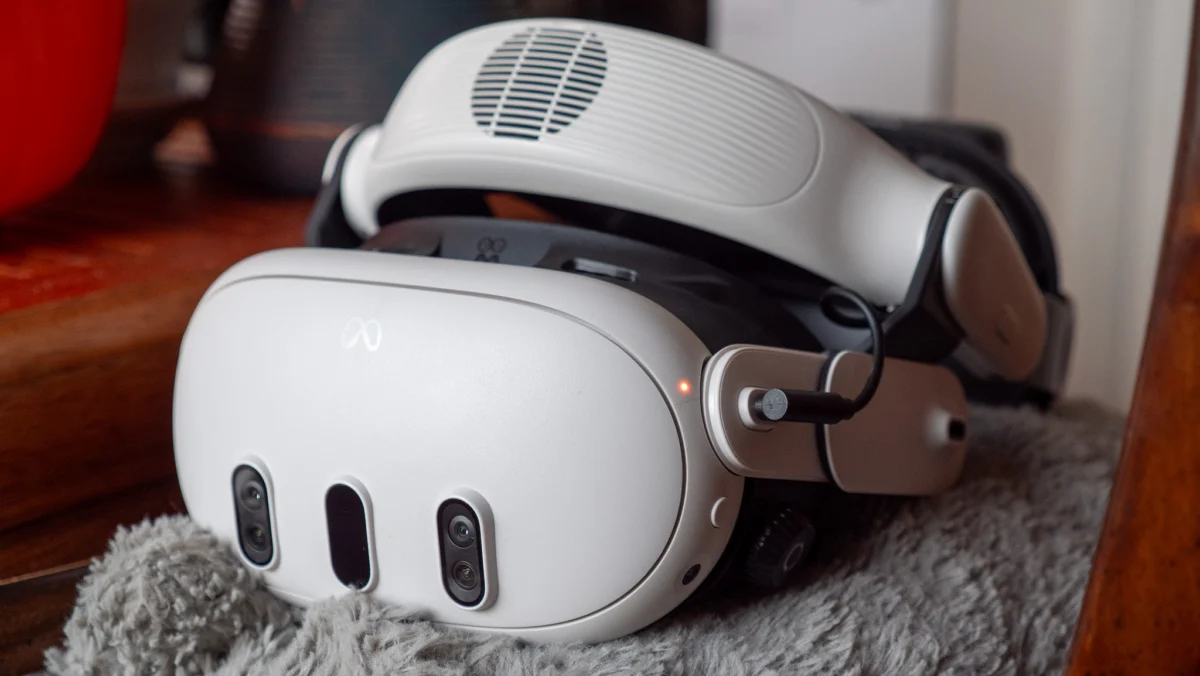
The landscape of virtual reality peripheral manufacturing has undergone a significant evolution since the release of the Meta Quest 3, with third-party accessory makers like AMVR and BoboVR leading the charge to solve the common ergonomic shortcomings of stock hardware. The recently launched AMVR BS1 head strap represents the latest iteration of this trend, integrating active cooling, magnetic battery hot-swapping, and advanced material science to address the dual challenges of thermal management and weight distribution for long-duration VR immersion.
The Evolution of Quest Ergonomics
When Meta introduced the Quest 3, it opted for a fabric-based strap system to maintain a compact retail footprint and lower the barrier to entry for casual users. However, the inherent weight of the pancake lens optics and the high-performance chipset required a more substantial support structure for users engaging in multi-hour sessions. The industry-wide pivot toward "halo-style" head straps—which shift the weight from the user’s face to the forehead and the occipital bone at the back of the skull—has become the gold standard for VR comfort.
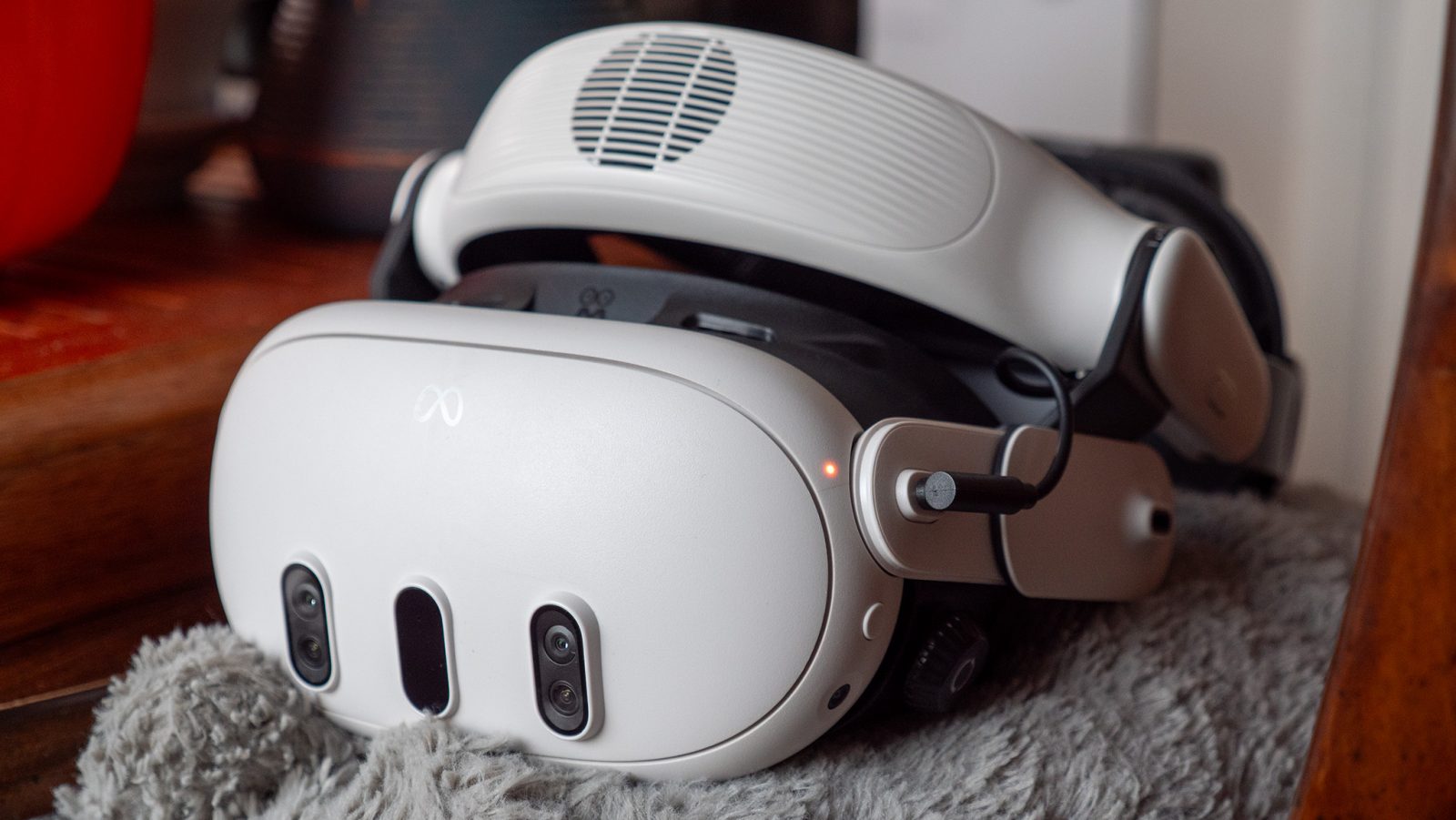
The AMVR BS1 represents a sophisticated refinement of this design philosophy. By utilizing a structural support bar that incorporates a high-speed, adjustable-speed cooling fan, the device directly mitigates the primary complaints of VR users: excessive heat buildup and lens fogging. These issues are not merely matters of comfort; they are functional barriers that can degrade the visual fidelity of the headset and force premature breaks during gameplay or productivity tasks.
Technical Specifications and Engineering Features
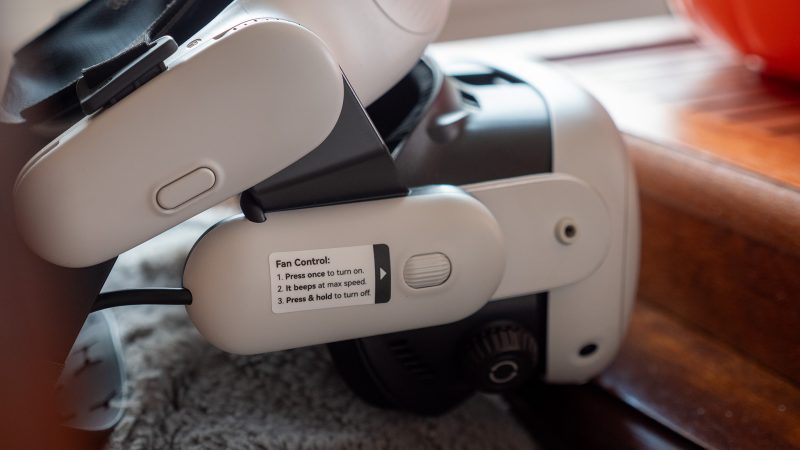
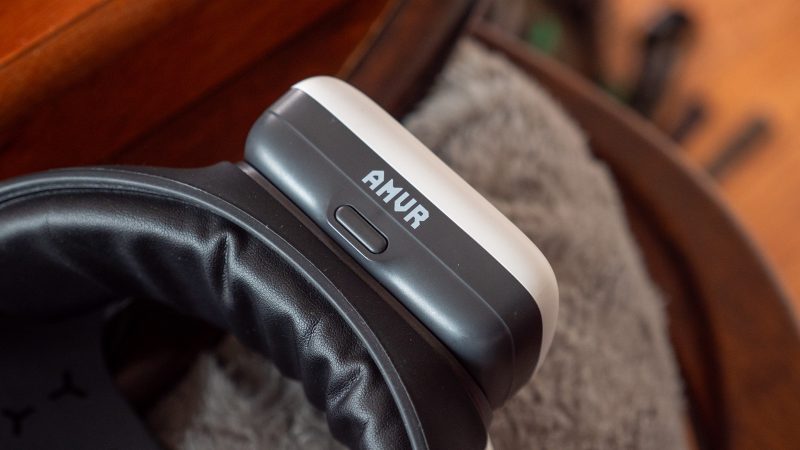
The core innovation of the BS1 lies in its modular approach to power and thermal regulation. The unit features an 8,800mAh battery pack, which is magnetically attached to the rear of the strap. This design serves two distinct purposes: it provides a counterweight to the front-heavy headset, creating a more balanced center of gravity, and it extends the operational life of the Quest 3 by approximately four hours.
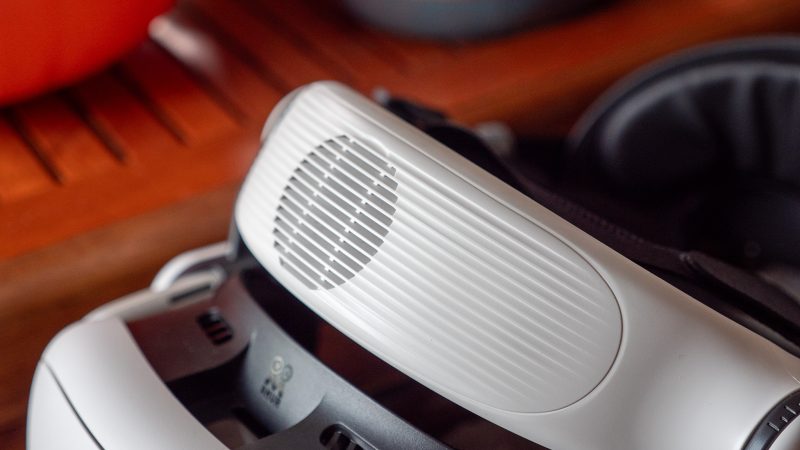
The cooling system consists of a blower fan housed within the forehead support bar. The fan’s airflow is directed to circulate air inside the facial interface, preventing the humidity buildup that typically occurs during high-intensity VR fitness applications or immersive gaming. The speed of this fan is controlled by a recessed wheel located on the right side of the device, allowing users to make tactile adjustments without removing the headset.
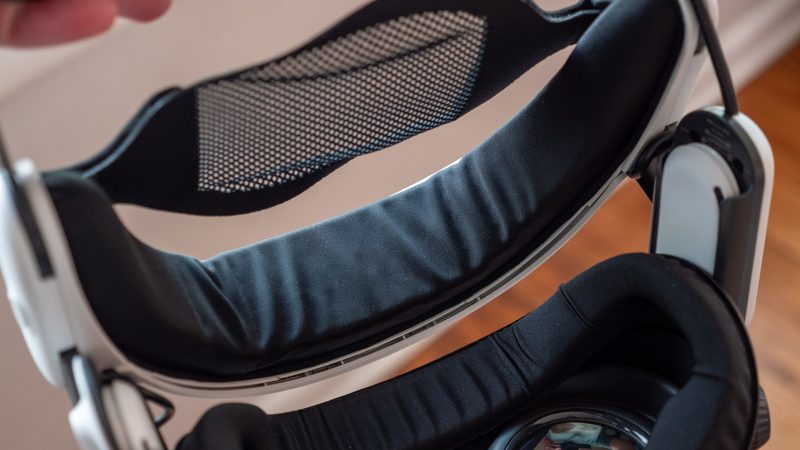
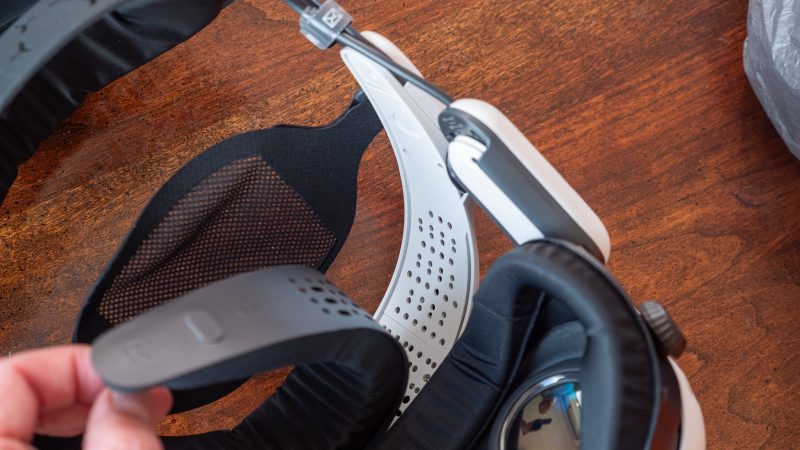
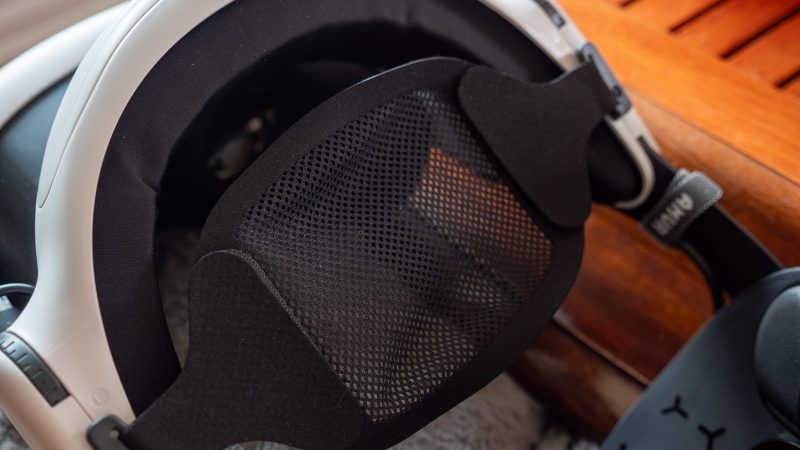
Furthermore, the materials selected for the padding are designed with longevity and sanitation in mind. The forehead and rear cushions are constructed from breathable mesh and moisture-wicking materials that are easily detachable for washing. This is particularly relevant for the fitness-oriented demographic of the Quest platform, where hygiene is a frequent point of concern for multi-user households.
A Chronology of Third-Party Innovation
The progression of VR accessories for the Meta ecosystem has followed a distinct timeline. Following the 2020 launch of the Quest 2, the market was flooded with basic silicon covers and aftermarket straps. By the time the Quest 3 debuted in late 2023, the market had matured into a high-stakes competition between specialized firms.
- 2020-2022: The "early-access" phase, characterized by simple elastic replacements and battery counterweights that required external cabling.
- 2023: The launch of the Quest 3 saw an immediate demand for precision-engineered interfaces that could accommodate the headset’s slimmer profile while maintaining structural integrity.
- 2024-2025: The current phase of "active integration," where manufacturers began embedding cooling fans and smart-power management circuits directly into the structural frame of the straps.
The AMVR BS1 arrives at a time when the Quest 3S—Meta’s budget-conscious iteration—has expanded the user base, necessitating accessories that are cross-compatible across the entire Quest 3 product family.
Comparative Analysis: The Cooling Factor
In the current market, the primary competitor to the AMVR BS1 is the BoboVR M3 Pro+. While the BoboVR offering is widely regarded for its premium build quality and competitive pricing, it lacks the active ventilation system found in the BS1.
A technical analysis of these two products suggests that while both provide adequate support, the "thermal ceiling" for the user is significantly higher with the AMVR model. Users engaged in high-intensity applications—such as Beat Saber or Supernatural—often report that the presence of active air circulation is the deciding factor in whether they can complete a session without removing the headset to wipe the lenses. While the BoboVR M3 Pro+ is currently positioned at a lower price point, the addition of a fan in the BS1 creates a clear value proposition for users who prioritize performance over baseline comfort.
The Role of Facial Interfaces in System Longevity
Complementing the BS1 strap is the AMVR FC4M face pad, which utilizes a magnetic attachment system designed specifically for the Quest 3. This accessory serves as a critical secondary component. By moving away from the proprietary, fixed-plastic interfaces that come standard with most VR headsets, the FC4M allows for a modular system where the user can swap out materials based on the season or the activity level.
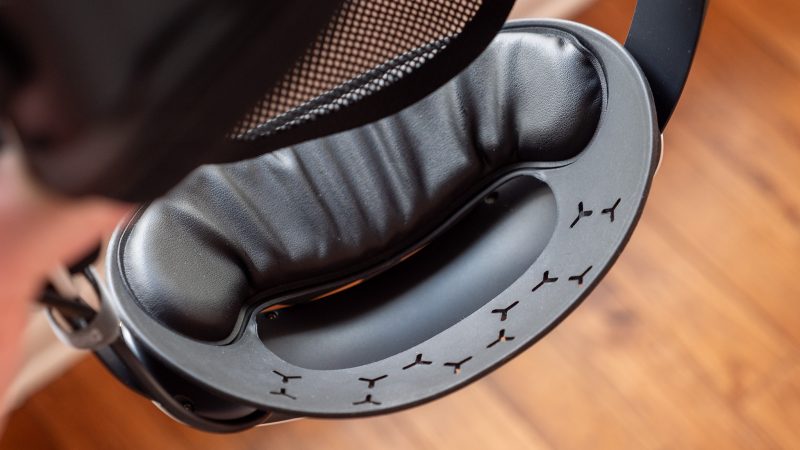
The shift toward magnetic, user-replaceable components indicates a broader trend in consumer electronics toward "modular longevity." By allowing users to replace the most wear-prone parts of the headset—the pads and the batteries—manufacturers are effectively extending the lifecycle of the primary hardware, the Quest 3, by preventing the degradation of the interfaces that touch the user’s skin.
Implications for the Future of VR Wearables
The success of these third-party accessories highlights a significant opportunity for Meta and other VR hardware developers to integrate similar features into future iterations of their headsets. The fact that users are willing to pay a premium for active cooling and extended battery life suggests that the next generation of standalone VR headsets will likely need to incorporate these features as native, out-of-the-box specifications rather than relying on the aftermarket to bridge the gap.
From an industry standpoint, the proliferation of these accessories has fostered a healthy ecosystem that keeps the VR market competitive. For the end user, the existence of companies like AMVR means that the "stock" experience is no longer the final experience. As these peripherals become more sophisticated, the line between a consumer-grade VR device and a professional-grade wearable continues to blur.
Conclusion and Broader Impact
The AMVR BS1 head strap, in conjunction with the FC4M face pad, provides a comprehensive solution for the most common mechanical and environmental issues facing Meta Quest 3 users. By balancing weight distribution, ensuring continuous power, and managing thermal buildup through active ventilation, the device enables a more sustained and hygienic VR experience.
While the market remains competitive, the decision to prioritize cooling technology distinguishes the BS1 from its contemporaries. As the demand for longer, more comfortable, and more hygienic VR sessions grows, the industry will likely continue to see a focus on these ergonomic refinements. For those currently utilizing the standard cloth strap provided by Meta, the transition to a specialized head strap is no longer a luxury, but a recommended upgrade for anyone seeking to maximize the utility of their virtual reality hardware. Through these advancements, the threshold for comfortable, long-term VR immersion continues to lower, effectively supporting the broader adoption of extended reality (XR) technologies in both the gaming and professional sectors.