The current state of the global technology sector is defined by a profound paradox. While innovation cycles have accelerated—marked by significant breakthroughs in generative artificial intelligence, breakthroughs in wearable health tracking, and the miniaturization of high-performance hardware—these advancements are increasingly tempered by a growing public debate regarding their societal impact. Consumers, regulators, and industry analysts are currently grappling with the question of whether modern technology is serving as a catalyst for human progress or acting as a source of digital fatigue.
The Current State of the Hardware Market
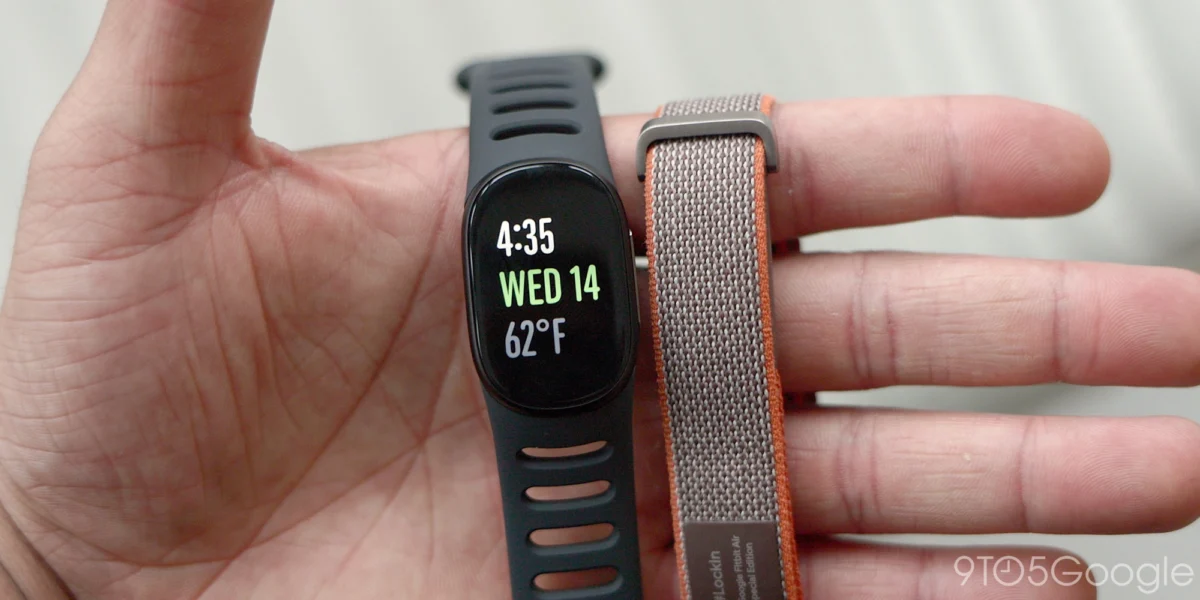
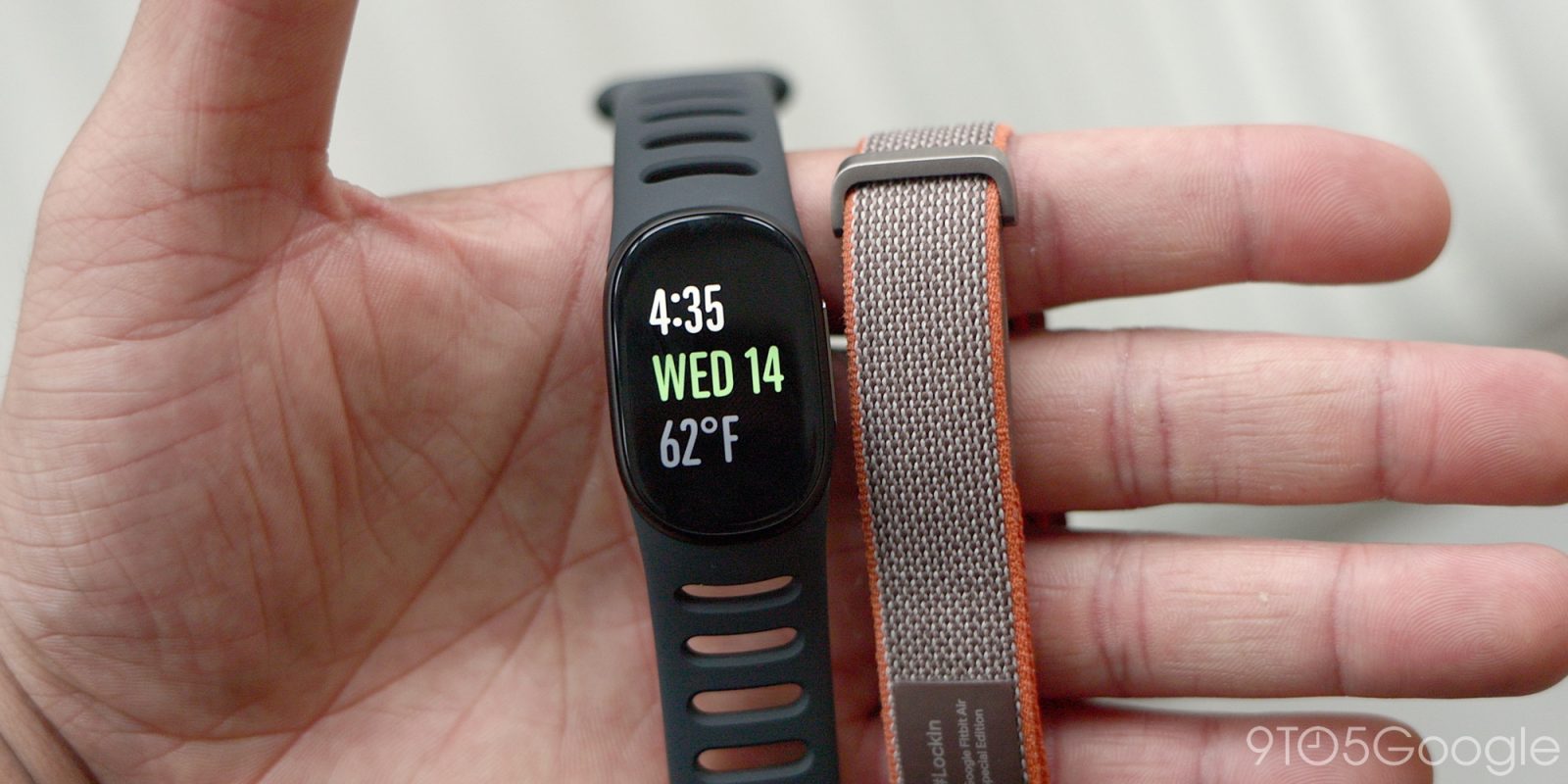
The consumer electronics market is currently witnessing a transition toward specialized devices. As seen in the evolving competition between fitness-focused ecosystems, such as the Fitbit Edge and the Fitbit Air series, manufacturers are moving away from general-purpose devices toward hardware that offers hyper-personalized data. This shift reflects a broader trend: the move from the "connected device" era to the "intelligent assistant" era.
Data from the International Data Corporation (IDC) indicates that the wearable device market continues to grow, yet consumer sentiment is shifting. Users are no longer satisfied with simple step-counting or notification mirroring. There is a documented demand for devices that contribute to "actionable health," providing insights into stress management, recovery, and metabolic health. However, as these devices capture increasingly intimate biometric data, the tension between utility and privacy has become the primary discourse in the tech industry.
Chronology of Modern Digital Fatigue
To understand the current "weird place" in tech, one must look at the timeline of the last five years, which has fundamentally altered the relationship between users and their devices:
- 2020–2021: The Acceleration of Connectivity. The global pandemic necessitated a forced migration to digital platforms for work, education, and social interaction. This period saw a massive spike in hardware sales and software dependency.
- 2022: The Arrival of Generative AI. The public release of large language models shifted the focus from hardware capability to software intelligence. This introduced a new layer of complexity, where users were suddenly tasked with managing AI-driven workflows.
- 2023: The Privacy and Ethics Reckoning. Legislative bodies, including the European Union with its AI Act, began formalizing frameworks to manage the rapid deployment of these tools, signaling that the "move fast and break things" era of Silicon Valley was facing a hard stop.
- 2024–2025: The Search for Equilibrium. The present moment is characterized by a "tech-cautious" consumer base. Manufacturers are pivoting toward "calm technology"—tools designed to minimize cognitive load rather than maximize screen time.
Supporting Data and Market Analysis
Current consumer surveys suggest a divergence in how different demographics perceive technology. According to recent reports from the Pew Research Center, while 78% of respondents believe technology has made their lives more convenient, 42% report feeling "overwhelmed" by the sheer number of digital notifications and the expectation of constant availability.
The hardware market reflects this. Sales data for "dumb phones" or minimalist devices—products designed to strip away the complex layers of social media and constant connectivity—have seen a modest but consistent uptick. This indicates a segment of the market that is actively opting out of the hyper-connected ecosystem. Conversely, high-end wearables continue to see revenue growth, provided they offer tangible improvements in health outcomes. The implication is clear: consumers are willing to embrace technology if it provides a clear, quantifiable benefit, but they are increasingly resistant to technology that exists merely to occupy their attention.
Official Responses and Industry Positioning
Industry leaders have begun to adjust their messaging in response to these trends. At recent developer conferences, major stakeholders—including representatives from Google, Apple, and Fitbit—have shifted their rhetoric toward "digital wellbeing" and "privacy-first" design.
A spokesperson for a major wearable manufacturer recently stated, "The goal for the next generation of hardware is to disappear. We want our sensors to provide the necessary data to improve user health without the device itself demanding the user’s time or focus." This sentiment represents a departure from the "engagement-first" model that dominated the industry for the previous decade, where the primary KPI (Key Performance Indicator) was daily active usage.
Broader Implications for Society
The implications of this shift are far-reaching. If the industry succeeds in moving toward "calm tech," we may see a reduction in the psychological stress associated with digital devices. However, this shift presents significant challenges for companies whose business models are predicated on advertising revenue and user engagement.

- Economic Shift: As users demand more privacy and fewer intrusive notifications, platforms will have to find new ways to monetize their services. This may lead to an increase in subscription-based models for hardware and software, moving away from data-harvesting strategies.
- Regulatory Pressure: Governments are unlikely to ease their oversight. The focus is shifting from competition law to "psychological safety." Legislators are beginning to examine the addictive design patterns inherent in modern app architecture, suggesting that the next wave of regulation will target user interface design, not just data handling.
- Human-Computer Interaction: We are likely to see a shift away from screen-based interfaces toward ambient computing. Voice commands, haptic feedback, and AR overlays that do not require full visual immersion represent the attempt to integrate technology into the background of life rather than the foreground.
Analyzing the Future of Technology
The "weirdness" mentioned by industry observers stems from the fact that we are currently in a transition period between two distinct technological eras. We have reached the limits of the smartphone as the primary interface for human interaction. The next phase—likely defined by sophisticated, AI-driven, and unobtrusive wearables—has not yet reached maturity.
This period of uncertainty is reflected in the current discourse surrounding AI. While the potential for productivity gains is massive, the fear of job displacement and the erosion of digital authenticity creates a friction that companies are struggling to manage. The success of the next generation of tech will not be measured by the raw processing power of a device, but by its ability to integrate into human life without disrupting it.
Conclusion: Finding Satisfaction in the Digital Age
Ultimately, the question of what technology makes a user "happy" is becoming increasingly personal. For some, it is the sophisticated data provided by a high-end wearable that helps them manage chronic health conditions. For others, it is the ability to disconnect entirely and utilize technology only as a tool for specific, discrete tasks.
As we move forward, the most successful companies will be those that prioritize user agency. The shift from "using technology" to "being assisted by technology" is the defining challenge of the current decade. If the industry can navigate the tension between innovation and ethical responsibility, the next decade may see a stabilization of our digital lives, potentially resolving the current state of unrest. The hardware, while important, will become secondary to the quality of the human experience it supports. As the industry continues to evolve, the focus must remain on the user’s ability to maintain control, privacy, and peace of mind in an increasingly automated world.