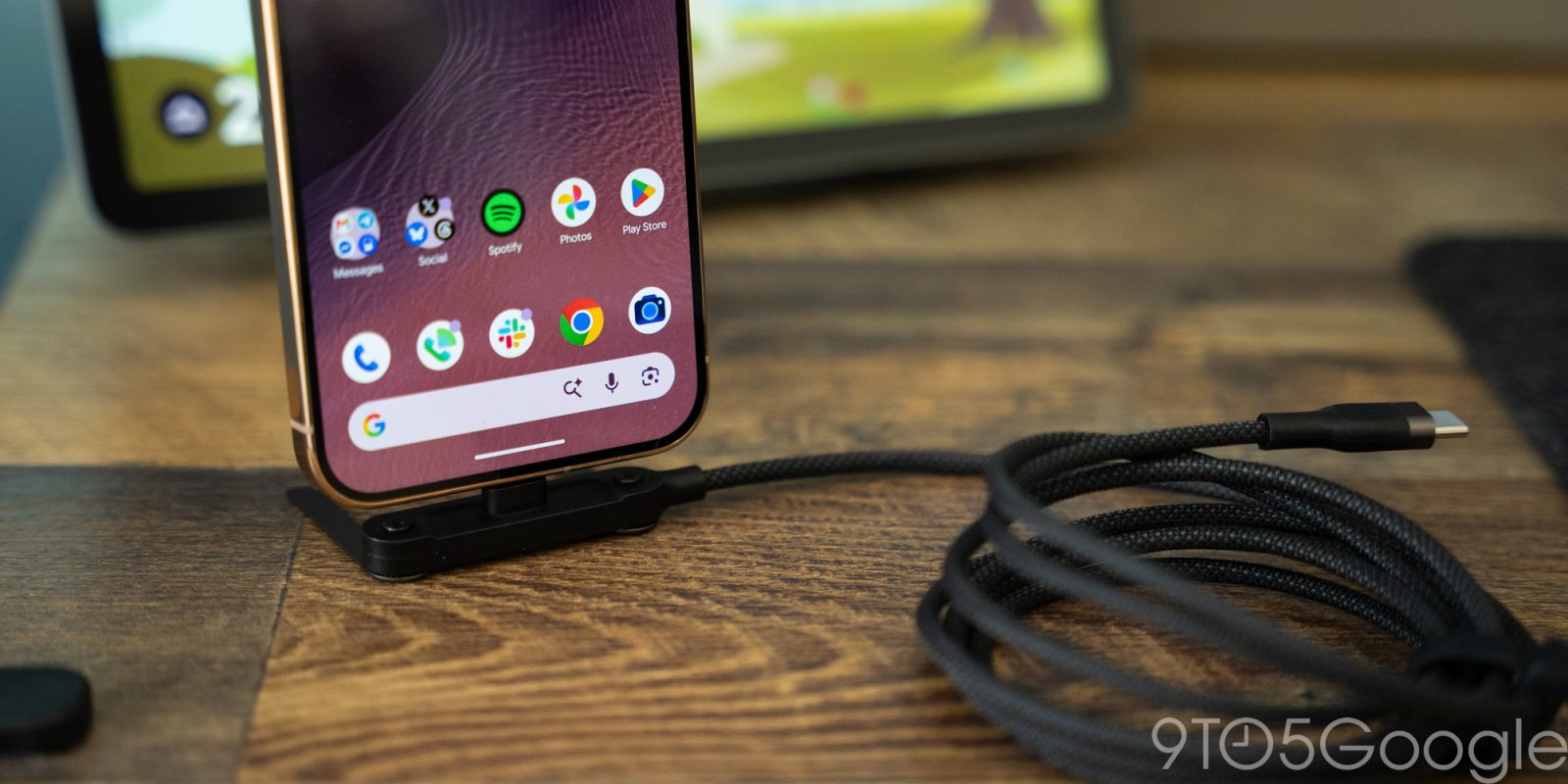
The evolution of mobile device accessories has consistently moved toward reducing physical clutter, a trend exemplified by the increasing popularity of magnetic wireless charging ecosystems. However, the portability of these charging solutions often remains a challenge for frequent travelers, who must weigh the benefits of convenient viewing stands against the added bulk and cost of secondary hardware. Addressing this friction point, Statik has introduced the PowerStand, a multifunctional USB-C cable that integrates a collapsible kickstand directly into the connector housing. This development represents a shift toward minimalist design, where the charging medium itself serves a dual purpose as a structural support system for smartphones.
Structural Innovation and Design Specifications
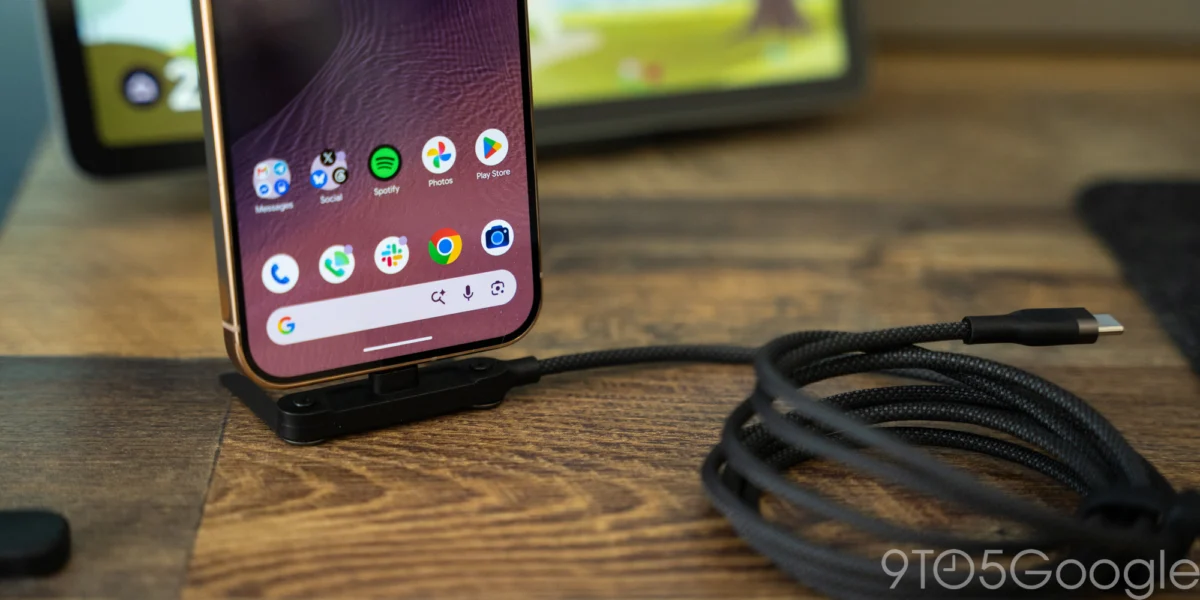
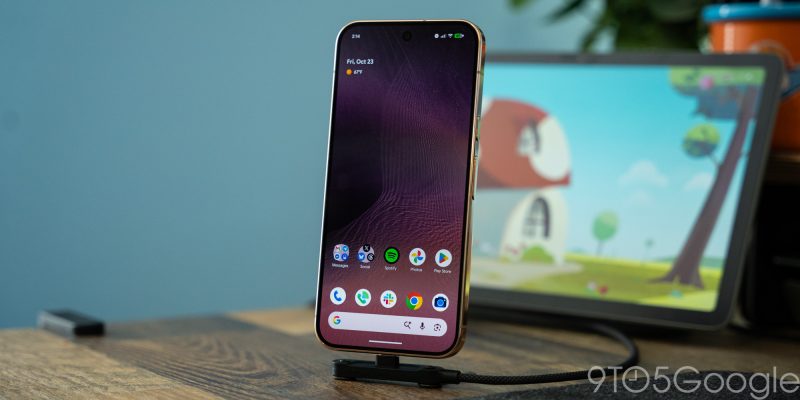
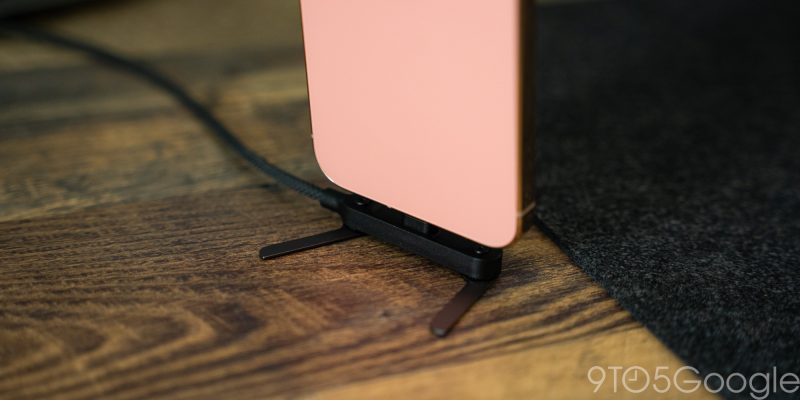
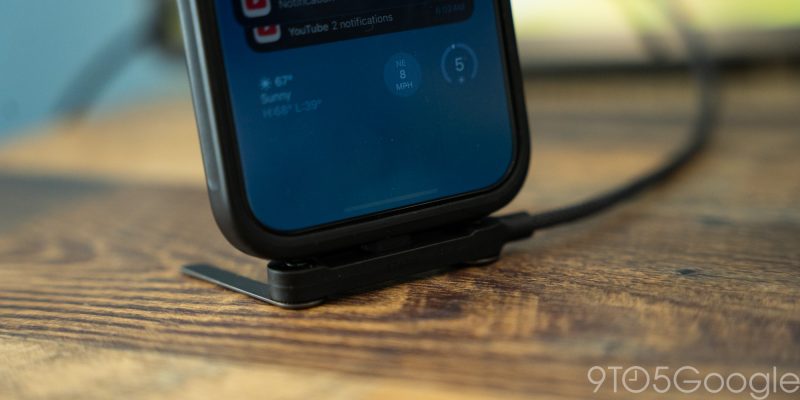
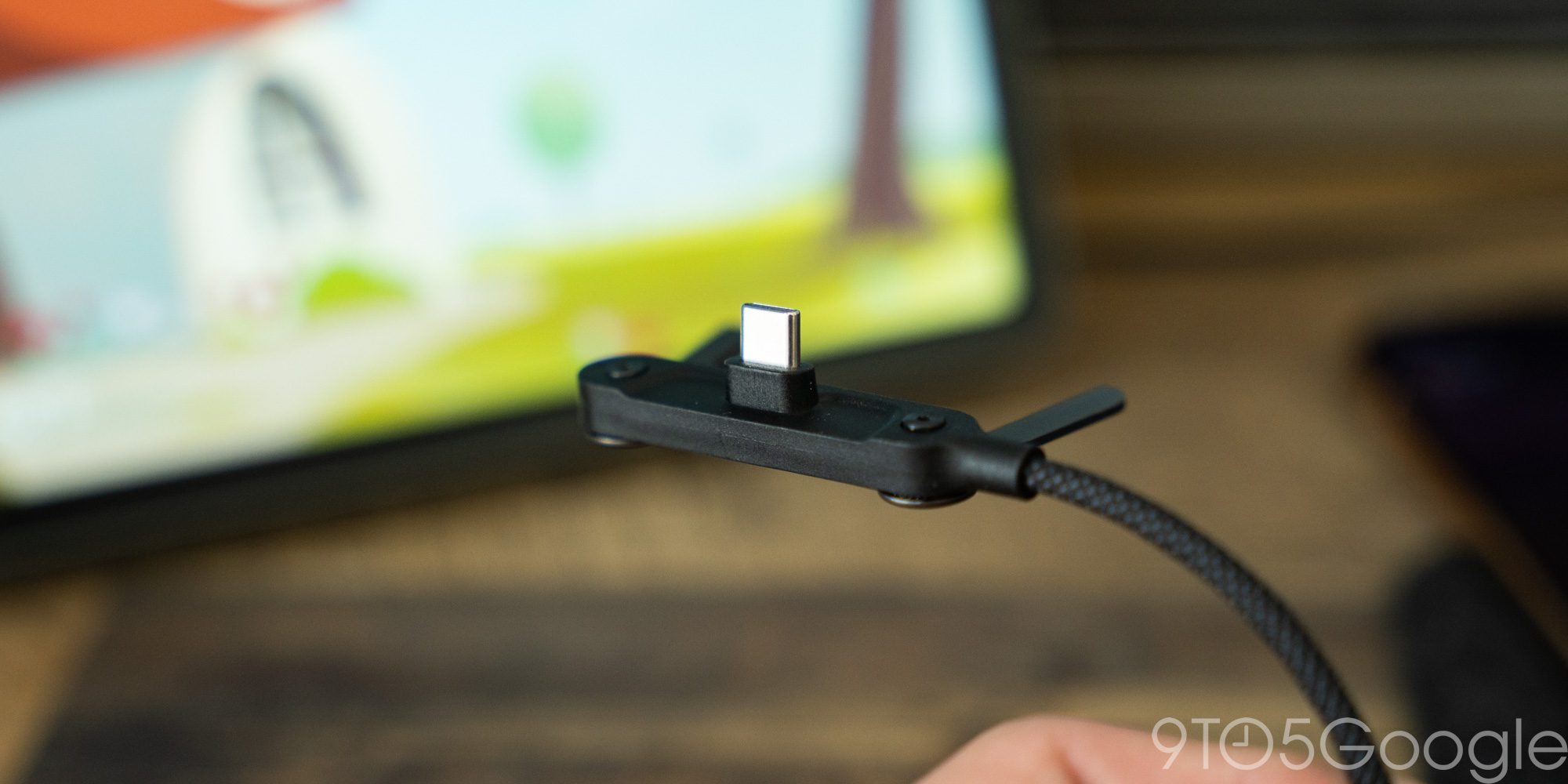
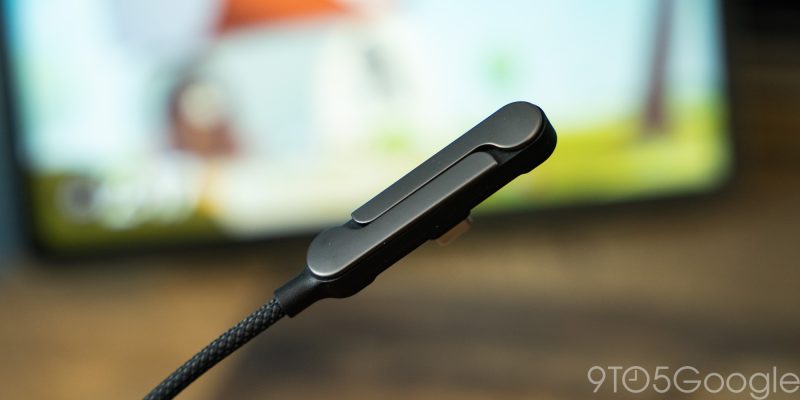
The Statik PowerStand functions as a high-capacity 240W charging cable, distinguishing itself through its unique physical architecture. While traditional cables are designed solely for power or data transmission, the PowerStand incorporates a right-angle USB-C connector mounted on a reinforced base. This base features two precision-engineered, foldable "feet" that can be deployed to support a smartphone in both portrait and landscape orientations.
From a technical standpoint, the cable is encased in a high-durability braided material, designed to withstand the wear associated with daily travel and frequent bending. It supports a 6.6-foot reach, providing sufficient length for various environments, including hotel rooms, airport lounges, or office desks where power outlets may be inconveniently positioned. Despite the added mechanical components, the device remains compatible with most modern protective cases, thanks to the slightly elevated nature of the connector base, which ensures a secure fit even when the phone is encased in thick, ruggedized shells.
Chronology of Mobile Charging Evolution
The history of mobile charging has progressed through several distinct phases, each responding to the shifting needs of the consumer. In the early 2010s, the industry standard was characterized by micro-USB cables, which were often fragile and non-reversible. The introduction of USB-C revolutionized this landscape, offering faster power delivery and a reversible design that reduced connector strain.
As smartphones evolved into primary media consumption devices, the demand for "viewing stands" grew. Initially, this demand was met by separate plastic stands, which added significant weight to travel kits. The emergence of Qi-standard wireless charging and Apple’s MagSafe technology in the early 2020s offered a reprieve, allowing for magnetic stands that could hold a phone upright. However, these systems often require proprietary chargers and lack the raw power transfer speed of a direct wired connection. The Statik PowerStand positions itself in the current market as a bridge between the high-speed, reliable power of a wired connection and the ergonomic utility of a dedicated stand.
Supporting Data and Market Context
The mobile accessory market is currently experiencing a period of intense growth. According to industry reports from 2025, the global mobile phone accessories market is projected to reach unprecedented valuations by 2030, driven largely by the proliferation of premium, high-drain devices like the Google Pixel 10 Pro and various iPhone iterations. Consumers are increasingly seeking "all-in-one" solutions that reduce the number of individual items carried in travel bags.
The PowerStand’s 240W rating is significant. While most current smartphones do not draw anywhere near 240 watts, this specification ensures that the cable is "future-proofed" for high-end laptops and tablets, such as the MacBook Pro or high-performance Windows ultrabooks. By utilizing USB 2.0 data transfer speeds, the device focuses its engineering budget on structural integrity and power delivery rather than high-speed data transfer, a trade-off that aligns with its primary use case: charging and media viewing.
Analysis of Manufacturer Strategy
Statik, a company that has gained industry attention for its "magnetically organizing" cables—which utilize embedded magnets to keep wires neatly coiled—is clearly focused on solving the "cable mess" problem. By releasing the PowerStand alongside the PowerPivot Pro, Statik is signaling a pivot toward modular and highly adaptable hardware.
The PowerPivot Pro, which features a rotating USB-C head, addresses a different, albeit related, issue: connector strain in tight spaces. For users who frequently utilize their devices while plugged in—such as drivers using Android Auto or Apple CarPlay—a static, protruding cable can be a point of failure. By allowing the cable to rotate, the PowerPivot Pro reduces torque on the phone’s charging port. While some users may argue that rotating mechanisms introduce potential failure points, Statik claims that its internal testing indicates these cables are 20 times more durable than standard off-the-shelf alternatives.
Broader Impact and Industry Implications
The introduction of such hybrid accessories has several implications for the future of consumer electronics:
- Space Optimization: As airlines and public transit spaces become more restrictive, the need for compact, multi-purpose travel gear is at an all-time high. The integration of a stand into a cable removes the need for a standalone, bulky accessory.
- Durability Standards: The focus on braided materials and reinforced joints suggests a shifting consumer preference toward "buy it for life" (BIFL) style products. Consumers are becoming more environmentally conscious, preferring to purchase one high-quality cable that serves multiple purposes rather than replacing cheap, fraying cables annually.
- Ergonomic Integration: The success of the PowerStand suggests that manufacturers are increasingly viewing the charging process not just as a utility, but as an opportunity for ergonomic enhancement. The ability to charge while watching content in a landscape orientation is a basic feature that, when integrated into a cable, provides a value-add that justifies the price point.
Market Positioning and Final Considerations
Retailing at approximately $20, the Statik PowerStand enters a competitive segment of the market. While generic cables can be purchased for a fraction of the cost, the value proposition here lies in the specialized engineering of the stand. For the professional traveler or the remote worker, the convenience of having a stable viewing platform integrated into their primary charging cable provides a tangible improvement to their workflow.
Furthermore, the consistency in build quality across the Statik product line—ranging from their magnetic organizers to the rotating PowerPivot Pro—establishes a brand identity centered on reliability. While individual user experiences may vary based on the specific thickness of their phone cases or the depth of their charging ports, the general consensus among tech reviewers points toward a well-balanced, functional piece of hardware that effectively solves the common problem of holding a device upright while charging on the go.
As the industry moves toward standardized, high-wattage USB-C delivery, the role of the cable is becoming more complex. It is no longer just a conduit for electricity; it is becoming a piece of mechanical infrastructure that supports the device it powers. If the market continues to embrace this design philosophy, we can expect to see further innovations that blend structural support with power delivery, effectively turning every charging point into a temporary, ergonomic workstation. Whether for the casual user or the power-user, the Statik PowerStand provides a compelling case for the necessity of thoughtful, multi-functional design in the modern mobile landscape.