The evolution of digital publishing has necessitated a shift from static, text-heavy content to immersive, visual-first storytelling. For the millions of WordPress users managing blogs, the challenge often lies in presenting high-resolution imagery without compromising site speed, mobile responsiveness, or user experience. While WordPress provides a native block-based gallery function, professional publishers and creative professionals frequently find these tools insufficient for advanced requirements such as e-commerce integration, social media synchronization, and complex grid layouts. Consequently, the third-party gallery plugin ecosystem has expanded to address these technical gaps, providing a diverse array of solutions tailored to specific user profiles.

Historical Context and the Rise of Visual Content Management
In the early 2010s, the introduction of image-centric platforms like Instagram drastically altered user expectations regarding how photographs should be displayed. Bloggers, particularly in the food, travel, and lifestyle sectors, faced a crisis of engagement as their high-quality images failed to perform in standard, linear blog layouts. The technical requirement for "responsive design"—the ability of a webpage to adapt its layout to various screen sizes—became the primary driver for the gallery plugin industry. By 2015, developers began prioritizing drag-and-drop interfaces and lightbox functionality to mimic the fluid, professional aesthetic of dedicated photography portfolios.
Data-Driven Performance Requirements
For modern web developers, the primary concern is the balance between visual fidelity and site performance. According to recent web vitals metrics, images account for approximately 50% of the average webpage’s total weight. Consequently, a superior gallery plugin must incorporate automated image optimization, lazy loading (a technique that delays the loading of images until they enter the user’s viewport), and adaptive sizing. Plugins that fail to implement these features often result in high bounce rates, as slow-loading galleries negatively impact Core Web Vitals—a key metric used by search engines to rank website performance.

Comparative Analysis of Leading Gallery Solutions
Envira Gallery: The Performance-Centric Standard
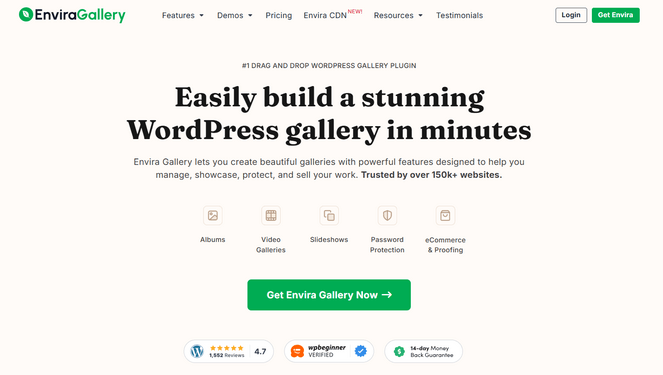
Envira Gallery has established itself as the industry benchmark for users requiring a balance of power and simplicity. Its architecture is built around a lean codebase that prioritizes performance. Data suggests that Envira’s modular approach allows users to load only the features they require, significantly reducing the "bloat" often associated with multifunctional plugins. Its inclusion of drag-and-drop builders and pre-built templates provides a bridge between amateur bloggers and professional developers.

NextGEN Gallery: The Professional E-Commerce Ecosystem
For photographers, the requirements extend beyond display to monetization. NextGEN Gallery operates as an end-to-end management suite. Its significance in the market stems from its integration with automated print fulfillment services. By allowing users to upload high-resolution files and delegate the printing, shipping, and tax calculation processes to third-party labs, NextGEN effectively turns a standard WordPress blog into a scalable business storefront. This shift reflects a broader trend of "professionalization" within the blogging community, where content creators are increasingly bypassing external marketplaces to host their own commercial infrastructure.
Smash Balloon: Bridging Social Media and Site Content
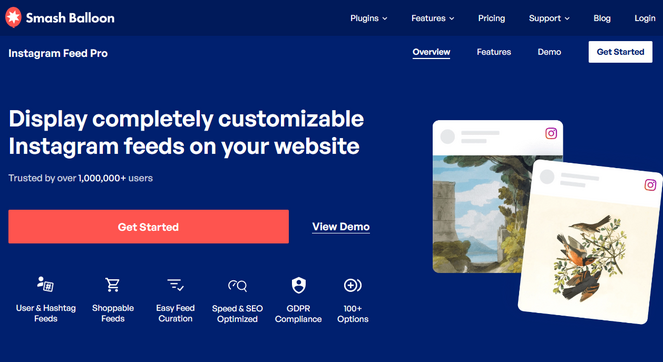
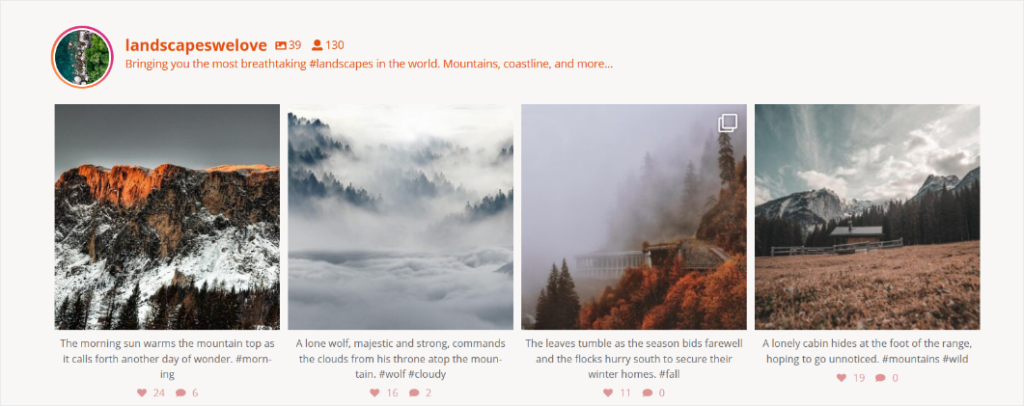
The integration of social media feeds into WordPress sites has become a critical marketing strategy. Smash Balloon’s Instagram Feed Pro serves as a synchronization tool that eliminates the need for manual image uploads. By pulling content directly from an Instagram API, the plugin ensures that a website remains dynamic without requiring the administrator to perform redundant work. This automated updating process has become a standard requirement for brands seeking to maintain a cohesive visual identity across both social and proprietary platforms.
Soliloquy, Modula, and FooGallery: Niche Specializations
The market for gallery plugins also supports specialized tools for specific user needs:
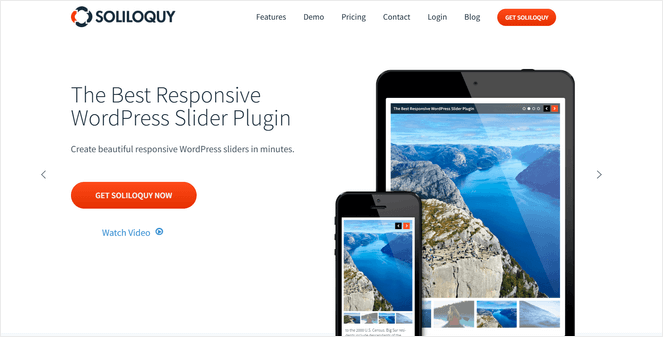
- Soliloquy focuses on the "slider" and "carousel" formats. Its strength lies in its ability to handle dynamic content—automatically creating a slider from the latest posts or custom post types.
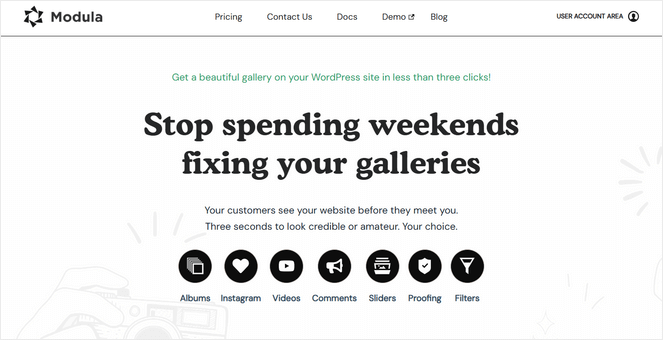
- Modula caters to users prioritizing artistic control. Its unique "custom grid" builder allows for manual resizing of individual images within a mosaic, providing a level of granular design control rarely seen in automated plugins.
- FooGallery is favored by developers for its lightweight footprint and the inclusion of a real-time "live preview" editor, which reduces the development cycle time for theme designers.
The Role of Free-Tiered Accessibility
A notable aspect of the WordPress plugin economy is the "Freemium" model. Plugins such as Photo Gallery by 10Web have captured a significant market share by offering robust, feature-rich free versions that include watermarking and basic lightbox functionality. This lowers the barrier to entry for novice bloggers, allowing them to scale their visual presentation without immediate capital expenditure.
Implications for Future Web Design
The reliance on specialized gallery plugins highlights a fundamental change in how WordPress is perceived. It is no longer viewed merely as a blogging platform but as a modular operating system for media management. As high-definition video and interactive, 3D-ready images become more prevalent, the next generation of gallery plugins will likely focus on WebGL integration and advanced AI-driven image tagging.

Expert Summary and Strategic Selection
When evaluating which gallery plugin to deploy, administrators must consider three critical variables:
- Monetization Requirements: If the objective is to sell prints or digital assets, plugins with native e-commerce and payment gateway integration, such as NextGEN, are mandatory.
- Frequency of Updates: If the site relies on social media engagement, automated feed plugins like Smash Balloon provide the highest return on time invested.
- Performance Constraints: For high-traffic blogs where page speed is a primary search engine optimization factor, selecting a lightweight, performance-optimized plugin like Envira or FooGallery is essential.
The current landscape of WordPress gallery plugins is characterized by high levels of interoperability and a focus on user experience. While the default WordPress gallery remains a functional entry point, the sophisticated needs of modern content creators—ranging from automated e-commerce to social media synchronization—ensure that the market for these specialized tools will continue to evolve. By selecting a plugin that aligns with specific business goals rather than choosing based on feature volume alone, publishers can effectively transform their WordPress environment into a high-performance visual asset. As the internet moves toward an increasingly visual paradigm, these tools will remain the foundational infrastructure for professional digital storytelling.