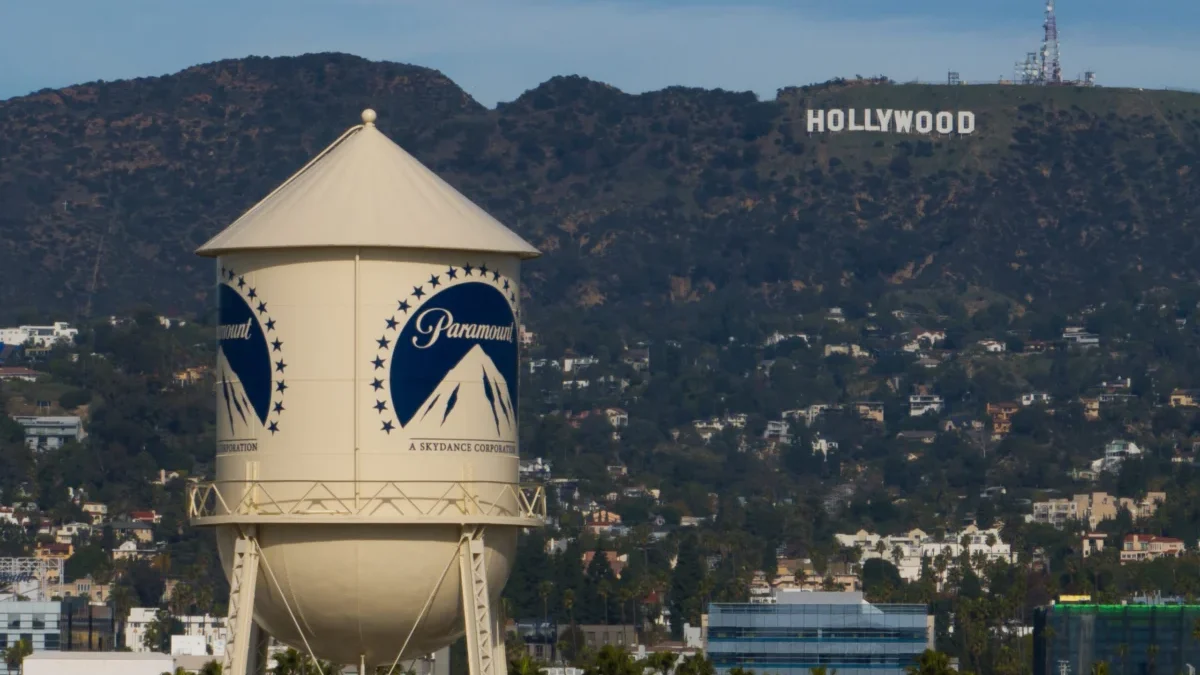
The landscape of the American entertainment industry is poised for its most significant transformation in decades following a pivotal agreement reached this past Monday. Paramount, the storied media giant, successfully navigated the final regulatory roadblock to its proposed $81 billion acquisition of Warner Bros. Discovery by settling an extensive antitrust lawsuit brought forth by a coalition of 12 states. While the settlement—which still awaits final judicial approval—provides a pathway for the deal to proceed, it introduces a complex framework of operational mandates, investment requirements, and labor protections that will define the new entity’s trajectory for at least the next half-decade.
The resolution of this litigation marks the culmination of months of intense legal scrutiny. State attorneys general had initially argued that the merger would create an anti-competitive behemoth, potentially stifling innovation, diminishing output, and ultimately burdening the average consumer with higher subscription and theatrical ticket prices. By agreeing to the settlement terms, Paramount has opted to trade certain operational autonomies for the regulatory clearance necessary to close what is arguably the most ambitious media acquisition of the modern era.
A Chronology of the Mega-Merger
The road to this $81 billion deal has been marked by volatility, corporate maneuvering, and shifting market dynamics. The genesis of the transaction lies in the broader industry trend toward consolidation, driven by the intense competition between traditional media houses and technology-forward streaming services.
In early 2024, rumors began to swirl regarding Paramount’s search for a strategic partner to help mitigate the massive capital expenditures required to compete in the digital age. By mid-year, the Skydance-backed bid led by David Ellison emerged as the frontrunner, setting the stage for the acquisition of Warner Bros. Discovery. However, as the proposal gained momentum, it drew the immediate ire of state regulators.
By late 2024, 12 states—led by various attorneys general—filed a consolidated antitrust lawsuit. Their argument was rooted in the potential for monopolistic behavior, specifically regarding the control of broadcast networks, cable assets, and film production pipelines. Throughout the fall and winter, the parties engaged in closed-door negotiations, attempting to balance the commercial goals of the merging entities against the public interest mandates sought by the state authorities. Monday’s announcement serves as the definitive bridge between the contentious filing of that lawsuit and the pending finalization of the merger agreement.
The Financial and Operational Mandates
Under the terms of the settlement, the combined entity must adhere to a stringent set of guidelines designed to ensure that the merger does not lead to a hollowed-out production capacity.
Paramount has committed to a five-year, $1.5 billion investment plan specifically earmarked for domestic film production. Currently, industry data indicates that only approximately 5% of Paramount’s total production output is based within the United States. The settlement forces a dramatic pivot in this strategy, requiring the company to scale up its domestic footprint significantly. Beyond the core $1.5 billion, the studio has pledged a $25 million independent film acquisition fund, aimed at fostering a more diverse cinematic ecosystem.
The production volume itself is strictly codified. For the first two years of the post-merger era, the studio is mandated to produce at least 30 feature films annually. This requirement increases to 32 films per year for the subsequent three years. The agreement also sets a "floor" for independent film releases, requiring a minimum of four such projects per year.
Crucially, these mandates are not merely aspirational; they are backed by high-stakes penalties. Should Paramount fail to meet these production quotas, the settlement triggers a "hammer clause" that would force the divestiture of the prestigious Miramax Studios and mandate a $30 million payment into union-backed health care and retirement funds. This serves as a significant deterrent against the company scaling back on content creation to prioritize short-term profit margins.
Workforce Protections and Structural Changes
One of the primary concerns raised by labor unions and state regulators throughout the acquisition process was the impact on the industry’s workforce. Paramount has previously acknowledged that it aims to realize roughly $6 billion in cost synergies, a target that typically necessitates significant workforce reductions due to the elimination of "duplicative operations."
To mitigate the fallout from these inevitable layoffs, the settlement establishes a $47.5 million workforce transition fund. This pool of capital is dedicated to the retraining, career counseling, and professional development of staff displaced by the merger. Furthermore, Paramount has committed to maintaining existing collective bargaining agreements, ensuring that the transition does not undermine the hard-won protections of writers, actors, and production crew members.
In a move to preserve journalistic integrity, the agreement also mandates the creation of an independent board tasked with overseeing the editorial independence of CNN and CBS. This structure is intended to prevent the potential for consolidated corporate influence over news coverage, a concern that had been voiced by critics of the merger since the deal was first proposed.
Industry Implications and Consumer Sentiment
While the settlement satisfies the legal requirements of the 12 states, analysts remain divided on the long-term implications for the broader media ecosystem. The primary concern among market observers is the erosion of competition. When two of the largest players in the industry combine, the resulting entity gains unprecedented leverage in negotiations with theater chains, advertising agencies, and streaming distributors.
"Where I’m looking at this is through the consumer’s point of view and resoundingly consumers are concerned about price hikes and they are preparing for price hikes," says Mike Proulx, research director at Forrester. "They care less about the theatrical releases and some of the other industry terms. What they care about is how this is going to hit their wallets."
Proulx’s assessment highlights a disconnect between the regulatory focus on production volume and the consumer focus on price. Historically, periods of media consolidation have led to higher subscription fees for cable and streaming services, as the merged entity seeks to recoup the massive acquisition premiums paid during the deal phase. While the settlement mandates that Paramount must hold separate negotiations for basic cable channels under the Paramount and Warner Bros. brands for five years, there is little to prevent the new conglomerate from bundling these services in a way that limits consumer choice and effectively raises prices.
The Path Forward
The finalization of this merger will undoubtedly reshape the entertainment industry’s competitive map. The combination of Paramount’s storied library and Warner Bros. Discovery’s expansive cable and news assets creates a powerhouse that will dwarf many of its remaining competitors.
However, the success of the deal will not be measured solely by the stock price or the efficiency of the integration. It will be judged by the company’s ability to meet its production targets, the stability it provides to its workforce, and whether it can maintain the promised editorial independence of its news divisions. As the judicial approval process begins, all eyes will be on Paramount leadership—specifically CEO David Ellison—to see if they can execute this ambitious vision without alienating the very audience they rely on for survival.
The agreement reached this week is a rare example of a "managed merger," where the state has intervened to dictate not just the terms of the sale, but the very behavior of the resulting company. Whether this becomes a blueprint for future antitrust enforcement in the tech and media sectors remains to be seen, but for now, the Paramount-Warner Bros. Discovery deal stands as a monumental case study in the modern struggle between corporate scale and the public interest.