The geopolitical landscape of the Middle East has shifted dramatically following the implementation of a rigorous U.S.-led naval blockade aimed at neutralizing Iranian military and economic capabilities. With the Strait of Hormuz—a vital maritime chokepoint through which approximately 20% of the world’s petroleum consumption passes—effectively under U.S. Central Command (CENTCOM) control, Tehran finds itself increasingly isolated from global markets. The resulting strangulation of Iran’s maritime trade, which previously accounted for over 80% of its total trade tonnage, has forced the Islamic Republic into a desperate and inefficient pivot toward land-based logistics that experts suggest is unsustainable.
A Chronology of the Conflict and the Blockade
The current crisis follows a rapid escalation in regional hostilities that began earlier this year. As tensions reached a breaking point, the U.S. military initiated a strategic campaign to secure international shipping lanes against persistent Iranian interference, including drone and missile threats directed at commercial vessels.
By mid-year, the U.S. Navy and its coalition partners had established a "hardened" maritime perimeter. CENTCOM’s recent operations have focused on the redirection of vessels to ensure compliance with international sanctions and the blockade parameters. According to the latest reports, 109 commercial vessels were intercepted and redirected by U.S. forces in a single weekend. This maritime interdiction has effectively severed Iran’s primary economic artery, leading to the current state of industrial paralysis.
The Illusion of Land-Based Relief
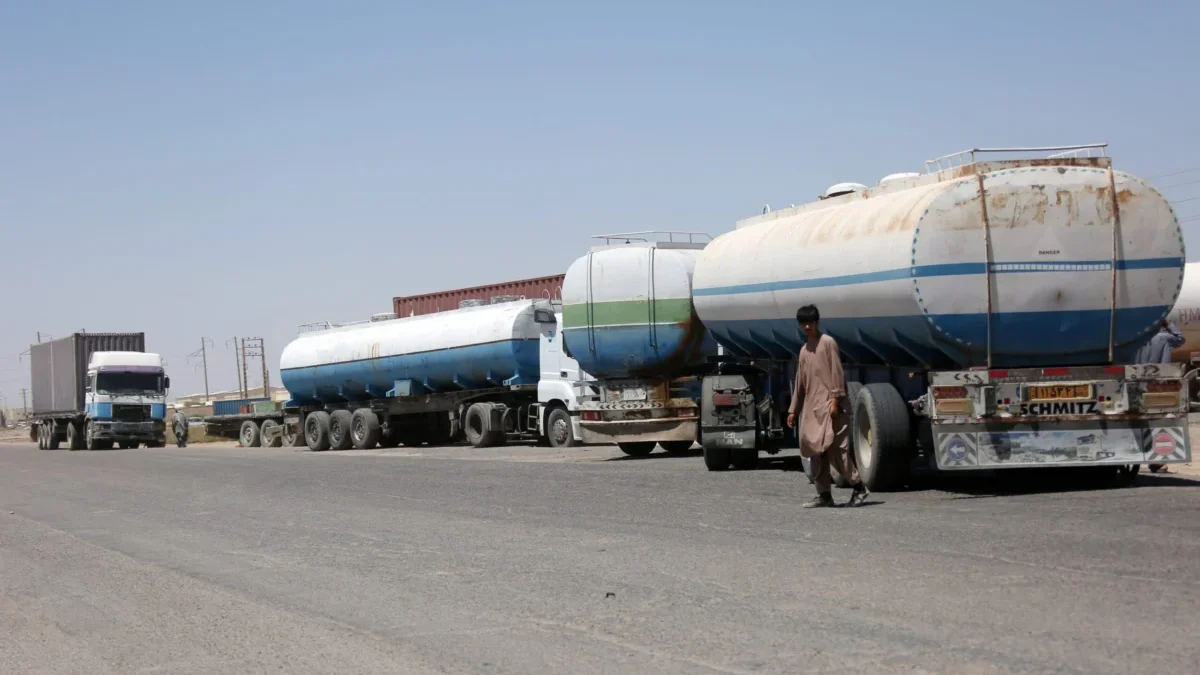
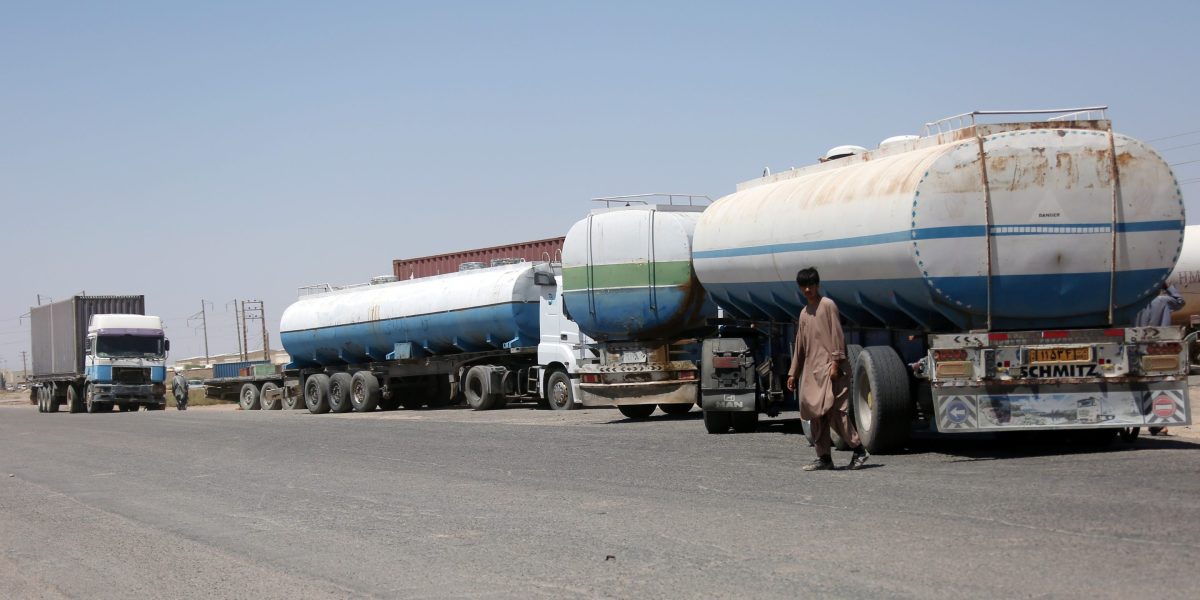
In an attempt to bypass the naval seal, Tehran has turned to its land borders, flooding transit routes with truck convoys bound for Turkey, Pakistan, Afghanistan, Iraq, and Turkmenistan. While trade volume with these neighbors has seen an uptick—notably a 19% increase in trade with Turkey, amounting to $3.2 billion in the first half of the year—this shift has proven to be a logistical catastrophe.
The infrastructure of these border crossings was never designed for the massive influx of cargo now forced upon them. Bureaucratic bottlenecks, combined with a lack of adequate warehousing and aging road systems, have resulted in unprecedented traffic congestion. At the Turkish border, reports indicate that up to 3,700 trucks have been stranded at a time, with drivers facing wait times exceeding three weeks.
The human and economic cost of these delays is severe. Perishable goods, including essential food supplies, are frequently lost to spoilage while waiting for customs clearance. For a nation already grappling with inflation rates nearing 90%, the added costs of land transportation are pushing basic goods further out of reach for the average citizen. Industry experts note that the logistical burden is not merely a temporary inconvenience; it is a fundamental shift in the cost of doing business. Majidreza Hariri, head of the Iran-China Joint Chamber of Commerce, recently highlighted that transporting a single container via sea costs roughly $3,000. Under the current land-locked reality, that same transit is costing upwards of $12,000.
Analytical Overview of Economic Contraction
The data provided by Iranian customs underscores the severity of the situation. In the five-month period ending August 22, non-oil exports plummeted by 28% compared to the previous year, falling to $15 billion, while imports dropped by 26% to $17 billion.
The most acute impact is being felt in the fuel sector. Iran, despite its vast oil reserves, possesses limited refining capacity and is heavily dependent on imported gasoline to meet domestic demand. The blockade has caused a critical supply shortage, forcing the government to implement drastic price hikes to curb consumption. This strategy, while necessary to extend existing supplies, has further inflamed public discontent and placed additional pressure on an already fragile economy.
Furthermore, the lack of robust rail infrastructure, particularly at the border with Turkmenistan, has exacerbated the inability to move bulk goods. Without the efficiency of maritime transport, Iranian industry is experiencing a systemic slowdown. As one member of the Iranian Chamber of Commerce admitted to international media, there is little alternative but to find a path toward restoring trade through the Gulf, as the land corridors are functionally incapable of supporting the nation’s import requirements.
Official Responses and Military Stance
The U.S. military, meanwhile, has doubled down on its commitment to maintaining the flow of global commerce. Admiral Brad Cooper, head of U.S. Central Command, confirmed that the U.S. has successfully facilitated the transit of over one billion barrels of oil through the Strait of Hormuz in the last two months alone, providing security for more than 2,000 commercial vessels.
"The primary transit lanes are now cleared of mines, and the volume of crude oil, cargo, and liquid natural gas over the past two weeks is the highest we have seen in six months," Admiral Cooper stated. He underscored the efficacy of the blockade with a stark figure: "Iran has exported zero barrels thanks to our ironclad blockade."
While President Donald Trump has framed the economic pressure as a necessary tool to force a resolution to the conflict, the political calculus remains complex. Supreme Leader Ayatollah Mojtaba Khamenei has publicly signaled anxiety regarding the state of the economy, yet analysts remain divided on whether this pressure will lead to a change in policy or merely an intensification of state repression.
Broader Implications and Long-Term Outlook
The long-term implications of this economic siege are profound. Should the current trajectory continue, the Iranian economy faces what many economists describe as a "grinding halt." The disparity between the economic reality of the Persian Gulf neighbors—who are seeing increased throughput of oil—and the isolation of Iran creates a stark economic divergence that will likely deepen as the blockade persists.
For the international community, the security of the Strait of Hormuz remains a paramount concern. The successful clearing of the strait has stabilized global oil prices to an extent, preventing the worst-case scenarios of energy market volatility that were predicted at the start of the war. However, the humanitarian and domestic fallout within Iran continues to escalate.
Observers warn that relying on land routes provides, at best, a short-term survival mechanism. It does not replace the scale or cost-efficiency of maritime trade. As long as the U.S. maintains its naval presence and the blockade holds, Iran’s industrial sector, domestic supply chains, and fiscal stability will continue to erode.
The regime in Tehran is now faced with a fundamental dilemma: continue to endure a worsening economic collapse in hopes that the U.S. public’s tolerance for the costs of conflict wanes, or seek a diplomatic off-ramp that requires significant concessions on its regional military posture. Given the current administration’s stance and the military success of the blockade, there is little indication that the pressure will be relaxed in the near term. As the backlog of trucks continues to grow at border crossings and inflation continues to erode the purchasing power of the Iranian rial, the country moves closer to an inflection point that could redefine its role in the region for years to come.
In conclusion, the situation remains a high-stakes standoff. The U.S. military’s ability to secure the Strait of Hormuz has essentially turned the geography of the Persian Gulf against Iran, transforming the country’s greatest resource—its oil—into a trapped asset. With the land routes failing to provide a viable substitute for maritime commerce, the economic isolation of the nation appears to be reaching a critical threshold. Whether this leads to a shift in Tehran’s strategic calculations remains the defining question of the current geopolitical climate.