
Global ecommerce sales are projected to reach $5.5 trillion worldwide, underscoring the rapid, sustained expansion of digital retail. While traditional online storefronts hosted on platforms like Shopify and WooCommerce continue to drive immense revenue, a parallel paradigm shift is fundamentally altering how digital consumers discover, evaluate, and purchase products. This evolution is characterized by the convergence of social media engagement and transactional capability, a retail methodology known globally as social commerce.
Unlike traditional ecommerce—which typically requires a consumer to transition from a social media advertisement to an external browser, navigate an independent web page, and build a digital shopping cart—social commerce enables end-to-end transactions entirely within a social network application. As major technology conglomerates invest heavily in native checkout infrastructure, digital platforms are evolving from simple product discovery engines into comprehensive virtual shopping malls.

Defining Social Commerce: Eliminating Retail Friction
To understand the mechanics of social commerce, industry analysts often contrast it with related digital marketing terms. Traditional ecommerce refers broadly to buying and selling goods via dedicated online stores or branded applications. Social selling, conversely, involves building professional relationships and nurturing leads through social networks without immediate in-app financial conversion.
Social commerce bridges the gap by compressing the sales funnel. For instance, a user scrolling through an Instagram feed may encounter an advertisement for apparel featuring an embedded "Shop Now" prompt. Selecting the button adds the item to an in-app cart, processes payment information, and finalizes the transaction without redirecting the user to an external domain. Similarly, a consumer watching a product recommendation on TikTok can execute a purchase instantly, resuming video playback without disruption.

This frictionless user journey significantly mitigates cart abandonment rates, a persistent challenge for digital merchants operating traditional web storefronts. By removing mandatory external navigation, account creation forms, and multi-page checkout sequences, brands can capture impulse purchases more effectively.
Strategic Advantages: Why Retailers Are Adopting Social Commerce
Market analysts have identified five primary drivers compelling businesses to integrate social commerce into their overarching multichannel sales strategies:

Enhanced Interactivity and Community Engagement
Social commerce mirrors the social dynamics of physical retail environments. Consumers can review products, leave public comments, solicit peer feedback by tagging friends in comment threads, and engage directly with brand representatives. This interactive layer builds brand loyalty and trust in ways static web pages rarely achieve.
Strong Demographic Alignment with Gen Z and Millennials
Younger consumer cohorts exhibit a pronounced preference for discovery-driven purchasing. Data compiled by Statista indicates that 62 percent of United States consumers aged 18 to 34 have completed a purchase directly influenced by branded social media posts or influencer content. Retailers targeting these demographics find native social checkouts to be a highly efficient acquisition channel.
Frictionless Transaction Architecture
By eliminating drop-off points inherent to traditional web-based funnels—such as slow-loading landing pages and complex multi-step forms—social commerce maximizes conversion efficiency. The streamlined path from initial impression to completed payment drastically reduces transactional friction.
Built-In Focus Group Dynamics
Social platforms inherently function as continuous, organic market research environments. Brands utilizing social commerce receive immediate consumer feedback through comments, direct messages, and engagement metrics. This data provides actionable insights for product iteration, inventory management, and developmental ideation at virtually zero additional cost.
Advanced Audience Targeting Capabilities
Social media networks possess granular behavioral and demographic user data. This informational depth allows advertisers to deploy precision targeting strategies, placing transactional inventory directly in front of highly qualified audiences actively signaling purchase intent.
Ecosystem Landscape: Key Platforms Driving the Market

Major technology platforms have established dedicated infrastructure to support social commerce, each offering distinct features tailored to specific audience behaviors.
Facebook Shops
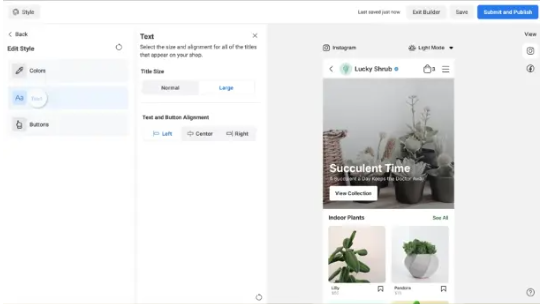
Launched by Meta, Facebook Shops allow businesses to build customizable, free storefronts accessible via Facebook Business Pages, Instagram profiles, Stories, and targeted ads. Merchants can import existing product catalogs directly from major ecommerce platforms via partner integrations or manually upload inventory via spreadsheets. To manage high volumes of customer inquiries regarding shipping and product specifications, businesses frequently integrate artificial intelligence conversational tools, such as Hootsuite’s Heyday chatbot, to automate up to 80 percent of routine customer service interactions on Messenger.
Instagram Shopping
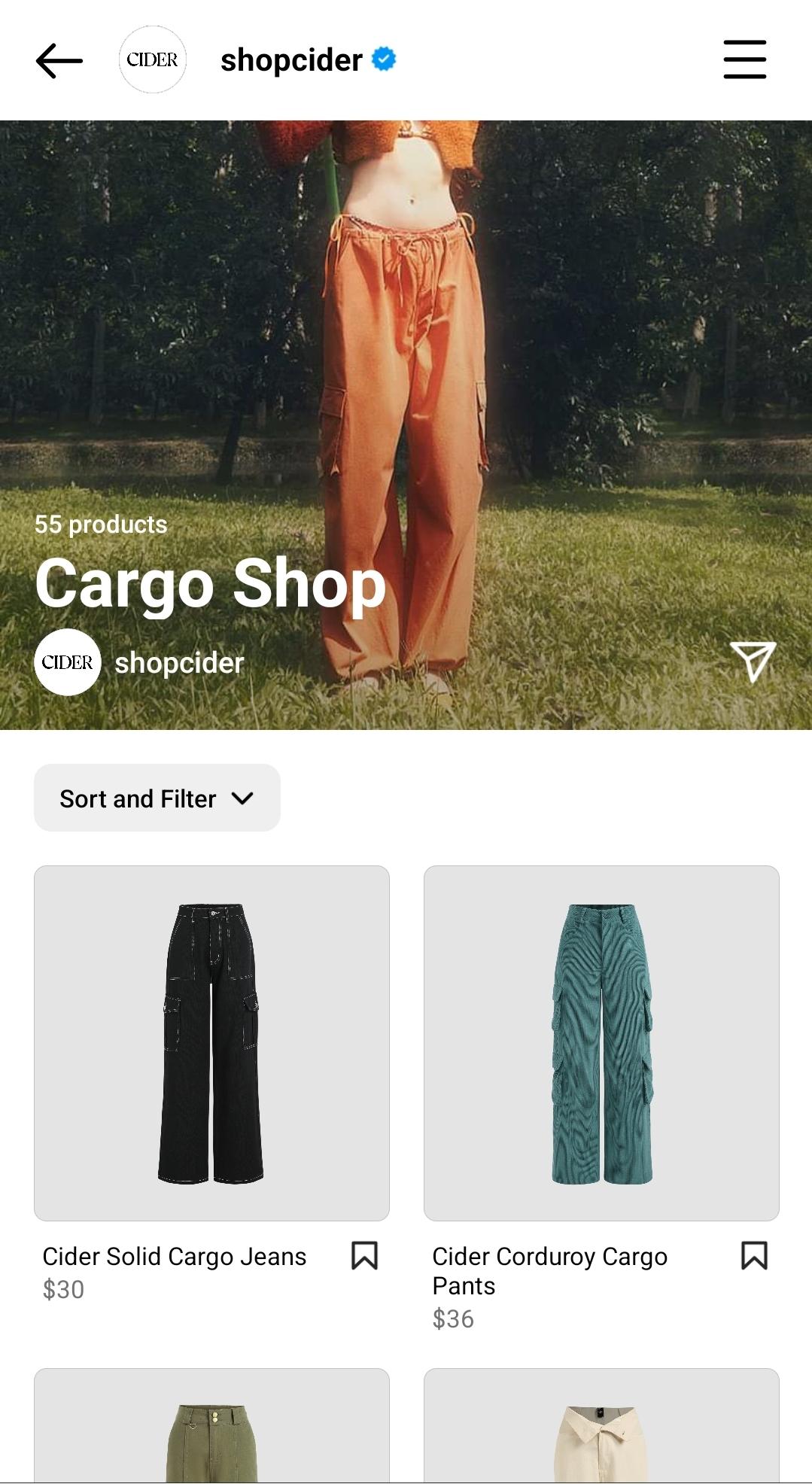
Integrating closely with Facebook’s backend infrastructure, Instagram Shopping enables users to purchase tagged products featured across standard grid posts, Stories, Reels, and direct messages. The introduction of in-chat purchasing capabilities via Meta’s messaging infrastructure further streamlines the buyer journey, allowing consumers to complete secure transactions without leaving chat threads.
Pinterest Product Pins
Pinterest has long functioned as a visual search engine, with 89 percent of its user base utilizing the platform for purchase inspiration. Through Product Pins, U.S.-based users can complete transactions directly within the app using integrated "Buy" buttons. International users are redirected to merchants’ primary ecommerce sites, maintaining Pinterest’s utility as a top-of-funnel discovery engine.
TikTok Shop
TikTok has profoundly impacted global consumer culture, evidenced by the viral hashtag #TikTokMadeMeBuyIt, which has accumulated billions of views. TikTok Shop allows creators and brands to sell products through livestreams, shoppable short-form videos, and dedicated profile product showcases. Although platform expansion strategies continue to evolve regionally, TikTok Shop remains a dominant revenue driver in established Asian and European markets.
Best Practices for Optimizing Social Commerce Performance

Deploying a social storefront requires ongoing active management to maximize return on investment. Industry experts recommend several foundational strategies:
Active Social Listening
Brands must monitor audience sentiment across all channels. Utilizing social listening tools enables organizations to track consumer feedback, identify emerging market trends, and respond promptly to customer service inquiries, thereby protecting brand reputation and fostering consumer trust.
Fostering Authentic Engagement
Successful social commerce relies on community participation. Beyond transactional product catalogs, brands must deliver entertaining, educational, and authentic content that aligns with the cultural norms of specific social networks. Humanizing the brand through responsive communication and interactive media is essential for long-term retention.

Aggressive Collection of Social Proof
Consumer validation remains a critical conversion factor. Studies published by Power Reviews indicate that an overwhelming majority of online shoppers consult reviews prior to making purchasing decisions. Merchants should automate post-purchase review collection via email campaigns or offer incentives for user-generated content, subsequently featuring positive testimonials across social feeds and marketing materials.
Strategic Automation and AI Integration
Managing multi-channel social commerce manually can strain internal resources. Implementing conversational AI tools, such as Heyday, allows businesses to automate routine customer service queries, manage order tracking notifications, and execute targeted campaigns—such as back-in-stock or price-drop alerts—directly within social messaging applications. This ensures continuous consumer support, minimizes response times, and ultimately drives higher conversion rates across competitive digital marketplaces.