The rising cost of consumer goods has fundamentally altered the landscape of holiday entertaining, forcing hosts to re-evaluate the traditional reliance on pre-packaged, "fun-size" confectionery. In the current retail climate, a single bag of miniature candy bars typically ranges from $5 to $10, yet these items often provide minimal utility at gatherings, disappearing within minutes of placement. As inflationary pressures impact the food and beverage sector, savvy organizers are shifting toward scratch-made alternatives that utilize pantry staples, clearance-aisle inventory, and bulk-buying strategies to maximize yield while minimizing expenditure.
The Financial Benchmark of Holiday Hosting
The "bag of candy" metric serves as a baseline for measuring the efficiency of party planning. Data from recent consumer price index reports indicates that confectionery prices have seen consistent upward trends, driven by volatility in cocoa and sugar markets. By shifting the focus from individual pre-packaged units to bulk-prepared treats, hosts can feed a significantly larger number of guests for an equivalent or lower total investment.

The strategy relies on a fundamental principle of household economics: the value of "value-added" labor. While processed snacks offer convenience, they carry a significant "convenience premium." By preparing items like snack mixes, baked goods, or themed beverages, the host effectively recoups this premium, turning a $10 investment into a volume of food that might otherwise cost $40 or more at retail.

Strategic Ingredient Procurement and Inventory Management
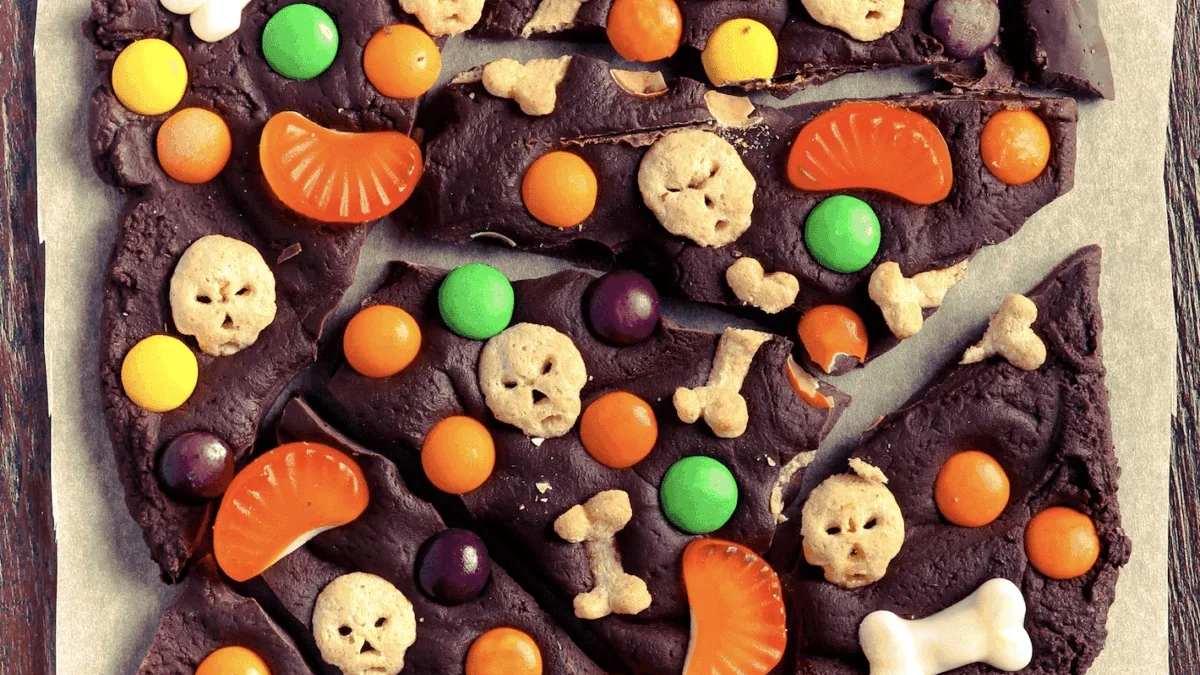
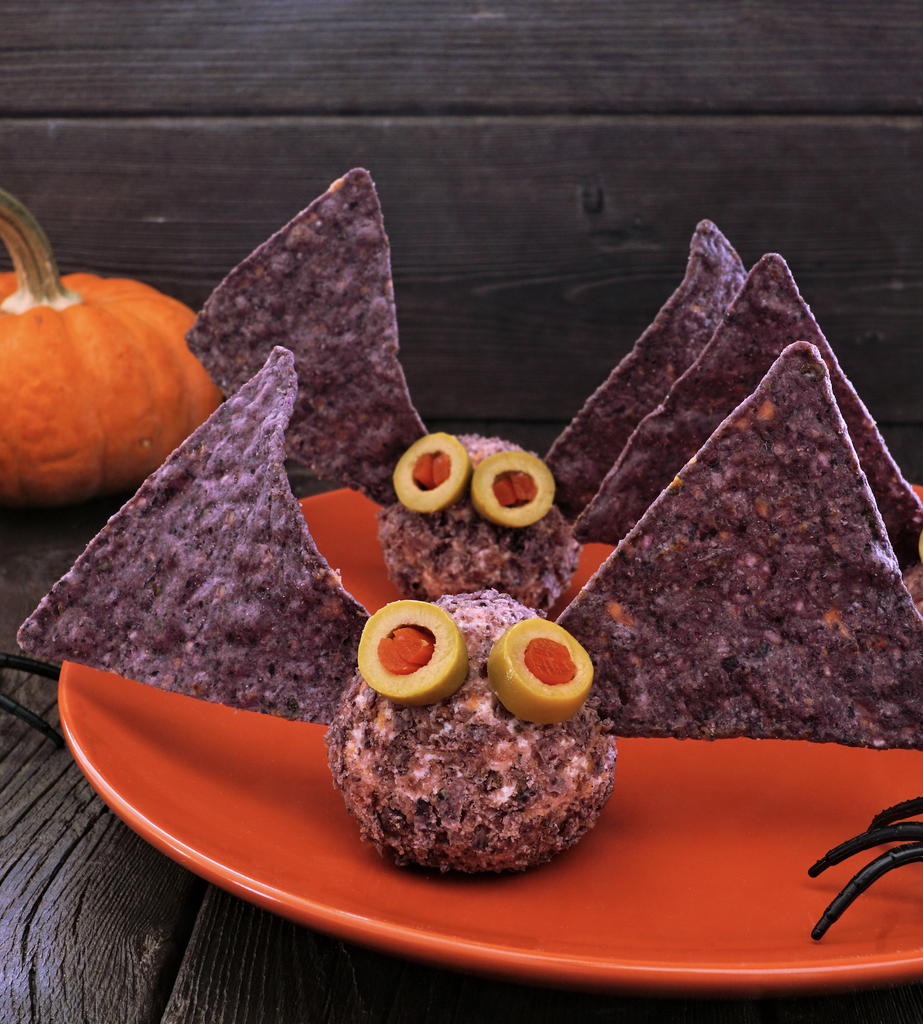
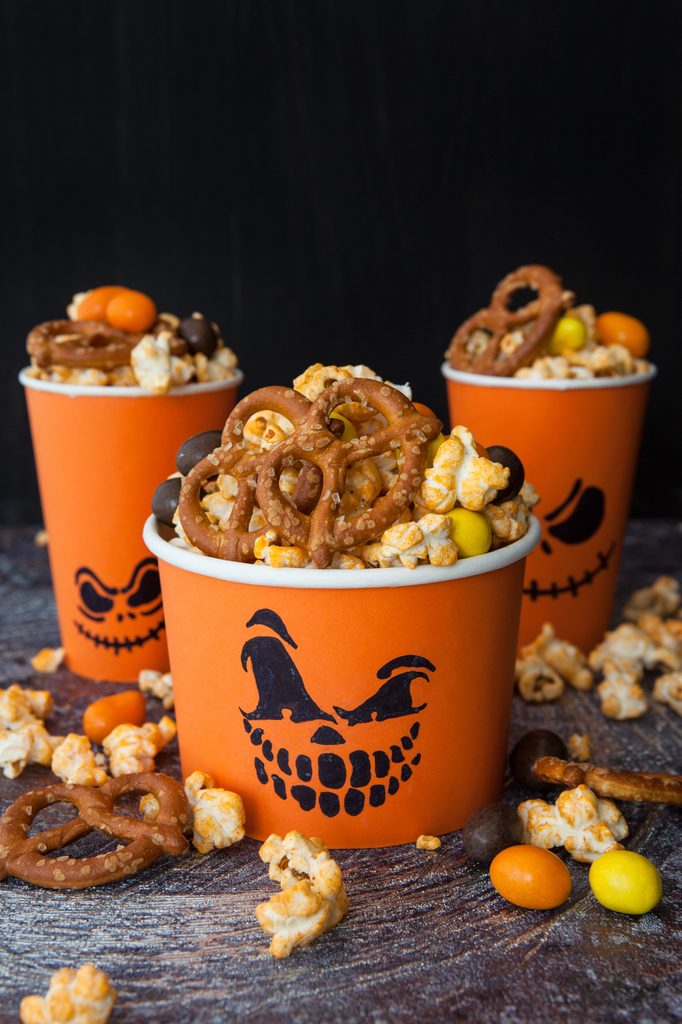
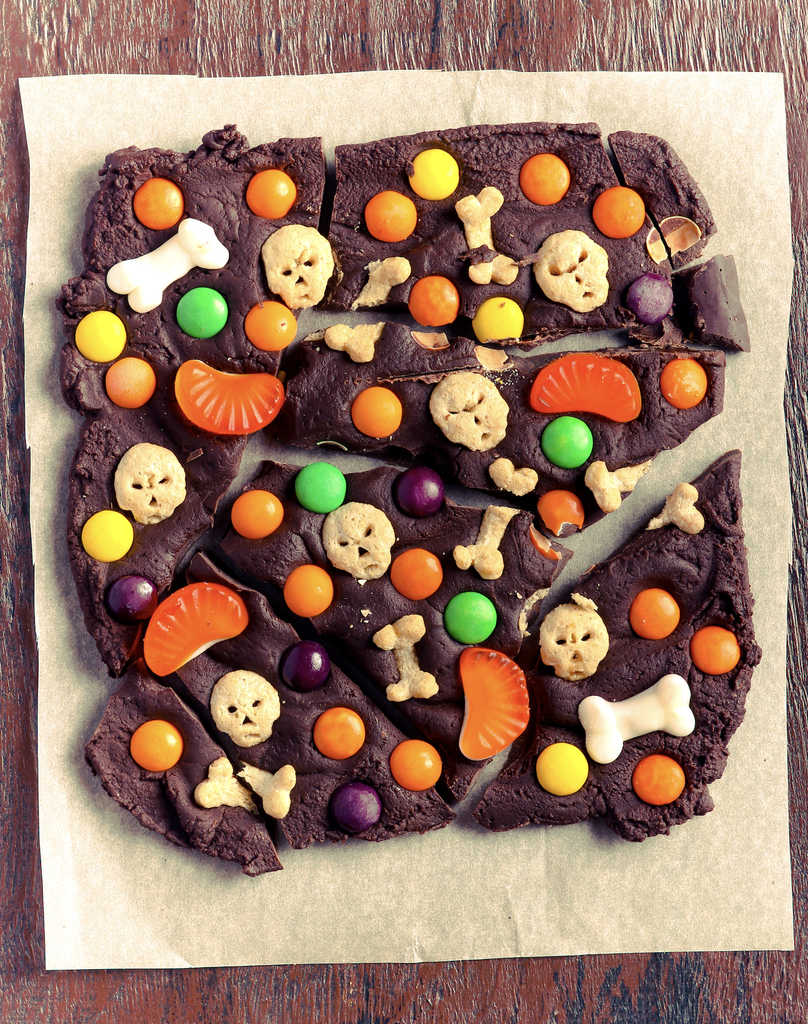
Professional party planners and budget-conscious experts emphasize that the foundation of a successful, low-cost event is a streamlined pantry. Recipes such as Monster Munch or chocolate bark rely on a core set of ingredients—candy wafers, pretzels, marshmallows, and seasonal decorations—that can be purchased in bulk at warehouse retailers or during post-holiday clearance sales.
The timing of these purchases is critical. Retailers typically initiate deep discounts on seasonal baking supplies and confectionery in the days immediately following October 31. By leveraging these cyclical price drops, households can curate an inventory for the following year, reducing the annual cost of holiday hosting by as much as 40 to 60 percent.
A Chronology of Culinary Preparation
Successful event execution requires a phased approach to kitchen operations to avoid the "hidden costs" of failure—specifically the loss of materials due to improper handling or last-minute spoilage.
- Pre-Event (7–14 days out): Procurement of non-perishable staples and bulk candy supplies.
- Early Preparation (3–5 days out): Production of items with longer shelf lives, such as dry snack mixes, which can be stored in airtight containers to maintain freshness.
- Immediate Preparation (24–48 hours out): Assembly of baked goods and refrigerated items.
- Day-Of Execution: Final assembly of temperature-sensitive items, such as the Witches’ Brew punch or fresh-dipped pretzel wands.
This phased timeline prevents the "hidden tax" of rushed preparation, which often leads to poor-quality outcomes that require a second, unplanned shopping trip.
Comparative Analysis: High-Value vs. High-Risk Treats
Not all "classic" Halloween treats are created equal from a fiscal standpoint. For instance, caramel apples—often perceived as a rustic, low-cost staple—present a higher risk of financial loss. The cost of individual apples, coupled with the specialized dipping materials and the high rate of "failure" due to surface wax preventing proper adhesion of the caramel, often elevates the cost per unit to $1.00 or more.
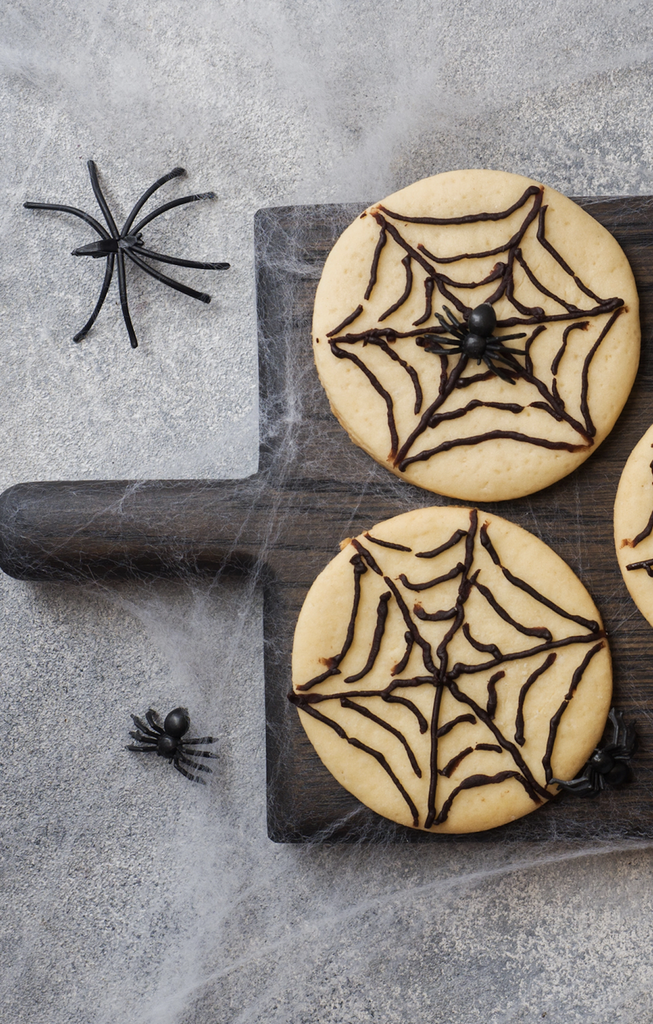
Conversely, items such as Witches’ Brew punch provide the highest return on investment. By utilizing low-cost ingredients like lemon-lime soda, pineapple juice, and bulk-purchased sherbet, a host can produce a centerpiece-worthy beverage for roughly $10 that serves up to 40 guests. This efficiency—roughly $0.25 per serving—outperforms almost any pre-packaged alternative.
The Psychology of Presentation
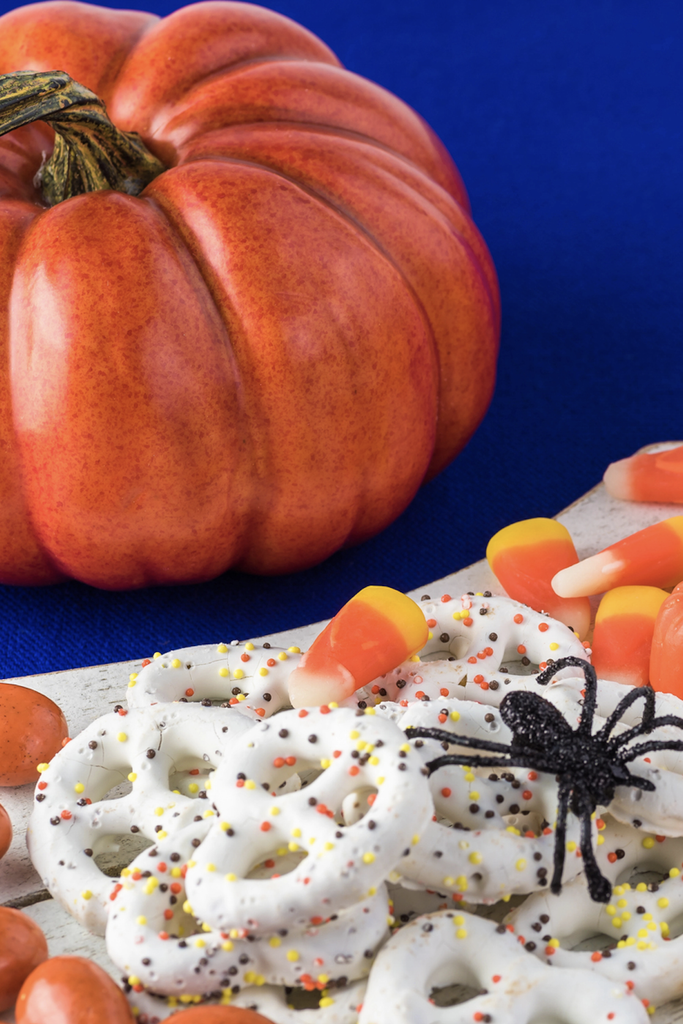
The perceived value of a party is often tied to presentation rather than the raw cost of ingredients. Simple items, when styled appropriately, elevate the guest experience without requiring expensive components. For example, using cellophane bags and ribbon for pretzel wands transforms a low-cost snack into a professional-grade party favor.
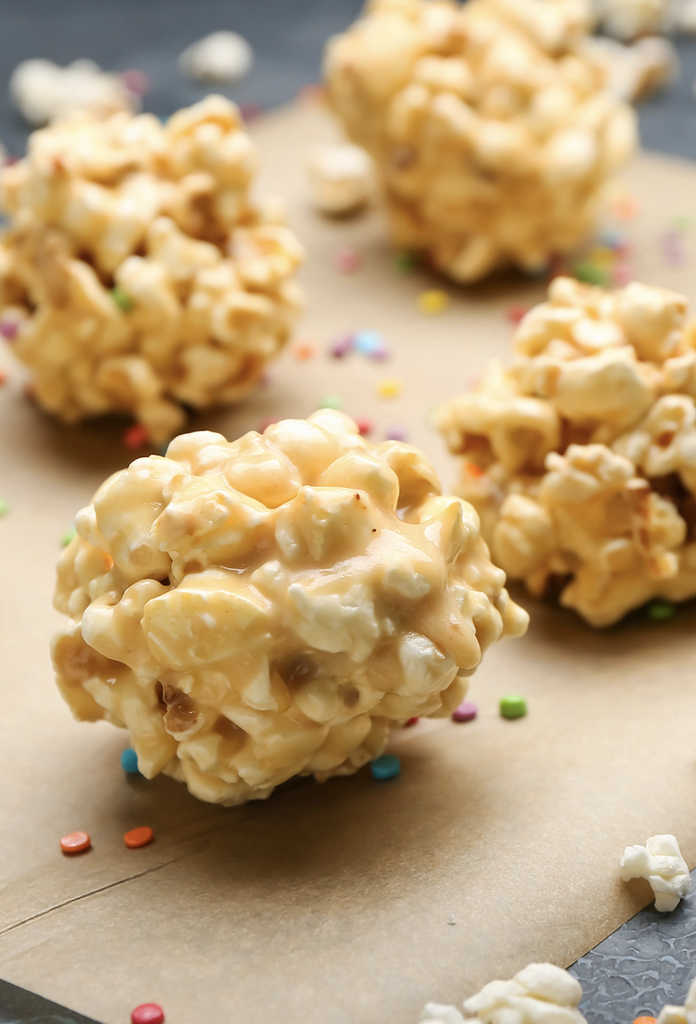
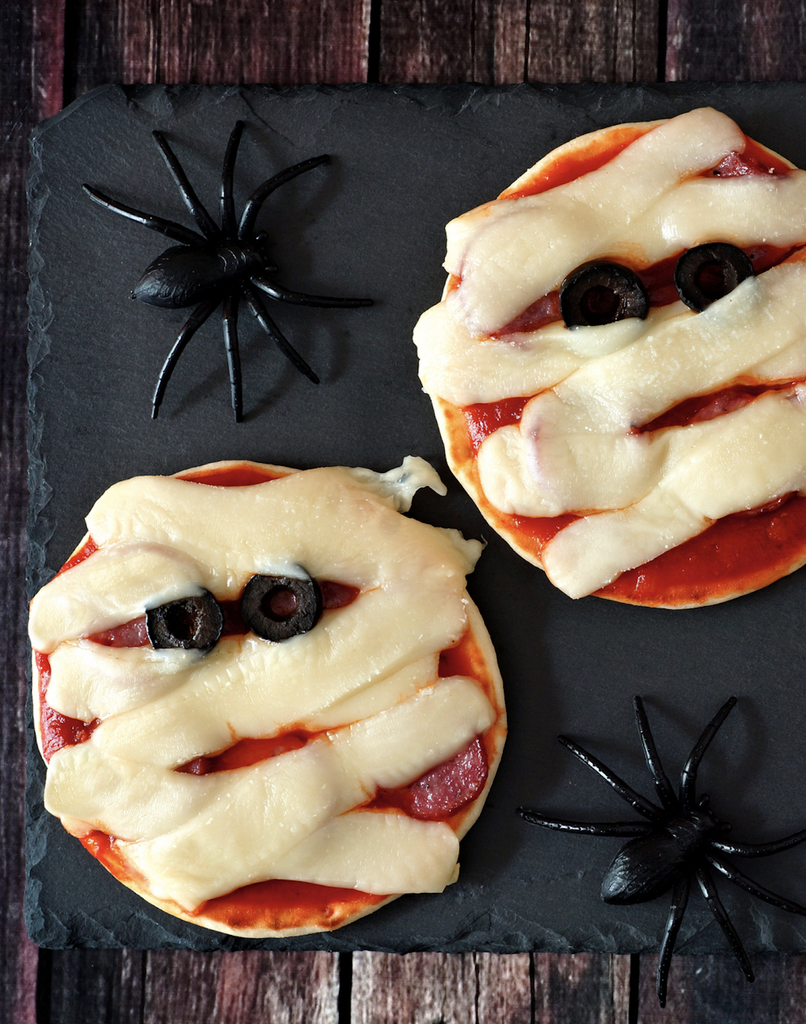
This phenomenon—where the "wrapping" does the majority of the heavy lifting—is a core tenet of modern frugality. Whether it is the visual appeal of a "mummy" design on a simple hot dog or the dramatic effect of dry ice in a punch bowl, the focus remains on high-visibility, low-cost aesthetic upgrades.
Implications for Household Budgeting
The broader impact of these strategies extends beyond a single event. By eliminating the reliance on high-margin, pre-packaged seasonal goods, families can mitigate the "takeout tax" and "convenience tax" that often inflate household budgets during the final quarter of the year.
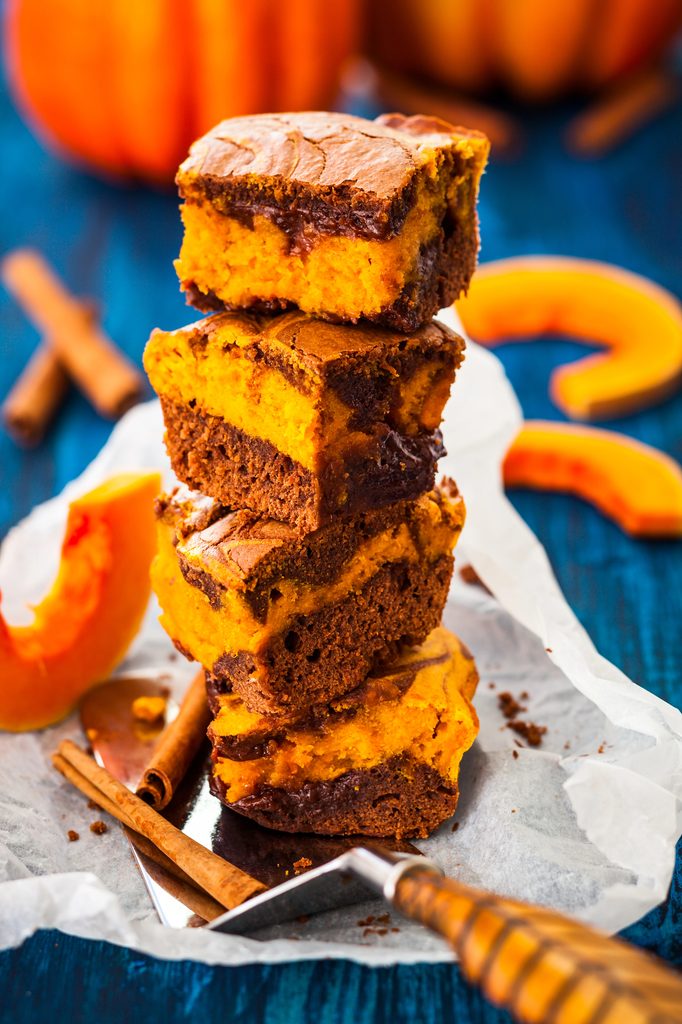
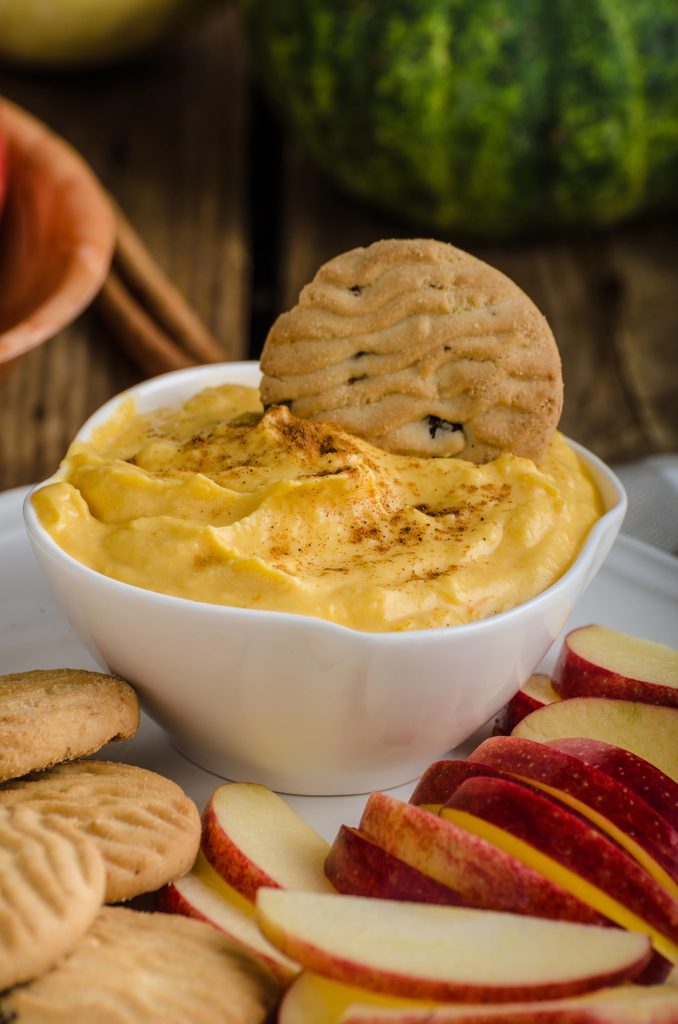
Furthermore, reducing food waste is a major component of this approach. Techniques such as freezing leftover pumpkin puree or repurposing post-trick-or-treat candy into chocolate bark serve as effective methods to curb the small, often-unnoticed money leaks that occur when half-used containers are discarded after the event.

Official Perspectives and Industry Observations
While no single organization tracks the specific DIY habits of the average household, retail analysts note a distinct correlation between economic tightening and the resurgence of scratch-cooking. In periods of high consumer debt and rising grocery costs, the "homemade" trend tends to gain momentum.

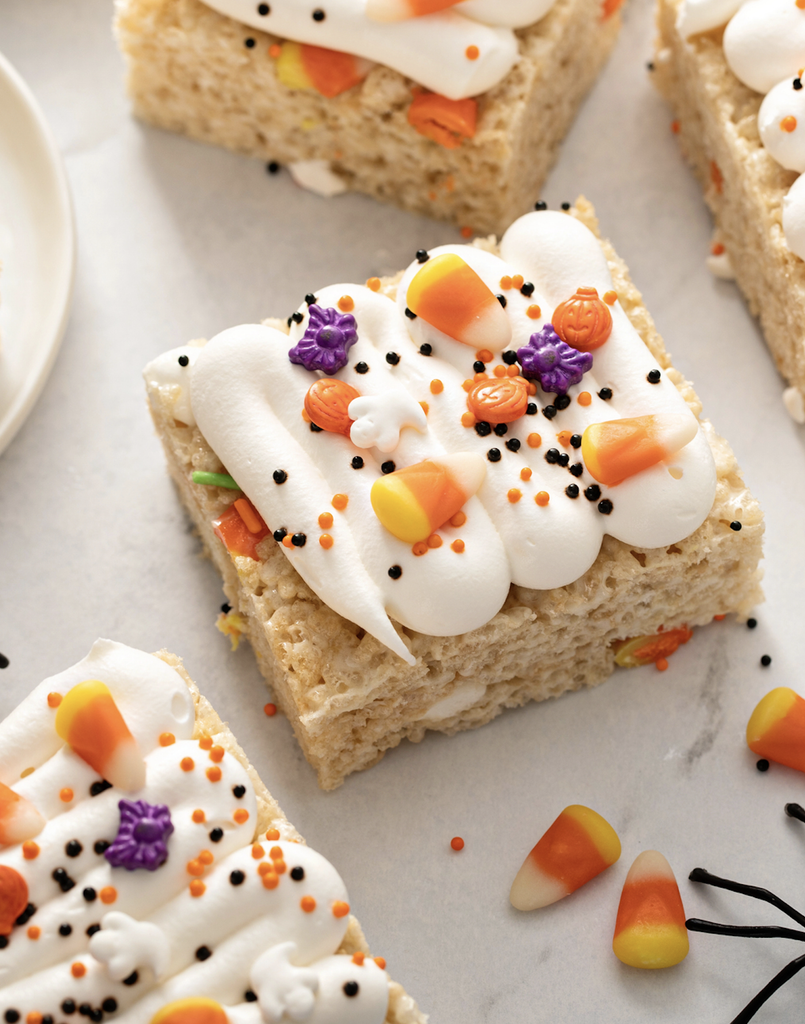
"The shift is less about poverty and more about resource management," notes one industry observer. "Consumers are becoming more sophisticated in how they calculate the value of their time against the cost of the goods they purchase. When a box of brownie mix and a handful of candy pumpkins can yield a result that satisfies a crowd, the incentive to pay a premium for pre-decorated, branded items diminishes."
Sustainability and Long-Term Trends
As the culinary landscape continues to evolve, the integration of pantry staples and budget-conscious planning is expected to remain a permanent feature of household event hosting. By treating these events as a series of calculated investments—prioritizing volume, longevity of ingredients, and visual impact—hosts can maintain a high standard of hospitality without compromising financial health.

The data suggests that the most successful events are those that balance tradition with modern fiscal discipline. By moving away from the convenience-first model of purchasing and embracing a more deliberate, preparation-heavy approach, households are not only saving money but also engaging in a more sustainable model of consumption that minimizes waste and maximizes the utility of every item purchased.

In conclusion, the math of holiday hosting remains in the hands of the consumer. Whether through the strategic use of seasonal clearances or the simple act of preparing food from scratch, the ability to produce high-impact, low-cost events is a skill set that offers dividends well beyond the Halloween season, providing a template for affordable, memorable celebrations throughout the entire calendar year.