
In the modern digital economy, capturing consumer attention is only half the battle; directing that attention toward a measurable outcome remains the ultimate objective for marketing professionals. Whether a campaign aims to drive software sign-ups, ecommerce sales, or newsletter subscriptions, the call to action (CTA) serves as the critical bridge between passive viewing and active engagement. Recent industry data underscores this challenge, revealing that over twenty-two percent of web users actively utilize ad blockers due to persistent ad fatigue. Consequently, digital marketers are placing unprecedented emphasis on the strategic composition, placement, and psychological framing of CTAs to combat banner blindness and maximize return on ad spend (ROAS).
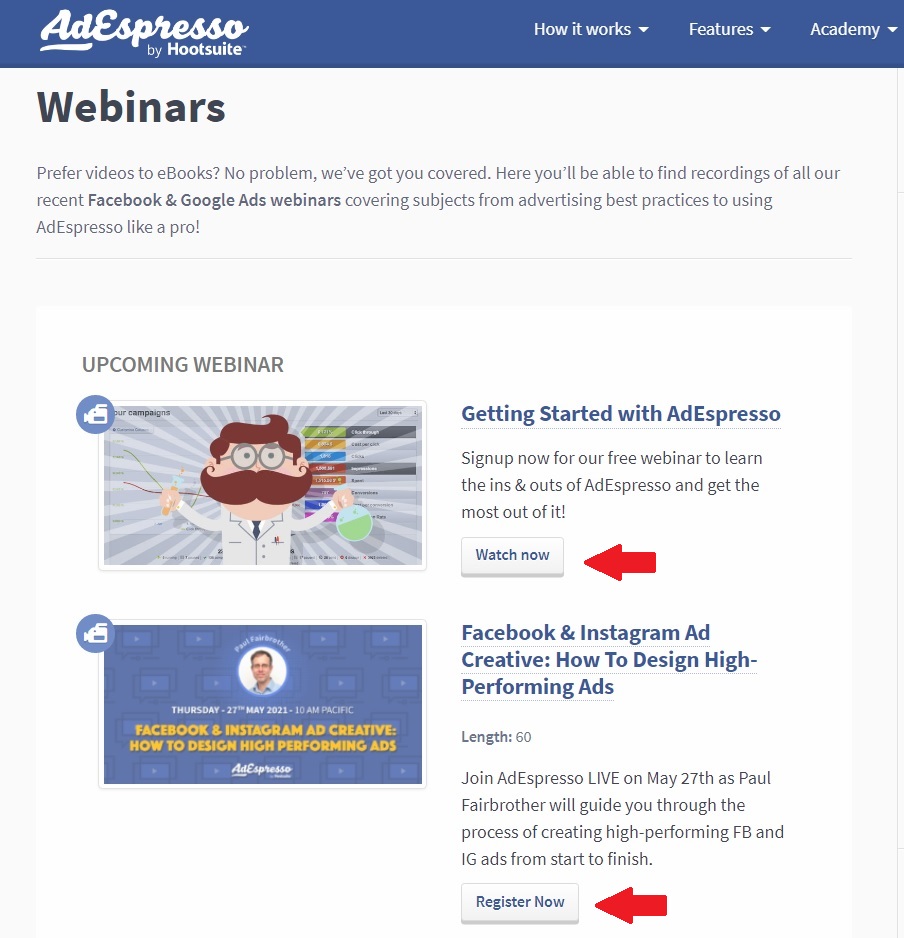
Defining the Call to Action in Contemporary Marketing
At its core, a call to action is a deliberate text or visual prompt engineered to guide a target audience toward a specific, measurable behavior. While traditionally manifested as concise imperatives like "Buy Now" or "Download Now," modern CTAs frequently incorporate expanded phrasing designed to alleviate decision fatigue and provide immediate contextual value to the user.
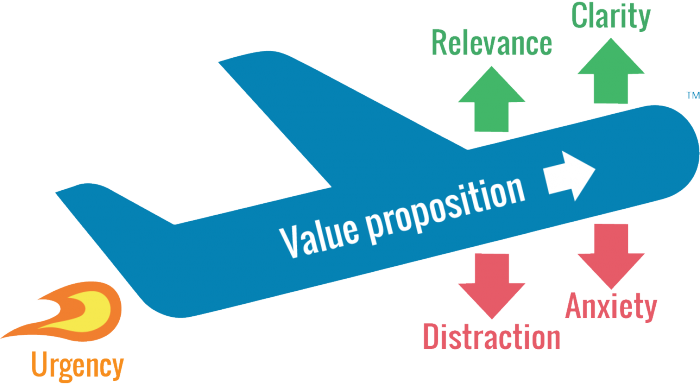
Marketing science indicates that effective CTAs operate on several psychological levels, primarily by establishing clarity, relevance, and urgency. According to the foundational LIFT Model developed by conversion rate optimization experts, a successful marketing prompt balances the value proposition against user friction, utilizing clear language to eliminate ambiguity. Industry analysts emphasize that even a modest two-word prompt can significantly influence user behavior by removing the cognitive burden of determining the next step in a digital journey.

Strategic Frameworks for Writing Persuasive CTAs
Crafting a persuasive CTA requires a disciplined approach to copywriting, constrained by character limits on paid social media placements and the fleeting attention spans of digital consumers. Best practices dictate starting with a strong action verb—such as "shop," "subscribe," or "download"—followed by an adverb or direct object to establish immediate intent.

Different industries necessitate tailored linguistic approaches. For instance, ecommerce enterprises frequently rely on transactional verbs such as "Reserve," "Save," and "Add to Cart," whereas Software-as-a-Service (SaaS) providers lean toward exploratory terms like "Get Started," "Try," and "Sign Up." Non-profit organizations typically utilize community-oriented verbs including "Commit," "Volunteer," and "Support."

Beyond simple imperative verbs, brands frequently employ emotional resonance and sensory language to cultivate deeper connections. Campaigns that incorporate evocative modifiers or unique phrasing—such as utilizing a noun as a verb within creative copy—can successfully differentiate a brand in crowded digital feeds. However, industry standards dictate that creative risks must be systematically evaluated through rigorous A/B testing rather than intuition alone.

Platform-Specific Best Practices and Empirical Data
The implementation of CTAs varies significantly across digital ecosystems, ranging from native social media ad buttons to minimalist landing page designs and traditional email newsletters. Empirical research highlights the measurable financial impact of these design choices.
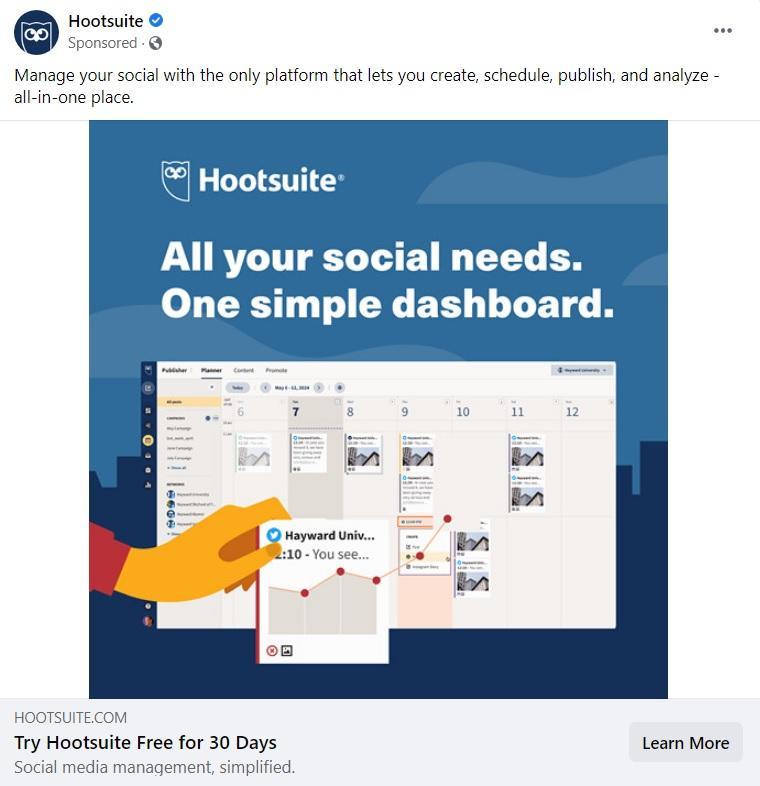
Controlled split-tests conducted across prominent advertising platforms demonstrate that utilizing clickable, native CTA buttons can drastically reduce cost-per-acquisition. In a notable $1,000 budget experiment evaluating Facebook ad variations, campaigns featuring optimized download buttons generated more than double the conversion volume at nearly half the cost per conversion compared to ads lacking a designated interactive button. Similar studies from conversion research firms indicate that transitioning from plain-text hyperlinks to distinct, button-style CTAs can elevate overall conversion rates by upwards of forty-five percent.

On social media networks such as Facebook and Instagram, advertisers leverage native button integrations—including "Learn More," "Shop Now," and "Sign Up"—to capitalize on intuitive user behavior. These elements work in tandem with ad creative, utilizing social proof metrics, such as five-star review counts, and scarcity principles to reinforce credibility and drive action.

Similarly, within email marketing and dedicated landing pages, structure and minimalism dictate success. High-converting landing pages frequently eliminate distracting navigation menus and utilize high-contrast color palettes to draw the user’s eye directly to the primary conversion element. Placing critical value propositions and interactive forms "above the fold" ensures that visitors absorb essential campaign details instantly without requiring excessive scrolling.

Broader Industry Implications and Future Outlook
The continuous refinement of call-to-action strategies reflects a broader maturation within the digital marketing sector. As consumer acquisition costs rise and privacy regulations restrict hyper-targeted tracking capabilities, optimization of onsite and in-ad conversion assets has become paramount.

Organizations can no longer rely solely on broad audience targeting to achieve sustainable growth; instead, message-matching—ensuring seamless linguistic and visual continuity between the ad copy, the CTA, and the destination landing page—has emerged as a core competency. By systematically testing variables such as button color, micro-copy, and placement, marketing departments can systematically lower acquisition expenses and enhance user experience.

As digital channels continue to evolve, the fundamental principles governing human decision-making online remain constant. Clarity, value communication, and frictionless pathways will continue to define the boundary between campaign success and obscurity, cementing the strategic importance of the modern call to action in all commercial communications.