Meta Platforms may be capturing widespread consumer attention and market share through the booming success of its artificial intelligence-enabled smart glasses, but the technology giant has by no means abandoned its foundational metaverse ambitions. Recent leaks emerging from developer communities and firmware updates indicate that the company is actively engineering the next generation of virtual and mixed reality hardware. While public discourse often frames Meta’s recent pivot toward lightweight AI wearables as an abandonment of its immersive VR projects, internal developments tell a very different story. The long-term corporate vision at Meta continues to treat virtual reality, augmented reality, and artificial intelligence as interconnected pillars of the next computing paradigm.
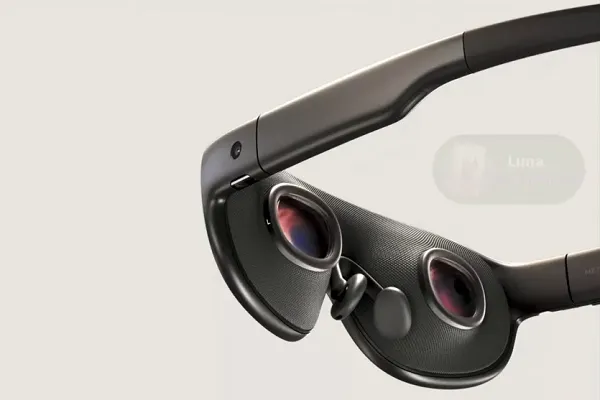
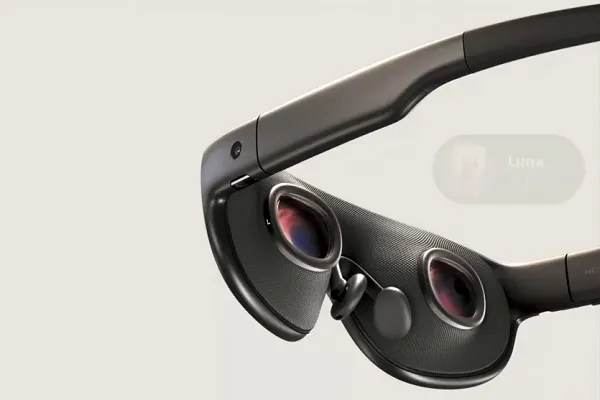
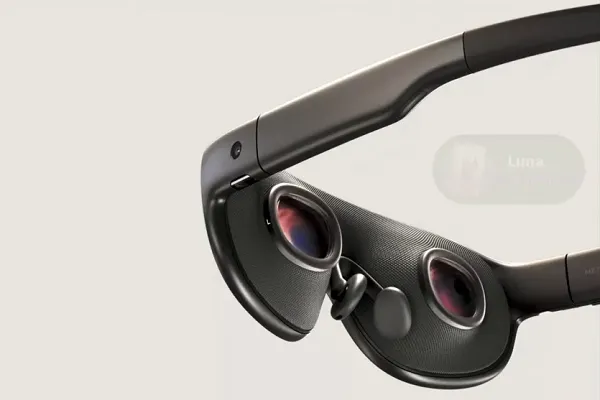
The latest insight into Meta’s hardware pipeline materialized through the discovery of new visual assets embedded within software packages. A VR researcher identified under the handle @Lunayian on social media shared a short video file extracted directly from a recent HorizonOS Prescription Lens firmware package. According to specialized industry reporting from outlets like Road to VR, this leaked asset depicts the design of Meta’s upcoming mixed reality headset, internally designated as the "Phoenix." This device is widely understood to represent the evolutionary successor to the company’s mainstream Quest line of VR headsets, aiming to bridge the gap between fully immersive virtual environments and seamless mixed reality passthrough experiences.
The Expanding Ecosystem of Meta’s Hardware Pipeline
The Phoenix headset is only one piece of a much larger, highly diversified hardware puzzle currently being assembled within Meta’s Reality Labs division. The company is simultaneously advancing multiple form factors designed to capture different segments of the digital lifestyle and enterprise markets. Among these devices are the anticipated Hypernova AI glasses, which are projected to serve as the direct technological evolution of Meta’s current generation of camera-equipped smart glasses. These units are expected to integrate lightweight visual display capabilities alongside advanced generative AI assistants, creating a bridge toward true augmented reality without the bulky constraints of early-generation hardware.
In parallel, Meta continues to refine foundational research hardware such as the Aria AR device. Recognized by its chunky black frames designed to house an array of sensors, cameras, and processing units, the Aria line serves primarily as a research and development platform rather than a consumer-facing product. However, the engineering breakthroughs achieved through the Aria program directly influence consumer products like Phoenix and Hypernova. By maintaining active parallel development across VR headsets, mixed reality visors, and lightweight smart glasses, Meta is hedging its hardware bets while ensuring it controls the underlying operating system—HorizonOS—across all potential form factors of future computing.
The Strategic Evolution of Meta’s VR and Metaverse Strategy
The emergence of the Phoenix headset challenges the prevailing narrative that Meta has scaled back its immersive technology initiatives following years of staggering financial losses in its Reality Labs segment. When Mark Zuckerberg rebranded Facebook to Meta in 2021, the corporate identity centered entirely on the metaverse—a network of 3D virtual spaces accessed via VR headsets. However, macroeconomic pressures, investor skepticism, and the explosive global interest in generative artificial intelligence in 2023 and 2024 forced the company to diversify its public messaging and showcase immediate, revenue-generating products like AI-infused glasses.

Despite this strategic pivot, the underlying engineering roadmap reveals a deep, sustained commitment to virtual reality. Meta continues to view VR as the ultimate destination for deep digital connection, productivity, and immersive entertainment. By integrating advanced artificial intelligence models directly into its next-generation VR and MR hardware packages, the company aims to make virtual spaces more intuitive, dynamic, and responsive. Rather than abandoning the metaverse, Meta is effectively rebuilding it from the ground up, infusing ambient AI capabilities into devices that are expected to become progressively lighter, more comfortable, and visually sophisticated over the coming decade.
Regulatory Hurdles and Public Backlash Threaten Hardware Expansion
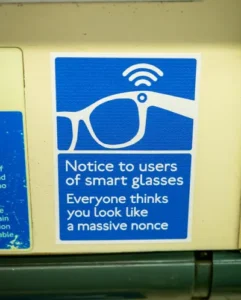
While Meta’s technical roadmap remains ambitious, the path to commercialization is fraught with significant regulatory, legal, and public relations challenges. The company’s current flagship wearable—its AI-enabled smart glasses developed in partnership with Ray-Ban—has driven impressive sales figures and heightened consumer interest in facial computing. However, this momentum has been tempered by a rising tide of public backlash concerning privacy, unauthorized recording, and surveillance concerns. Incidents involving the misuse of recording-enabled glasses in public spaces have sparked intense debates over personal privacy rights, threatening to undermine consumer trust and depress long-term device adoption rates.
These controversies have not gone unnoticed by regulatory bodies. Meta’s AI smart glasses are currently facing formal investigations by privacy regulators in several international jurisdictions, including the United Kingdom and the United States. Furthermore, the societal friction caused by the glasses has led to preemptive bans in various retail establishments, fitness centers, and entertainment venues where patrons fear covert recording. These mounting pressures could compel Meta to implement sweeping firmware restrictions, physical design modifications, or stricter geofencing protocols. Such changes run the risk of degrading the user experience, dampening consumer enthusiasm, and complicating the rollout of future iterations like the Hypernova and Aria series.
The Road Ahead: Anticipation Builds for Upcoming Hardware Showcases
As Meta navigates these complex regulatory waters, the technology industry is looking toward the company’s upcoming events for official clarity on its product timeline. The annual Meta Connect showcase, scheduled to take place later this month, is traditionally used by executive leadership to unveil major hardware breakthroughs, software updates for HorizonOS, and strategic long-term visions. Industry analysts and consumers alike will be watching closely to see whether Meta officially acknowledges the Phoenix headset leak, provides definitive launch windows for its next-generation mixed reality devices, and addresses how it plans to balance aggressive AI integration with mounting global privacy concerns.
Ultimately, Meta’s hardware strategy reflects a high-stakes balancing act between present-day commercial realities and long-term technological aspirations. While lightweight smart glasses currently dominate the company’s marketing narrative and consumer engagement metrics, deep investments in mixed reality headsets like Phoenix prove that the metaverse remains a core pillar of Meta’s corporate destiny. Whether consumers will willingly embrace a future defined by ubiquitous facial computing and immersive headsets will depend heavily on how successfully Meta can navigate the delicate intersection of cutting-edge innovation, strict data privacy, and public trust.