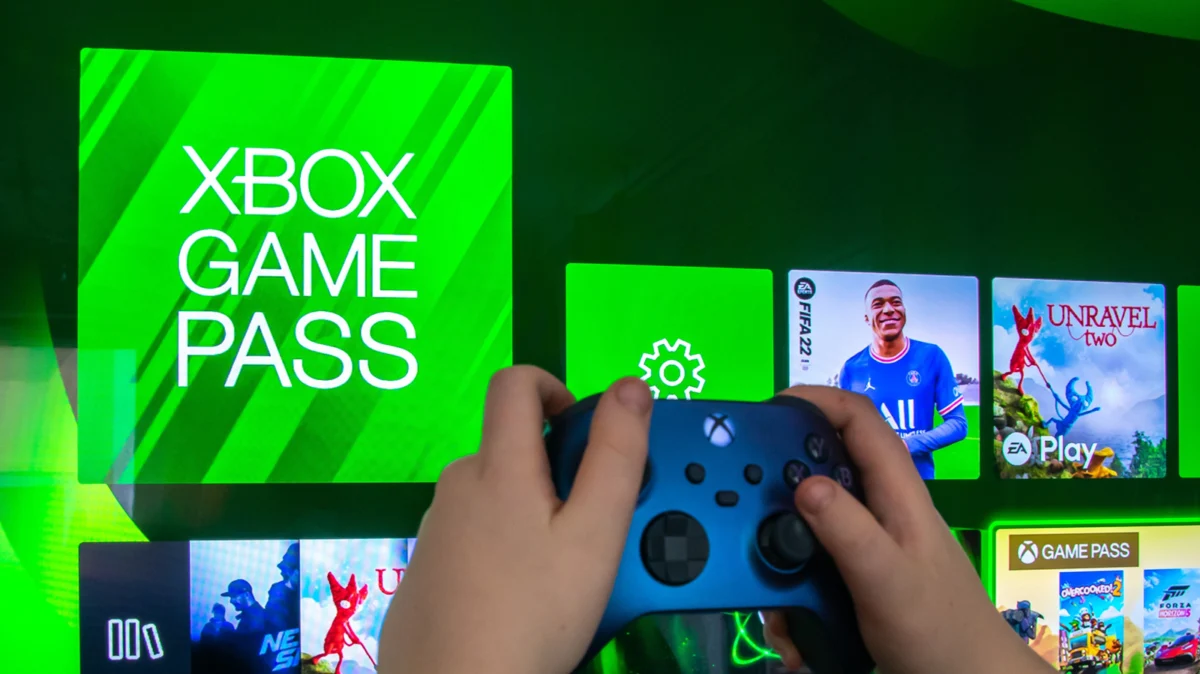
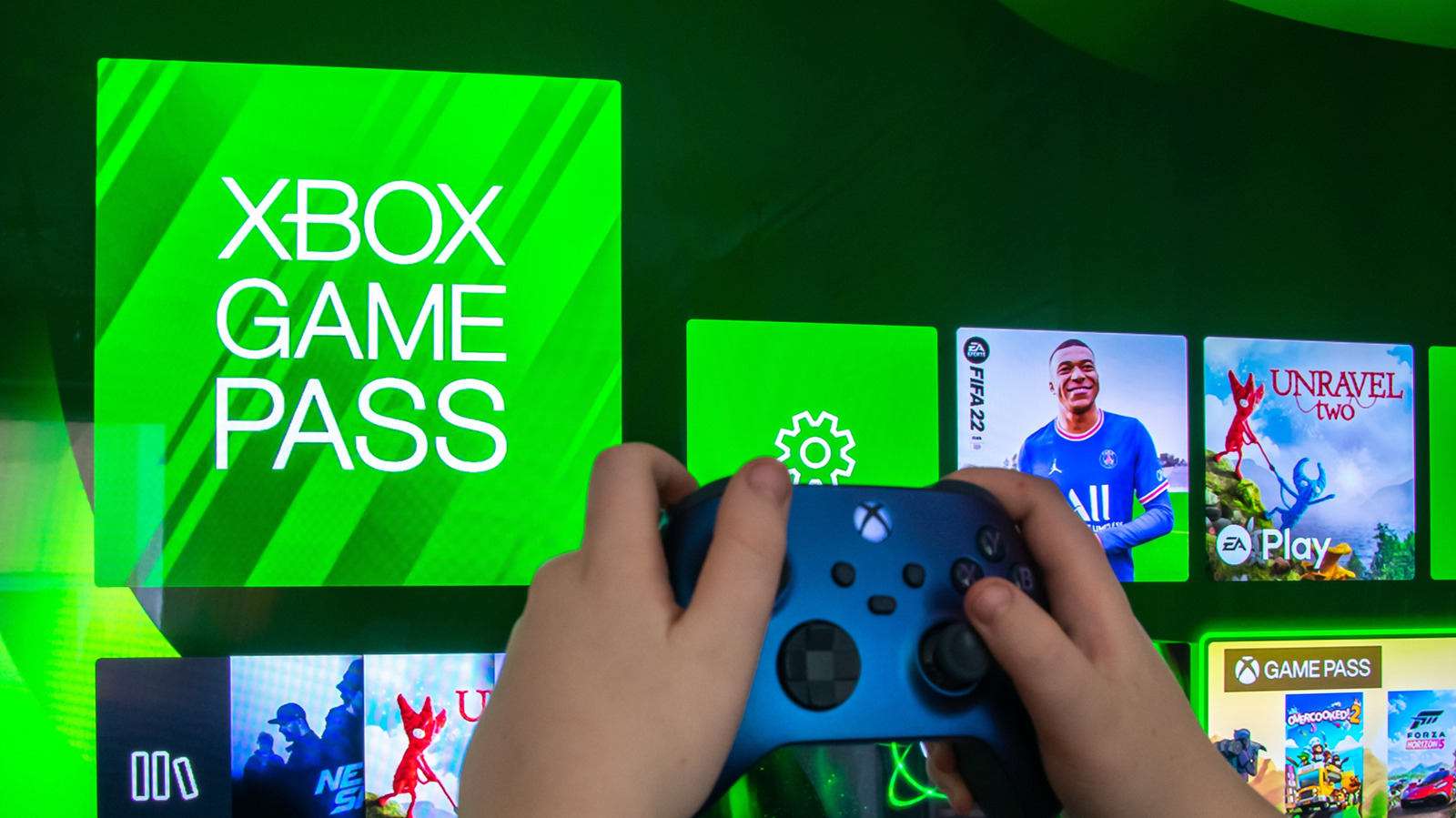
The Microsoft Xbox division is currently navigating a period of profound organizational transition. Following a series of high-profile corporate maneuvers—including widespread workforce reductions, the strategic closure of several internal development studios, and the departure of long-standing CEO of Microsoft Gaming, Phil Spencer—the company is actively seeking to stabilize its brand identity. Under the guidance of newly appointed leadership, including head of the division Asha Sharma, Microsoft has begun a multifaceted effort to restore consumer goodwill and refine the value proposition of its ecosystem. As part of this broader initiative to re-engage its core user base, the company is introducing a new customization feature for Xbox Series X and Series S consoles: the ability to personalize startup animations, allowing users to evoke past generations of the Xbox hardware lineage.
A New Era of Console Personalization
For early adopters and participants in the Xbox Insider program—specifically those in the Alpha and Alpha-Skip-Ahead rings—Microsoft has rolled out an update that allows for the selection of specific boot sequences. This feature marks a departure from the static startup experience that has defined the current generation of hardware. Users currently have the option to cycle between the contemporary "We are Xbox" animation, the original Xbox One boot sequence, the enhanced Xbox One X startup, and the standard boot animations for the Xbox Series X and Series S.
In addition to visual customization, the update addresses a long-standing request from the enthusiast community: the ability to mute the console’s startup sound. While this provides a welcome level of granular control, the current implementation has drawn attention for its notable omissions. Enthusiasts have pointed out that the iconic, multi-tone startup chime of the Xbox 360 remains absent from the selection, a decision that has sparked significant discourse within community forums. The absence of the 360-era aesthetic is particularly glaring given that the console is widely regarded as the pinnacle of Xbox brand loyalty for many long-term users. Industry observers anticipate that Microsoft may eventually expand this library of animations, potentially through future software patches or as a reward for subscription-based loyalty.
Chronology of Recent Xbox Strategic Shifts
The introduction of these customization features coincides with a tumultuous 18-month period for Microsoft Gaming. To understand the gravity of these small, user-facing changes, one must examine the timeline of the division’s recent strategic pivots:
- Early 2023: Microsoft initiates a series of layoffs affecting approximately 10,000 employees across the broader Microsoft organization, with significant impacts on game development teams at Bethesda and 343 Industries.
- Late 2023: The integration of Activision Blizzard King is finalized, marking one of the largest acquisitions in the history of the technology sector. This move necessitates a massive restructuring of internal operations.
- Early 2024: Further workforce reductions are announced, specifically targeting the gaming division. Concurrently, the company begins shuttering several smaller studios, prompting intense scrutiny regarding the long-term sustainability of the "Game Pass" subscription model.
- Mid-2024: Phil Spencer steps down as CEO of Microsoft Gaming, and Asha Sharma assumes leadership duties, signaling a transition toward a more commercially focused, streamlined operational model.
- Late 2024: Microsoft pivots its marketing focus toward "value-add" features, including aggressive pricing adjustments for Game Pass and the deployment of quality-of-life updates to modernize the user experience (UX) on current-gen hardware.
Enhancing User Experience Through Software Utility
Beyond the nostalgic appeal of boot sequences, the current software testing phase includes several functional improvements designed to streamline the console interface. One of the most significant additions is a comprehensive local search tool. Historically, Xbox users have struggled with the navigation of expansive digital libraries, often relying on cumbersome manual scrolling to locate specific titles, add-ons, or individual achievement lists. The new search utility is designed to mitigate this, providing a fast-access path to specific games and milestones, which is particularly beneficial for users who manage large, backward-compatible catalogs or utilize the extensive Game Pass library.
Further enhancements have been implemented for the social and technical aspects of the platform. The "Voice Clarity" feature, currently in testing, utilizes signal processing to suppress background noise during voice chat sessions. This is a direct response to the increasing prevalence of multiplayer gaming and the need for high-fidelity communication in competitive environments. Additionally, the console’s "Remote Play" functionality—which allows users to stream their Xbox library to mobile devices or secondary screens—has been upgraded to support 1440p resolution and higher bitrates. These updates represent an attempt by Microsoft to leverage its cloud infrastructure to provide a premium experience that remains competitive against rivals like PlayStation Plus.
Data-Driven Implications for the Ecosystem
From an analytical perspective, these updates are not merely cosmetic; they are a calculated effort to maintain "time-on-device" metrics. In the streaming-heavy landscape of modern gaming, where users frequently toggle between different services and platforms, the stickiness of the console’s interface becomes a critical retention tool. By allowing users to curate their own environment—through profile badges, customizable startup sequences, and improved library management—Microsoft is shifting its UX strategy toward a model of personal ownership.
The data suggests that this approach is necessary. With the cost of high-end hardware rising, users are increasingly sensitive to the perceived value of their subscription services. By positioning features like boot animation customization alongside functional upgrades like background downloads during Cloud Gaming sessions, Microsoft is attempting to justify the investment in its hardware even as it broadens its distribution to other platforms.
Official Responses and Community Feedback
While Microsoft has not released an official statement regarding the specific exclusion of Xbox 360 startup sounds, internal discussions within the Xbox Insider forums suggest that the company is monitoring user feedback closely. Representatives have noted that the current feature set is a "pilot," and the scalability of these animations depends largely on the technical requirements of backward-compatible assets.
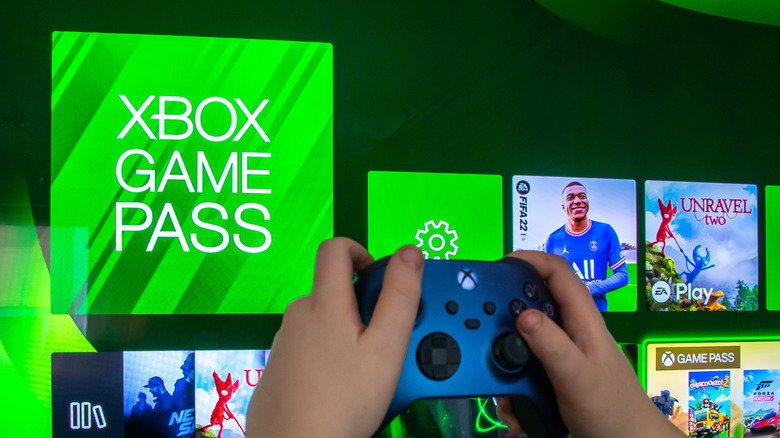
For the broader gaming community, the reaction has been largely positive, though tempered by a sense of longing for the hardware’s "golden age." Analysts note that this nostalgia is a powerful psychological lever. By allowing players to return to the aesthetic of the Xbox One or the early Series X era, Microsoft is attempting to foster a sense of continuity that has been frayed by the rapid pace of studio closures and leadership changes.
The Broader Impact on Console Gaming
The move toward modular software environments reflects a larger trend in the industry: the "platformization" of hardware. As consoles move away from being purely gaming machines toward becoming multimedia hubs, the ability for the user to customize their interface becomes a vital way to differentiate the console from a PC or a smart TV.
Furthermore, the introduction of features like "Voice Clarity" and enhanced Remote Play indicates that Microsoft is prioritizing the infrastructure that supports cross-play and remote access. As the company continues to evolve under its new leadership, these small, iterative improvements serve as indicators of a broader strategy: prioritizing stability and user retention over the rapid, large-scale acquisitions that defined the previous half-decade.
As users await the wider rollout of these features, the focus remains on whether Microsoft will continue to unlock legacy assets. There is a strong, persistent demand for the return of physical customization, such as the modular faceplates that defined the Xbox 360 era. Whether or not the company returns to these physical roots, the current digital update demonstrates a clear understanding that in an era of rapid change, the most effective way to secure a player’s loyalty is to give them a sense of control over their digital home.
For now, the Xbox Insider program serves as the testing ground for these changes. Those interested in accessing these features early are encouraged to check their system settings under the "Startup" tab. While these updates do not undo the structural shifts of the past year, they do provide a tangible, positive development for the millions of users who remain embedded in the Microsoft gaming ecosystem, proving that even in a time of corporate turbulence, the core experience of the player remains a focal point for the engineers and designers at Xbox.