
In the modern digital economy, the personal blog has evolved from a simple hobbyist’s diary into a sophisticated instrument for professional branding, intellectual authority, and financial independence. As of 2024, the internet hosts over 600 million blogs, with a significant portion of these serving as critical nodes for niche expertise and content-driven revenue. Establishing a personal blog requires a systematic approach, blending technical infrastructure with strategic content management.

The Evolution and Strategic Importance of Personal Blogging
The concept of the personal blog has transitioned from the early 2000s "online journal" model to a structured content marketing platform. Today, these sites serve as primary assets for individuals seeking to establish a "digital footprint." Industry data indicates that 77% of internet users read blogs, and companies that prioritize blogging efforts report a 67% increase in leads compared to those that do not.

For the individual, the shift is equally significant. A well-maintained personal blog acts as a living resume. Human resources professionals increasingly utilize search engines to vet candidates, and a blog that demonstrates consistent critical thinking and technical proficiency often serves as a decisive factor in competitive hiring processes. By maintaining a self-hosted domain, authors bypass the volatility of social media algorithms, ensuring their content remains under their own control and resistant to the sudden discontinuation of third-party platform features.

Establishing the Technical Foundation
The process of launching a successful blog involves six distinct phases: niche identification, platform selection, domain acquisition, design, content strategy, and monetization.
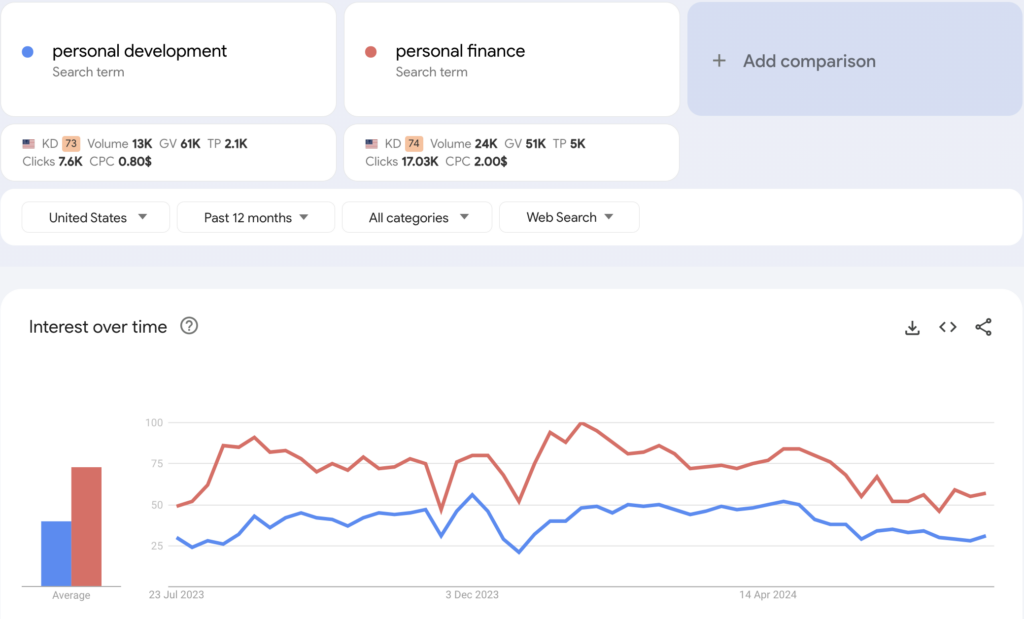
- Niche Identification: A successful blog relies on the intersection of personal expertise and market demand. Analysts suggest that the most sustainable niches are those that solve a specific problem or provide deep, localized knowledge. Tools such as Google Trends and keyword research software are essential for validating that a chosen topic has sufficient search volume to support growth.
- Infrastructure Selection: While free platforms like Blogger or WordPress.com offer convenience, professional-grade blogs require self-hosting. Utilizing a content management system (CMS) like WordPress.org provides the necessary flexibility for plugins, SEO optimization, and data ownership. Selecting a hosting provider with high uptime reliability is paramount, as site speed is a critical ranking factor for search engines.
- Domain Strategy: The domain name serves as the blog’s permanent address. Experts recommend a balance between brandability and clarity. While using a personal name can build individual authority, a brand-centric name often provides greater flexibility for future site acquisition or expansion.
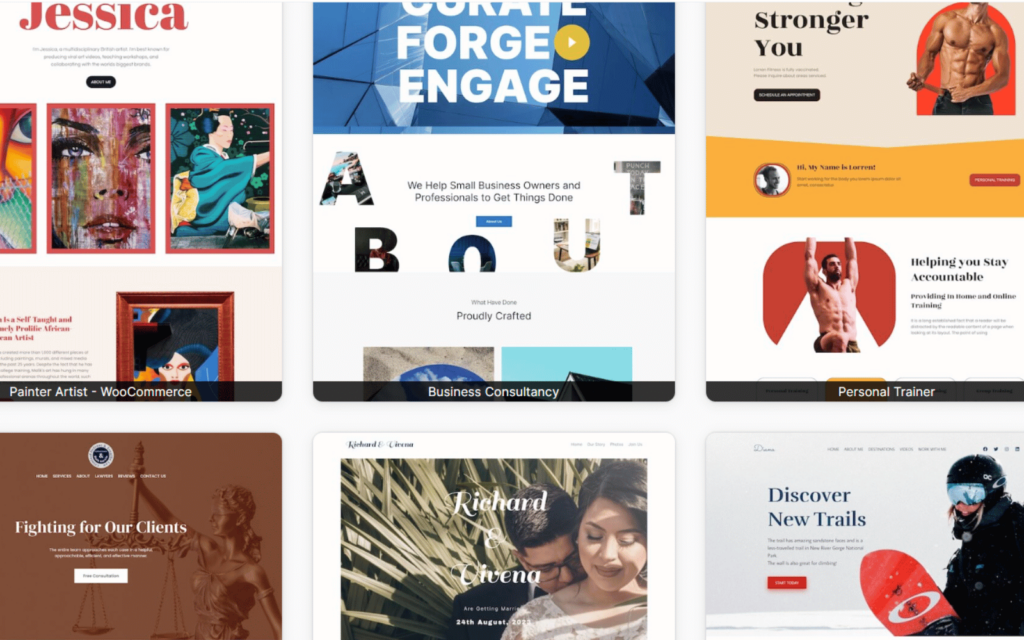
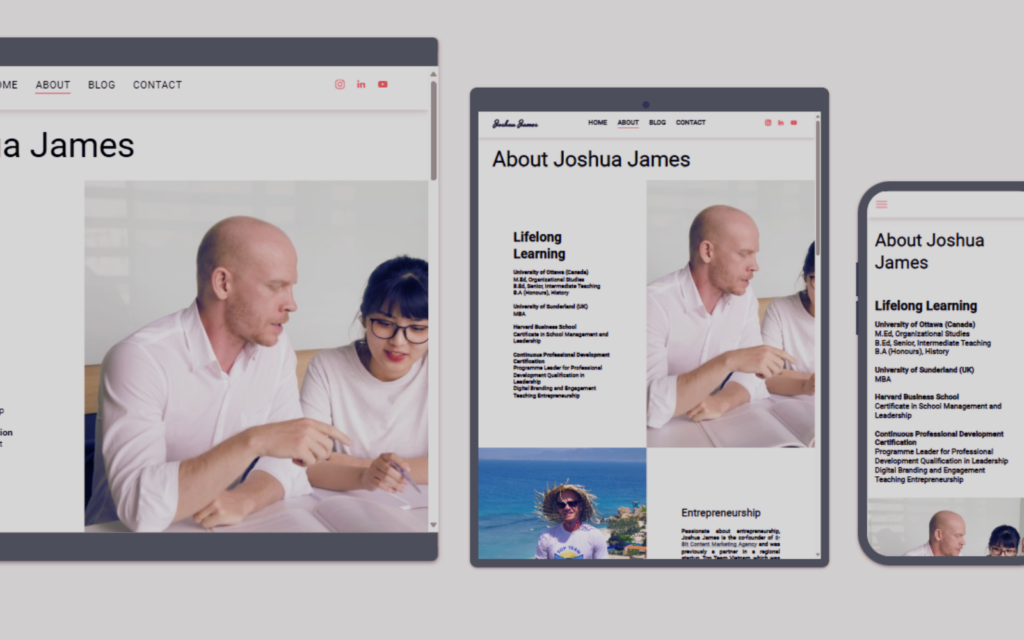
- Design and User Experience: In an era where mobile traffic accounts for over 55% of global internet usage, a responsive, mobile-friendly design is mandatory. Modern drag-and-drop builders, such as SeedProd, have democratized web design, allowing creators to implement professional layouts without advanced coding knowledge.
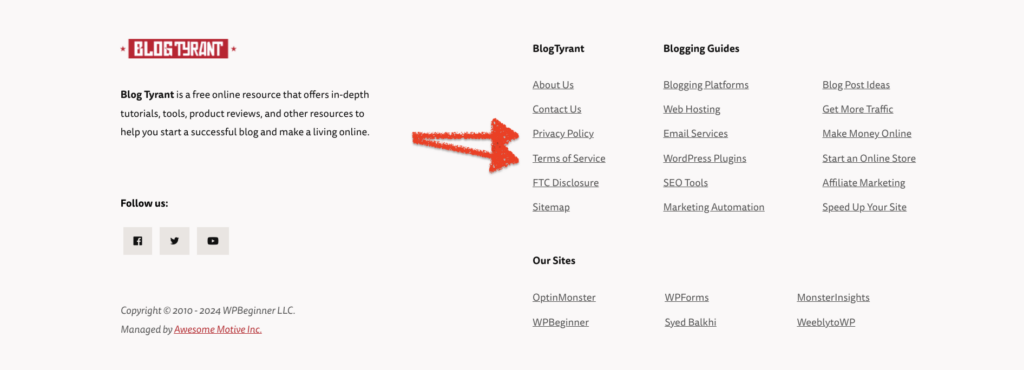
- Regulatory Compliance: As digital privacy regulations like the GDPR and CCPA have become more stringent, incorporating clear privacy policies and terms of service is no longer optional. These documents are vital for establishing reader trust and ensuring legal compliance.
The Content-First Monetization Model
Once the site is functional, the focus shifts to content development and monetization. Revenue generation typically falls into two categories: direct and indirect.

Direct monetization involves selling products or services. Digital goods, such as e-books, online courses, and proprietary templates, offer high profit margins as they eliminate the overhead associated with physical inventory. Furthermore, affiliate marketing remains a cornerstone of the blogging industry. By promoting third-party products that align with the blog’s niche, creators can earn commissions on conversions.

Indirect monetization is perhaps more valuable for professionals. A blog that ranks well for industry-specific keywords acts as a perpetual lead-generation machine. By demonstrating expertise through long-form, analytical content, bloggers attract high-quality traffic, which can lead to consulting contracts, speaking engagements, or professional partnerships.
Data-Driven Content Strategy
Creating "content for content’s sake" is no longer an effective strategy. To succeed, bloggers must employ an editorial calendar that accounts for both evergreen content—which remains relevant over years—and trending topics.
Data shows that long-form content, typically exceeding 1,500 words, tends to rank higher in search engine results pages (SERPs). However, length must be balanced with readability. The "inverted pyramid" style, common in journalism, ensures that the most important information is presented first, followed by supporting details. Furthermore, the integration of original photography, infographics, and data visualizations significantly improves user engagement metrics, such as time-on-page and bounce rate.
The Impact of Emerging Technologies
The landscape of blogging is currently undergoing a transformation due to the integration of Artificial Intelligence (AI). While tools like ChatGPT and Claude can assist in drafting outlines or conducting initial research, industry experts warn against the over-reliance on AI-generated text. Google’s current algorithms prioritize "E-E-A-T" (Experience, Expertise, Authoritativeness, and Trustworthiness). Content that lacks a human perspective—specifically, the nuance of personal experience—is increasingly likely to be filtered out by search engines.
The future of the medium lies in the hybrid approach: utilizing AI for workflow efficiency while reserving the creative, authoritative core of the content for human synthesis.
Broader Implications and Long-Term Viability
The proliferation of personal blogs has democratized access to the global marketplace. Whether an individual is documenting the complexities of frugal living, as seen in the work of Pete Adeney (Mr. Money Mustache), or providing technical marketing expertise, as demonstrated by Neil Patel, the barrier to entry remains low, while the potential for impact is high.

However, longevity in this space requires a shift in mindset from "blogger" to "publisher." The most successful sites are those that maintain a rigid commitment to editorial standards, reader interaction, and consistent maintenance. As digital platforms continue to evolve, the personal blog remains the most resilient vessel for individual expression and professional development. For the aspiring creator, the path forward is clear: define the audience, master the technical environment, and prioritize the delivery of high-value, original insights.