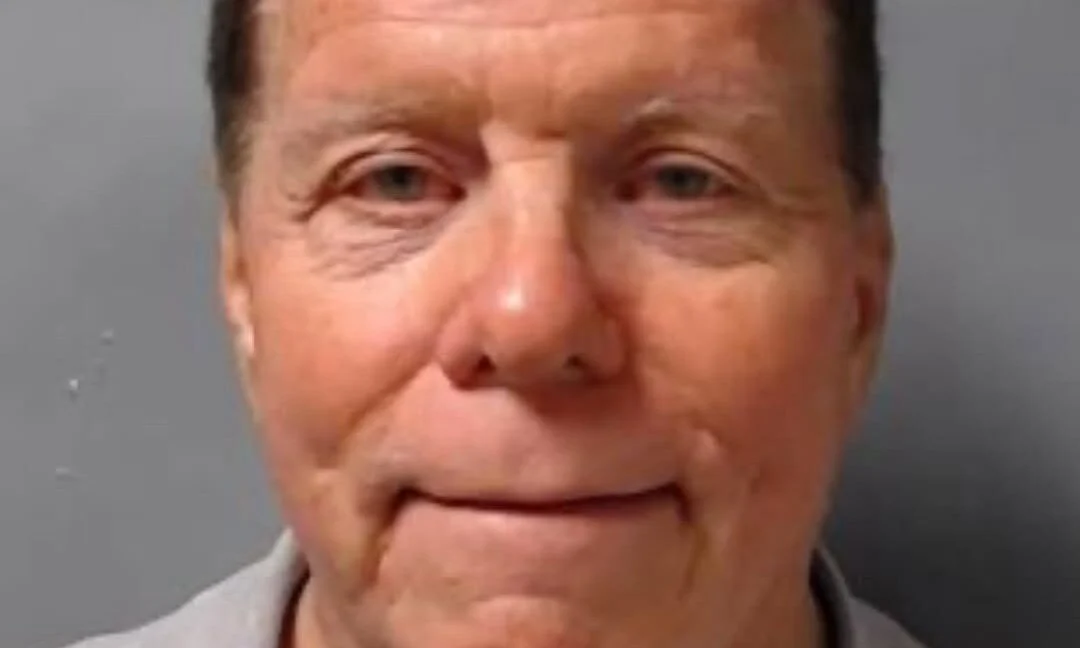
The apprehension of Richard Graydon, a fugitive who had evaded law enforcement for two decades, has sent ripples through both the criminal justice and the biotechnology sectors. Graydon, who operated under a multitude of aliases, was apprehended on July 16 aboard a 56-foot sailing vessel named The Silver Lining on the East River in New York. His capture by U.S. Marshals and the U.S. Coast Guard, described as "without incident," marked the end of a prolonged period on the run, during which he reportedly cultivated a persona as a distinguished figure in the medical and scientific community.
For twenty years, the whereabouts and activities of the man known by various names remained largely a mystery. Authorities, however, had compiled a profile of an individual who was not merely in hiding, but seemingly thriving, utilizing over a dozen assumed identities. His police profile painted a picture of a sophisticated individual, characterized as a "master yachtsman, a world traveler, and internationally connected." This intriguing description was further amplified by his prior appearance on the popular television program America’s Most Wanted, a testament to his status as a high-priority fugitive. The contrast between this fugitive persona and his alleged professional life has raised significant questions about the extent of his deception and the potential risks posed to the institutions he infiltrated.
A Sophisticated Scientific Facade
The extent of Graydon’s alleged professional achievements, particularly within the biotechnology and pharmaceutical industries, has become a focal point following his arrest. In 2017, Graydon, under the name Richard Graydon, self-published a book titled The Genetic Risks of Cancer: The Effects of DNA, Genomics and Inheritance on Aging and Survival. The book presented him as an oncologist with extensive experience, having served as a chief medical officer in the biotech and drug development sector. Notably, the book garnered no reviews on Amazon, a detail that, in retrospect, might have offered an early clue to its author’s true background.
His alleged career trajectory within the biotech sphere appears to have gained significant momentum in recent years. In October 2022, Atossa Therapeutics, a Seattle-based biotechnology company, announced the appointment of Richard Graydon as its interim chief medical officer. The press release quoted Steven Quay, Atossa’s CEO, expressing enthusiasm for Graydon’s arrival. "We are privileged to welcome Richard to Atossa, where his deep experience in CAR-T cell therapy fits well with our current strategic direction as we explore our opportunities in cell therapy," Quay stated at the time. This appointment suggested a belief within Atossa’s leadership that Graydon possessed the requisite expertise and credentials for a senior medical role.
Further compounding the narrative of a distinguished medical professional, in March of the current year, Immix Biopharma announced that it had hired Graydon. Immix, in its announcement, described him as a "board-certified hematologist-oncologist with over 20 years of experience in clinical development, most recently at Merck & Co. and Johnson & Johnson." The company lauded his alleged leadership in new and supplemental new drug applications and biologics license applications for seven approved drugs, including blockbuster cancer treatments such as Darzalex, Carvykti, Keytruda, and Imbruvica. These medications are recognized as some of the world’s best-selling cancer therapies, underscoring the caliber of experience Immix claimed Graydon possessed. The announcement also detailed his academic and training background, stating, "Dr. Graydon received his MD and PhD from Stanford University and trained at Harvard’s Massachusetts General Hospital."
However, the veracity of these claims has come under intense scrutiny. A report by Stat, a prominent health and medicine news outlet, indicated that it "could not verify any of that information." Furthermore, Immix did not respond to requests for comment regarding these discrepancies. This lack of independent verification, coupled with Immix’s silence, casts a long shadow over the validity of Graydon’s purported professional credentials within these organizations.
The Long Road to Capture
The timeline leading to Graydon’s apprehension reveals a prolonged period of evasion. The U.S. Marshals Service, responsible for apprehending federal fugitives, had Graydon on its radar for a significant duration. His description as a "master yachtsman" proved prescient, as his eventual capture occurred while he was sailing on the East River. The U.S. Marshals, in conjunction with the U.S. Coast Guard, executed the interdiction of The Silver Lining, a 56-foot sailing vessel, and took Graydon into custody. The operation, executed with precision and coordination, successfully concluded a manhunt that had spanned two decades.
The legal ramifications of his capture are significant. Graydon, now identified as the fugitive Fischer, faces charges that likely stem from the original reasons for his flight from justice. The specific nature of these original charges remains to be fully detailed, but the duration of his evasion suggests a serious offense. His ability to maintain a hidden identity for so long, and to apparently construct a credible professional life, raises questions about the effectiveness of systems designed to track and apprehend fugitives.
Implications for the Biotech Industry and Beyond
The arrest of Richard Graydon, operating under various aliases including those associated with senior biotech roles, has significant implications for the companies he was affiliated with and the broader industry. For Atossa Therapeutics and Immix Biopharma, the revelation that their interim chief medical officer and a key hire, respectively, may have been a fugitive for two decades is a deeply concerning development.
Due Diligence and Background Checks: The case highlights potential vulnerabilities in the due diligence processes employed by companies, particularly in highly regulated sectors like biotechnology. While companies conduct background checks, the sophisticated nature of Graydon’s alleged deception, including the use of multiple aliases and the construction of a detailed professional history, may have circumvented standard investigative protocols. The ability to obtain positions of significant responsibility without immediate detection suggests a need for enhanced scrutiny, especially when hiring individuals for roles involving access to sensitive information, intellectual property, and corporate strategy.
Reputational Damage: Both Atossa Therapeutics and Immix Biopharma have suffered reputational damage as a result of this association. The news has cast a spotlight on their hiring practices and the vetting of their senior leadership. While companies may not be directly liable for the past actions of individuals who successfully conceal them, the association can erode investor confidence and public trust. In Immix’s SEC filing announcing Graydon’s termination, the company stated, "Given his short tenure, management believes there is no material effect on the business." This statement, while intended to reassure stakeholders, does little to mitigate the immediate reputational fallout.
Regulatory Scrutiny: The biotechnology sector is subject to stringent regulatory oversight by bodies such as the Food and Drug Administration (FDA). The integrity of leadership within these companies is paramount to ensuring compliance and patient safety. An individual with a history of evading law enforcement, even if unrelated to scientific misconduct, could raise concerns for regulatory agencies regarding their suitability for roles that impact drug development and clinical trials.
The Nature of Deception: Graydon’s case is a stark reminder of the lengths to which some individuals will go to evade justice. The contrast between his fugitive status and his alleged professional achievements underscores the complexity of human behavior and the potential for individuals to lead dual lives. His ability to operate as a "master yachtsman" and a "world traveler" while simultaneously holding positions of influence in the scientific community speaks to a remarkable level of compartmentalization and deception.
The fact that Graydon allegedly had a prominent profile on America’s Most Wanted adds another layer of intrigue. This suggests that law enforcement agencies were aware of his fugitive status and had actively sought to bring him to justice. His ability to remain at large for so long, and to build a seemingly legitimate career, raises questions about the effectiveness of inter-agency communication and information sharing, as well as the challenges inherent in tracking individuals who are determined to disappear.
As investigations into Graydon’s past and the specifics of his alleged professional activities continue, the full scope of his deception and its impact will likely become clearer. The case serves as a compelling narrative of a fugitive’s long evasion, the sophistication of his alleged fabricated identity, and the critical importance of robust vetting and transparency within industries that hold significant public trust. The legal proceedings that now unfold will determine the ultimate consequences for Richard Graydon, while the reverberations within the biotechnology sector will necessitate a re-evaluation of security and integrity protocols.