Building professional relationships with industry influencers has become a cornerstone of digital marketing strategy, yet the methodology employed by many creators often leads to diminishing returns. As the creator economy continues to expand—with market estimates suggesting the industry could reach $480 billion by 2027—the competition for the attention of key opinion leaders (KOLs) has intensified. Industry data indicates that high-profile influencers now receive upwards of 100 unsolicited outreach emails daily, a volume that has rendered automated, templated "cold" outreach campaigns largely ineffective and, in some cases, detrimental to brand reputation.
The shift in professional networking requires a move away from mass-marketing software and toward high-touch, value-driven engagement. This report details the strategic framework for establishing meaningful connections with niche influencers, grounded in reciprocity and professional decorum.
The Decline of Automated Outreach Systems
The reliance on automated email sequencing tools—which trigger messages based on recipient interaction—is increasingly viewed as a liability. These platforms, while marketed as efficiency boosters, often rely on boilerplate templates that fail to account for the nuances of individual influencer preferences. Analysis of current industry trends shows that "spray and pray" outreach tactics result in an engagement rate of less than 1%, with many influencers actively blacklisting domains associated with repetitive, low-effort spam.
Furthermore, the prevalence of these tools has created a "noise" problem. Influencers managing audiences in the hundreds of thousands report that the vast majority of unsolicited contact is either irrelevant to their current projects or fails to demonstrate any prior familiarity with their body of work. Consequently, the most successful networking attempts are now those that bypass automated systems in favor of authentic, researched, and personalized communication.
A Strategic Framework for Engagement
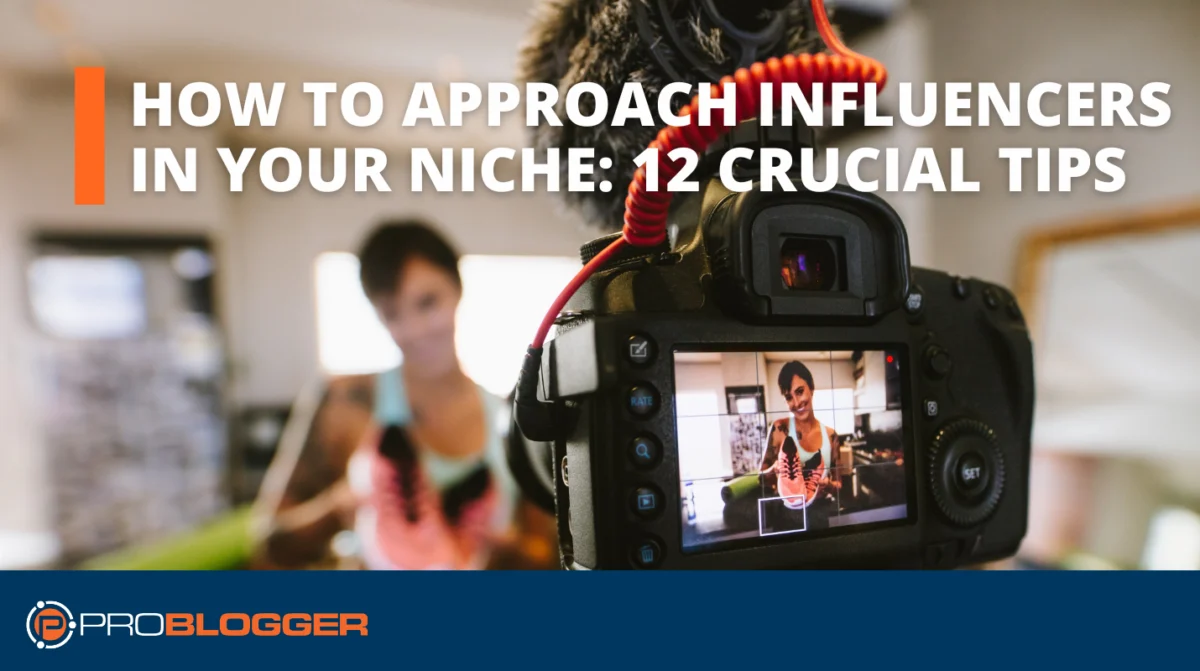
Successful networking with influencers is characterized by a long-term approach rather than immediate transactional gain. The following twelve principles serve as a guide for building credibility and fostering mutually beneficial partnerships.
Establishing Professional Boundaries and Resilience
The initial hurdle in influencer outreach is psychological: managing expectations regarding response times. Influencers operating at scale often face high message volume, making non-responsiveness the statistical norm rather than a personal slight. Maintaining professional composure is essential; public calls or social media grievances regarding a lack of response are considered significant professional blunders and typically result in immediate reputational damage.
The Necessity of Personal Branding
Before initiating contact, an individual must ensure their own digital presence reflects a baseline level of professional credibility. Influencers will naturally perform due diligence on any individual reaching out to them. An active, professional, and consistent online presence—even for those with smaller audiences—is viewed as a sign of commitment and competence. This involves curating social media channels to reflect industry-relevant expertise rather than personal grievances or off-topic commentary.
Identifying Optimal Channels of Communication
Not all communication platforms yield equal results. Influencers often maintain a presence across multiple social networks but reserve high-level engagement for specific platforms. Researching an influencer’s activity log is a critical pre-outreach step. For instance, an influencer may have a dormant Instagram account but remain highly active in professional Facebook groups or specific industry forums. Tailoring the outreach channel to match the influencer’s preferred ecosystem significantly increases the likelihood of a response.
Adding Value through Content Engagement
Value-add engagement is defined by substantive contributions to an influencer’s existing ecosystem. This transcends generic feedback like "great post." Effective engagement involves:

- Constructive Discussion: Contributing to comment sections with data, personal experience, or insightful questions that advance the topic.
- Community Support: Assisting in the management of comments or answering questions from other audience members, thereby lightening the influencer’s administrative burden.
- Volunteerism: Offering specialized skills—such as graphic design, research assistance, or event moderation—to support the influencer’s upcoming initiatives.
Reciprocal Promotion and Audience Growth
Even practitioners with modest audiences can assist established influencers by amplifying their content. This includes cross-promotion on social media, linking to their work in reputable guest posts, or facilitating interviews and case studies. Historically, high-value mentions in major publications or industry roundups have served as significant catalysts for influencer growth, and those who provide such opportunities are frequently viewed as valuable long-term partners.
Facilitating Commercial Success
Influencers are frequently tasked with monetizing their platforms. Providing assistance in this area—such as creating genuine testimonials, offering to review products, or acting as a high-quality affiliate—aligns the partner’s goals with the influencer’s business objectives. Video or audio testimonials are currently in high demand due to their effectiveness in boosting conversion rates on sales pages.
Identifying Time-Sensitive Opportunities
Influencers often experience cycles of high activity, such as book launches, product releases, or the migration to new social media platforms. These periods of "intense demand" are ironically the best times to provide assistance. By identifying these windows and offering specific, low-friction help, a collaborator can become a vital asset during a critical business moment.
The Human Element: Building Personal Rapport
Beyond business, influencers are individuals susceptible to the same pressures as any other professional. Engaging with them on a human level—offering encouragement during difficult periods or participating in light-hearted, relevant discourse—can create a stronger bond than purely professional interactions. A well-timed, context-appropriate interaction can foster a sense of mutual respect that lasts far beyond the initial outreach.
Long-Term Implications of Networking
The current landscape of digital networking suggests that the "ask-first" mentality is obsolete. Establishing a connection before a favor is required is the only sustainable strategy. Many of the most successful professional partnerships reported by industry leaders began with years of low-level, consistent, and helpful engagement that eventually evolved into deep-seated collaborations.

Data Analysis and Future Outlook
Internal audits from marketing agencies suggest that organizations that focus on "relational marketing" over "transactional marketing" see a 30% increase in long-term campaign efficacy. As AI-generated content continues to saturate the internet, the human element of influencer relations will likely become even more premium.
In conclusion, the approach to influencers should be treated as a long-term investment in social capital. By prioritizing genuine interest, providing tangible value, and respecting professional boundaries, creators can move from being another message in an overflowing inbox to being a trusted, recognized partner in the influencer’s network. The goal is not to "hack" the process, but to build a professional foundation that can withstand the test of time and changing market dynamics.