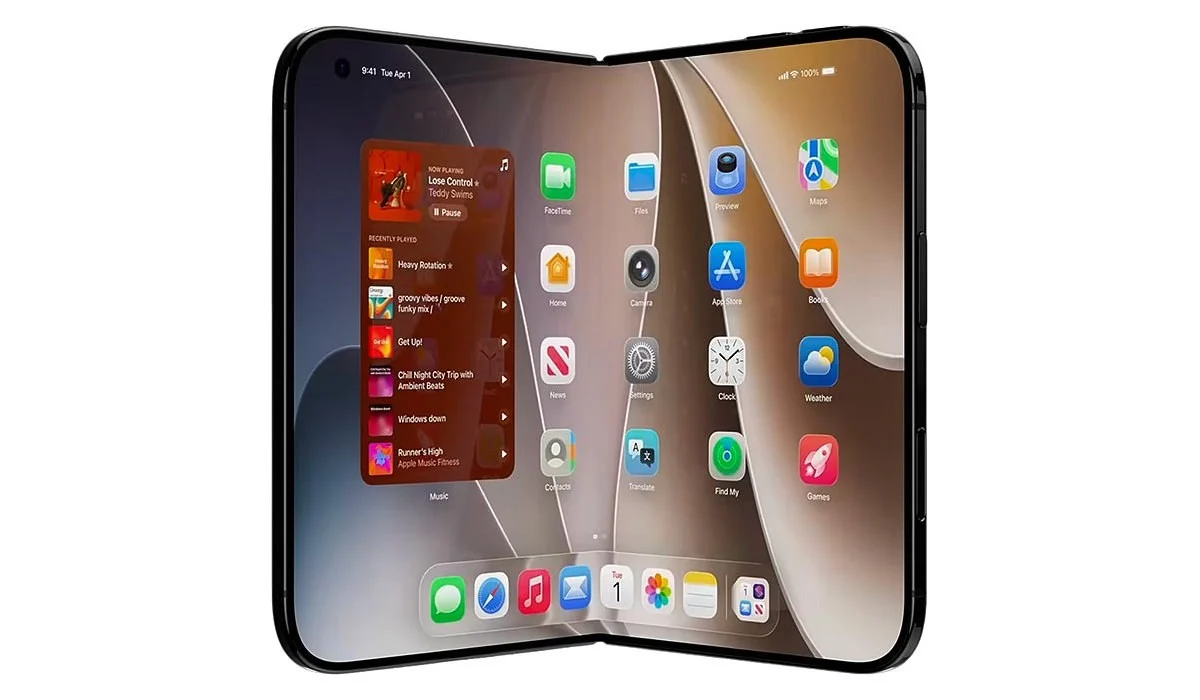
A new report emerging from industry sources suggests that Apple’s highly anticipated iPhone Ultra, a device long rumored to be a groundbreaking entry into the foldable smartphone market, may be facing a significant production delay. This latest development injects further confusion into an already convoluted rumor mill, with conflicting reports painting a picture of uncertainty surrounding the device’s availability. While some recent whispers hinted at an on-time launch, this new information, primarily attributed to insights from Apple’s key manufacturing partner, Foxconn, points towards potential manufacturing hurdles that could push the iPhone Ultra’s market debut further down the line.
A Shifting Narrative of Uncertainty
The saga of the iPhone Ultra’s release has been a masterclass in speculative reporting and the ever-shifting landscape of tech rumors. Over the past several months, the narrative has swung back and forth, leaving consumers and industry analysts alike in a state of anticipation mixed with confusion. Initially, reports surfaced suggesting that the iPhone Ultra’s development was encountering significant roadblocks, even hinting at a potential postponement to the following year. These early indications were met with a subsequent wave of counter-rumors, with some reputable sources claiming that the device was, in fact, on track for its original September unveiling.
However, the latest intelligence from Digitimes, a publication with a strong track record in reporting on Apple’s supply chain, suggests that the foldable iPhone’s journey to market may not be as smooth as previously hoped. The report specifically cites production challenges faced by Foxconn, Apple’s primary assembler for its flagship iPhone models. These difficulties are reportedly centered around the intricate hinge mechanism and the overall durability of the foldable display, critical components for any device venturing into the nascent foldable category. The extent to which these issues will impact the production schedule remains unclear, leaving a cloud of doubt over the device’s immediate future.
September Unveiling Still Likely, Availability in Question
Despite the burgeoning concerns about production, a consensus among most recent rumors indicates that the iPhone Ultra will still make its grand entrance in September. This is the traditional month for Apple’s annual iPhone launch events, and it is widely expected that the iPhone Ultra will be unveiled alongside the flagship iPhone 18 Pro and iPhone 18 Pro Max models. This simultaneous unveiling would strategically position the Ultra as a premium, aspirational offering within the new iPhone lineup, allowing Apple to showcase its latest innovations across its entire smartphone portfolio.
The crucial question, therefore, shifts from if the device will be announced to when it will actually be available for purchase. The potential production delays could mean that while the iPhone Ultra is showcased to the world in September, consumers might have to wait considerably longer to get their hands on one compared to the Pro and Pro Max variants. This would mark a departure from Apple’s usual practice of making newly announced devices available for pre-order and purchase within a couple of weeks of their reveal.
Unpacking the Production Challenges: Hinge and Display Durability
The core of the reported production issues lies in the inherent complexities of foldable technology. Unlike traditional smartphones with rigid displays, foldable devices require sophisticated engineering to ensure a seamless folding experience without compromising the integrity of the screen. The hinge mechanism is a particularly intricate component, needing to withstand thousands of folds and unfolds while maintaining a smooth and secure operation. Any weakness or design flaw in the hinge can lead to premature wear and tear, significantly impacting the user experience and the device’s lifespan.

Furthermore, the foldable display itself presents unique durability challenges. Early generations of foldable phones from various manufacturers have encountered issues with screen creasing, micro-cracks, and susceptibility to dust and debris. Apple, known for its meticulous attention to detail and commitment to user experience, is undoubtedly aiming to avoid these pitfalls. The reported adjustments by Foxconn suggest that Apple is actively working to refine the manufacturing process to ensure the iPhone Ultra’s display and hinge meet its stringent quality and durability standards. This dedication to perfection, while commendable, can often lead to unforeseen production bottlenecks, especially when dealing with novel technologies.
The Broader Context of Foldable Innovation
The foldable smartphone market, though still in its relative infancy, has seen significant growth and innovation in recent years. Companies like Samsung, with its Galaxy Z Fold and Z Flip series, have established themselves as early leaders, continuously refining their designs and addressing consumer concerns. Motorola’s Razr and Google’s Pixel Fold are other notable entries that highlight the diverse approaches to foldable form factors.
Apple’s entry into this market has been highly anticipated, with many viewing it as a potential catalyst for mainstream adoption of foldable technology. The Cupertino giant’s reputation for product design, software integration, and ecosystem strength could significantly influence consumer perception and demand for foldable devices. However, this also means that Apple faces immense pressure to deliver a product that not only meets but exceeds the expectations set by existing players. The decision to delay production to ensure quality, rather than rushing a potentially flawed product to market, aligns with Apple’s long-standing strategy of prioritizing user experience and product refinement.
Market Implications and Consumer Expectations
A delay in the iPhone Ultra’s availability, even if it is unveiled in September, could have several implications. Firstly, it might allow competitors to further solidify their positions in the foldable market. Secondly, it could temper the initial excitement and demand from early adopters who are eager to be among the first to own Apple’s foldable offering.
However, from a consumer perspective, a delay driven by a commitment to quality is generally preferable to a rushed release of a potentially problematic device. The "wait and see" approach adopted by many in the tech industry, particularly given the conflicting rumors, is a prudent one. Consumers who have been saving for what is expected to be a premium-priced device should continue to do so, as the iPhone Ultra is anticipated to command a significant price tag, likely exceeding that of current flagship iPhones. This high price point underscores the advanced technology and complex manufacturing involved in creating a foldable iPhone.
What to Expect Next
As the industry awaits further concrete information, the focus remains on Apple’s supply chain and the progress of Foxconn’s production adjustments. Official statements from Apple regarding the iPhone Ultra’s release timeline are unlikely until its formal unveiling. However, the persistence of these production-related rumors suggests a tangible issue that needs to be addressed.
For now, the advice to potential buyers is to remain patient and informed. Continue to monitor reputable tech news outlets for updates from multiple sources. The iPhone Ultra represents a significant step for Apple, and the company will undoubtedly want to ensure its debut is a resounding success. Whether that debut is marked by a simultaneous launch and availability, or a staggered release, remains the central question as the tech world watches with bated breath. The journey of the iPhone Ultra from concept to consumer is proving to be as intricate and complex as the device itself, a testament to the challenges and triumphs of pushing the boundaries of smartphone technology.