The modern grocery landscape is undergoing a silent transformation that has left many consumers questioning the authenticity of the snacks they have enjoyed since childhood. Over the past three decades, the confectionery and snack food industry has navigated a complex intersection of regulatory pressure, shifting global supply chains, and evolving consumer preferences. This phenomenon, often characterized by subtle changes in product weight, ingredient composition, and pricing structures, is not merely a matter of nostalgia. It represents a calculated response by manufacturers to maintain profit margins in an era of fluctuating commodity costs and heightened health scrutiny.

The Drivers of Reformulation and Shrinkflation
The transition of classic snack foods is primarily driven by three factors: the "clean label" movement, the rising cost of raw materials, and the strategic implementation of shrinkflation. Since the late 2010s, regulatory bodies—most notably the U.S. Food and Drug Administration (FDA)—have pushed for the elimination of partially hydrogenated oils (PHOs) and the reduction of synthetic dyes. This has forced manufacturers to re-engineer iconic products. When a chemical preservative or a synthetic colorant is replaced with a natural alternative, the sensory profile of the food inevitably shifts, leading consumers to perceive a decline in quality or taste.

Simultaneously, the industry has faced significant volatility in commodity pricing. Cocoa prices, for instance, experienced a historic surge in the mid-2020s, forcing chocolate manufacturers to either reduce the net weight of their bars or alter the composition of their coatings. This has resulted in the phenomenon of "shrinkflation," where the retail price remains constant while the volume of the product decreases. By reducing package sizes by 5% to 10%, companies can obscure price increases from the average shopper, who is more likely to notice a change in the price tag than a marginal reduction in product weight.

A Chronology of Change: From Manufacturing to Market
The shift in the snack food sector can be categorized into three distinct eras. In the 1990s and early 2000s, the focus was on mass-market distribution and the proliferation of artificial ingredients, which offered high shelf stability and vibrant aesthetic appeal. This era established the consumer "baseline" for flavors like neon orange cheese powders and hyper-sweetened drink mixes.

The second phase, occurring between 2010 and 2020, saw the rise of the health-conscious consumer. During this time, major food corporations began to phase out artificial coloring in response to public outcry and academic studies linking synthetic dyes to hyperactivity in children. Manufacturers began replacing Yellow 5 and Red 40 with extracts from turmeric, paprika, and beets. While this improved the nutritional profile of these products, it necessitated adjustments in the flavor and texture of items like fruit snacks and frosted animal crackers.

The third and current phase, initiated by the economic disruptions of the mid-2020s, is defined by supply chain optimization. Companies have moved toward "premiumization" of the snack aisle, pushing high-margin, single-serve convenience packs that offer higher profit margins than traditional bulk packaging.

Data Analysis: The Hidden Costs of Convenience
Market research indicates that the "convenience premium" is the most significant factor in rising grocery bills. Consumers frequently underestimate the cost disparity between bulk items and pre-packaged, single-serve portions. For example, analysis of average retail prices shows that purchasing a 12-pack of individual pudding cups or snack-sized cracker bags can cost upwards of 200% more per ounce than purchasing the equivalent volume in a standard box or bulk container.
This price discrepancy is particularly evident in the "snack cake" and "wafer bar" categories. When manufacturers move to individual wrapping, they pass the costs of the additional packaging material, secondary shipping, and specialized production line labor directly to the consumer. For households looking to manage their grocery budget, the shift toward these "on-the-go" formats represents one of the most effective ways for manufacturers to increase revenue without raising the headline price of a product.
Industry Perspectives and Regulatory Compliance
Industry representatives argue that these changes are necessary to balance consumer demand for affordability with the rising cost of high-quality ingredients. A spokesperson for a major food processing conglomerate noted that the transition to natural ingredients often increases the cost of goods sold (COGS) by 15% to 20%, as natural alternatives require more complex supply chains and are prone to higher spoilage rates than their synthetic counterparts.

From a regulatory standpoint, the changes have been largely positive. The removal of PHOs has been praised by nutritionists as a significant victory for public health, as these fats were directly linked to cardiovascular disease. However, the lack of transparency regarding "stealth reformulations"—where recipes are altered without explicit marketing—has led to consumer skepticism. When a product’s label changes from "milk chocolate" to "chocolatey coating," it is a direct result of regulatory requirements regarding cocoa butter content, yet it often signals a lower-cost, lower-quality final product.

The Strategic Consumer: Mitigating the Impact
To navigate the current marketplace, financial analysts and consumer advocates suggest a more critical approach to grocery shopping. The primary tool for the informed consumer is the "unit price" found on the shelf tag. While the package size may look similar to those of a decade ago, the unit price provides an objective metric for comparison, effectively neutralizing the deceptive nature of shrinkflation.

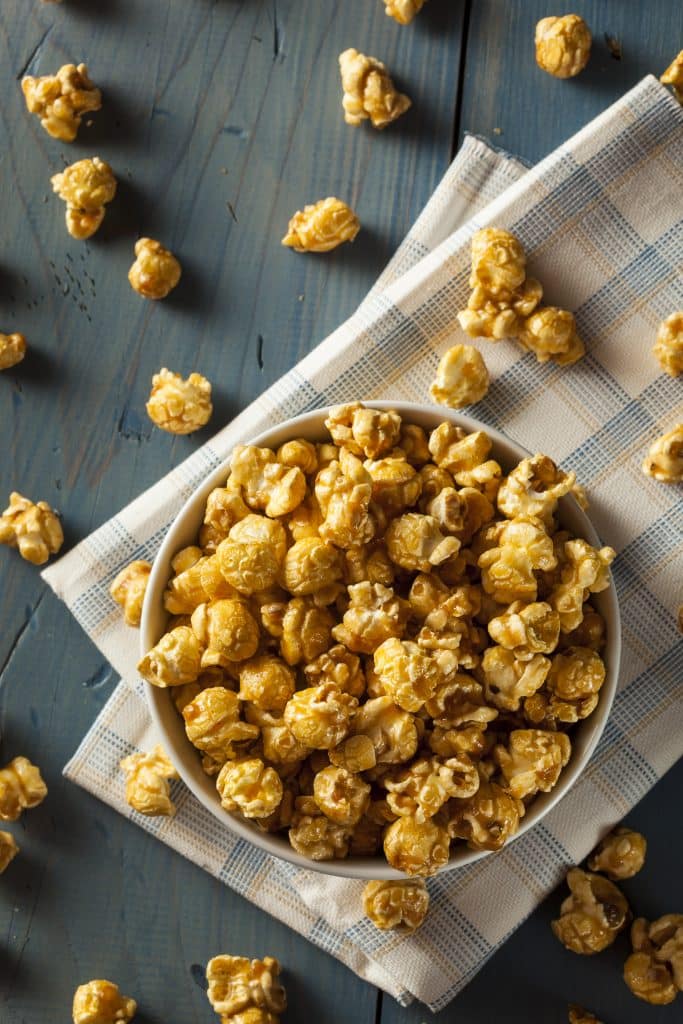
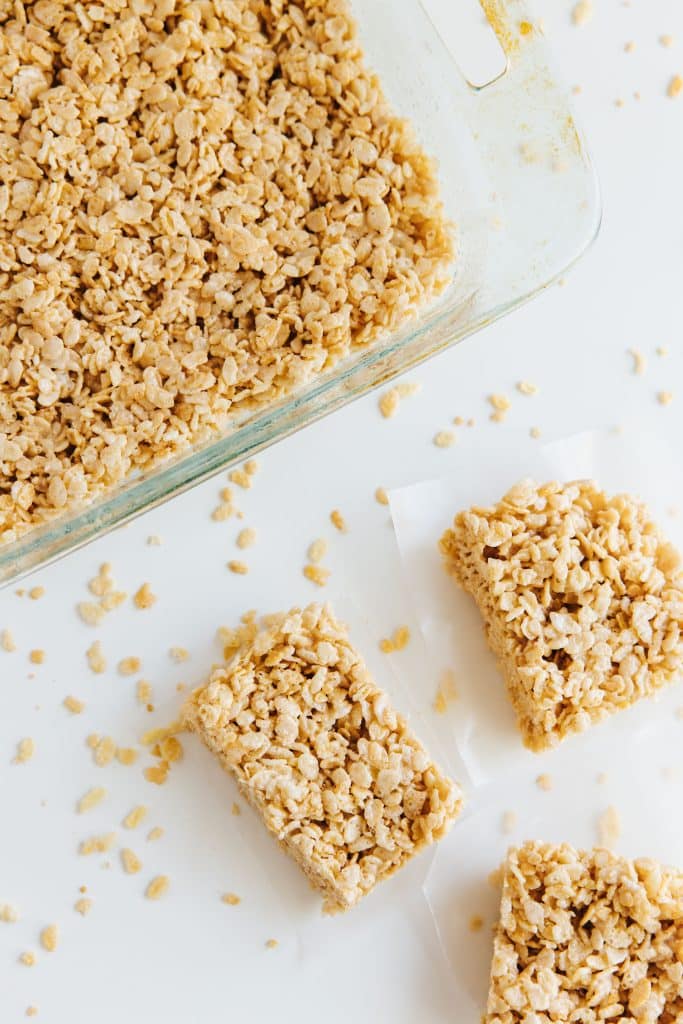
Furthermore, there is a clear economic advantage to returning to the preparation of basic snacks at home. Items such as caramel corn, rice cereal treats, and pudding are structurally simple to produce. By purchasing base ingredients like bulk corn kernels, marshmallows, and powdered gelatin, households can avoid the manufacturing and marketing markups embedded in processed snack products.

Broader Implications for the Food Economy
The evolution of these snacks is a microcosm of the broader food economy. As global population growth and climate-related supply chain disruptions continue to put pressure on agricultural yields, the reliance on processed, shelf-stable goods will likely increase. This suggests that the trends of reformulation and resizing are not temporary, but rather a permanent feature of the modern food system.
Ultimately, the snacks that defined childhood for many are becoming different products entirely. The "snack aisle" of the future will be defined by smaller portions, cleaner ingredient lists, and higher price points. For the consumer, the path forward involves a departure from brand loyalty and a shift toward analytical purchasing. By recognizing the mechanics behind these shifts, consumers can regain control over their household budgets and make informed decisions about the value of the products they choose to bring into their homes. As the market continues to evolve, the most effective strategy remains simple: look past the marketing, verify the unit price, and prioritize items that offer the highest nutritional and financial return.