Most modern households maintain at least one storage area—a "junk drawer" or utility closet—filled with items that seemed essential at the point of purchase but quickly lost their utility. An analysis of consumer spending habits indicates that a significant portion of household budgets is drained by recurring, low-cost items that are purchased out of habit rather than necessity. By identifying these patterns, consumers can transition from reactive, autopilot shopping to a more strategic, intentional approach to personal finance.
The Anatomy of Consumer Habituation
Consumer psychologists suggest that "autopilot shopping" is driven by marketing efficacy and the psychological comfort of restocking. Retailers often position low-cost items in high-traffic zones or near checkout lines, leveraging the "impulse buy" phenomenon. When these small purchases are aggregated over a calendar year, they often amount to hundreds of dollars in wasted capital. The following analysis details thirty-three categories where consumer behavior often deviates from optimal financial management.

Kitchen and Maintenance Efficiencies
The most common point of fiscal leakage occurs in the kitchen, where disposable items are treated as weekly staples.

- Kitchen Sponges: The standard practice of replacing sponges weekly is largely a product of aggressive marketing. Scientific studies on kitchen hygiene suggest that while sponges harbor bacteria, they can be sanitized in a dishwasher or microwave. By rinsing and allowing them to fully air-dry, the lifespan of a sponge can be tripled, reducing annual expenditure significantly.
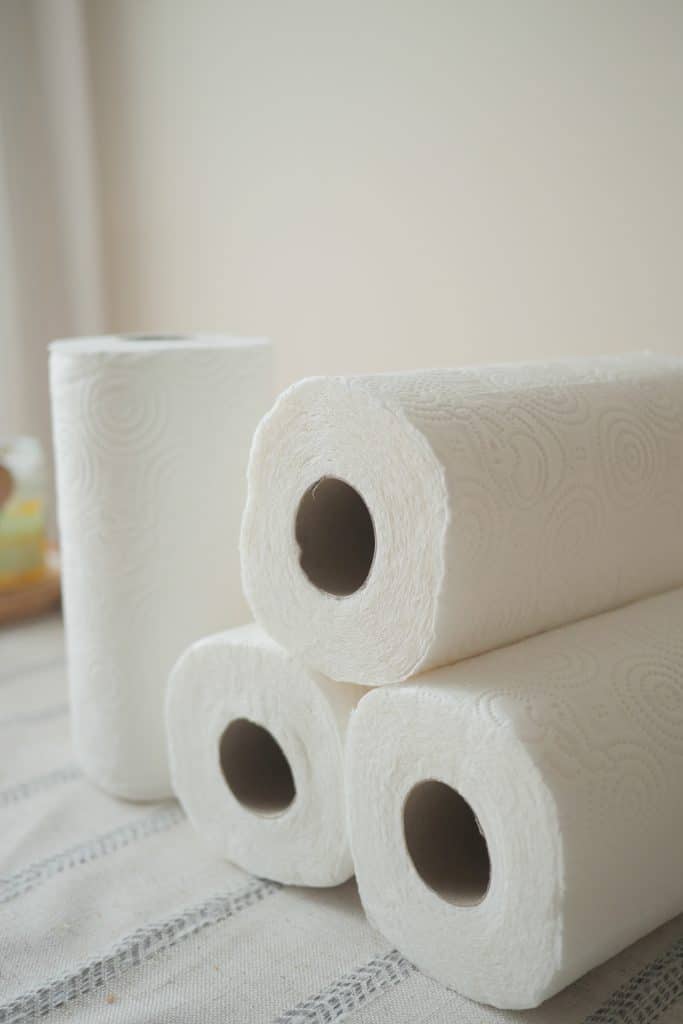
- Paper Towels: Households often rely on paper towels for tasks that are better suited for microfiber cloths or repurposed textiles. While paper towels remain essential for handling raw meat or hazardous spills, switching to reusable cloth for water and crumbs can cut paper product consumption by an estimated 40% annually.
- Bottled Water: Data from the Environmental Protection Agency (EPA) and various consumer advocacy groups highlight that bottled water is often significantly more expensive than tap water, especially when factoring in transport and plastic waste. Utilizing a high-quality filter pitcher provides a comparable product at a fraction of the cost per ounce.
- Single-Use Gadgets: Kitchen tools designed for a single purpose—such as avocado slicers or strawberry hullers—often occupy valuable drawer space while failing to outperform a standard chef’s knife.
- Nonstick Cookware: Many consumers accept a yearly replacement cycle for nonstick pans. However, industry experts note that with proper heat management and the avoidance of metal utensils, a mid-range nonstick pan should provide three to five years of service.
Technical and Appliance Lifecycle Management
A major source of avoidable debt involves the premature replacement of appliances and office equipment.

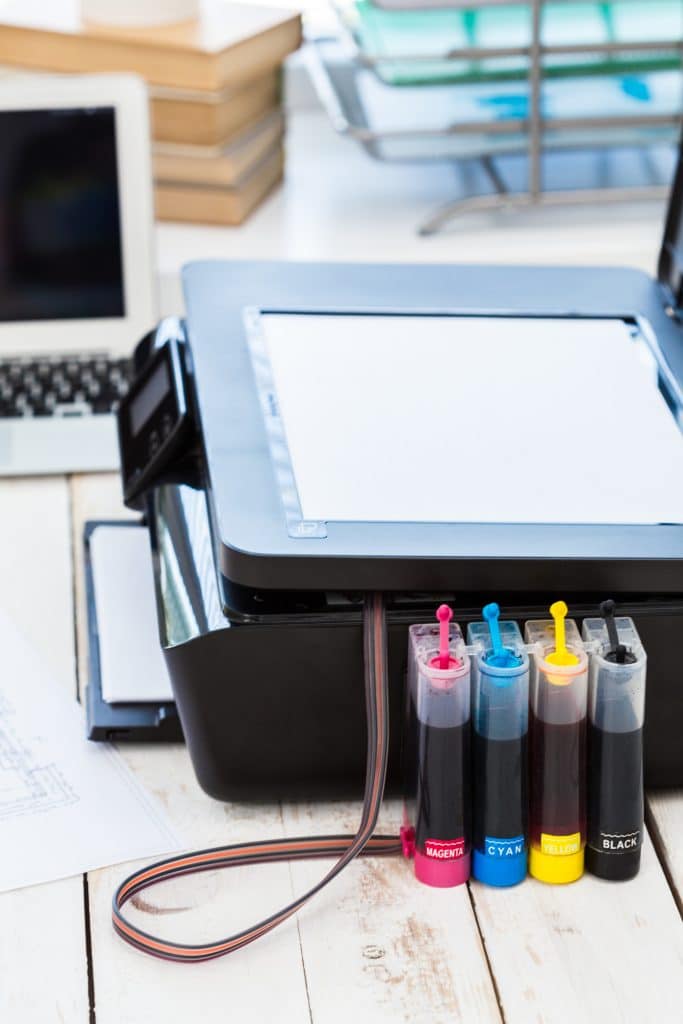
- Printer Ink: The business model of printer manufacturers often relies on the high-margin sale of ink cartridges. Research indicates that third-party compatible cartridges or refilling kits can reduce printing costs by up to 70% without a noticeable decline in quality.
- Extended Warranties: Consumer advocacy organizations, including Consumer Reports, have long advised against extended warranties on small appliances. The statistical likelihood of a device failing within the warranty period, but after the manufacturer’s initial coverage expires, is low, making these warranties a high-margin product for retailers rather than a safeguard for the consumer.
- Coffee Makers: Before discarding a coffee maker that appears to be losing pressure, a descaling process using vinegar or a specialized solution can often restore the machine to optimal performance. This simple maintenance task can delay replacement costs by several years.
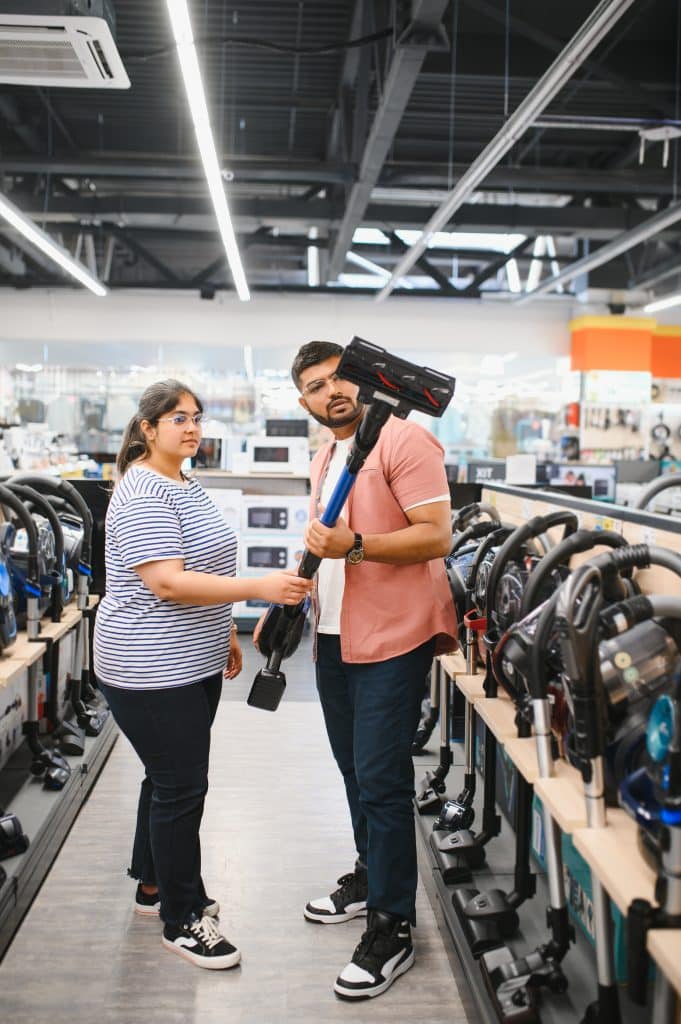
- Vacuum Maintenance: The most frequent reason for vacuum replacement is a loss of suction. Data from repair services shows that in over 80% of cases, the "broken" unit simply requires a deep cleaning of the filter, a cleared brush roll, or an emptied canister.
Furniture, Decor, and Long-Term Assets
The retail industry utilizes seasonal cycles to encourage constant home refreshes, which can lead to rapid capital depreciation.
- Seasonal Furniture Purchases: Furniture pricing follows a predictable retail calendar, with deep discounts typically occurring in late winter and late summer. Consumers who purchase furniture on demand rather than waiting for these cycles often pay a premium of 20% to 30%.
- The "Empty Space" Fallacy: Interior designers note that the pressure to immediately fill an empty room leads to impulse purchases of low-quality decor. Allowing a space to remain "unfinished" while curating intentional, high-quality pieces results in a more cohesive aesthetic and higher long-term value.
- Collectibles: Historically, mass-produced items marketed as "future investments"—such as limited-edition plates or figurines—rarely appreciate in value. Financial planners consistently warn against viewing decorative items as financial assets.
Recurring Small-Dollar Expenses
The compounding effect of small, recurring purchases is often underestimated by the average household.
- Greeting Cards: The retail price of premium greeting cards has risen sharply in recent years. Given that these items are typically discarded shortly after receipt, the cost-to-utility ratio is unfavorable. Handwritten notes on simple stationery often carry more personal weight for a fraction of the cost.
- Trash Bags: Buying small boxes of trash bags at supermarkets usually involves a significant markup compared to bulk purchasing at warehouse clubs. This is a classic example of the "convenience tax."
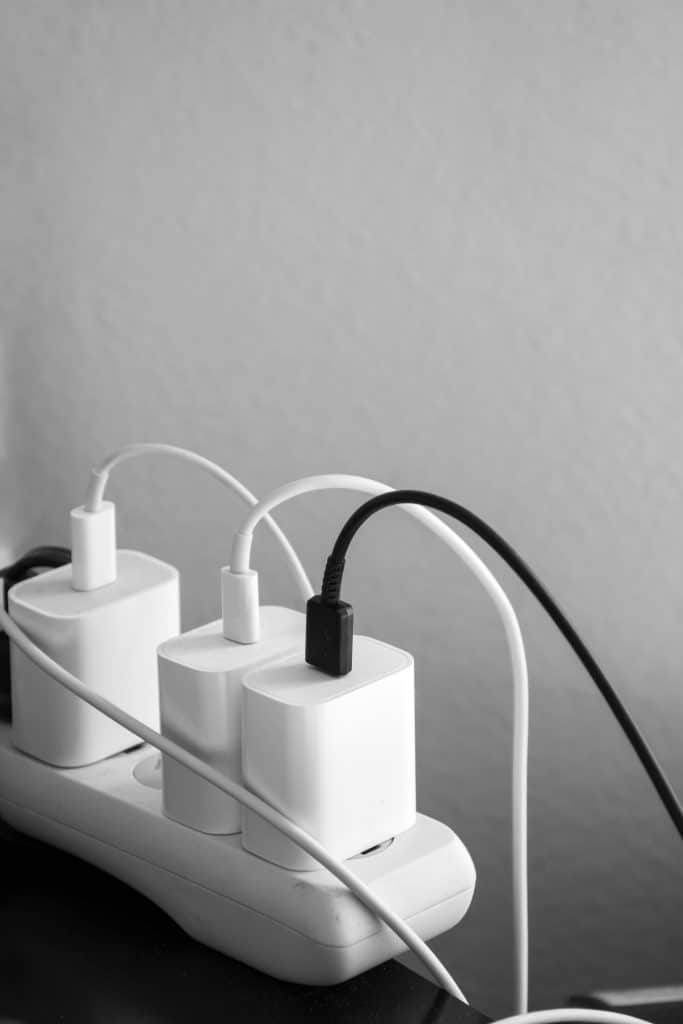
- Batteries: The "one pack at a time" method is the most expensive way to purchase energy. Transitioning to rechargeable batteries and a dedicated charging station provides a return on investment within the first year of use.
The Broader Economic Implications
The transition away from these thirty-three habits represents more than just individual cost-saving; it reflects a broader shift toward "conscious consumption." Economic analysts observe that as inflation impacts household budgets, consumers are increasingly prioritizing durability over disposability.
A Chronology of Consumption Trends
- 1990s–2000s: The rise of big-box retail and the proliferation of low-cost, disposable household goods encouraged a high-turnover model.
- 2010s: The "minimalism" movement began to influence consumer behavior, emphasizing quality over quantity and the reduction of clutter.
- 2020s–Present: Economic volatility has accelerated a return to "frugality-as-strategy," where households are applying rigorous maintenance and repair protocols to existing assets rather than participating in the cycle of constant replacement.
Conclusion and Strategic Recommendations
To effectively implement these changes, households should perform a "spending audit." By reviewing bank statements for the past six months, families can identify which items are being purchased on a recurring basis. The "Generic Test"—switching to store-brand alternatives for one cycle—can further determine if a name-brand product is truly providing superior value or merely charging for marketing overhead.

Ultimately, the goal is to shift from reactive spending, where purchases are made out of panic or habit, to proactive asset management. By treating the home like a managed environment, individuals can secure significant long-term financial stability. These adjustments do not imply a lifestyle of deprivation; rather, they signify a transition toward a more deliberate and sustainable economic footprint. Through careful monitoring of small expenditures, the cumulative impact on the household balance sheet is both measurable and substantial.