The 19th century stands as perhaps the most transformative era in human history, acting as the crucible for the technological advancements that define the contemporary age. Before this century, human society was defined by manual labor, localized economies, and communication speeds limited by the pace of a galloping horse. The rapid industrialization of the 1800s replaced the pastoral rhythms of the past with the steady hum of machinery, the instant transmission of information, and the electrification of the night. By examining the chronology of these inventions, it becomes clear that modern life is not merely an evolution of 19th-century concepts, but a direct beneficiary of the foundational patents and scientific breakthroughs achieved between 1800 and 1899.
The Dawn of Modern Calculation: Charles Babbage and the Analytical Engine
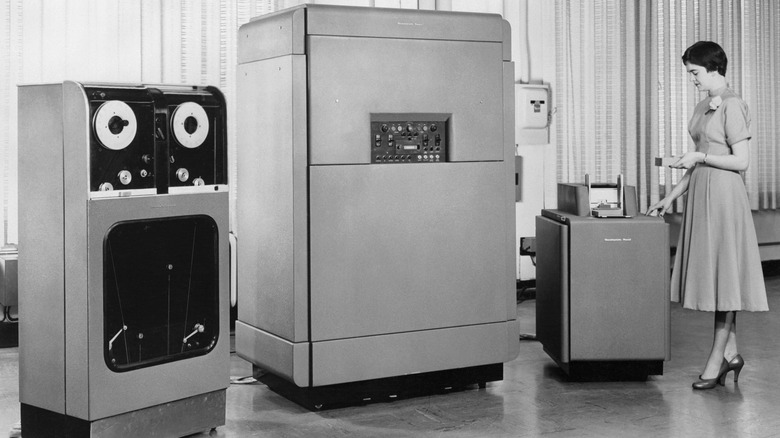
The quest for automated computation began in 1821 with English mathematician Charles Babbage. His Difference Engine No. 1 was an ambitious attempt to eliminate human error in mathematical tables, which were critical for navigation and astronomy at the time. While his machines—the Difference Engine and the subsequent, more sophisticated Analytical Engine (1837)—were never fully realized in his lifetime due to funding disputes and engineering limitations, they provided the conceptual blueprint for modern computing.
Babbage’s design included the four pillars of modern architecture: an arithmetic logic unit, a memory store, a control unit, and input/output capabilities using punched cards. Historians note that Babbage’s vision was a century ahead of its time, providing the theoretical framework that Alan Turing would later utilize to build the first electronic, programmable computers during World War II.
Electrochemical Foundations: The Battery
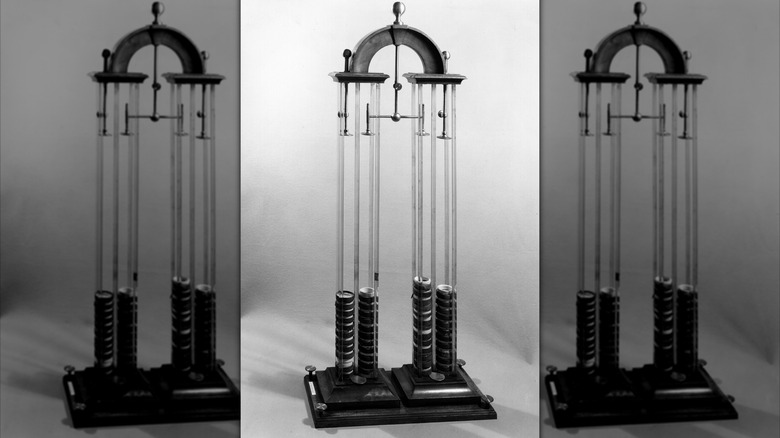
The modern reliance on mobile, high-energy density storage began in 1800 with Alessandro Volta’s invention of the voltaic pile. By stacking alternating discs of zinc and silver separated by brine-soaked cloth, Volta created the first continuous source of electricity. This was a radical departure from the Leyden jars of the 18th century, which could only store static electricity in short bursts.
The trajectory of this technology accelerated in 1859 when Gaston Planté developed the first rechargeable lead-acid battery. This milestone allowed for the storage of energy that could be replenished, a principle that today powers everything from smartphones to electric vehicles. Without this 19th-century pivot toward electrochemical storage, the modern "always-on" global economy would be impossible.
The Connectivity Revolution: Telephones and Telegraphs
Before the mid-1800s, communication over vast distances was limited to physical mail. The invention of the telegraph, patented by Samuel Morse in 1844, fundamentally altered the speed of commerce and diplomacy. By utilizing electrical pulses and a system of dots and dashes, Morse enabled the instantaneous transmission of messages across continents. The subsequent laying of the first transatlantic cable in 1866 served as the precursor to today’s global fiber-optic internet infrastructure.
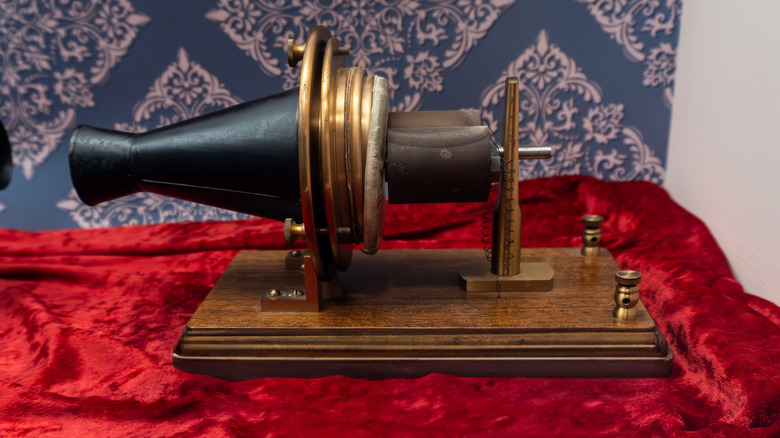
Following the telegraph, the telephone—patented by Alexander Graham Bell in 1876—introduced the concept of instantaneous vocal communication. Bell’s ability to convert sound waves into electrical signals and back again established the technical foundation for modern global telecommunications. The evolution from wire-bound local exchanges to modern cellular networks can be traced directly back to the principles first demonstrated in Bell’s workshop.
Capturing Reality: The Birth of Photography
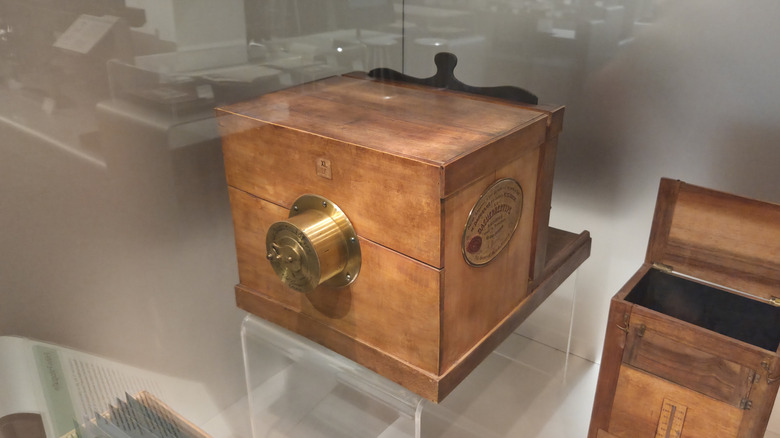
The transition from hand-painted portraiture to visual documentation began in 1826 when Nicéphore Niépce captured the first permanent photograph. However, it was Louis Daguerre’s 1839 introduction of the daguerreotype that made photography a viable, detailed medium. Concurrent developments by William Henry Fox Talbot in England provided the negative-positive process that became the standard for film photography for the next 150 years. By 1888, the introduction of the Kodak camera brought photography to the masses, turning the average citizen into a visual chronicler of their own lives—a trend that has exploded in the digital age.
Mechanical Propulsion: The Internal Combustion Engine
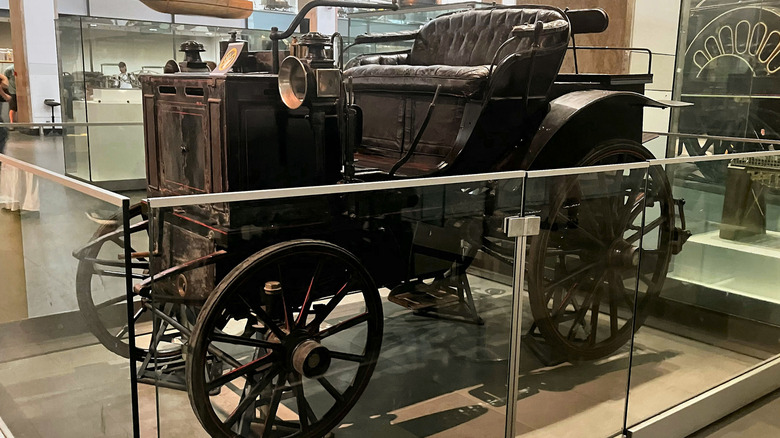
While steam engines powered the early Industrial Revolution, they were cumbersome and inefficient for individual transport. The internal combustion engine, patented by Étienne Lenoir in 1860, moved the power source inside the machine itself. This breakthrough, refined by Nicolaus Otto’s four-stroke engine in 1877, enabled the creation of the Benz Patent-Motorwagen in 1886. This innovation shifted human mobility from reliance on animal power to liquid-fuel propulsion, dictating the urban planning, supply chains, and environmental challenges of the 21st century.
Material Science and Public Safety: Vulcanized Rubber
The industrial utility of rubber was historically hampered by its tendency to melt in heat and shatter in cold. Charles Goodyear’s 1839 accidental discovery of vulcanization—a process involving the addition of sulfur and heat to raw latex—created a stable, durable material. This invention was the catalyst for the automotive tire industry and the development of gaskets, hoses, and seals that allow modern machines to operate under high pressure.
The Medical Frontier: X-rays
In 1895, Wilhelm Roentgen’s accidental discovery of X-rays provided the medical community with its first non-invasive look inside the human body. By using cathode rays to expose photographic plates, Roentgen could visualize the internal structure of bone and tissue. This discovery transformed diagnostic medicine, transitioning clinical practice from exploratory surgery to precision imaging. Today, this technology has expanded into airport security, structural engineering, and advanced medical diagnostics like CT scans.
The Age of Illumination: Electric Lighting
Before 1879, night-time illumination relied on coal gas, oil, or flame. Thomas Edison’s commercially successful incandescent light bulb changed the nature of work, leisure, and public safety by allowing for clean, manageable light. Edison’s success was not just in the bulb itself, but in the creation of the power grids necessary to supply them. Though the world has shifted toward LED and fluorescent alternatives, the 19th-century transition to electric light remains the most significant shift in human sleep and work patterns in recorded history.
Storing the Human Voice: The Phonograph
Thomas Edison’s 1878 patent for the phonograph introduced the concept of recording sound to a physical medium. By carving the vibrations of the human voice onto a wax cylinder, Edison enabled the preservation of history, music, and spoken word. This invention was the direct ancestor of the vinyl record, the cassette tape, and the digital audio files that comprise the modern entertainment industry.
Navigation and Stability: The Gyroscope
Though Johann Bohnenberger created a precursor in 1817, it was Léon Foucault who, in 1852, popularized the gyroscope and used it to demonstrate the rotation of the Earth. The ability of a spinning mass to maintain its orientation in space is the foundation of modern guidance systems. From the stabilization of ocean liners and aircraft to the MEMS gyroscopes currently residing inside every modern smartphone for screen rotation and VR tracking, this 19th-century mechanical curiosity remains essential for modern spatial awareness.
Infrastructure and Electrification: Steam Locomotives and Alternating Current
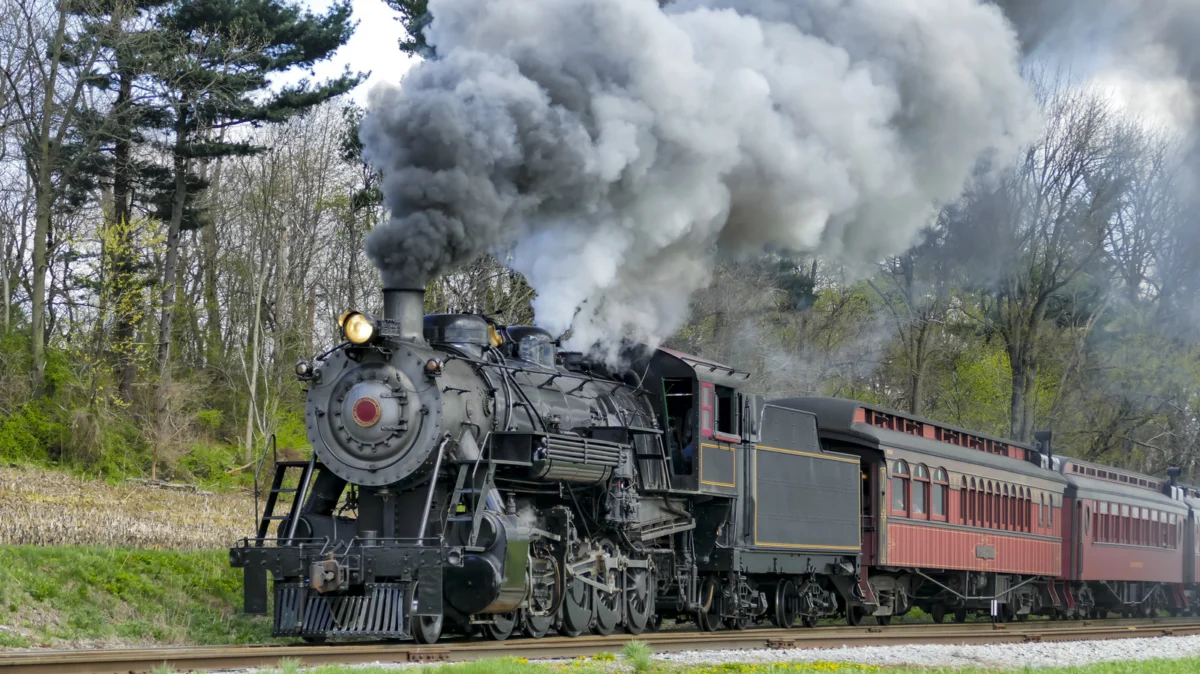
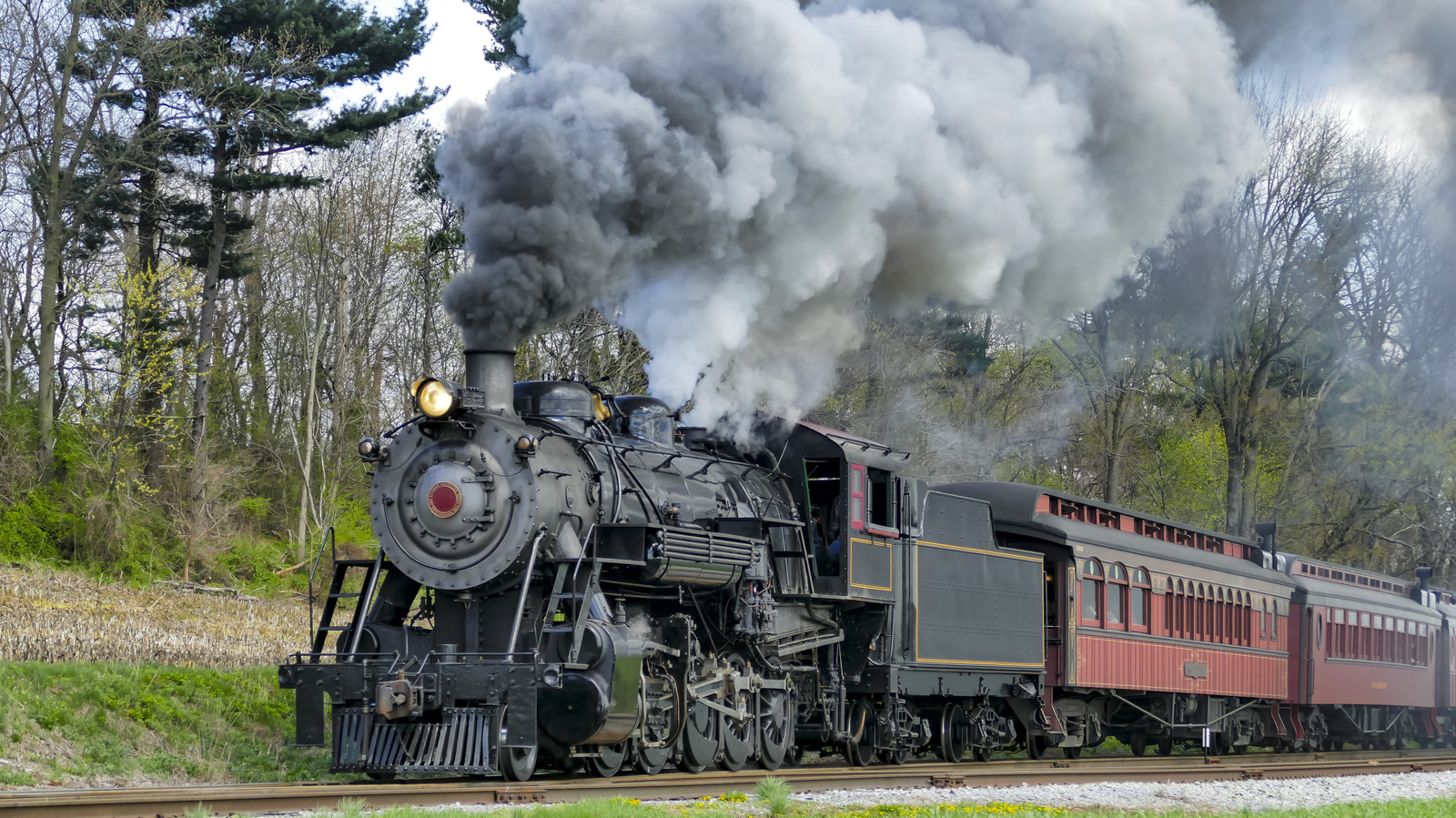
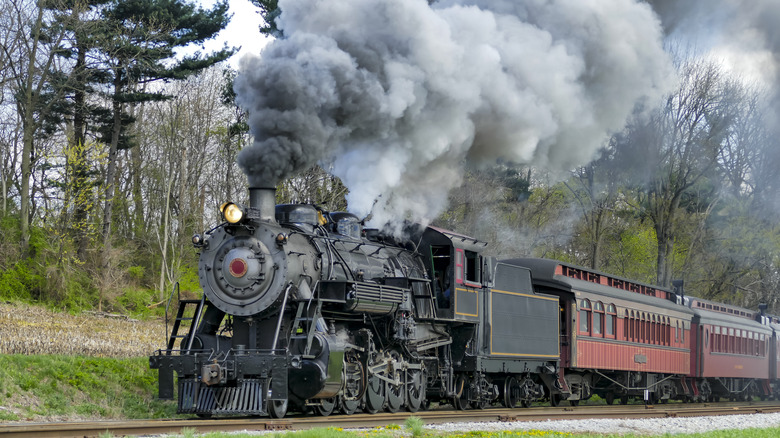
The steam locomotive, introduced by Richard Trevithick in 1803, laid the tracks for global trade. It was the first time in human history that people and goods could be moved at high speeds regardless of wind or tide. This revolutionized the speed of urbanization and the expansion of national borders.

Complementing this, the late 19th-century shift toward Alternating Current (AC) enabled the modern power grid. Following Hippolyte Pixii’s 1832 generator and William Stanley Jr.’s 1886 transformer, AC power allowed electricity to be transmitted over long distances from central power stations. This innovation remains the backbone of the modern electrical grid, powering the infrastructure that supports every other invention listed here.
In summary, the 1800s were not just a time of invention; they were a time of systemic change. Each of these thirteen technologies—from the digital precursors of Babbage to the electrical distribution systems of Stanley and Tesla—created a ripple effect that continues to define the boundaries of modern possibility. The transition from a manual, slow-moving world to a high-speed, electrified, and connected society was achieved through the relentless experimentation of 19th-century innovators. As society continues to innovate, it does so standing firmly upon the industrial and scientific bedrock established during this remarkable century.