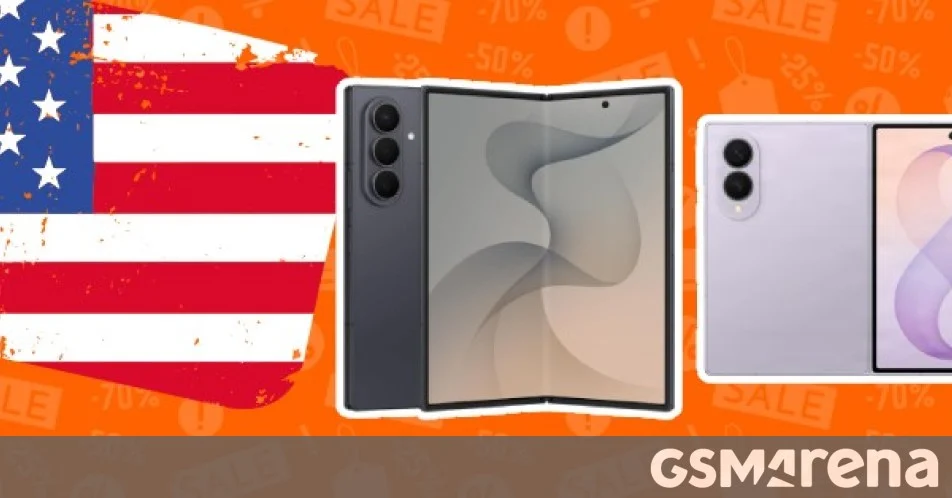
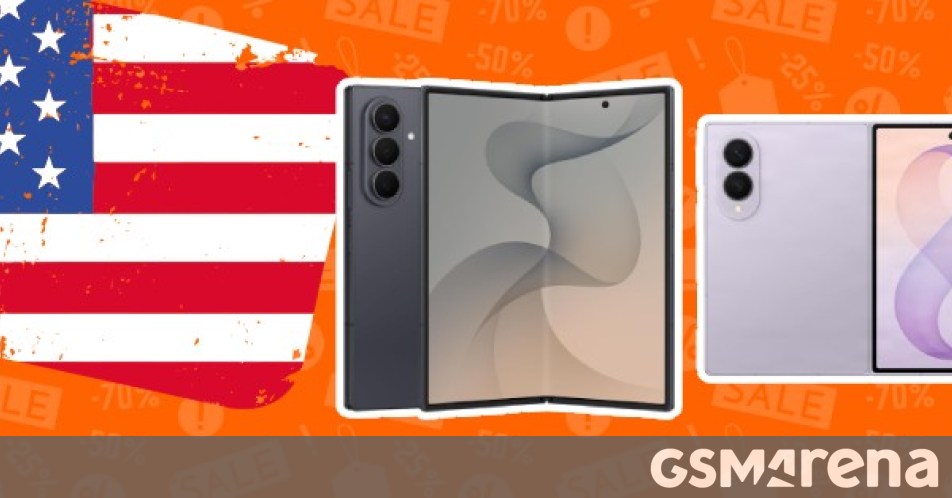
As the Black Friday retail season reaches its critical inflection point, Amazon has significantly adjusted its promotional strategy for flagship Samsung hardware, providing consumers with deeper incentives than those offered at the commencement of the sales week. The Galaxy Z Fold8, the Galaxy Z Fold8 Ultra, and the Galaxy S26 Ultra have all seen their respective discounts bolstered, signaling a strategic shift aimed at capturing higher sales volume as the holiday shopping window begins to close.
Chronology of the 2024 Holiday Pricing Strategy
The promotional cycle for these devices began earlier this month, establishing a baseline discount of $350 for the Galaxy Z Fold8 series and the Galaxy S26 Ultra. This initial offering was consistent with standard early-bird Black Friday pricing models, which are designed to gauge consumer demand before the peak of the shopping period.
By mid-week, however, market data indicated that retailers needed to intensify their offers to remain competitive against other major electronics platforms. On the current trajectory, the discounts for the base configurations of the Z Fold8 and Z Fold8 Ultra have been increased by an additional $50, moving the total savings to $400. Even more aggressive is the pricing for the 512GB variants, which now benefit from a $450 discount—a $100 increase over the initial promotional reduction.

The Galaxy S26 Ultra has followed a parallel trajectory. The device, which initially shared the $350 discount tier, now carries a $450 price reduction across both its 256GB and 512GB storage capacities. This synchronization of discounts across the premium Samsung lineup suggests a unified effort to clear inventory of these specific high-end units before the end of the fiscal year.
Comparative Analysis of the Z Fold Series
The persistent $200 price differential between the standard Galaxy Z Fold8 and the Galaxy Z Fold8 Ultra remains a point of interest for prospective buyers. While the base prices have fluctuated due to the aforementioned discounts, the delta between the two models is a calculated positioning by Samsung to differentiate between the mainstream foldable experience and the "Ultra" tier, which typically offers advanced camera arrays, refined materials, or enhanced display technologies.
For consumers weighing these options, the decision-making process often centers on hardware utilization. The standard Galaxy Z Fold8 is optimized for users who prioritize the utility of a foldable form factor within a more portable envelope, whereas the Ultra variant is engineered for power users who require the highest-tier imaging capabilities and screen real estate. Technical comparisons indicate that while the underlying processing power is similar, the Ultra’s specific hardware optimizations—ranging from battery density to lens aperture size—cater to a distinct demographic of mobile power users.
The S26 Ultra vs. Fold8 Ultra Dilemma
The inclusion of the Galaxy S26 Ultra in this expanded discount program invites a broader debate regarding the current state of smartphone form factors. The S26 Ultra, as the apex of the traditional slab-style smartphone, continues to compete directly with the Fold8 Ultra.
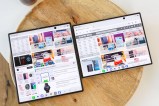
Market analysts observe that the S26 Ultra holds a distinct advantage in terms of ergonomics and familiar productivity workflows, particularly for users who rely heavily on the S Pen and consistent, high-performance photography. Conversely, the Fold8 Ultra offers an expansive, tablet-like experience that effectively replaces the need for a secondary portable device for many professionals. The current parity in discounts makes the choice between the two less about financial accessibility and more about the specific lifestyle needs of the user.
Broader Market Implications and Economic Context
The aggressive nature of these price cuts is indicative of the current retail climate for premium electronics. With the global smartphone market facing a saturation point, manufacturers and retailers are utilizing Black Friday not just as a sales event, but as a mechanism for market share acquisition. By lowering the entry barrier for devices priced in the four-figure range, Amazon and Samsung are targeting a demographic that might otherwise defer a high-ticket purchase until the next annual refresh cycle.

Furthermore, these adjustments reflect the broader economic context of the 2024 holiday season, where consumer spending power is being scrutinized. Retailers are increasingly responsive to real-time sales data; when initial promotional velocity fails to meet target projections, algorithms and retail analysts are moving faster than in previous years to adjust pricing. The $100 increase in discounts for high-capacity models specifically suggests an inventory surplus of 512GB units, which retailers are keen to move to free up warehouse space for upcoming Q1 2025 product launches.
Evaluating the Value Proposition
When analyzing the current deals, consumers should consider the long-term value of these flagship devices. The Galaxy S26 Ultra and the Z Fold8 series are supported by Samsung’s long-term software update policy, which ensures that these devices remain relevant for several years. Consequently, a $400 to $450 discount does not merely represent a reduction in the current purchase price; it also effectively lowers the total cost of ownership over the expected lifespan of the hardware.
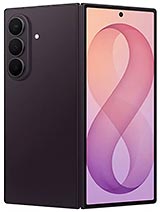
For those evaluating the 512GB models, the $450 discount offers the most significant value. In many instances, the price gap between the 256GB and 512GB models is effectively neutralized by the deeper discount tier, making the higher-capacity storage option a more logical choice for users concerned with long-term storage longevity, particularly given the high-resolution nature of photos and videos captured by the S26 Ultra and Fold8 Ultra cameras.
Official Responses and Industry Outlook
While Samsung has not issued a formal statement regarding the specific mid-week adjustments to Amazon’s pricing, the company’s broader strategy has consistently emphasized the promotion of its premium ecosystem. By keeping the S26 Ultra and the Z Fold8 series at the forefront of its promotional efforts, Samsung maintains visibility in the high-end segment, ensuring that its flagship products remain the standard against which other Android devices are measured during the most competitive shopping week of the year.
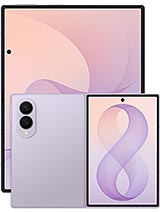
Retail partners, including Amazon, act as the primary engines for these promotions. The transparency of the price history—moving from $350 to $400 or $450—serves as a psychological anchor for consumers, signaling that the current offer is a "best-ever" price for the season. This transparency is crucial in maintaining consumer trust, as it clearly demonstrates that the current pricing is an active response to the ongoing sales environment.
Conclusion
The evolution of the Galaxy Z Fold8 and S26 Ultra pricing serves as a case study in modern retail dynamics. As the Black Friday window continues, the increased discounts for these devices represent a strategic effort to maximize revenue from premium inventory. For the consumer, the window of opportunity to acquire these devices at their lowest recorded price point is currently open. Whether one prefers the traditional utility of the S26 Ultra or the innovative form factor of the Fold8 series, the data suggests that the market has reached a price floor that is unlikely to be surpassed until the end of the holiday cycle. Prospective buyers are encouraged to evaluate their specific needs against the provided technical comparisons, as the current financial incentives provide a compelling entry point for these flagship Samsung experiences.