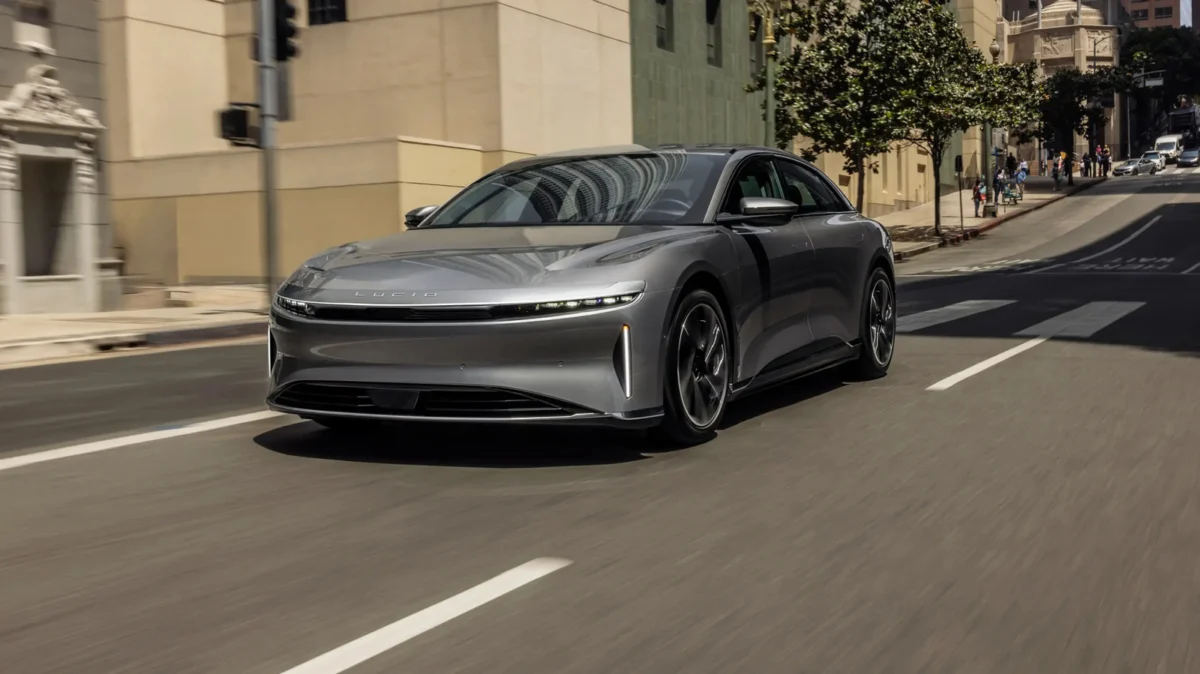
The automotive landscape is undergoing its most significant transformation since the transition from horse-drawn carriages to internal combustion engines (ICE). As electric vehicles (EVs) move from niche novelties to the dominant segment of the new car market, observers have noted a jarring aesthetic departure: the absence of the traditional radiator grille. For over a century, the front grille has served as the "face" of the automobile, functioning as both a functional air intake and a primary brand identifier. In the era of electrification, this iconic feature is rapidly disappearing, replaced by sleek, solid-paneled "noses." This shift is not merely a stylistic choice; it is a fundamental reconfiguration of how vehicles manage thermodynamics and aerodynamic efficiency.
The Engineering Necessity of the Grille
To understand why the grille is vanishing, one must first examine why it existed in the first place. The internal combustion engine is, by definition, a heat engine. It operates by burning fuel within a confined space, a process that inherently generates significant waste heat. Furthermore, the engine requires a steady supply of oxygen to sustain combustion.
The front grille served two distinct, critical purposes. First, it acted as a gateway for fresh air to enter the engine bay, cooling the radiator—a heat exchanger that removes excess thermal energy from the engine’s coolant loop. Second, in many performance vehicles, the grille channeled air directly into the intake system to feed the combustion process. Historically, the size of a vehicle’s grille often correlated with the power output of the engine; a high-performance V8 or V12 engine required more air for cooling and combustion, necessitating a larger surface area for intake.
The Thermal Architecture of Electric Vehicles
Electric vehicles operate on an entirely different thermodynamic principle. Because there is no combustion taking place, there is no need for large-scale air intake. However, the misconception that EVs do not require cooling at all is a dangerous oversimplification.
Electric propulsion systems—specifically the high-voltage battery pack, the power electronics (inverter), and the electric motors themselves—generate substantial heat. During rapid acceleration or high-speed cruising, the resistance within the battery cells and the switching losses in the power inverter can cause temperatures to spike. Furthermore, lithium-ion battery chemistry is notoriously sensitive to thermal fluctuations. To maintain optimal efficiency and ensure long-term longevity, these batteries must operate within a narrow "Goldilocks" temperature window, typically between 20°C and 35°C (68°F to 95°F).
If a battery pack exceeds its thermal limits, the vehicle’s onboard management system (BMS) will typically throttle power output to prevent permanent degradation or, in extreme cases, thermal runaway. Consequently, while EVs do not require a massive air-gulping radiator to cool an engine block, they utilize sophisticated liquid-cooling loops. Coolant is pumped through a network of channels surrounding the battery modules and power electronics, which then travels to a heat exchanger.
While some of this cooling can be handled by heat pumps or refrigerant-based systems, many modern EVs still rely on a radiator hidden behind the front fascia to reject heat into the ambient air. The difference lies in the airflow requirement: because EVs are significantly more efficient than their combustion counterparts, they do not need the massive, constant airflow that a gasoline engine requires to prevent overheating.
The Aerodynamic Imperative
Beyond cooling, the primary driver for the "grille-less" look is the relentless pursuit of aerodynamic efficiency. In the automotive industry, the coefficient of drag (Cd) is the single most important metric for range extension in EVs. At highway speeds, aerodynamic drag accounts for the majority of the energy expenditure of an electric vehicle.
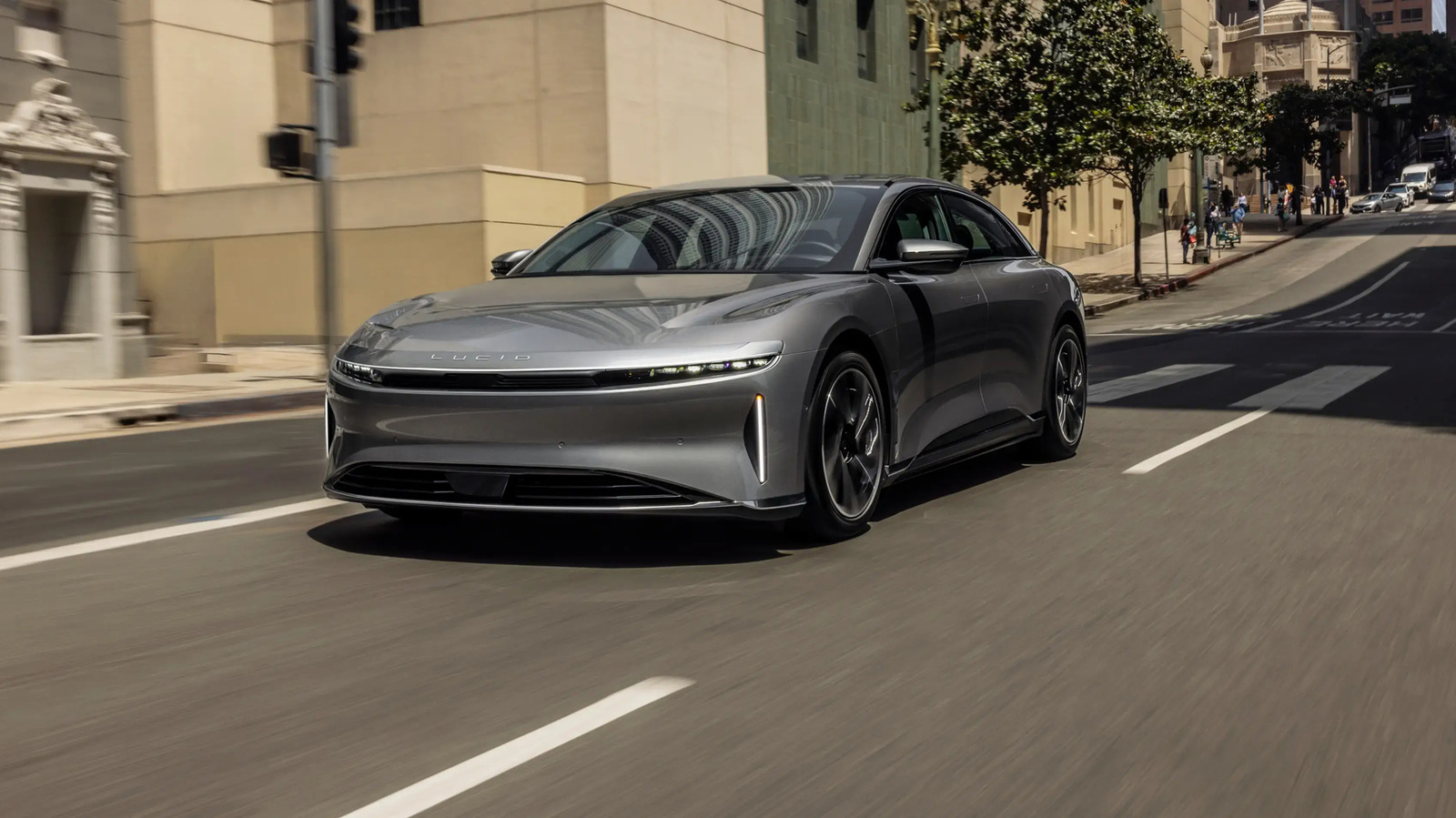
Traditional grilles are "dirty" from an aerodynamic perspective. They create turbulence, increase air pressure inside the engine bay, and generally disrupt the laminar flow of air around the vehicle. By closing off the grille, engineers can achieve a significantly lower drag coefficient. This is why many modern EVs, such as the Tesla Model 3 or the Lucid Air, prioritize a "smooth" front end. Some manufacturers have even implemented "active grille shutters"—mechanical flaps that remain closed to maximize efficiency during cruising and open only when the sensors detect a need for increased cooling.

Historical Context and Design Evolution
The disappearance of the grille represents a pivot point in automotive history. In the 1990s and early 2000s, manufacturers experimented with grille designs that were purely ornamental. The Buick Skylark’s controversial "bird-beak" design serves as a cautionary tale of how forced aesthetics can undermine a vehicle’s visual appeal. Today, the design challenge is reversed: how does an automaker design a "face" for a car when the most prominent feature of the last century is no longer functional?
Many legacy manufacturers, such as BMW, have chosen to retain the appearance of a grille even when the function is gone. The BMW i4, for instance, features a prominent kidney-grille design that is almost entirely blocked off. This serves two purposes: brand continuity and platform sharing. By utilizing the same basic body-in-white (the vehicle’s frame) for both its combustion and electric models, manufacturers can achieve massive economies of scale. Designing a bespoke platform for every electric variant is prohibitively expensive; thus, the "fake" grille remains a cost-saving necessity in the current transition period.
Implications for Future Automotive Design
As the industry moves toward dedicated EV platforms, we are likely to see the "grille-less" aesthetic become the new standard. Industry analysts suggest that the next decade of design will focus on "lighting signatures" and surface integration rather than traditional apertures. Without the need for a front air intake, the entire proportions of the vehicle are changing. Designers are moving the cabin further forward (cab-forward design) and creating shorter hoods, as the front-end volume once occupied by the engine is now repurposed as "frunk" (front trunk) storage space.
Regulatory bodies and safety advocates also point to the implications for pedestrian safety. A smoother, rounded front end without jagged grille slats or aggressive openings can potentially reduce injury severity in the event of a collision. Furthermore, the integration of sensors—such as LIDAR, radar, and cameras—is increasingly taking place within the area where the grille once sat, turning the "nose" of the car into a digital command center.
Conclusion
The transition away from the traditional radiator grille is a hallmark of the shift toward electrification. It is a change dictated by the laws of physics: the removal of the internal combustion engine eliminates the need for massive air intake, while the necessity of maximizing range in an electric vehicle mandates the lowest possible aerodynamic drag. While some consumers may find the look "off-putting" due to decades of conditioning, the industry is clearly moving toward a future where the face of the car is defined by efficiency and technology rather than the cooling requirements of a combustion engine. As we look ahead, the grille—once the defining feature of the automobile—will likely be remembered as an evolutionary relic, a necessary compromise for the age of oil that gave way to the sleek, streamlined efficiency of the electric era.