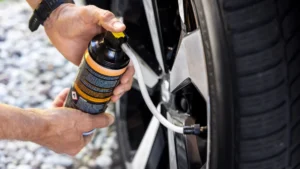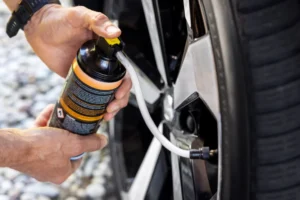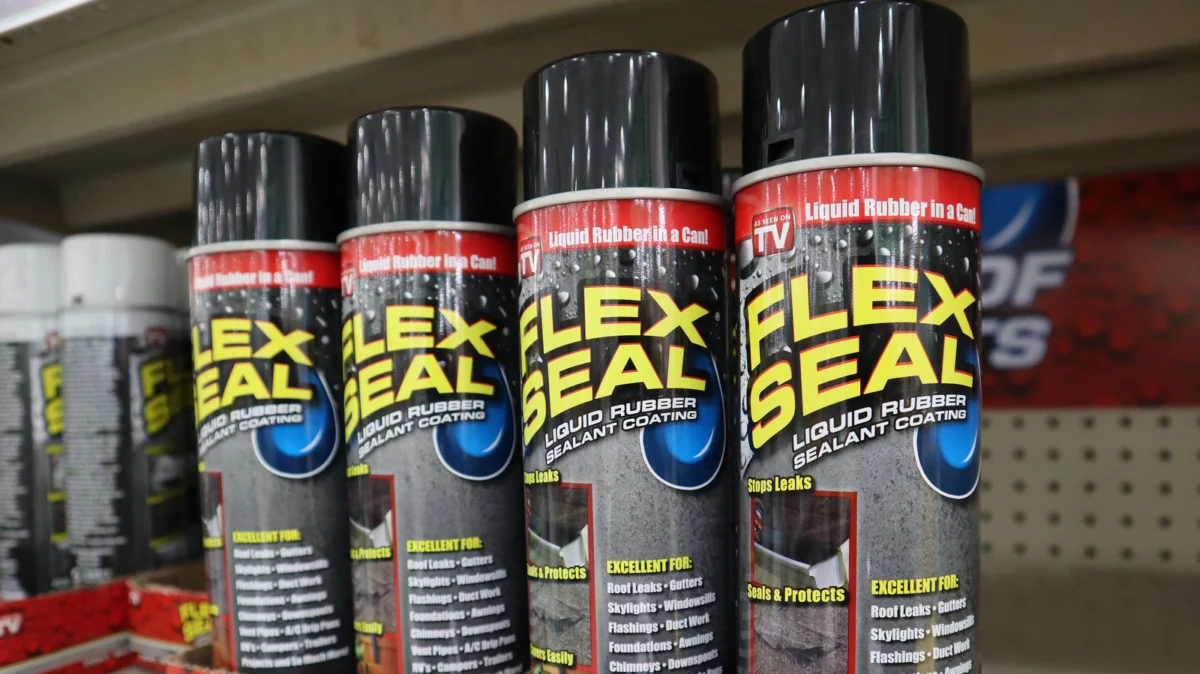
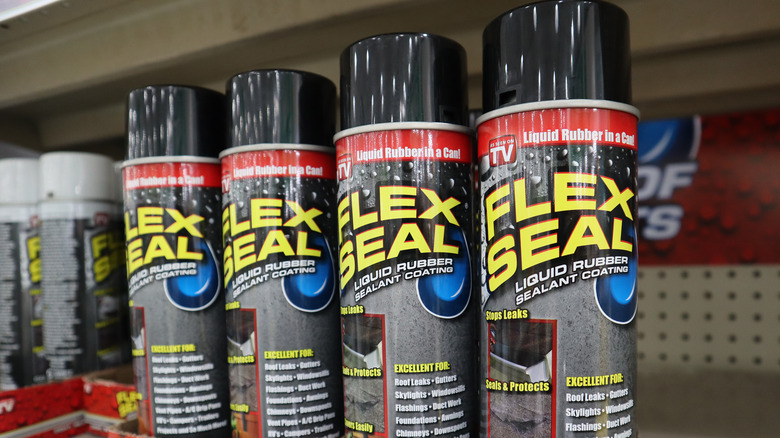
The ubiquity of social media "life hacks" has frequently blurred the line between creative ingenuity and hazardous negligence, particularly when it comes to automotive maintenance. Among the most persistent myths circulating online is the notion that Flex Seal, a rubberized coating spray designed for sealing leaks in gutters, roofs, and PVC pipes, can serve as a viable emergency solution for punctured vehicle tires. Despite the manufacturer’s explicit warnings and the consensus among tire safety experts, motorists continue to experiment with aerosol sealants as a substitute for professional repair. Understanding the mechanical realities of tire integrity is essential to separating viral marketing from the harsh physics of road safety.
The Physics of a Tire Puncture
To understand why a topical spray like Flex Seal is insufficient for tire repair, one must first understand the structural composition of a modern pneumatic tire. A tire is not merely a hollow shell of rubber; it is a complex, multi-layered engineering marvel composed of steel belts, fabric plies, and an inner liner designed to maintain an airtight seal under extreme heat, pressure, and rotational force.
When a tire is punctured by a nail or screw, the structural integrity of these internal components is compromised. A professional tire repair, as defined by the U.S. Tire Manufacturers Association (USTMA), requires the tire to be removed from the wheel rim. This allows a technician to inspect the interior liner for hidden damage—such as belt separation or internal rubber degradation—that cannot be identified from the outside. A proper repair involves filling the puncture with a vulcanized rubber stem and sealing the inner liner with a patch. This creates a permanent, airtight bond that restores the tire’s structural capacity.
Conversely, applying a liquid coating like Flex Seal to the tread area of a tire addresses only the external surface. It fails to penetrate the puncture channel, meaning the internal air pressure continues to push against the compromised steel belts and structural plies.
Chronology of a Failed Hack
The lifecycle of a Flex Seal "fix" typically follows a predictable and dangerous trajectory. In the immediate aftermath of an application, the solvent-heavy, rubberized liquid may temporarily plug the hole, providing a superficial seal that holds air for a short duration.
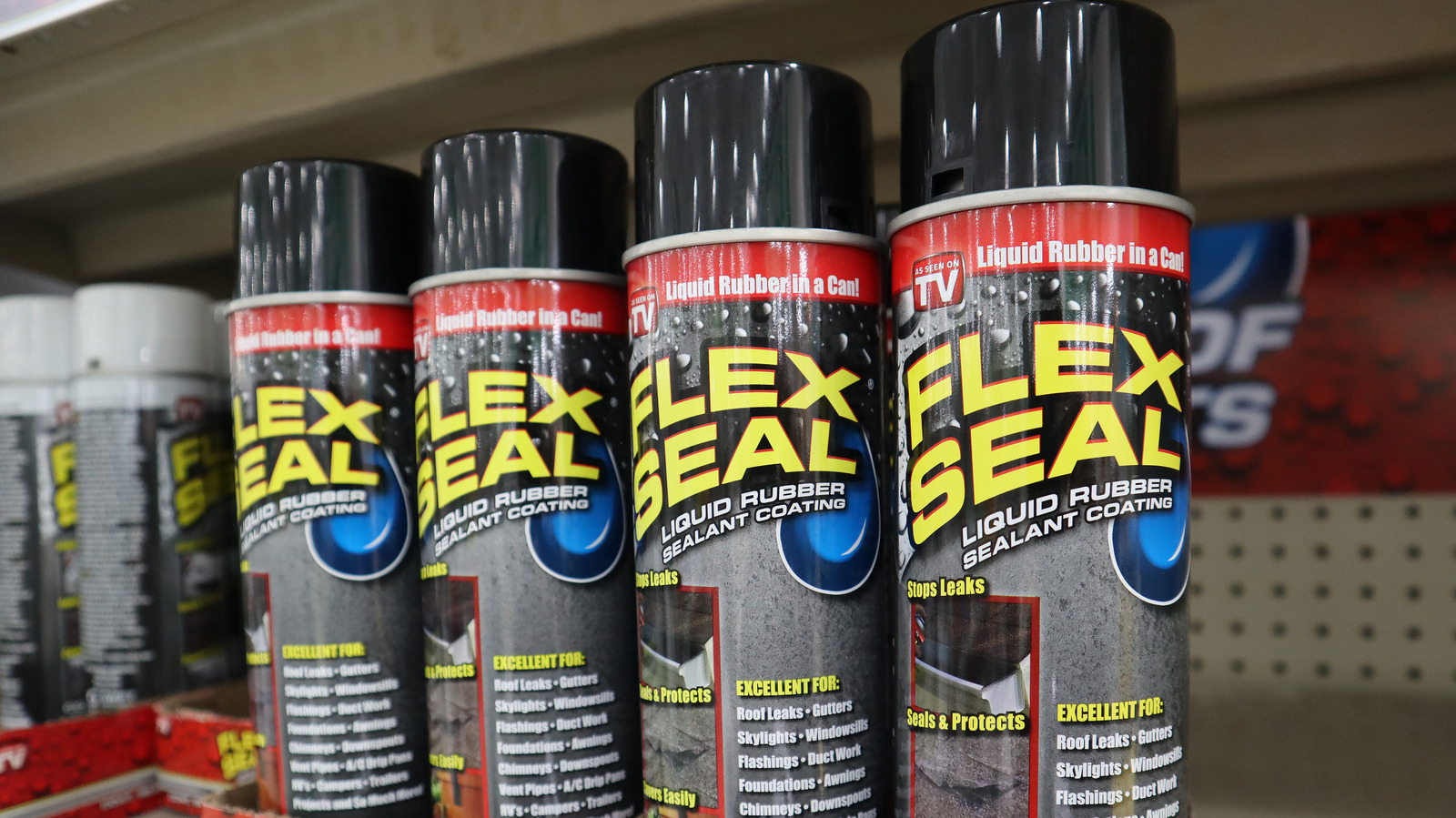
However, the curing process represents the first major failure point. Flex Seal requires an extended period—often up to 48 hours—to achieve a full cure in optimal conditions. On a roadside, where moisture, temperature fluctuations, and contaminants are present, the material often fails to bond properly to the rubber of the tire.
As the vehicle begins to move, the tire undergoes constant flexing and heat generation. The centrifugal force, combined with the extreme heat generated by friction against the road, causes the hardened Flex Seal coating to become brittle or lose its adhesion. Within hours or days, the "patch" begins to peel away or degrade. Because the underlying puncture remains unsealed, the slow leak returns, often leading to a sudden, catastrophic blowout at highway speeds.
Supporting Data and Safety Standards
The USTMA and the Rubber Manufacturers Association (RMA) have established rigorous standards for tire repair, none of which include the use of external spray-on coatings. Industry data consistently shows that the most common cause of tire-related accidents is improper maintenance and the use of "temporary" fixes that fail to address the underlying structural damage.
According to the National Highway Traffic Safety Administration (NHTSA), tire failure accounts for thousands of accidents annually in the United States. While data specific to "Flex Seal-related failures" is not separately categorized, safety experts categorize such DIY attempts as "improper repairs." A repair is considered invalid if it exceeds a diameter of 1/4 inch or if the damage occurs in the shoulder or sidewall of the tire. Flex Seal, by its nature, encourages the user to ignore these critical thresholds, potentially masking a puncture that is far too large for any repair to be safe.
The Implications for Professional Repair
One of the most significant, yet often overlooked, consequences of using Flex Seal is the impact it has on professional repair facilities. When a motorist eventually brings a vehicle to a tire shop, the presence of an unknown chemical sealant can create a liability nightmare.
Technicians are trained to inspect the interior of the tire. If the interior is coated in a non-standard, rubberized residue, it can interfere with the chemical bonding process required for a professional patch. Furthermore, it obscures the original puncture, making it difficult for the technician to accurately assess the extent of the internal damage.
Industry professionals emphasize that if a driver has attempted a roadside fix with any sealant, it is imperative that they inform the service technician immediately. Failure to disclose this information can lead to a misdiagnosis of the tire’s condition, potentially resulting in the installation of a patch that fails because the underlying rubber was compromised by the chemical solvents in the aerosol spray.
Manufacturer Stance and Legal Reality
The manufacturers of Flex Seal have been clear in their product labeling and marketing: their sealants are intended for home repair, plumbing, and general DIY projects. They do not market the product as a tire repair tool. The use of the product on a tire is a clear misuse that falls outside the scope of the manufacturer’s intended application.
From a legal standpoint, the use of unapproved repair methods can void tire warranties and, in the event of an accident, may lead to complications with insurance claims. If an investigation reveals that a DIY chemical fix contributed to a tire blowout, the vehicle owner may be held liable for resulting damages, as the modification constitutes a deviation from standard safety practices.
Broader Impact on Road Safety
The trend of treating automotive maintenance as an extension of household DIY projects is a growing concern for safety advocates. Modern vehicles are designed with integrated safety systems that rely on the performance of tires—the only point of contact between the vehicle and the road.
When a driver chooses a quick, aesthetically pleasing fix like a spray-on sealant over a standardized, mechanical repair, they are effectively gambling with the safety of themselves, their passengers, and other motorists on the road. The difference between a professional repair and a DIY spray is the difference between restoring structural integrity and creating a false sense of security.
The consensus among automotive engineers is definitive: if a tire loses air, it must be inspected by a professional. Any deviation from this standard, particularly the use of aerosolized household sealants, increases the risk of tire failure. While the cost of a new tire or a professional repair might be higher than a can of sealant, the cost of a high-speed blowout resulting from a failed "hack" is immeasurable. Maintenance should always prioritize the physical reality of the road over the convenience of a temporary, unproven solution. Drivers are encouraged to carry a spare tire, a portable air compressor, or a professional-grade tire plug kit—and to leave the Flex Seal for the gutters.