
The rapid rise of pickleball—a hybrid racquet sport combining elements of tennis, badminton, and ping-pong—has transitioned from a niche recreational activity to a global cultural phenomenon. As the sport’s popularity surges, industry analysts are increasingly drawing parallels between the strategic fundamentals of the court and the methodologies required for sustainable success in digital content creation. By examining the growth trajectory of pickleball, professional bloggers can identify actionable frameworks for community engagement, strategic positioning, and long-term audience retention.
Historical Context and Industry Growth
Pickleball traces its origins to the summer of 1965 on Bainbridge Island, Washington. Founders Joel Pritchard, Bill Bell, and Barney McCallum developed the game as a solution to a lack of equipment and a need for family-friendly entertainment. Over the subsequent six decades, the sport evolved from a backyard pastime into the fastest-growing sport in the United States. According to the Sports & Fitness Industry Association (SFIA), participation in pickleball has seen double-digit annual growth, with over 36 million Americans reporting they played at least once in 2023.
This evolution mirrors the lifecycle of successful digital media ventures. Much like the sport’s humble inception, many of the internet’s most influential content hubs began as solitary, experimental projects. The transition from a local recreational activity to an international sport provides a blueprint for scalability: success is rarely the result of a sudden breakthrough, but rather the outcome of consistent iterative refinement and accessibility.

Strategic Parallels for Content Creators
The technical demands of pickleball offer a compelling metaphor for the challenges faced by modern content creators. Digital strategists suggest that the "dink"—a soft, high-precision shot designed to neutralize an opponent’s power—is analogous to the art of simplifying complex information. In a digital landscape saturated with long-form, high-density content, the ability to distill information into digestible, accessible formats has become a critical competitive advantage.
Data indicates that audience retention rates decrease significantly when content complexity exceeds the average user’s cognitive load. By employing "dinking" techniques—such as clear, concise writing, logical information architecture, and the removal of unnecessary jargon—bloggers can control the pace of reader engagement, effectively keeping the audience within their "kitchen," or their domain of influence, for longer durations.
The Chronology of Audience Development
Building a digital community requires a structured approach akin to a competitive rally. The chronology of community development typically follows a three-phase model:
- Acquisition (The Serve): The initial phase relies on a strong "serve," which in digital terms translates to high-value introductions and effective search engine optimization (SEO) that captures reader interest within the first few seconds of interaction.
- Engagement (The Rally): This phase is defined by the depth of interaction. Just as a pickleball rally requires constant attention and adaptation, successful blogging requires active participation in comments, social media integration, and responsive content updates.
- Retention (The Net Play): The final phase involves positioning. Maintaining a presence in the "sweet spot"—the area where content provides consistent value without becoming overly commercialized—is essential for long-term loyalty.
Economic and Marketing Implications
Marketing experts observing the rise of the sport note that its accessibility is its most potent asset. Unlike tennis, which requires significant athletic conditioning and technical mastery, pickleball is designed to be learned in minutes. This concept of "low barrier to entry" is a core principle of successful content marketing. Blogs that prioritize user experience and ease of navigation tend to see higher conversion rates.
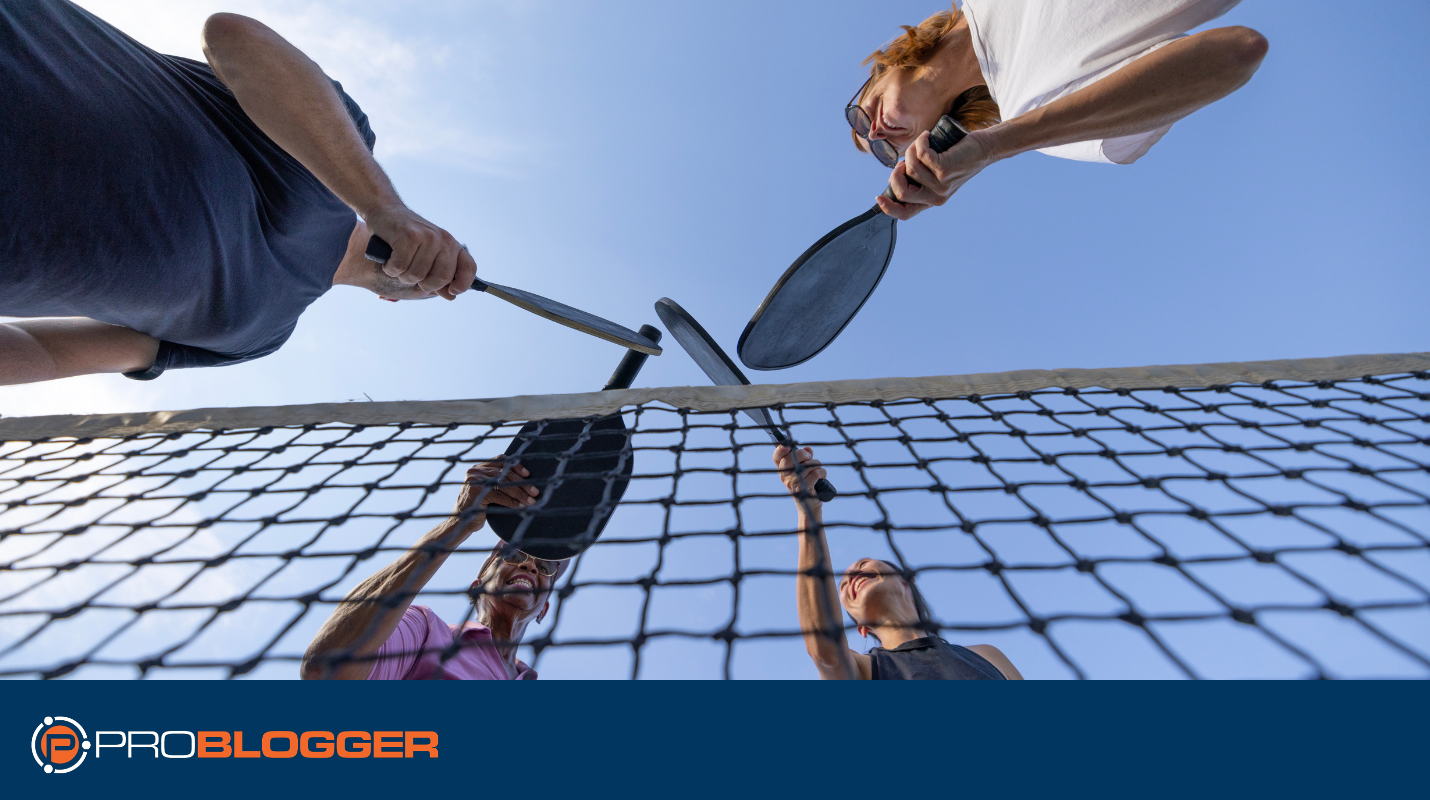
Furthermore, the adaptability of the sport provides a lesson in platform agility. As the digital landscape shifts—often dictated by algorithmic changes in search engines like Google or shifts in social media user behavior—bloggers must mirror the agility of a pickleball player. Those who fail to adapt their "game" to changing conditions risk obsolescence, whereas those who utilize data analytics to pivot their strategy often thrive in volatile environments.
Expert Perspectives on Digital Strategy
Industry analysts argue that the integration of fun and competition—a hallmark of pickleball culture—is frequently overlooked in the corporate blogging space. A study by the Content Marketing Institute highlighted that brands which inject a distinct, human-centric voice into their content report 20% higher engagement levels compared to strictly formal outlets.
"The psychological trigger for the success of pickleball is its inclusivity," says Dr. Aris Thorne, a sports sociologist who has tracked the game’s expansion. "It bridges the gap between high-level competition and social play. For creators, the lesson is clear: if the content is not enjoyable or accessible, the engagement will eventually plateau."
Managing Failure: The "Whiff" Strategy
In professional sports and digital marketing alike, failure is an inevitable variable. In pickleball, a "whiff" is a missed shot that results in a loss of points. In the context of blogging, this represents underperforming posts or failed marketing campaigns. The professional response to such an event is not to abandon the platform, but to analyze the data. By conducting a post-mortem on unsuccessful content, creators can identify specific variables—such as timing, tone, or subject matter—that led to the failure. This iterative process is the hallmark of high-performing blogs.

Long-Term Sustainability and Future Projections
Looking toward the future, the integration of community-driven content is expected to grow. Just as pickleball clubs have become hubs for social interaction, blogs are increasingly becoming community platforms where the reader is as much a contributor as the author.
Strategic positioning remains the final piece of the puzzle. The most successful blogs of the next decade will likely be those that clearly identify their "non-volley zone"—a specific, highly focused niche where they can dominate and provide unmatched value. By maintaining a constant focus on the "ball"—the core mission and the evolving needs of the audience—bloggers can ensure their platforms remain relevant.
Conclusion: A Call to Action
The parallels between the court and the keyboard are not merely superficial; they represent a fundamental shift in how digital success is achieved. By prioritizing accessibility, embracing a culture of constant adaptation, and viewing the audience as an active partner in the "rally," content creators can build more resilient, engaging, and successful digital properties.
As the industry continues to evolve, the lessons derived from the rapid ascent of pickleball serve as a reminder that the most complex objectives are often achieved through the consistent application of simple, strategic, and human-centric principles. Whether navigating the volatile world of SEO or fostering a community of dedicated followers, the strategy remains consistent: start small, stay focused, adapt to the changing environment, and maintain the creative enthusiasm that attracted an audience in the first place. For those willing to adopt this mindset, the potential for growth is as significant as the sport’s meteoric rise to prominence.