As marketers transitioned into 2023, Meta’s strategic roadmap clearly favored streamlined automation, enhanced artificial intelligence integration, and cross-platform synergy. A chronological examination of the platform updates leading up to this transition reveals a systematic effort by Meta to adapt to shifting consumer behaviors, regulatory pressures, and the rising prominence of algorithmic curation.
Navigating Advertising Evolution and Best Practices
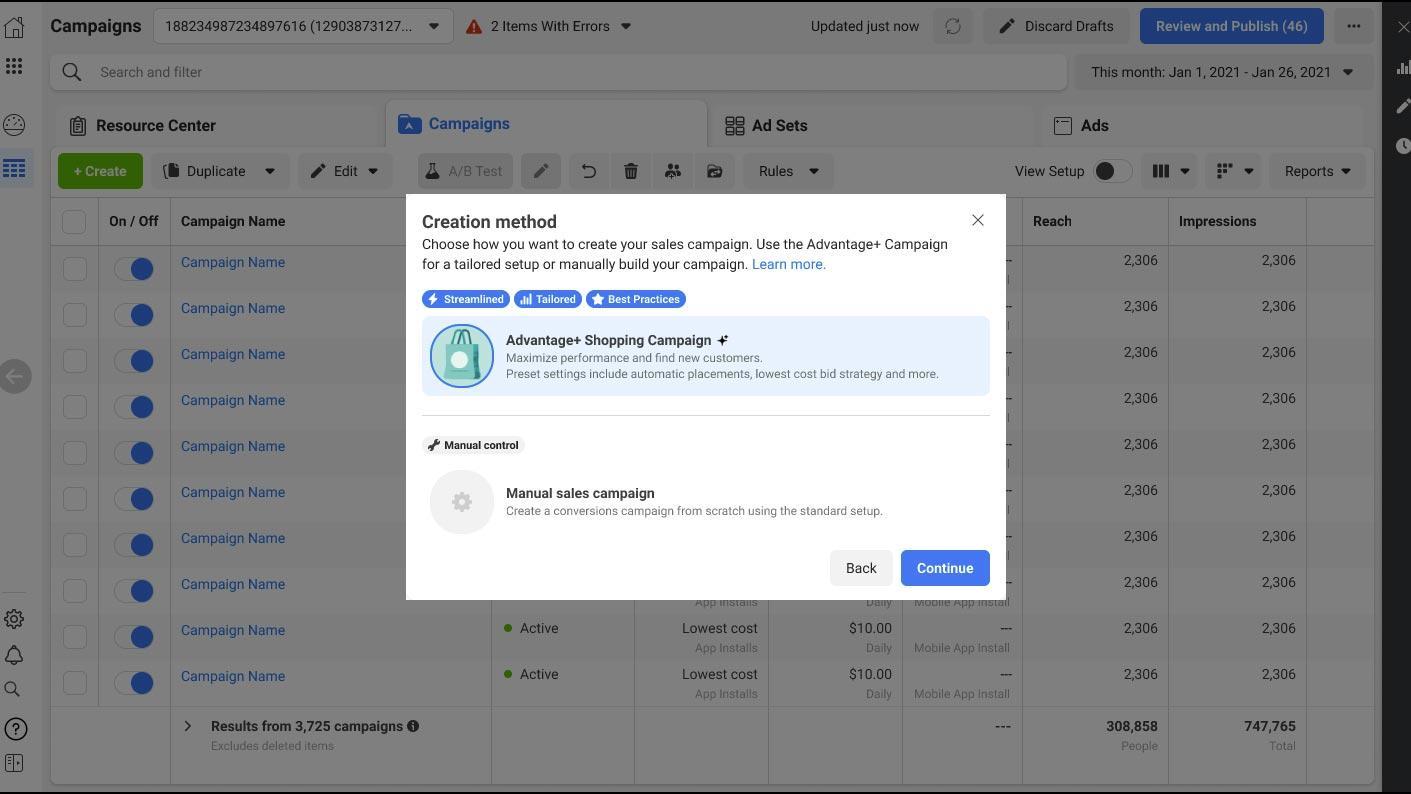
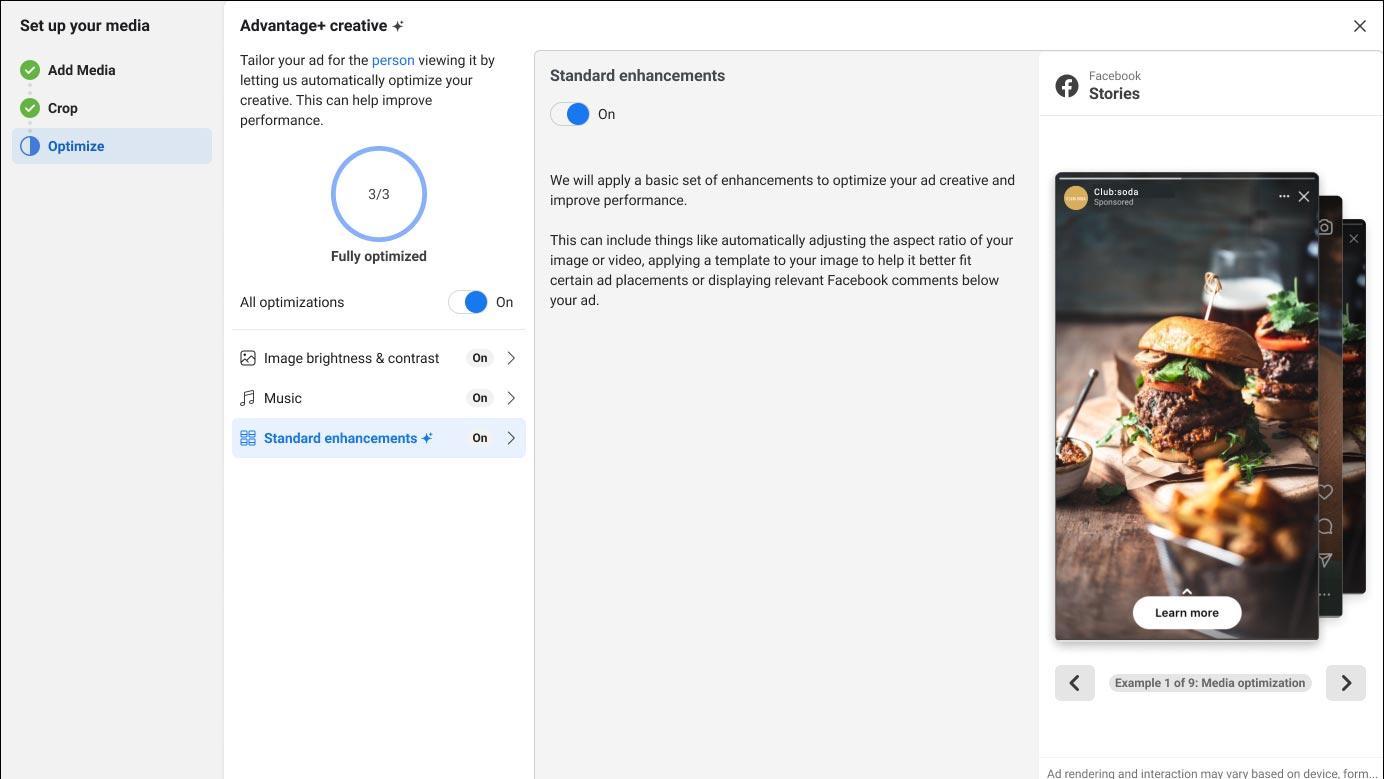
Digital advertisers frequently express frustration regarding the shifting parameters of campaign optimization on Facebook and Instagram. To mitigate these concerns and offer data-driven direction, Meta released comprehensive advertising best practices in December 2022, grounded in internal platform data designed to maximize return on investment (ROI). These directives coincide with the broader deployment of Meta’s Advantage+ suite, a collection of automation-heavy ad products utilizing advanced machine learning to streamline ad creation, audience targeting, and multi-variant split testing.
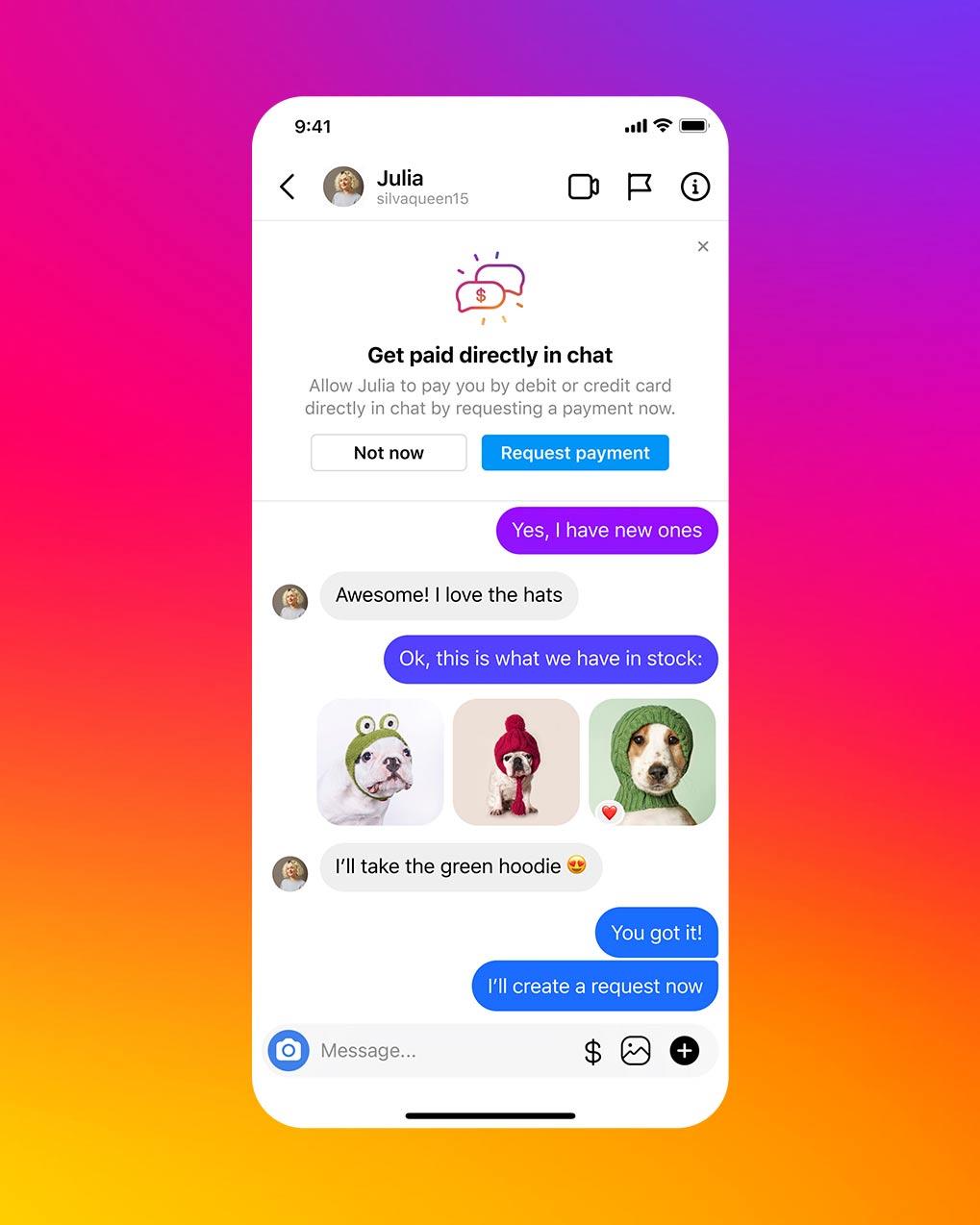
Meta’s internal A/B testing data demonstrated notable cost-efficiency gains through these automated tools. Specifically, Advantage+ shopping campaigns yielded a significantly lower cost-per-purchase conversion rate compared to traditional manual campaign setups. By empowering machine learning algorithms to simultaneously test up to 150 creative variations, brands can efficiently identify high-performing assets without expending excessive manual labor. Throughout 2022 and heading into 2023, Meta aggressively pushed these automated frameworks as the baseline standard for performance marketers seeking resilient growth in an increasingly competitive digital marketplace.
Instagram Introduces Native Content Scheduling and Audio Enhancements
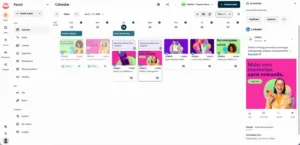
In response to demands for more integrated workflow management, Instagram rolled out native content scheduling directly within its mobile application for Business and Creator accounts. Previously restricted to desktop environments or third-party management platforms, users gained the ability to schedule Reels, photos, and carousel posts up to 75 days in advance directly from the iOS and Android mobile interfaces.
To utilize the scheduling mechanism, users access the "Advanced settings" menu during the final stage of post-creation to assign a specific publication date and time. Although highly functional, the feature launched with certain operational limitations: features such as product tagging, automated cross-posting to Facebook, and direct post boosting remain unavailable for pre-scheduled content, requiring manual implementation upon publication.
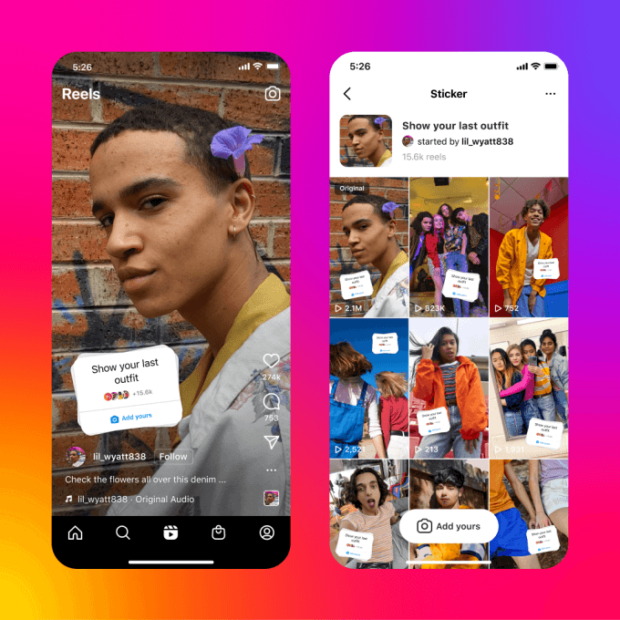
Concurrently, Instagram expanded its creative expression toolkit by permitting users to incorporate up to 90 seconds of licensed music directly into in-feed photo posts—a capability previously exclusive to Stories and Reels. This update provided static content creators with an additional avenue to capture audience attention, leveraging audio trends to boost engagement metrics. Furthermore, Instagram increased the maximum duration for Reels to 90 seconds, aligning the platform more closely with competing short-form video ecosystems.
Strengthening Brand Safety and Regulatory Compliance
Brand safety has remained a paramount concern for corporate advertisers allocating budgets across Meta’s network. In November 2022, Meta achieved a significant industry milestone when the Media Rating Council (MRC) granted official accreditation for content-level Brand Safety on Facebook. Independent auditing firms rigorously reviewed Meta’s Partner Monetization Policies, Content Monetization Policies, and associated suitability controls applied to Instant Articles and In-Stream video across desktop, mobile web, and mobile app environments.

To complement this accreditation, Meta initiated tests for content-based inventory filters across both Facebook and Instagram feeds, granting advertisers granular control over the contextual environments in which their promotional materials appear. This development parallels Meta’s ongoing adjustments to its ad review and policy enforcement mechanisms. By transparently detailing the multi-tiered review process—which combines automated machine learning filters with human moderation—Meta aimed to demystify ad rejections and emphasize compliance with overarching commerce and branded content policies.
Concurrently, Meta adjusted its administrative approach to social issue advertisements. Under updated guidelines, promotional campaigns whose primary objective is the commercial sale of a product or service—even when incorporating eco-friendly or socially conscious messaging—are exempt from the stringent authorization procedures and "Paid for by" disclaimers mandatory for political and advocacy-driven advertising.

Combatting Intellectual Property Infringement and Enhancing Commerce
Protecting intellectual property rights on social media grew increasingly urgent as digital creator economies expanded. To address widespread unauthorized content duplication, Meta introduced the IP Reporting API in late 2022. Integrated directly with the Graph API, this infrastructure enables rights holders to efficiently report intellectual property violations across Facebook and Instagram. Additionally, enhancements to the Brand Rights Protection tool empowered businesses to proactively identify counterfeit products, unauthorized impersonations, and copyright infringements via the Meta Business Manager.
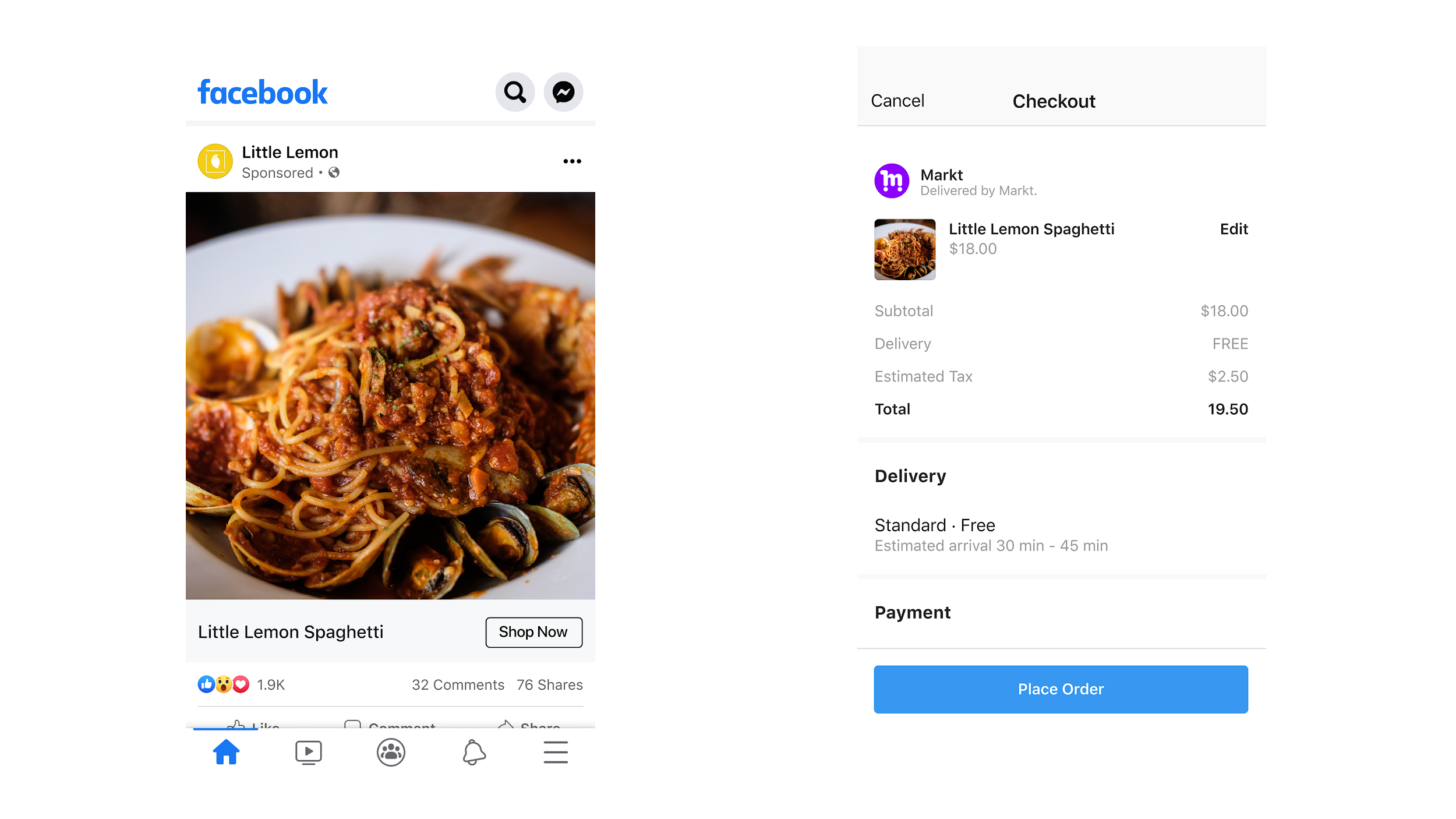
On the commercial front, Meta steadily dismantled barriers to on-platform transactions. Features such as native payment processing within Instagram Direct Messages allowed eligible professional accounts to finalize sales, generate invoices, and collect payments without redirecting consumers to external websites. This friction-free checkout experience was reinforced by the global rollout of local delivery options for Collaborative Ads, allowing local restaurants, grocery stores, and consumer packaged goods brands to bridge digital discovery with immediate local fulfillment.
Strategic Implications and the 2023 Horizon
Meta’s systematic rollout of automation, short-form video optimization, and robust governance frameworks throughout late 2022 established a definitive trajectory for 2023. Marketers navigating this ecosystem must increasingly cede tactical execution to machine learning algorithms, leveraging products like Advantage+ while adapting creative strategies to the dominance of Reels and vertical mobile-first formats.
Despite substantial financial investments exceeding $36 billion into the conceptualization and development of the Metaverse—including virtual reality advancements and Horizon Worlds monetization—Meta’s core revenue generation remains firmly anchored in optimizing core social media infrastructure. By refining ad delivery, bolstering brand safety through MRC accreditation, and empowering creators with sophisticated monetization and scheduling tools, Meta successfully fortified its value proposition for advertisers preparing for the economic and technological realities of 2023.