Substack has evolved from a niche newsletter hosting service into a multifaceted media ecosystem that now serves as a primary distribution channel for millions of readers and thousands of independent creators. As of late 2026, the platform has integrated social networking features, short-form video, and live streaming, fundamentally shifting the creator economy landscape. This transition from a simple email-delivery tool to a comprehensive publishing suite necessitates a strategic approach for both legacy writers and newcomers.
The Evolution of the Substack Ecosystem
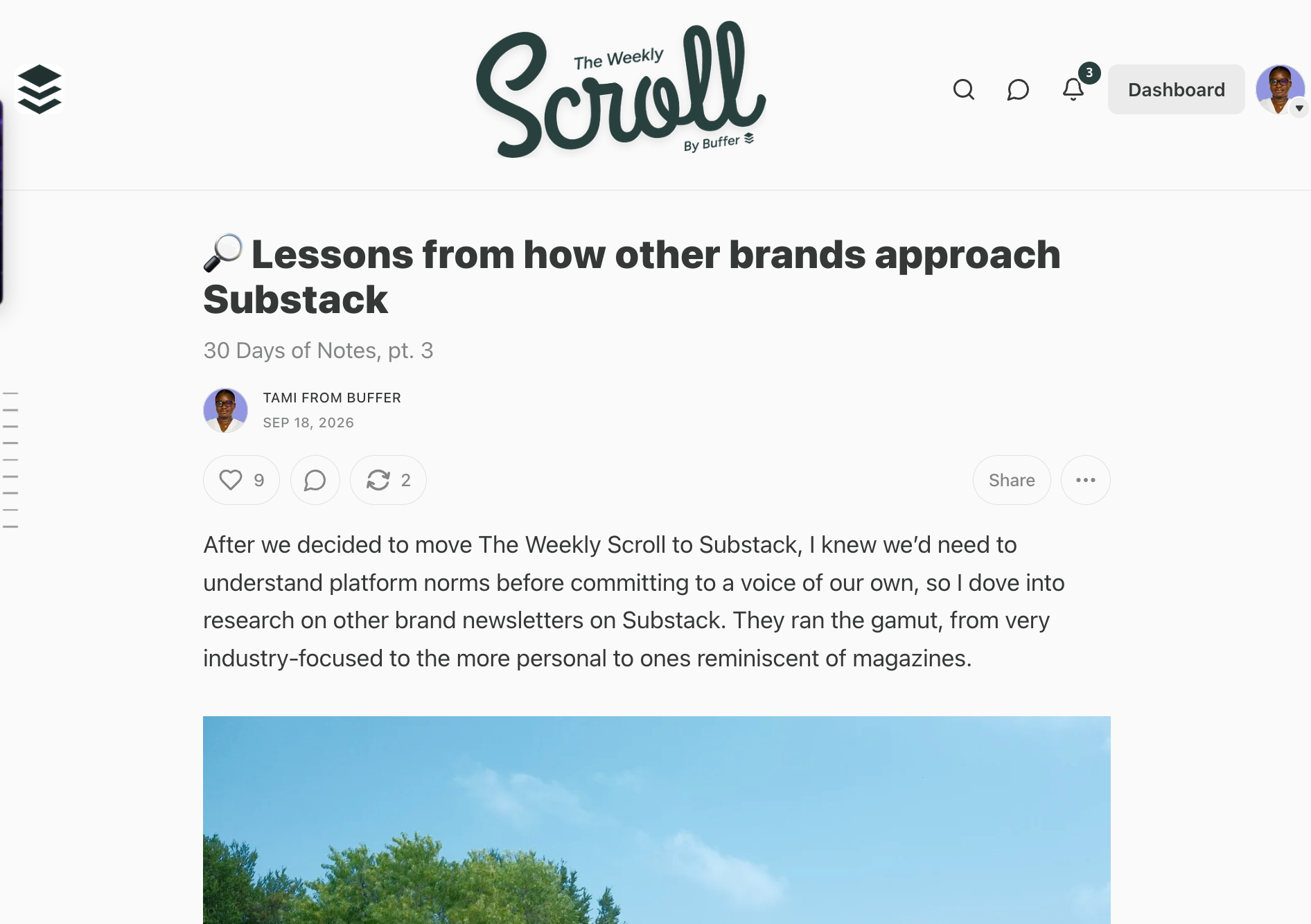
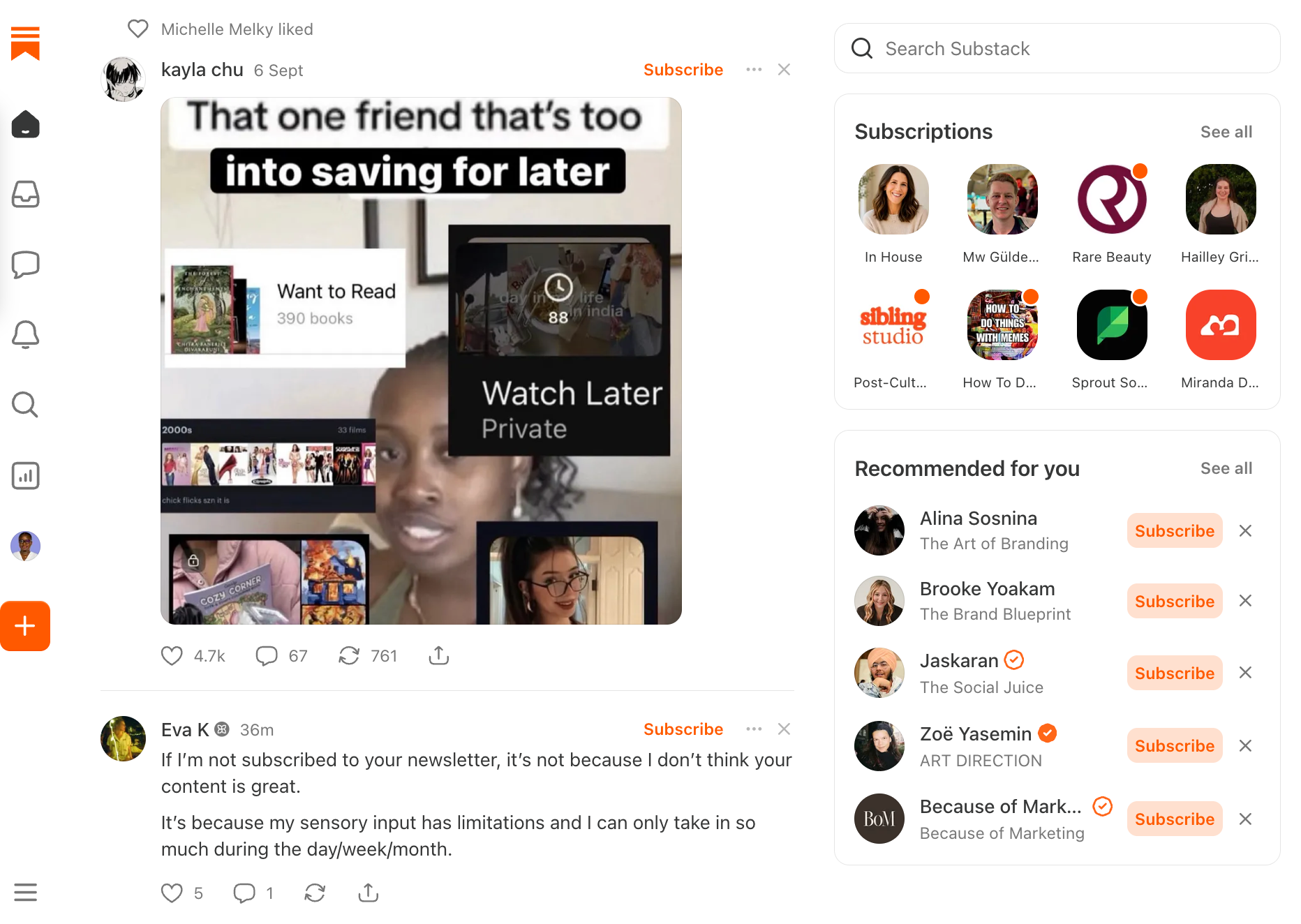
Founded in 2017, Substack initially focused on the "subscription-first" model, providing a frictionless way for writers to gate content behind a paywall. By 2026, the platform had expanded its infrastructure to include Notes—a short-form feed comparable to X or Threads—and the "Media" tab, a vertical video feed designed to capitalize on the engagement trends popularized by TikTok and Instagram Reels.
The platform’s growth trajectory has been marked by a shift toward discovery. While early adopters relied heavily on external social media to drive traffic, current publishers benefit from a network effect. Through the "Recommendations" feature, writers can suggest other publications to their audience, a mechanism that accounted for over 40% of new subscriber growth across the platform in the last fiscal year.
Structural Components: Content, Audience, and Revenue
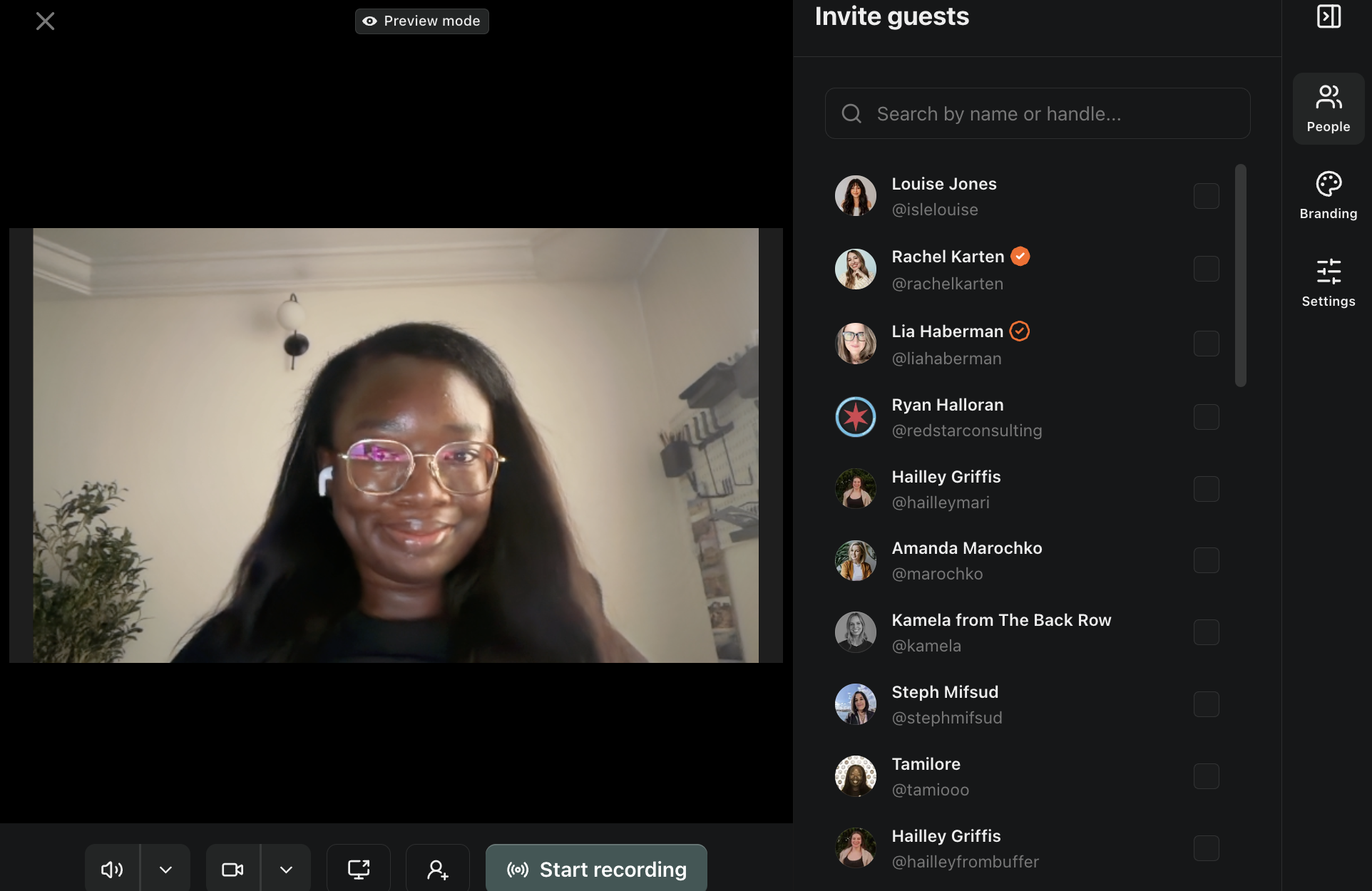
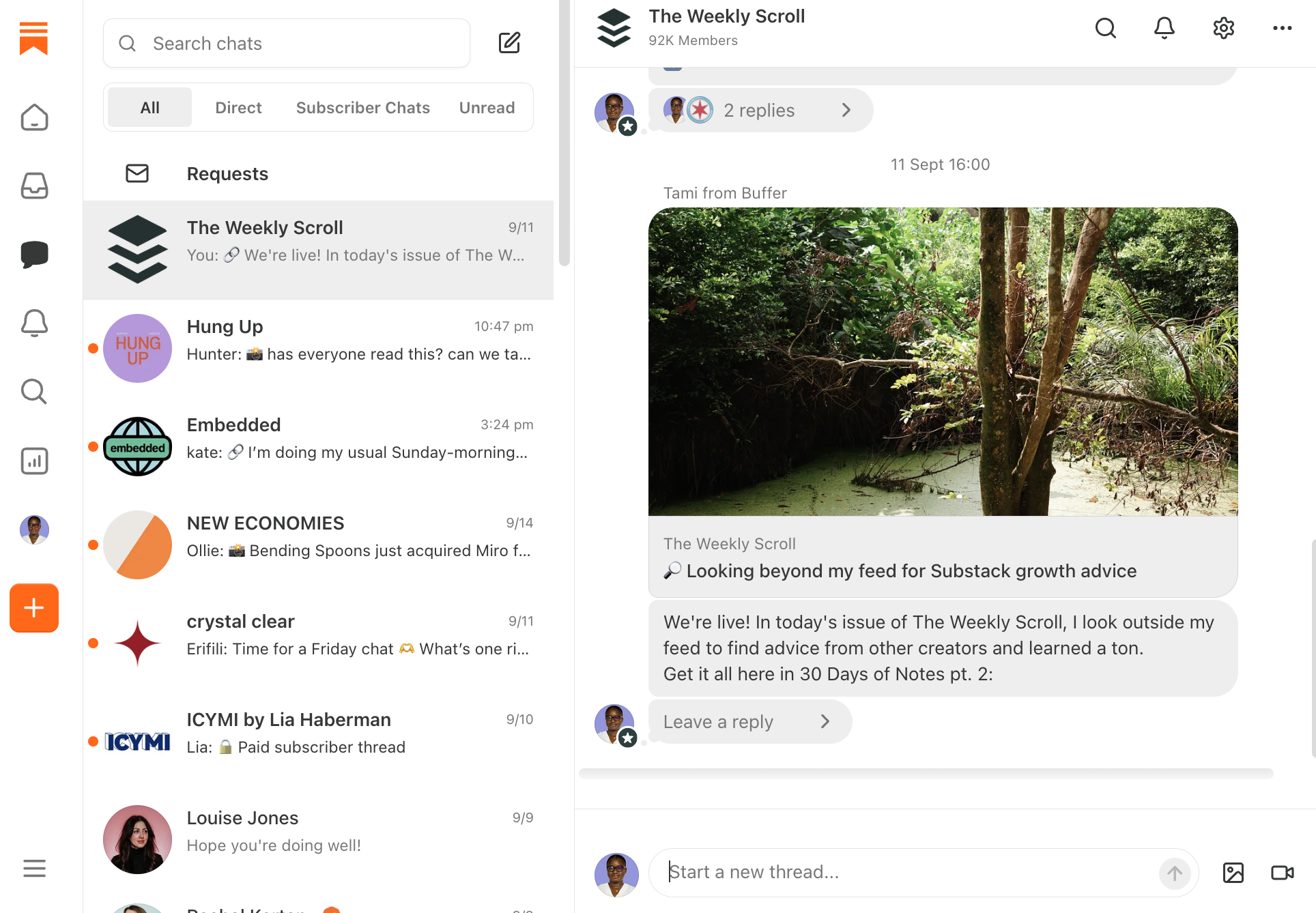
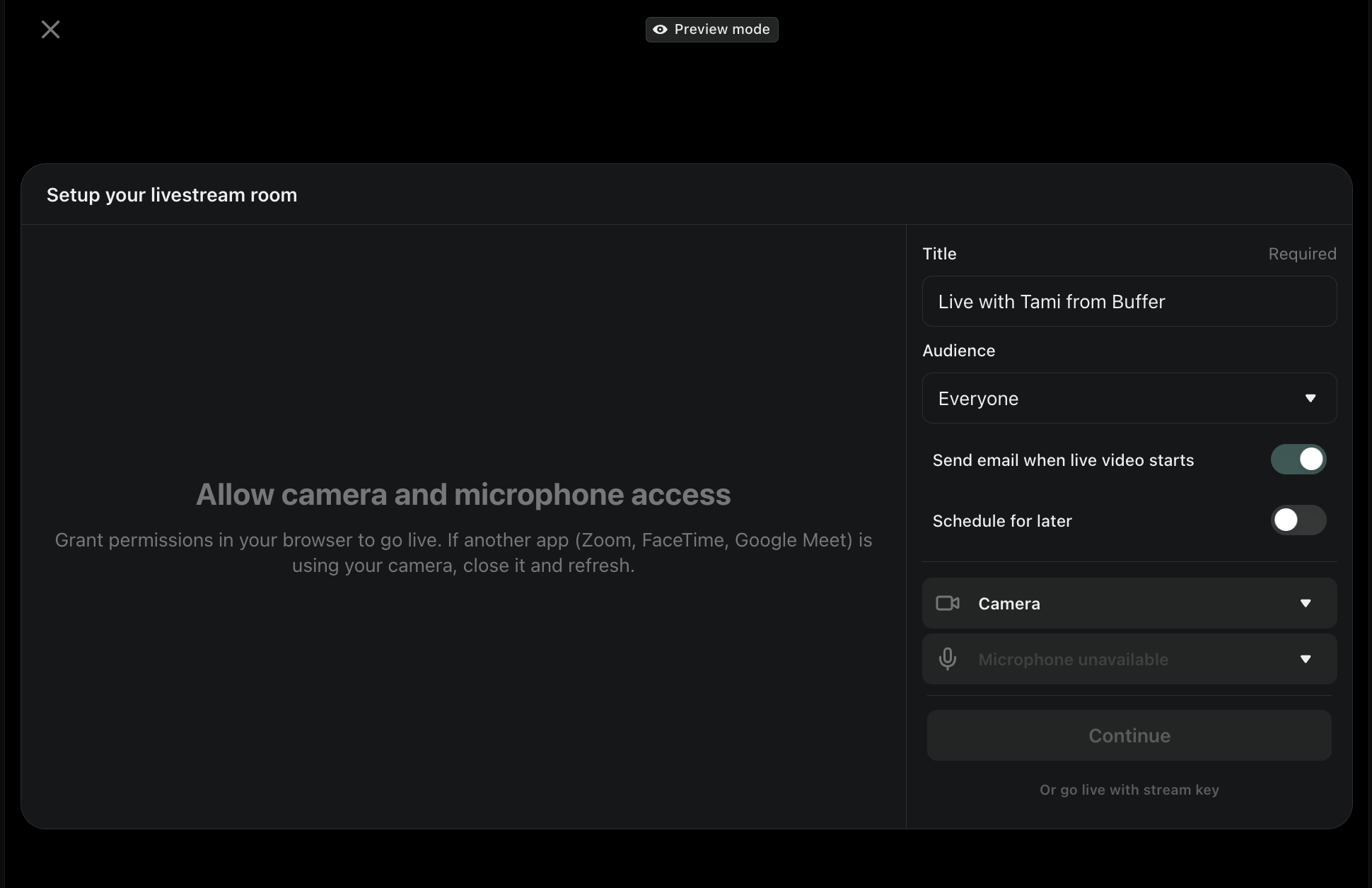
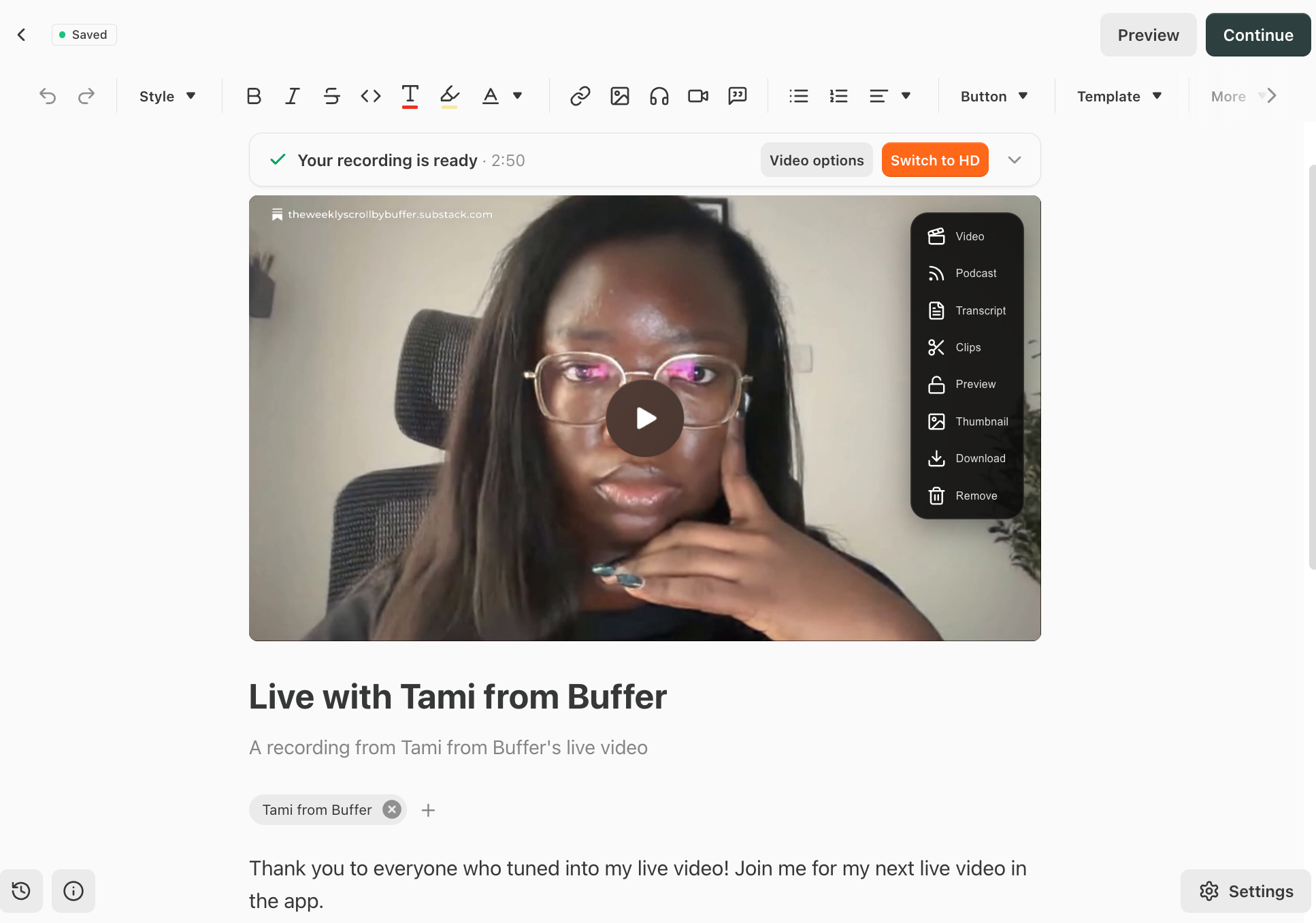
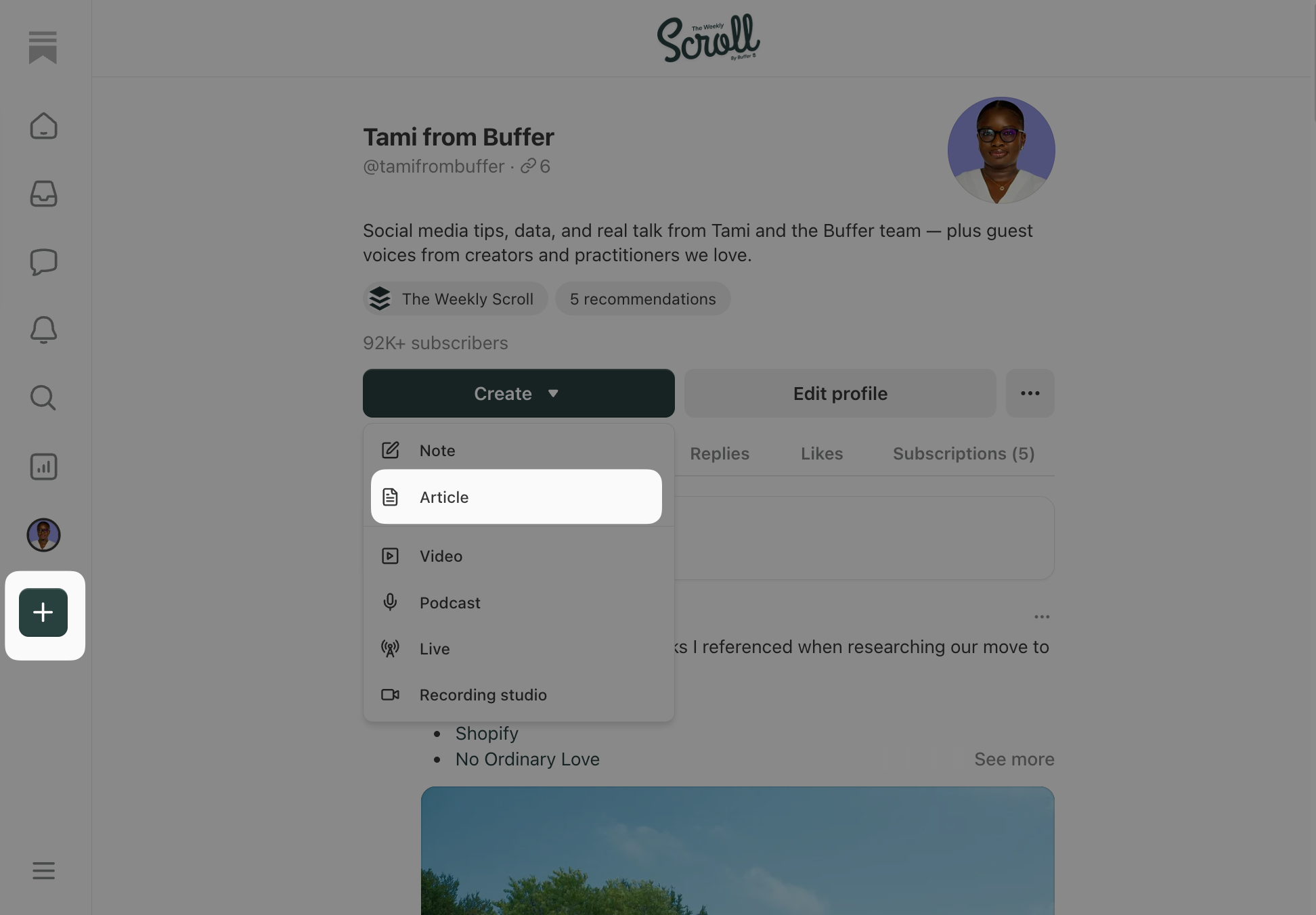
For a modern publisher, Substack functions through four primary content surfaces. Posts remain the foundation, offering long-form text, audio, and video capabilities. Unlike traditional blogging platforms, Substack offers an integrated "Recording Studio" for video and podcasting, which automatically generates transcripts and facilitates cross-posting to YouTube.
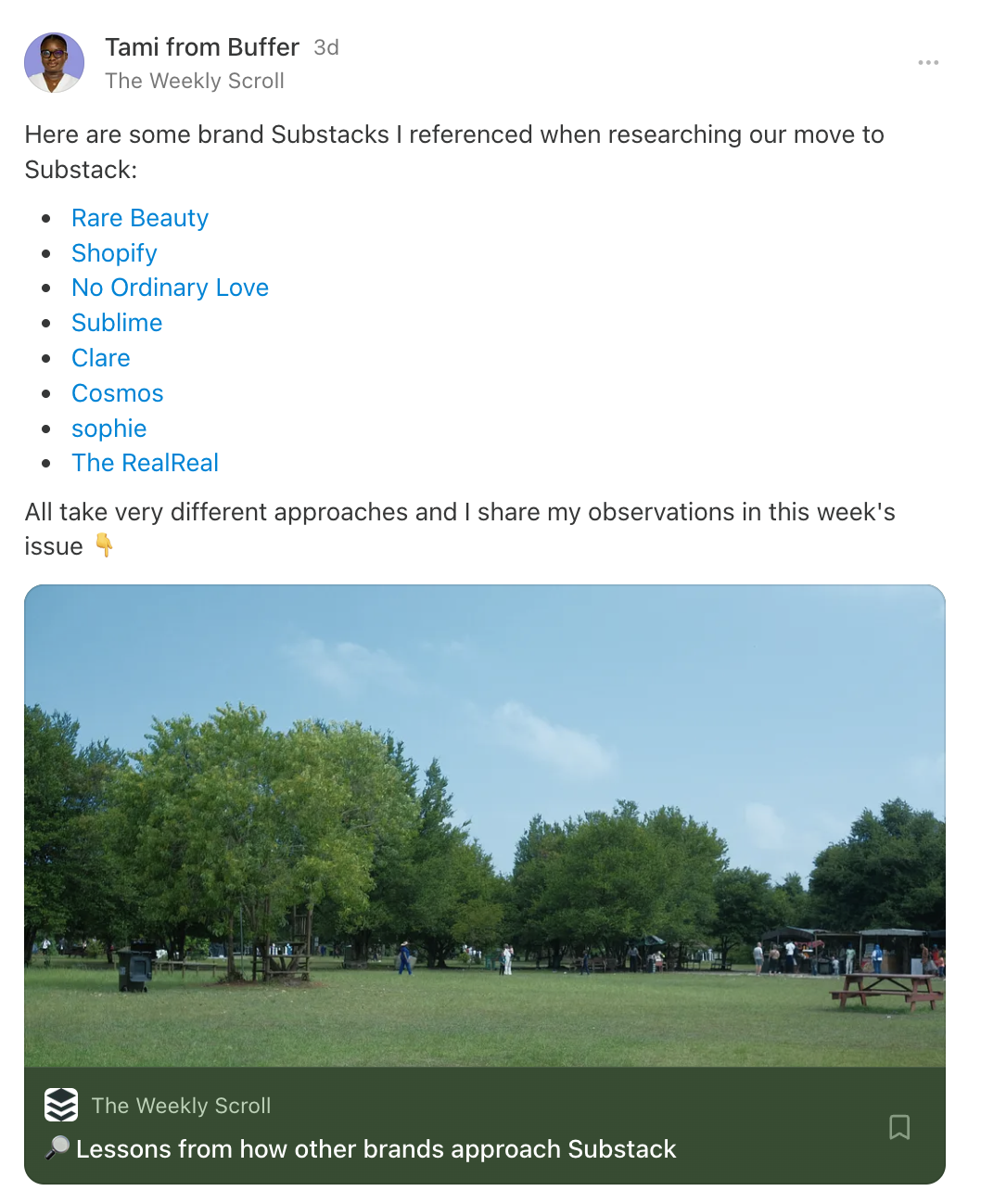
The distinction between subscribers and followers is critical for growth. Subscribers represent the "owned" audience—the list of email addresses that a creator can export at any time, ensuring portability if they choose to migrate to another service. Followers, conversely, are users who interact with the creator’s content through the Substack app’s feed (Notes). Data indicates that the most successful publications use the Notes feed as an "upper funnel" to convert casual readers into email-based subscribers.
Operational Strategy: A Step-by-Step Implementation
Launching a professional publication requires more than simply writing content; it requires a systematic setup to ensure discoverability and brand consistency.
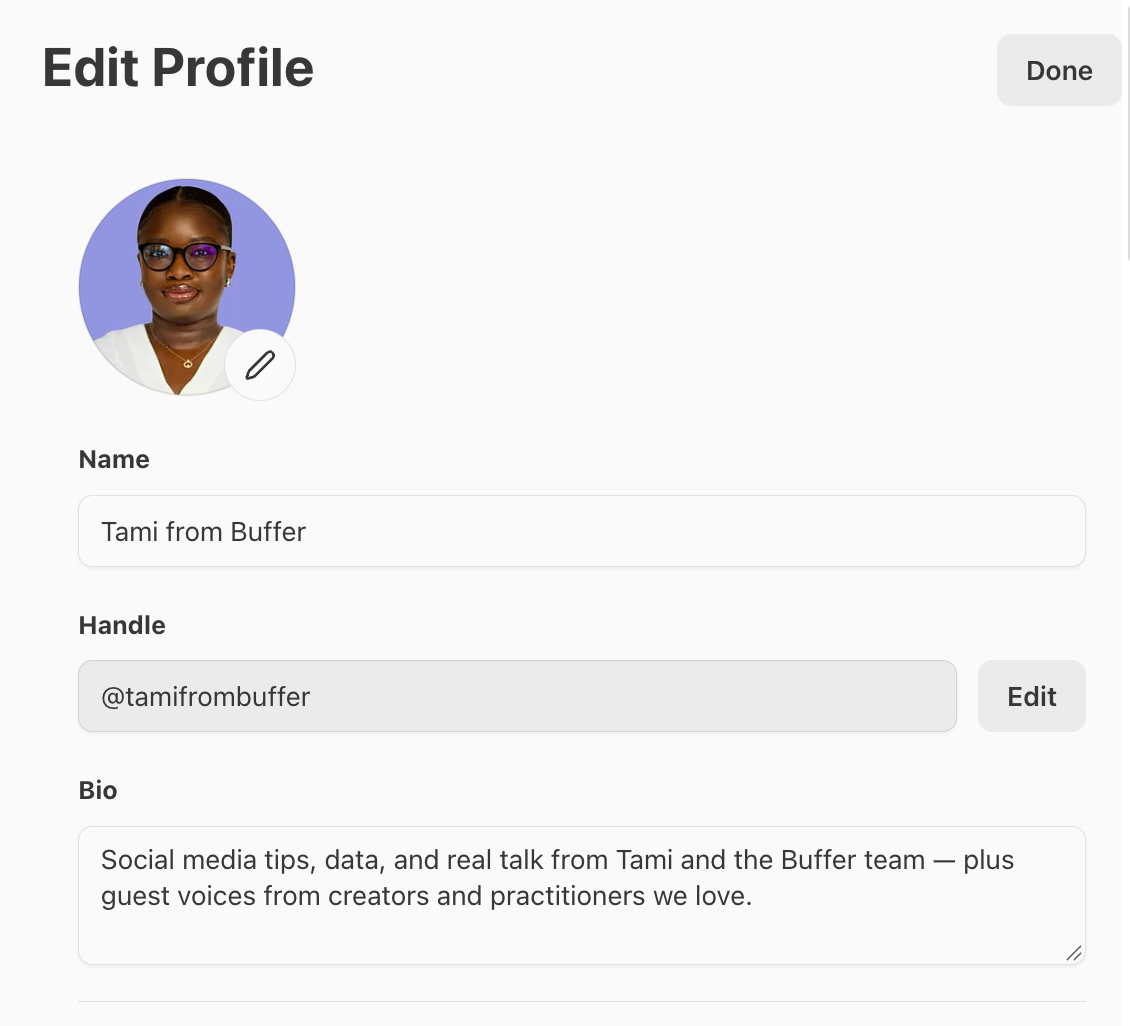
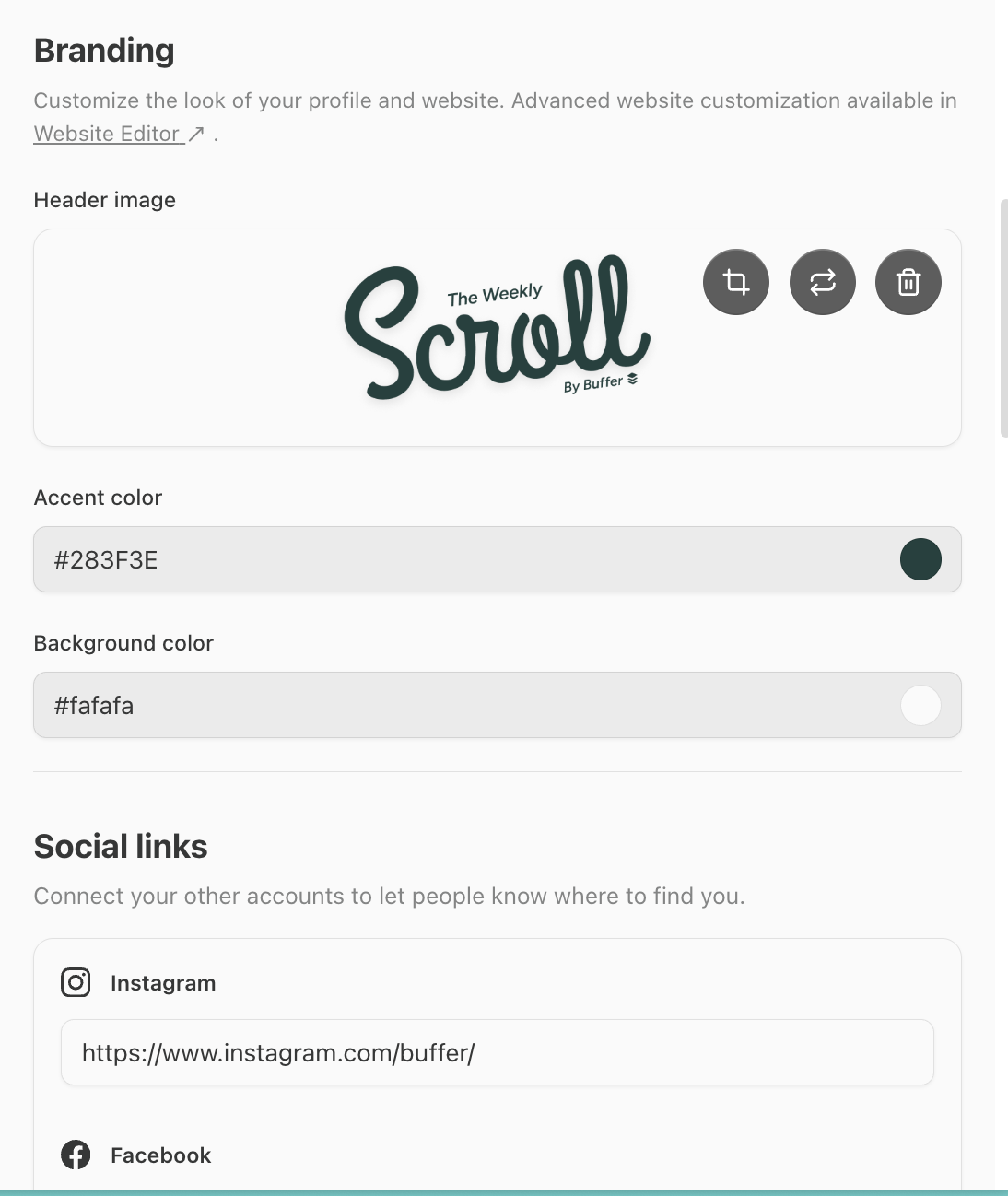
- Identity and Branding: The publisher’s profile is the digital business card of the Substack era. Consistency across a writer’s bio, profile picture, and header image is statistically linked to higher conversion rates from page views to subscriptions.
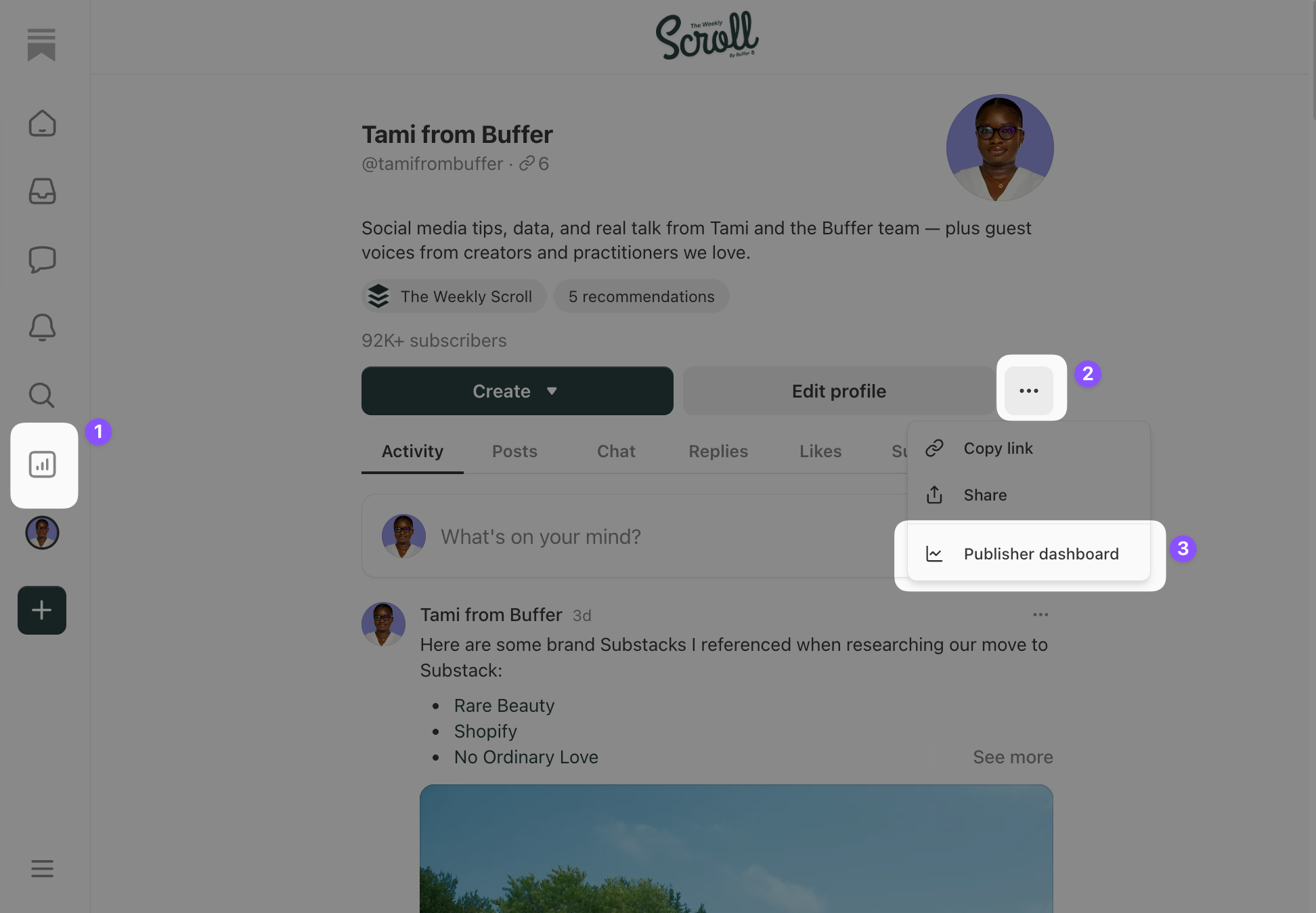
- Publication Architecture: Once the account is established, the publication acts as a standalone website. Configuring the "Publisher Dashboard" is the most critical technical step, as it allows for the customization of the "About" page—a frequently overlooked element that serves as the primary landing page for potential subscribers.
- The Welcome Sequence: Since August 2026, Substack has refined its automation tools. Creators now have the ability to trigger a series of emails upon sign-up. Industry analysis suggests that a three-part welcome sequence—introducing the writer, setting expectations for the publication, and providing a link to "must-read" archive posts—increases long-term retention by approximately 22% compared to a single automated message.
- Monetization Frameworks: While Substack is free to initiate, the integration of Stripe allows for a tiered revenue model. Creators typically implement a "freemium" strategy: free access to the core newsletter, with additional value—such as live Q&As, exclusive Chat threads, or deep-dive reports—reserved for paid members. Substack retains a 10% platform fee, while Stripe handles payment processing, which currently includes a 2.9% fee plus a fixed transaction cost.
Data-Driven Content Strategies
The most successful newsletters on the platform generally adhere to a "high-signal, low-noise" philosophy. While daily publishing can drive engagement in the Notes feed, it often leads to burnout. Data shows that a weekly cadence remains the "gold standard" for sustainable growth, provided the quality of the content is high enough to minimize unsubscribe rates.
Optimization for Search Engine Optimization (SEO) has become increasingly vital. Because Substack posts are indexed by major search engines, writers who populate the "SEO Title" and "SEO Description" fields for every post report higher discovery rates from organic search traffic. This technical diligence, combined with clear, consistent categorization of the publication, allows the platform’s algorithm to better suggest the content to relevant readers.
Industry Perspectives on Growth
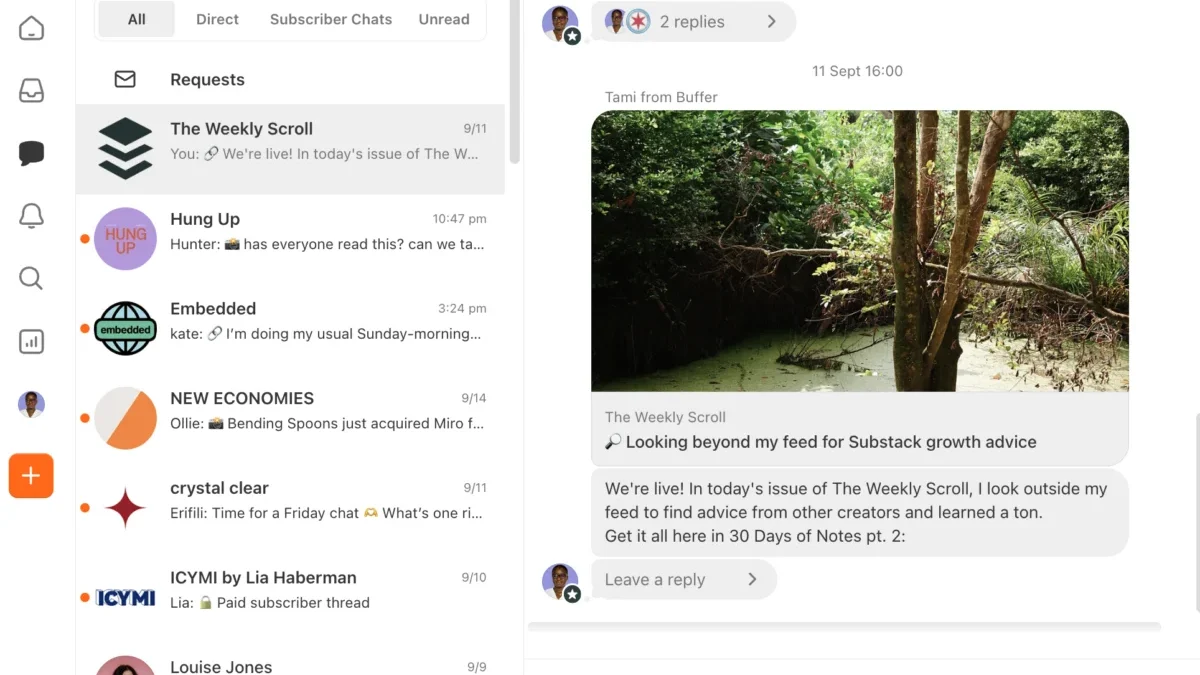
According to independent creators and industry analysts, the "creator-to-reader" relationship is the most significant competitive advantage of the platform. Unlike legacy media, where the distance between the editorial team and the reader is vast, Substack emphasizes direct communication through Chat, direct messaging, and comment sections.
"The goal is not to be a gatekeeper of information, but to facilitate a community," notes a recent industry report on independent publishing. "Writers who treat their publication as a two-way street—responding to comments and engaging in the Chat feature—consistently see higher subscriber lifetime values (LTV)."
Challenges and Future Implications
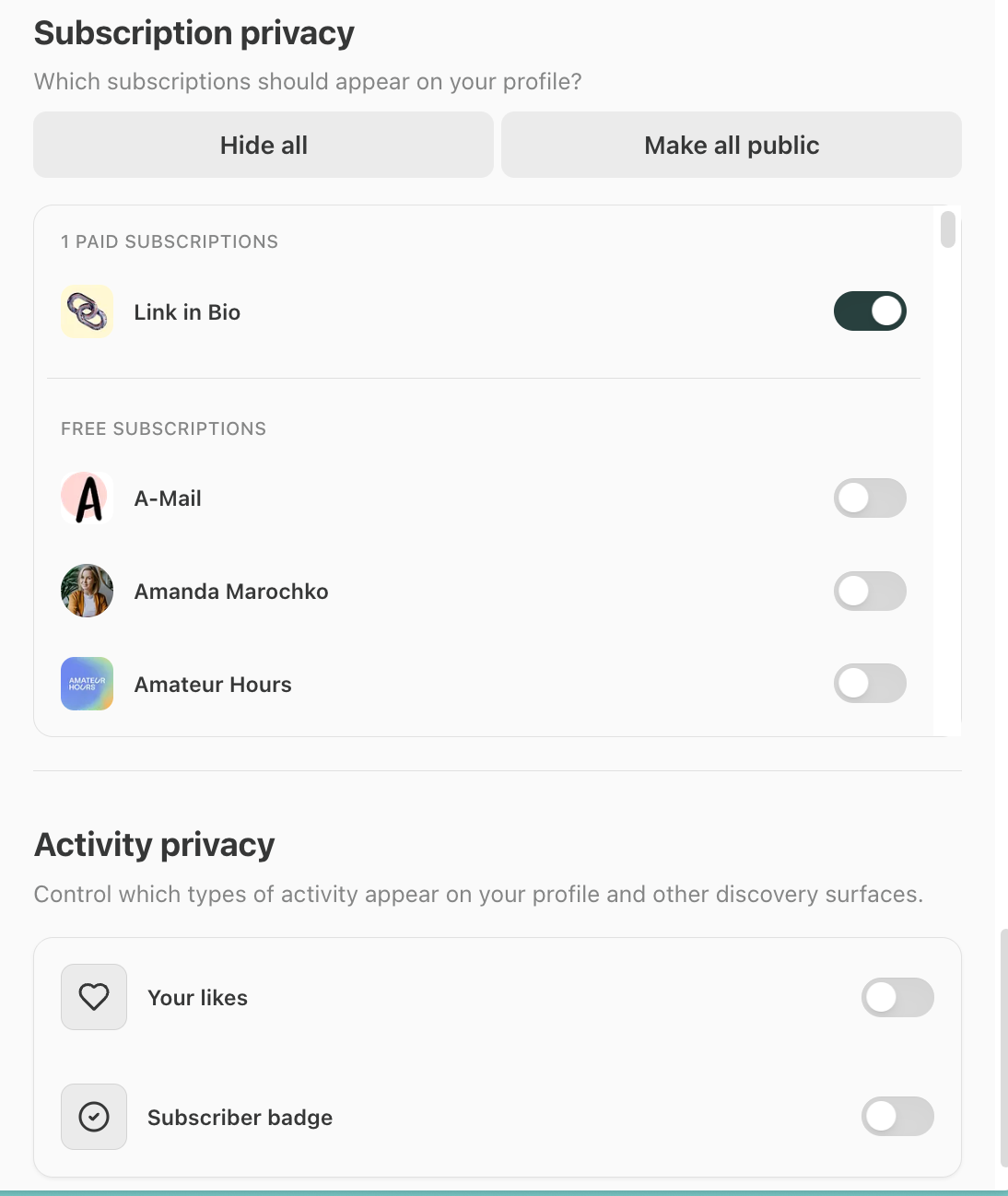
Despite its ease of use, Substack presents challenges. The platform’s algorithm is a "black box," and relying solely on it for growth can be risky. Furthermore, the platform’s decision to allow creators to choose whether or not to include their reading list on their profile has sparked debate about transparency in the media ecosystem.
However, the broader implication of Substack’s model is the decentralization of media. By providing the tools for high-quality production, payment processing, and distribution under one roof, Substack has lowered the barrier to entry for journalists, academics, and hobbyists alike. The ability to export subscriber lists remains the cornerstone of the platform’s appeal, offering creators a safety net that is largely absent from traditional social media platforms.
Summary Checklist for New Publishers
- Establish a Niche: Determine a specific angle or "point of view" that differentiates the publication.
- Verify Technicals: Ensure Stripe is connected for future monetization, even if the publication is currently free.
- Import Existing Lists: Leverage previous email lists to jumpstart the subscriber count, which provides the initial "social proof" necessary for further growth.
- Adopt a Sustainable Schedule: Prioritize a recurring, manageable cadence over rapid, inconsistent output.
- Engage the Community: Actively use the Chat and Comment features to build a sense of belonging among subscribers.
As the platform continues to iterate, the fundamental requirements for success remain unchanged: a distinct voice, a consistent delivery schedule, and a genuine effort to connect with the audience. For those willing to invest the time, the tools provided by the current iteration of Substack offer a robust, professional-grade infrastructure for building a sustainable independent media business. By focusing on the intersection of high-quality content and community management, creators can effectively leverage the platform to reach a global audience while maintaining full ownership of their subscriber base.