In the fast-paced ecosystem of digital marketing, the call to action (CTA) remains a pivotal element determining the financial viability and overall success of a promotional campaign. As digital noise intensifies and user attention spans continue to shrink across social media networks, email channels, and web platforms, the composition of a CTA can dictate whether a brand captures a prospective consumer or experiences complete user abandonment.
Industry data underscores the severity of the modern attention economy. Recent metrics indicate that over 22% of internet users actively deploy ad blockers, frequently citing ad fatigue and saturation as primary deterrents. Consequently, marketing executives, copywriters, and campaign managers face mounting pressure to refine their messaging architecture. A well-constructed CTA does more than merely direct a user; it alleviates decision fatigue, provides clear content orientation, and directly influences conversion rates across diverse digital channels.
Anatomy and Evolution of the Call to Action

Historically defined as a straightforward text prompt encouraging a target audience to execute a specific task, the modern CTA has evolved into a sophisticated psychological tool. Whether manifested as a two-word directive like "Buy Now" or an emotionally resonant value proposition such as "Subscribe today so you never miss an update," these prompts bridge the gap between passive content consumption and active consumer engagement.

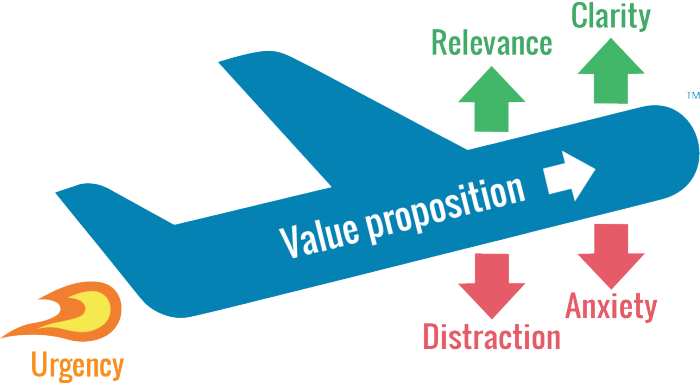
The structural foundation of an effective CTA typically relies on strong action verbs paired with strategic modifiers. According to conversion rate optimization frameworks such as the LIFT Model—developed by conversion research firm WiderFunnel—an optimal CTA harmonizes relevance, clarity, urgency, and value proposition. For instance, a prompt to "Download this ebook now" successfully aligns relevance (download), clarity (the specific asset), urgency (now), and an implied value proposition.

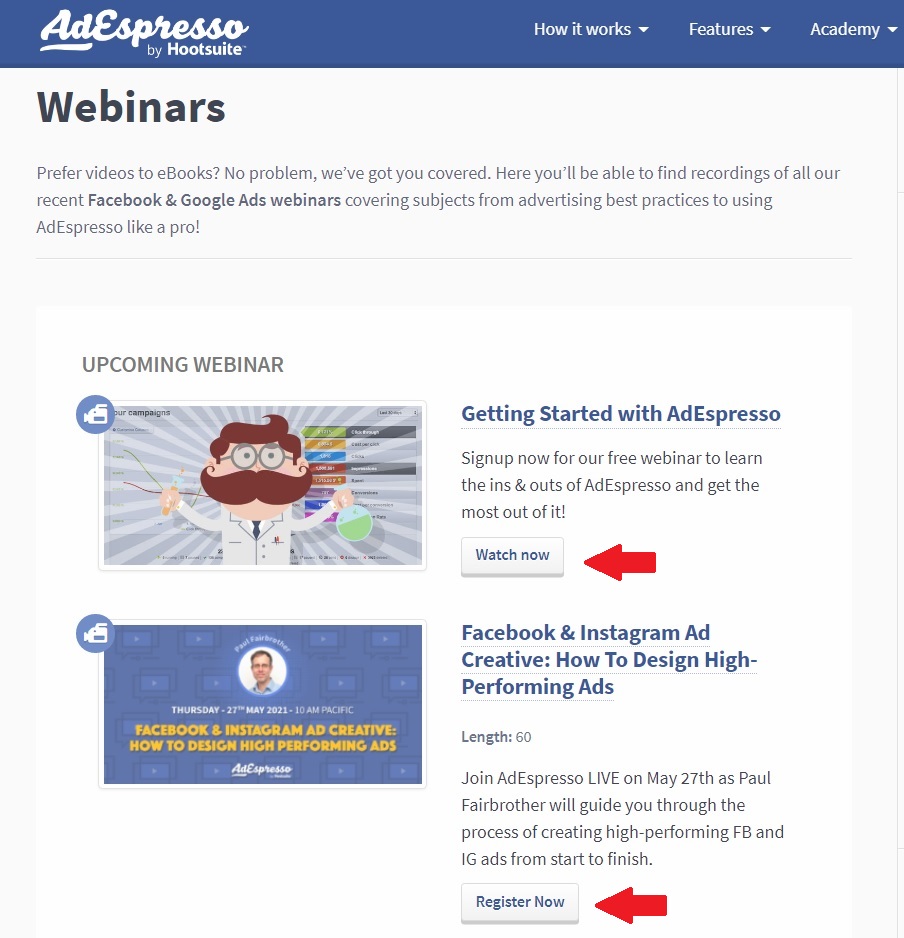
Beyond basic text formatting, digital marketers increasingly rely on interactive, clickable CTA buttons rather than plain, hyperlinked text. Empirical studies substantiate this shift. Research examining digital publishing and e-commerce templates reveals that transitioning from text links to stylized CTA buttons can elevate conversion metrics significantly. Specifically, case studies from optimization platforms demonstrate that implementing prominent, button-based CTAs can increase e-commerce conversions by over 20% and boost content engagement rates by up to 83%, while alternative analyses note conversion lifts of 45% when visual button hierarchy is properly established.

Strategic Categorization and Industry Applications

Different industry verticals require distinct linguistic approaches to resonate with their respective target demographics. Marketing strategists generally categorize primary CTA purposes into specific sectors:

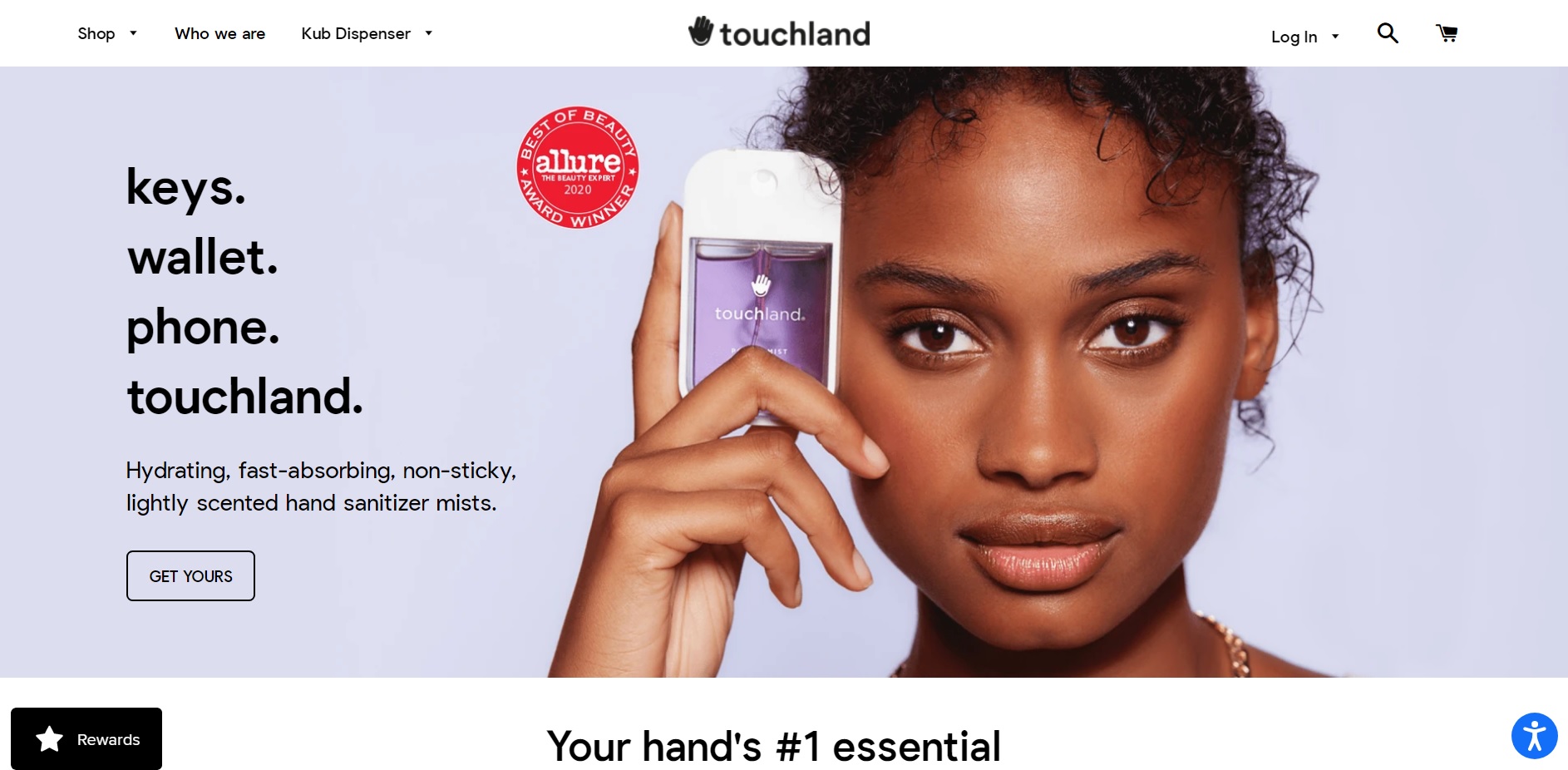
- E-Commerce: Transactions in this sector benefit from direct, transactional verbs. Common iterations include "Buy," "Shop," "Order," "Reserve," "Save," and "Add to Cart."
- Software-as-a-Service (SaaS): Technology platforms focus on trial and adoption metrics, utilizing terms such as "Try," "Get Started," "Subscribe," and "Sign Up."
- Non-Profit Organizations: Mission-driven entities rely on community-oriented and philanthropic language, including "Donate," "Commit," "Volunteer," "Adopt," and "Support."
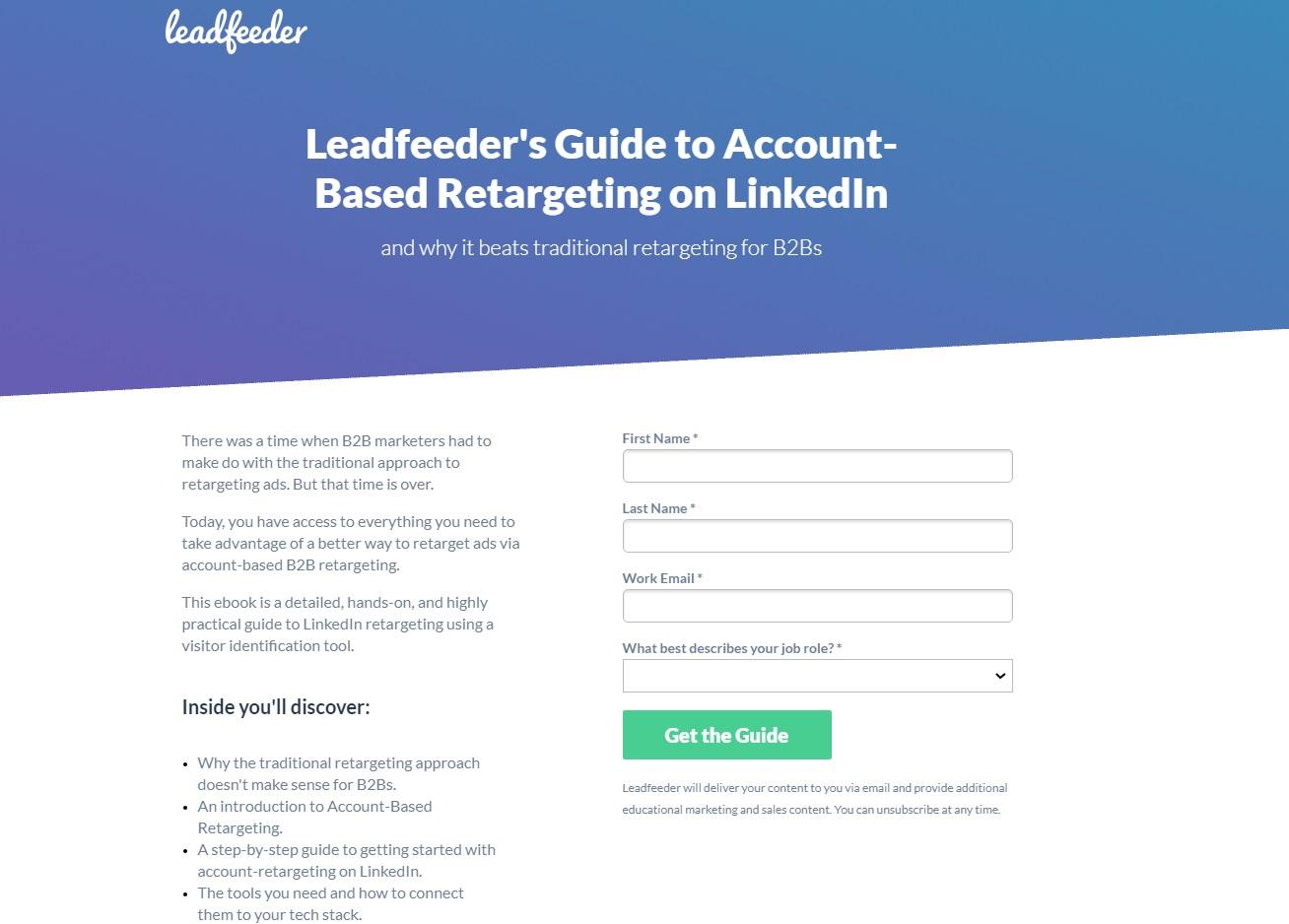
- Content and Lead Generation: Publishers and community builders leverage acquisition-focused phrasing such as "Download," "Claim," "Join," and "Learn More."
Leading brands across Meta properties, LinkedIn, and dedicated landing pages frequently deploy these strategies to optimize customer acquisition costs (CAC). For instance, split-testing experiments conducted on paid advertising platforms demonstrate that the choice of a native CTA button can drastically alter campaign economics. Controlled advertising experiments indicate that utilizing optimized native buttons (such as "Download" versus running campaigns without an interactive button) can reduce cost-per-acquisition metrics by more than 50%, transforming marginally profitable campaigns into highly scalable initiatives.

Methodology for Drafting and Testing Persuasive CTAs

Developing a high-performing CTA requires a systematic approach to copywriting and empirical validation. Digital marketing analysts recommend a three-step creation process:

First, practitioners must articulate the core value proposition of their product or service, referencing brand mission statements or product benefits.

Second, copywriters should distill these benefits into concise, action-oriented phrases spanning two to five words. Incorporating sensory or emotional modifiers—such as Headspace’s culturally tailored "Snuggle up to Headspace"—can humanize a brand and foster emotional resonance.
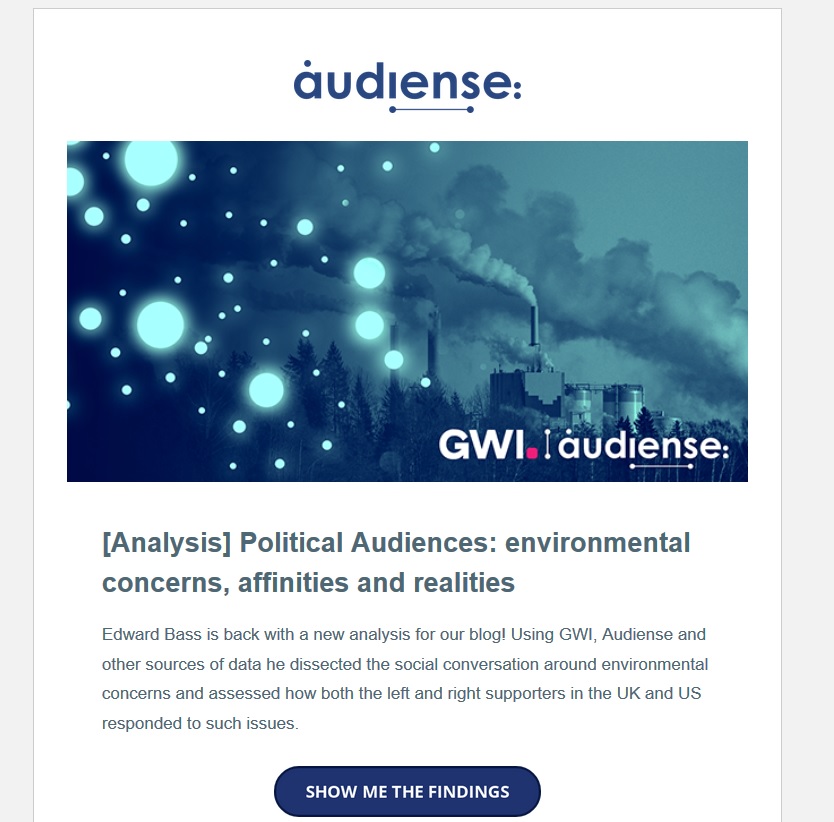
Third, and most importantly, digital marketers must reject the notion of a universal formula, instead relying on rigorous A/B testing and multivariate experimentation. Because consumer behavior varies widely across demographics and market conditions, continuous split-testing allows campaign managers to evaluate multiple CTA variations simultaneously. Advanced optimization engines can automatically pause underperforming ad variants, ensuring optimal budget allocation toward high-converting creative assets.

Broader Industry Implications and Future Outlook
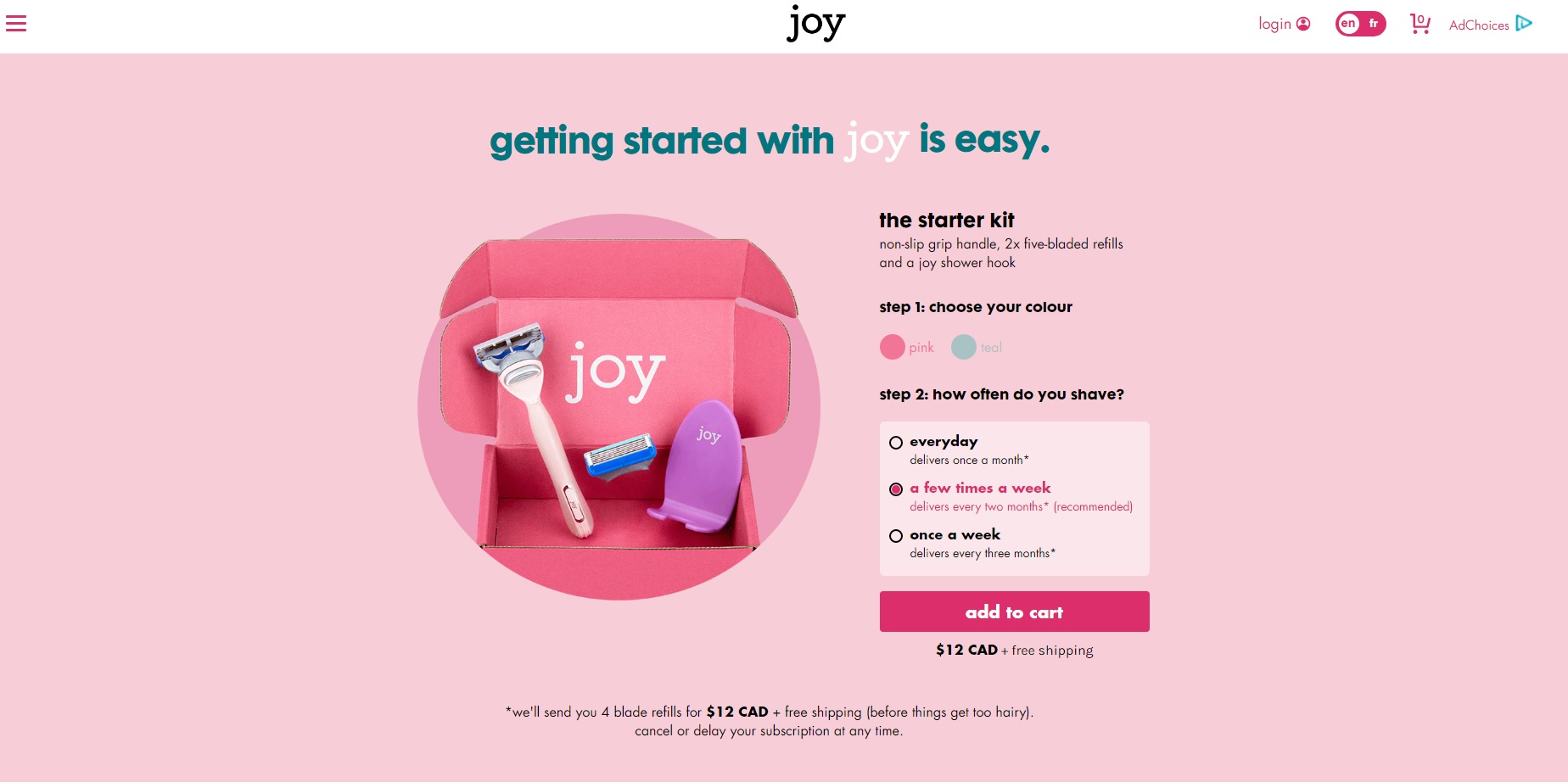
The continuous refinement of calls to action reflects broader structural shifts in digital advertising and user experience (UX) design. As privacy regulations tighten, third-party cookies phase out, and customer acquisition costs rise across major ad networks, brands can no longer rely solely on broad audience targeting to drive profitability. Instead, conversion rate optimization (CRO) and hyper-targeted copywriting have emerged as essential competencies for maintaining competitive advantage.
Experts predict that future CTA optimization will increasingly leverage artificial intelligence and dynamic personalization. Rather than displaying static buttons to all visitors, websites and social media ad placements will dynamically adapt CTA terminology, color contrast, and placement based on real-time user behavior, past purchase history, and intent signals.
Ultimately, whether deployed within a minimalist landing page, an e-commerce checkout flow, or a high-impact social media advertisement, the fundamental purpose of the call to action remains unchanged: to provide clear, persuasive direction that transforms casual observers into engaged brand advocates. Organizations that invest in systematic testing, linguistic precision, and user-centric design will continue to dominate digital conversion landscapes in the years ahead.