Social media has irrevocably reshaped the landscape of public administration and political communication, moving beyond traditional channels to establish direct, real-time engagement between governments and their constituents. What began as an informal outreach tool has evolved into an indispensable component of modern governance, offering unprecedented opportunities for transparency, crisis management, and democratic accountability.
Elevating Public Engagement and Building Trust

One of the most significant benefits of social media for governments is its capacity to foster deeper public engagement. With over half of U.S. adults now relying on social platforms for news, agencies and officials can meet citizens where they are, disseminating vital information and updates on platforms like TikTok, X (formerly Twitter), and Facebook. This direct line of communication is crucial for keeping the general public informed about important issues, from local alerts to national policy changes.
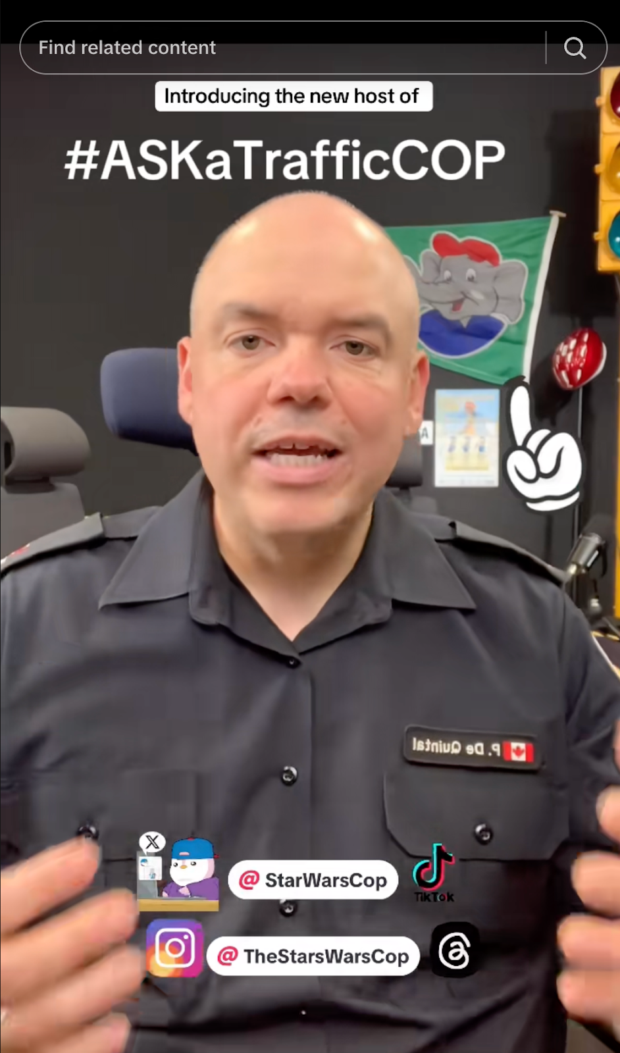
Beyond mere broadcasting, effective social media engagement involves genuine two-way interaction. This can manifest in various forms, such as the Toronto Police Traffic Unit’s "Ask Me Anything" (AMA) sessions on TikTok, where representatives field questions ranging from obscure traffic laws to road safety advice. Such initiatives humanize public services, making them more approachable and fostering a sense of community dialogue. Platforms like Nextdoor have also emerged as vital tools for local governments to organize virtual town halls, educate residents on safety, and engage community groups, proving that targeted outreach can build robust local connections. When executed with authenticity, this consistent engagement helps build public trust and credibility, critical assets in an era of declining faith in governmental institutions.

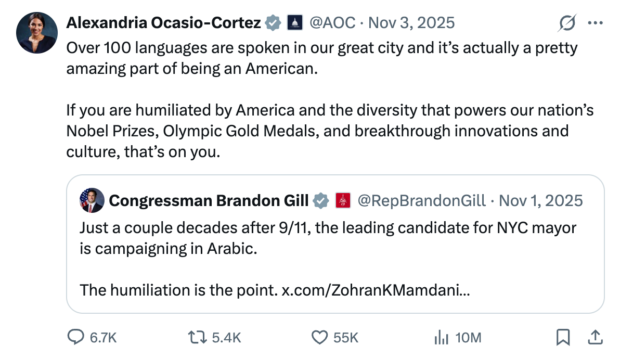
Furthermore, social media empowers government officials to cultivate personal brands rooted in authenticity and transparency. This is particularly salient given that only 17% of Americans, according to Pew Research, trust the government to do what is right. Figures like U.S. Representative Alexandria Ocasio-Cortez (AOC) exemplify this approach, utilizing platforms like X to communicate directly with constituents in an unvarnished, personal voice, eschewing overly polished press releases and political jargon. Her strategic use of social media has seen her following grow from under 500,000 in 2018 to over 12 million by 2026, including becoming the first person to reach 1 million followers on Bluesky. This phenomenon underscores the public’s desire for accessible, relatable political figures, although this approach carries the inherent risk of public backlash if content is perceived as inauthentic or inappropriate. Consequently, robust social media policies and clear guidelines are essential to ensure all official communications align with agency standards and public expectations.
Crisis Communication in an Instant Information Age
In times of crisis, social media platforms become critical conduits for information dissemination and public reassurance. Citizens instinctively turn to these channels for real-time updates, to manage fear, and to follow breaking news. Concurrently, governments are expected to provide clear leadership and act as reliable sources of truth. The speed of social media, however, is a double-edged sword; it can also become a breeding ground for misinformation and disinformation. During the COVID-19 pandemic, for instance, roughly 47% of surveyed U.S. adults encountered news about the crisis that seemed fabricated. The advent of AI-generated content has only amplified this challenge, making false narratives faster to produce and harder to discern.
To counter this, governments must invest in advanced social listening tools like Lumen. These tools enable real-time monitoring of online conversations, allowing agencies to identify emerging false narratives early and respond swiftly with clear, accurate updates from official channels. While not every incorrect comment warrants a response, widespread misinformation demands official intervention to set the record straight. Effective crisis management on social media involves a proactive strategy, consistent messaging, and the ability to adapt in real time, as demonstrated by organizations like the U.S. Centers for Disease Control and Prevention (CDC) during the pandemic.
Campaigns, Cost-Effectiveness, and Measurable Impact
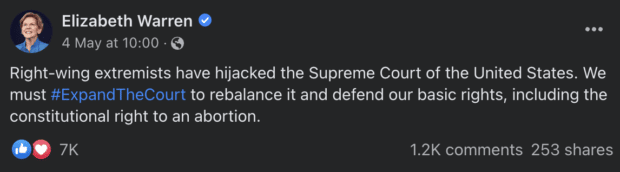
Social media has revolutionized political campaigning, transforming platforms into virtual town halls where politicians can directly introduce initiatives, ideas, and policy positions. It serves as an effective, low-stakes testing ground for campaign messaging, providing immediate feedback and measurable engagement metrics that reveal what resonates with voters. Politicians can also leverage these platforms to publicly align with key issues and movements, as seen with Elizabeth Warren’s stance on Roe v. Wade or Zohran Mamdani’s TikTok-first mayoral campaign in New York City.
Beyond political campaigns, social media offers a highly cost-effective and measurable alternative to traditional outreach methods. Historically, governments relied on expensive TV ads, newspaper placements, and flyers with limited insight into their actual impact. Digital channels have fundamentally altered this dynamic. In the 2024 U.S. election cycle, political advertisers spent over $1.3 billion on digital advertising across Google and Meta alone, reflecting the significant shift in outreach strategies. The inherent measurability of digital campaigns allows for precise tracking of spending, evaluation of results, and optimization of messaging to achieve the strongest return on investment, making social media an attractive proposition for resource-conscious public entities.
The Evolving Landscape of Government Social Media Management
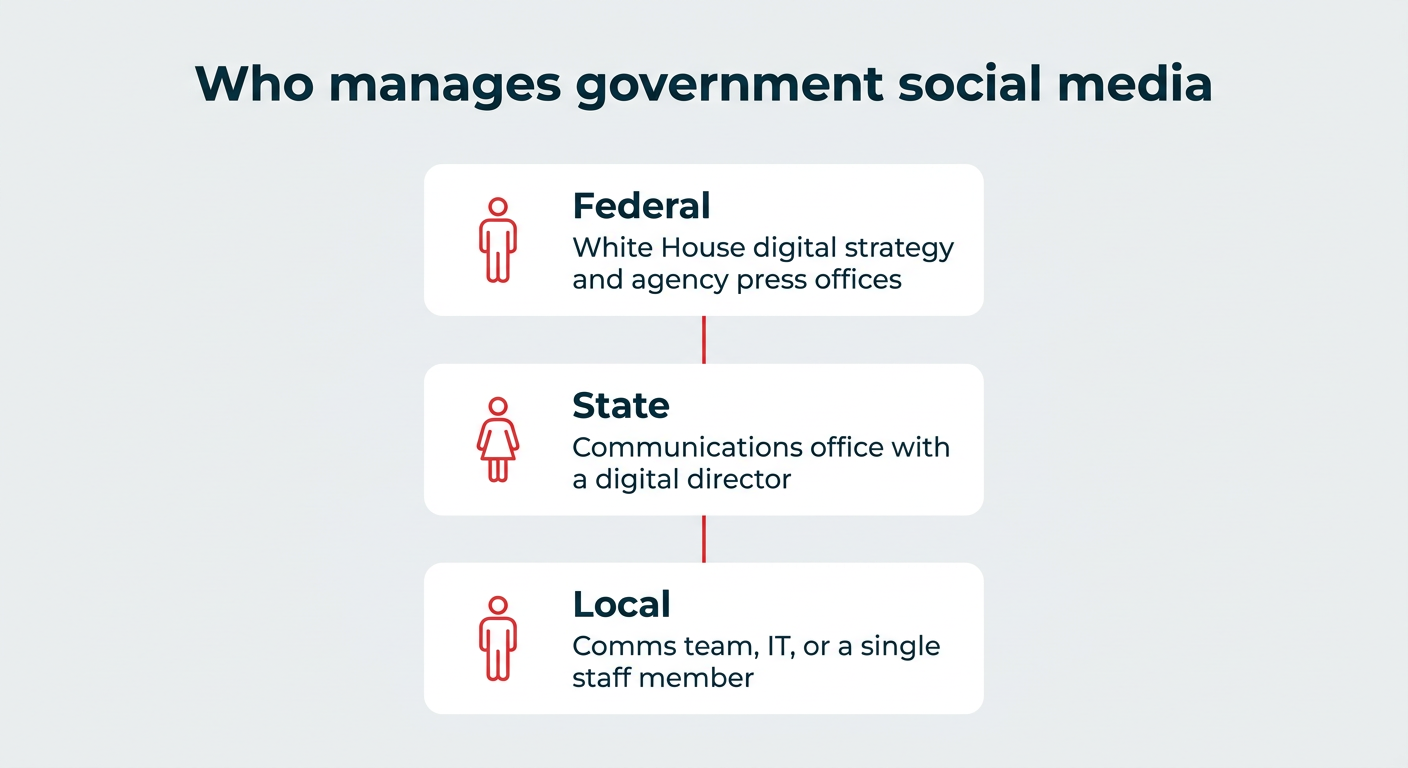
Managing social media for government entities is a complex undertaking, typically falling under the purview of public affairs or communications teams. The exact structure varies based on the level of government and agency size, but it consistently involves a dedicated team operating within strict approval and compliance frameworks. Federal agencies, for instance, often have highly structured digital strategy offices, while state and local governments may integrate social media management within broader communications or IT departments. The clear trend is an increasing investment in dedicated social media roles, recognizing the channel’s central role in public communication and crisis response.
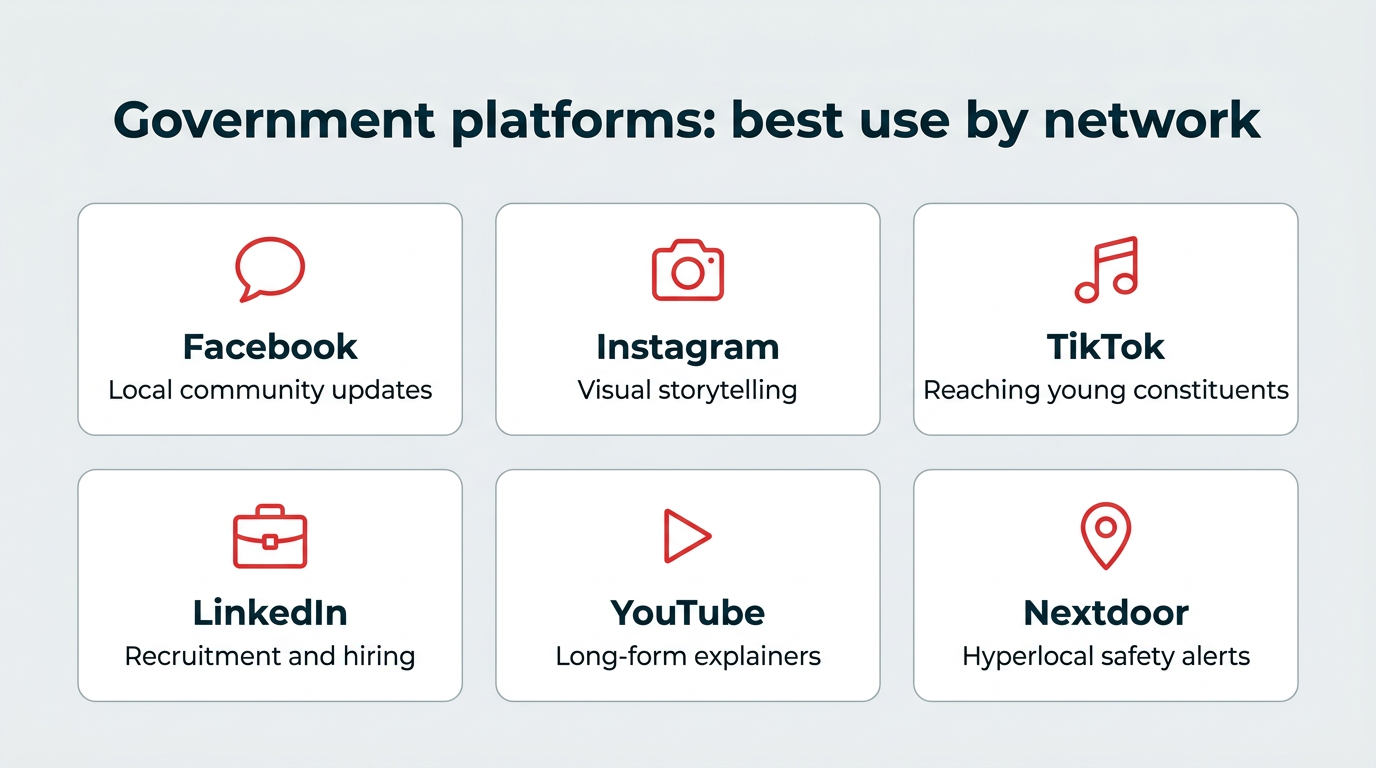
A diverse array of platforms is utilized, with the choice often dictated by audience demographics and strategic goals. Facebook remains a workhorse for local government updates due to its broad, older-skewing audience. X is preferred for real-time alerts and breaking news, though its evolving landscape regarding reach and moderation requires careful navigation. Instagram excels in visual storytelling, particularly with Reels driving high engagement among Millennials and Gen Z. TikTok is crucial for reaching younger constituents, though agencies must adhere to evolving policies regarding its official use. LinkedIn is invaluable for recruitment, workforce initiatives, and thought leadership, while newer platforms like Threads and Bluesky are emerging as text-based alternatives to X, attracting early adopters and journalists. YouTube serves as an essential repository for long-form video, hearings, and explainers, and Nextdoor is purpose-built for hyperlocal alerts and community engagement. Diversifying presence across multiple platforms ensures resilience and wider audience reach, mitigating dependence on any single channel.
Navigating the Inherent Risks and Scrutiny
Despite its benefits, government use of social media is fraught with challenges. Messaging, even well-intentioned, can easily backfire. The infamous 2014 South Dakota "Don’t Jerk and Drive" campaign, intended to warn against dangerous driving on black ice, quickly succumbed to its unintended double meaning, forcing its withdrawal. This highlights the critical need for careful tone-testing, interpretation review, and pre-emptive identification of unintended meanings before any content goes live.
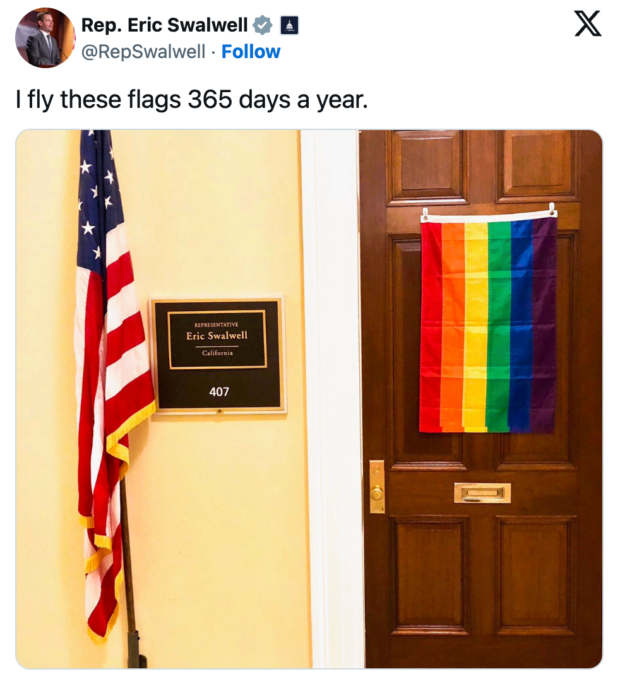
Public scrutiny on social media is immediate and unforgiving. Audiences fact-check in real-time, demanding proactive reputation monitoring and unwavering authenticity. The example of Congressman Eric Swalwell’s tweet featuring a "freshly unpacked" Pride flag, despite his caption claiming it was flown "365 days a year," illustrates how quickly public claims can be debunked and credibility questioned. Any public statement must be rigorously verifiable.
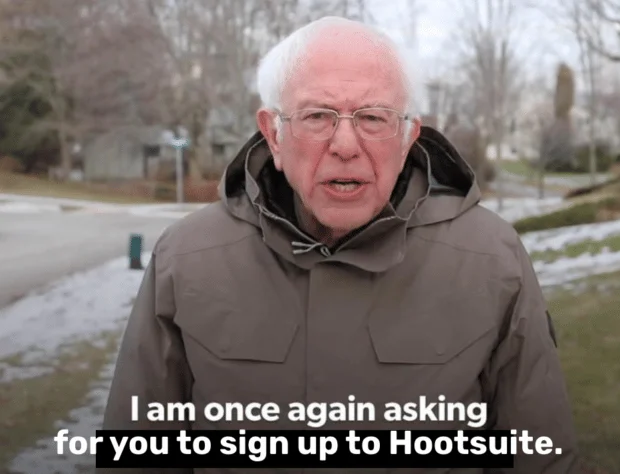
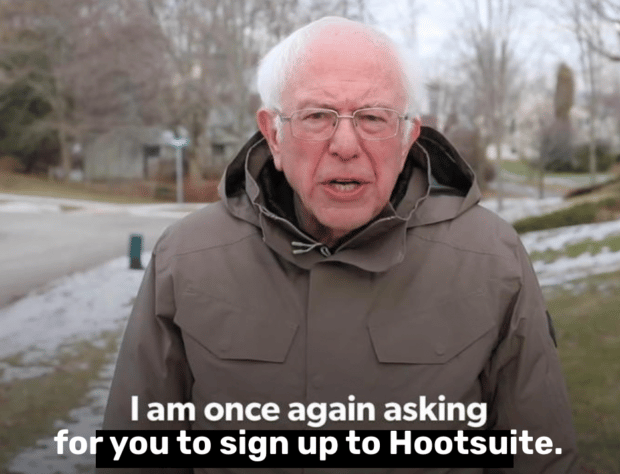
Furthermore, content shared online by public figures is easily remixed, repurposed, and spread far beyond its original context, often turning into viral memes. While many such moments, like the ubiquitous Bernie Sanders inauguration meme, are lighthearted, public figures must operate under the assumption that anything posted can be stripped of its original intent and spread uncontrollably. This loss of control necessitates a cautious approach to content creation.
Crucially, not every political situation benefits from public social media attention. There are instances where restraint is the more strategic choice. The low-profile approach taken by the U.S. government during WNBA star Brittney Griner’s detention in Russia in 2022 is a poignant example. Concerns that public pressure could escalate geopolitical tensions and turn Griner into a bargaining chip led to a deliberate lack of major public callouts from senior U.S. officials during the early stages of her detention. This demonstrates that social media, while powerful for amplification, can also inadvertently create pressure or derail sensitive government business.
Legal Frameworks and Accountability: The First Amendment and Blocking Users
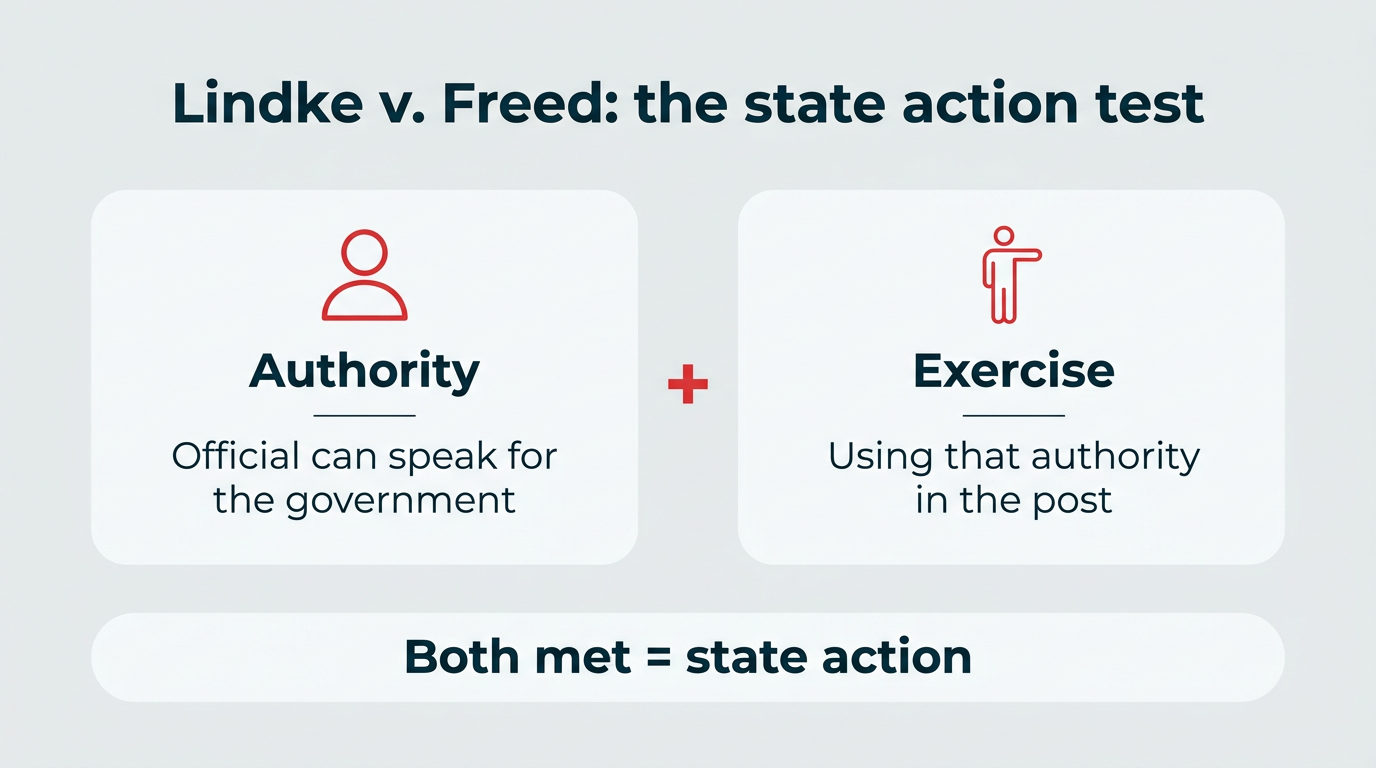
A critical legal consideration for government social media accounts is the First Amendment. Courts have largely ruled that when a public official uses an account for official government business, that account can function as a public forum. Consequently, blocking users or deleting critical comments can violate First Amendment protections. The legal landscape became clearer in 2024 with the U.S. Supreme Court’s ruling in Lindke v. Freed. This decision established a test for determining "state action" in a public official’s social media activity: the official must possess the actual authority to speak for the government and must be exercising that authority in the posts at issue. This ruling underscores the significant distinction between personal and official accounts.
For government social media managers, practical takeaways include clearly identifying official accounts, maintaining a clear separation between personal and official online personas, and developing policies for responding to comments without violating free speech principles. While general guidance advises against blocking users, specific legal counsel should always be sought when in doubt, particularly concerning content removal or user blocking.
Best Practices for Effective and Ethical Governance
Effective government social media requires a clear strategy, appropriate tools, and strong guardrails. Key best practices include:

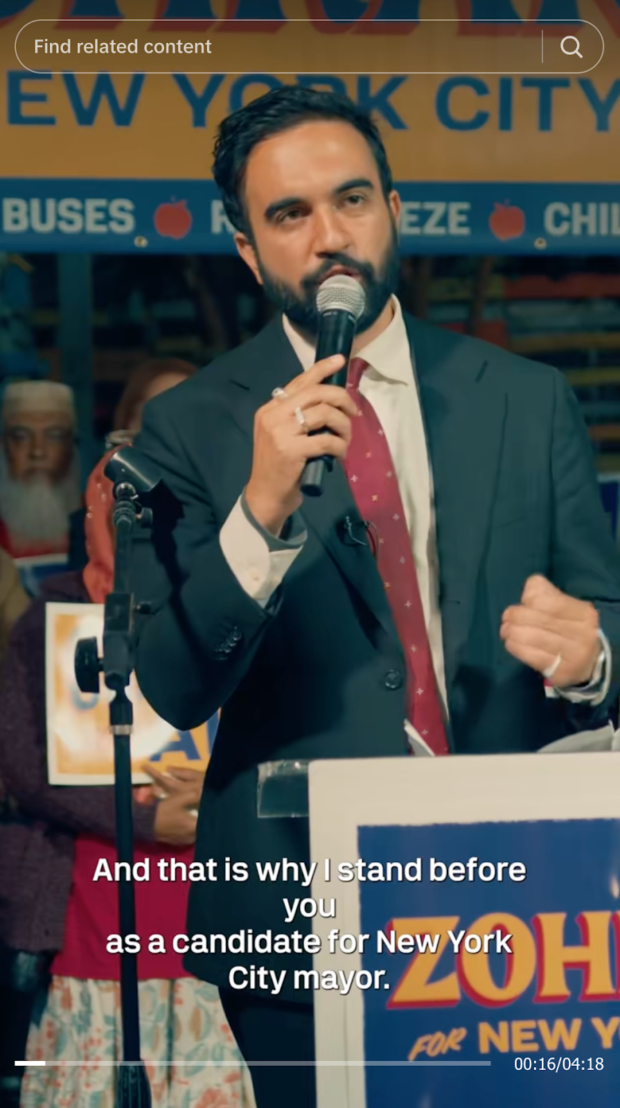
- Understand Your Constituents: Knowing where your target audience spends time online is paramount. Zohran Mamdani’s 2025 NYC mayoral campaign, which captured 78% of voters aged 18 to 29 by focusing on platform-native TikTok content, exemplifies the power of meeting constituents on their preferred platforms with relevant formats.
- Share Relevant, Valuable Content: Building audience trust relies on consistently sharing interesting and informative content. The BC Parks Instagram account, for instance, effectively shares tips and insights, establishing itself as a legitimate source for park-related information.
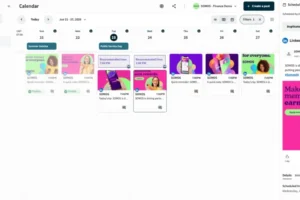
- Keep Residents Engaged: True citizen engagement is a two-way street. Government officials must reply to messages, join conversations, and answer questions to foster relationships. Tools like Hootsuite’s Nest streamline customer care, consolidating messages from various platforms into a unified inbox, facilitating timely responses, and leveraging automations for efficiency.
- Build a Clear Social Media Policy: A comprehensive policy is the backbone of consistent and compliant government communication. It should cover content guidelines, approval workflows, crisis protocols, security measures, and legal compliance, removing guesswork and protecting against costly mistakes.
- Make Content Accessible: Accessibility is a legal mandate under Section 508 of the Rehabilitation Act and adheres to Web Content Accessibility Guidelines (WCAG). This means incorporating alt text for images, closed captions for videos, logical content structure, and clear language to ensure content is usable by people with disabilities, demonstrating inclusive governance.
- Stay Secure: Maintaining public trust hinges on robust social media security. Centralized platforms like Hootsuite Social OS, which are FedRAMP-authorized and offer two-factor authentication, provide essential safeguards. Governance layers like Vigil add further control over permissions, approvals, and activity logging, minimizing the risk of compromised accounts.
- Remain Compliant: Government accounts operate under a complex web of overlapping compliance requirements, including FOIA, GDPR, Section 508, and state public records laws. Social media archiving integrations are crucial for retaining posts and messages, ensuring agencies can meet disclosure and records-retention obligations and avoid legal consequences.
- Measure and Report Performance: Proving the value of social media efforts requires consistent measurement and reporting. Focusing on metrics like engagement rate, reach, sentiment, website traffic, and constituent feedback allows teams to demonstrate how social media supports agency goals and delivers public value.
The Dawn of AI in Government Communications
Artificial intelligence (AI) is rapidly transforming government social media by enhancing content creation, monitoring conversations, and streamlining constituent responses. AI-powered tools can assist in drafting content, analyzing social listening data to identify trends and misinformation, and personalizing constituent interactions. However, the application of AI in the public sector demands stringent governance and human oversight. A wrong AI-generated answer from an official source can severely erode public trust or spread misinformation.
Key AI applications in 2026 include content generation (drafting posts, summaries), social listening (identifying trends, sentiment, misinformation), constituent response (drafting replies, FAQs), and deepfake detection. The emphasis for government agencies must be on AI governance guardrails that keep humans in the loop, ensuring AI outputs are traceable, cited, and reviewed by staff before publication. AI should augment human judgment and efficiency, never replace the critical human element of accountability in government communication.
Government Social Media Benchmarks and Case Studies
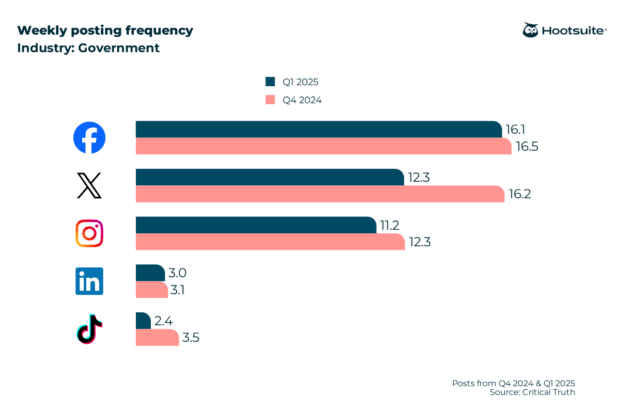
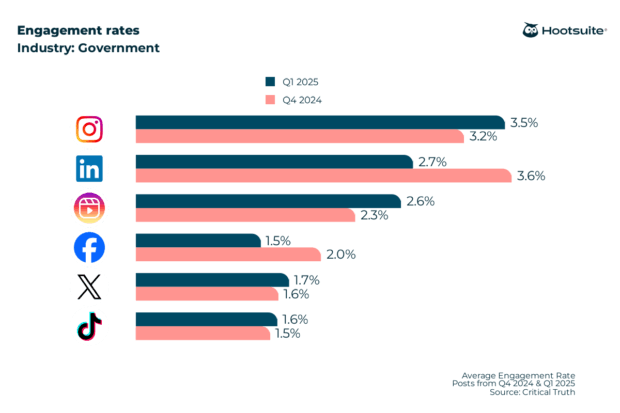
Hootsuite benchmark data (Q4 2025) provides valuable insights into government social media performance. On average, government institutions post most frequently on Facebook (16.1 times weekly) and least on TikTok (2.4 times weekly). Engagement rates vary, with Instagram showing the highest average at 3.5%, followed by LinkedIn at 2.7%. Follower growth rates are modest across platforms, highlighting the challenge of expanding reach in a competitive digital landscape. These benchmarks offer a realistic baseline for agencies to set goals and evaluate their own performance.
Several campaigns stand out as exemplars of effective government social media:
- CDC’s COVID-19 Response: The CDC’s clear, consistent messaging during the pandemic remains a powerful case study in large-scale crisis communication, leveraging social media to inform and guide the public.
- Washington State Department of Natural Resources: This agency demonstrates that government communication doesn’t have to be dry, using meme-friendly, timely posts that often go viral while providing valuable information and excelling in accessibility with strong alt text.
- Zohran Mamdani’s TikTok-First Campaign: Mamdani’s 2025 NYC mayoral run illustrated the success of a platform-native strategy, tailoring emotionally resonant videos for TikTok to capture the youth vote.
- Ready.gov Emergency Preparedness: FEMA’s Ready.gov campaign consistently delivers actionable safety guidance across platforms, proving that reliable, useful information, even without viral intent, builds long-term public trust.
In conclusion, social media is no longer an optional extra for governments but an integral, complex, and powerful tool. Its ability to enhance public engagement, facilitate crisis communication, and streamline campaigns is undeniable. However, navigating the risks of misinformation, public scrutiny, legal constraints, and the ethical integration of AI requires strategic foresight, robust policies, and a commitment to transparency and accountability. The most effective government teams are those that adapt to evolving digital landscapes, leveraging technology to build trust and serve their constituents while upholding democratic principles in the digital age.