
Global ecommerce sales reached an unprecedented $5.5 trillion worldwide, a milestone that continues to accelerate annually and firmly establishes online retail as one of the most resilient and lucrative business models of the modern economy. Yet, the paradigm of digital retail is undergoing a profound structural evolution. Modern digital commerce is no longer confined to traditional standalone online storefronts and dedicated e-commerce platforms such as Shopify and WooCommerce. Instead, brands and independent merchants are increasingly bypassing traditional web browsers altogether, opting to sell directly within social media ecosystems.
This rapidly expanding sector is known as social commerce. Defined as the process of buying and selling products or services directly within a social media platform, this emerging business model fundamentally transforms social networks from conventional points of product discovery into closed-loop transactional environments. Users can now seamlessly complete an entire purchasing journey—from initial visual inspiration to final checkout—without ever navigating away from their preferred application or loading a separate webpage.

To understand the trajectory of social commerce, industry analysts examine the trajectory from early digital advertising to fully integrated in-app purchasing ecosystems. In the nascent days of social media marketing, platforms functioned primarily as digital billboards. Brands purchased ad space to drive traffic away from apps and onto external websites. However, high friction rates—such as slow-loading mobile landing pages, tedious account creation forms, and mandatory credit card entries—frequently led to high rates of cart abandonment. Social commerce was engineered specifically to dismantle these barriers, converting momentary impulses into immediate sales.
Market data underscores the immense demographic pull driving this trend. According to extensive research published by Statista, approximately 62 percent of consumers aged 18 to 34 have successfully completed a purchase directly as a result of branded social media posts or content shared by digital influencers. For younger demographics, including Millennials and Generation Z, social media acts as the primary search engine and marketplace for consumer goods, surpassing traditional search engines for discretionary retail categories like apparel, beauty products, and consumer electronics.
Distinguishing Social Commerce from Traditional E-commerce and Social Selling

Industry professionals frequently confuse social commerce with broader digital retail terminology, though distinct operational lines separate them. Traditional e-commerce encompasses the broader commercial activity of buying and selling goods from dedicated online stores, branded e-commerce websites, or proprietary mobile applications. Social commerce, by contrast, restricts the transactional architecture entirely to the boundaries of a social network.
Furthermore, social commerce must not be conflated with social selling. While social selling relies on building interpersonal relationships, networking, and nurturing leads via social channels to drive eventual conversions—a strategy heavily utilized in B2B environments—social commerce relies on automated, frictionless, in-app infrastructure to process high-volume, direct-to-consumer transactions instantly.
Key Drivers Accelerating the Social Commerce Boom

The accelerated adoption of social commerce among global brands is underpinned by five core operational advantages that traditional e-commerce infrastructure struggles to replicate.
First, social commerce inherently makes the shopping process interactive. Unlike static web pages, social platforms foster immediate community engagement. Shoppers can publicly comment on products, consult peers by tagging friends in comment sections, read authentic user reviews, and interact directly via direct messaging with brand representatives. This recreates the communal, dynamic atmosphere of a physical shopping mall within a digital space.
Second, the demographic alignment is exceptionally strong. As noted by consumer habit analysts, younger cohorts naturally gravitate toward platforms where they already spend hours consuming content. By meeting consumers where they congregate, brands reduce the customer acquisition funnel to its shortest possible path.

Third, social commerce removes systemic friction. In a standard e-commerce transaction, a consumer experiences multiple drop-off points: viewing an advertisement, navigating to an external browser, waiting for a site to load, creating an account, manually entering shipping addresses, and submitting payment details. Each step introduces an opportunity for distraction or hesitation. Social commerce condenses these steps into a few taps, leveraging saved payment credentials native to the device or app.
Fourth, social platforms act as an immediate, complimentary focus group. Direct interactions through comments and direct messages provide brands with real-time consumer feedback regarding product ideation, pricing sensitivity, and inventory preferences. Retailers can gauge sentiment on a new product line within hours of publishing a post.
Fifth, advanced algorithmic targeting allows brands to place ready-to-buy products directly in front of highly segmented audiences. Social networks possess granular data regarding user behaviors, aesthetic preferences, and purchasing intent, enabling hyper-targeted ad delivery that traditional e-commerce advertising models cannot match.

Landscape of Major Platforms Offering Social Commerce
Several major technology conglomerates have integrated native social commerce infrastructure into their applications, creating specialized shopping environments for merchants.
Facebook Shops remains one of the most mature offerings in the space. Free to set up and highly customizable, Facebook Shops allow merchants to curate product collections, customize visual branding, and sync inventories automatically from major partner platforms or via spreadsheet uploads. Customers can complete transactions via in-app checkout, transition to external websites, or initiate real-time consultations through Messenger. Due to the high volume of incoming inquiries, many businesses deploy conversational AI tools, such as automated chatbots, to manage repetitive customer service queries regarding order tracking and sizing.
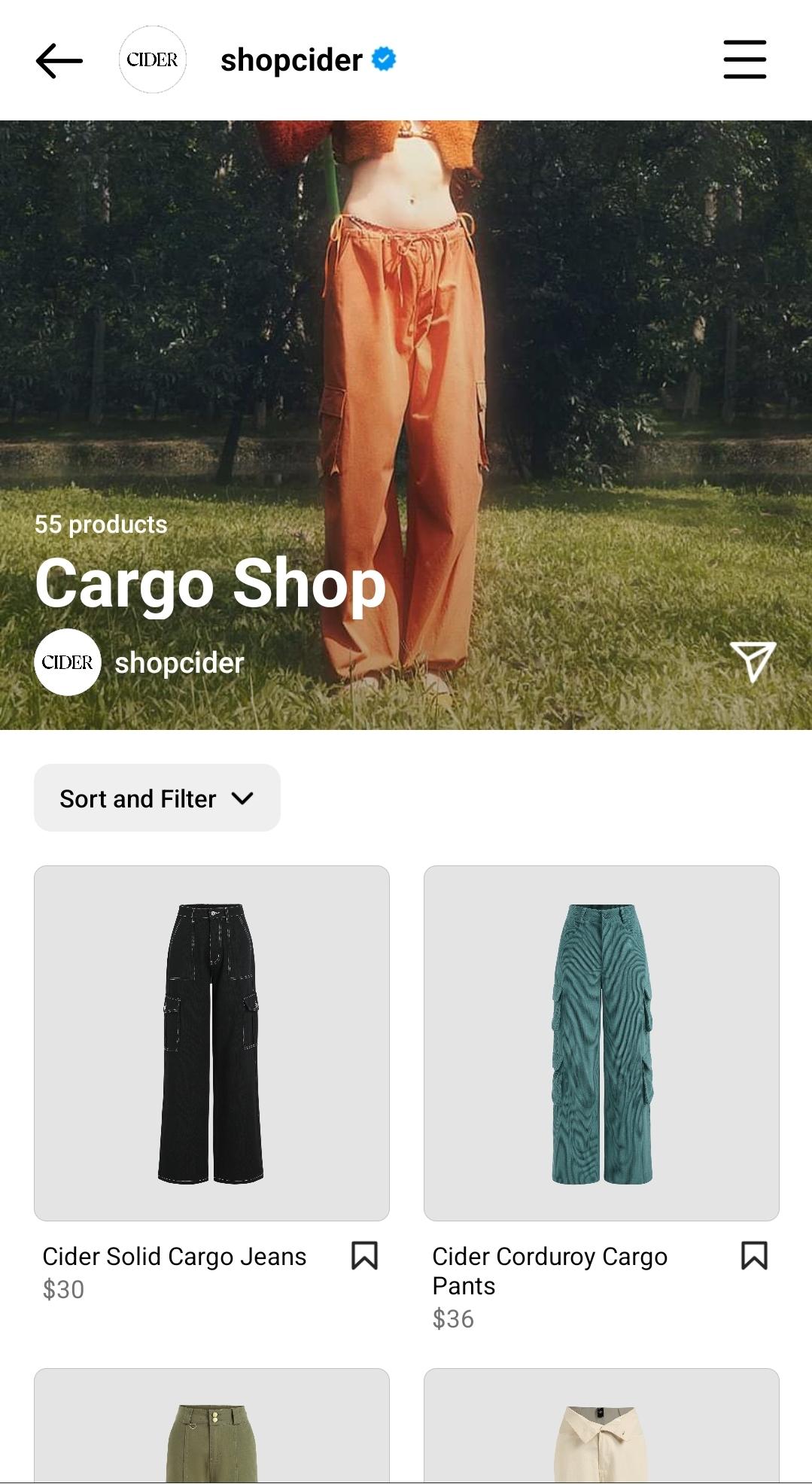
Instagram Shopping operates on a similar architectural framework, deeply integrated with Meta’s broader business suite. By linking an Instagram business profile to a Facebook catalog, brands can tag products directly within photo feeds, Stories, Reels, and live broadcasts. Recent updates have further streamlined this pipeline by introducing direct purchasing capabilities entirely within Instagram Direct Messages.
Pinterest pioneered early product discovery features through product pins containing real-time pricing and availability data. While international users are frequently redirected to external e-commerce sites to complete transactions, U.S.-based consumers enjoy native in-app checkout capabilities. Given that a vast majority of Pinterest users utilize the platform specifically for purchase inspiration and planning, its robust visual search engine remains an invaluable asset for retail brands.
TikTok has rapidly emerged as a dominant cultural and commercial force, popularized by the viral reach of the hashtag #TikTokMadeMeBuyIt, which has amassed billions of organic views. TikTok Shop enables merchants to sell products through in-feed video tags, live-streaming shopping events, and dedicated showcase tabs on creator profiles. Although platform expansion strategies continue to evolve regionally, its impact on impulse-driven retail remains profound.

Strategic Best Practices for Maximizing Social Commerce Revenue
Deploying a social storefront is merely the initial step; maintaining a profitable operation requires adherence to rigorous digital marketing and customer service standards.
Active social listening is paramount. Brands must monitor audience sentiment, respond promptly to inquiries, and leverage enterprise social management tools to track brand mentions across multiple networks simultaneously. Authentic engagement is equally critical; modern consumers demand humanized brand interactions rather than automated silence.

Furthermore, aggressive collection of social proof directly influences conversion rates. Studies consistently show that an overwhelming majority of online shoppers consult reviews prior to making a purchasing decision. Retailers should actively solicit feedback through automated post-purchase emails or incentivized testimonial campaigns, subsequently amplifying positive user-generated content across their social feeds.
Finally, integrating conversational artificial intelligence into social commerce operations helps bridge the gap between high-volume traffic and personalized customer service. Advanced AI chatbots can automatically handle up to 80 percent of routine inquiries—such as shipping status and pricing—while intelligently routing complex issues to human support agents, ensuring that potential sales are never lost to delayed response times.