
The landscape of digital marketing continues to evolve at a relentless pace, with global investments in social media advertising projected to shatter records. In the United States alone, brands and advertisers are forecasted to spend over $121 billion on social networks throughout 2026. Within this massive financial ecosystem, sponsored posts have firmly established themselves as the cornerstone of modern digital brand strategy. Whether managed directly through platform ad dashboards, executed via lucrative influencer partnerships, or deployed as editorial-style branded content with independent publishers, paid promotions represent the primary vehicle for organizations seeking to cut through algorithmic noise and capture consumer attention.

To understand the mechanics of contemporary digital marketing, one must first examine the foundational definitions and historical context that shaped today’s sponsored post ecosystem. Over the past decade, social media platforms have transitioned from simple peer-to-peer communication networks into sophisticated commercial marketplaces. Organic reach—the ability for a brand to distribute content to its followers without financial backing—has experienced a steady decline across major platforms like Facebook, Instagram, LinkedIn, and TikTok. Consequently, marketing executives have shifted their budgets toward paid amplification.

A sponsored post functions primarily as an umbrella term encompassing any piece of social media content that has been financially backed to secure a broader distribution footprint. This definition breaks down into three distinct operational categories: promoted or boosted posts, influencer partnerships, and native branded content. Each category serves a unique strategic purpose, targets different consumer segments, and requires specialized compliance measures to satisfy evolving regulatory frameworks set by agencies such as the Federal Trade Commission (FTC).

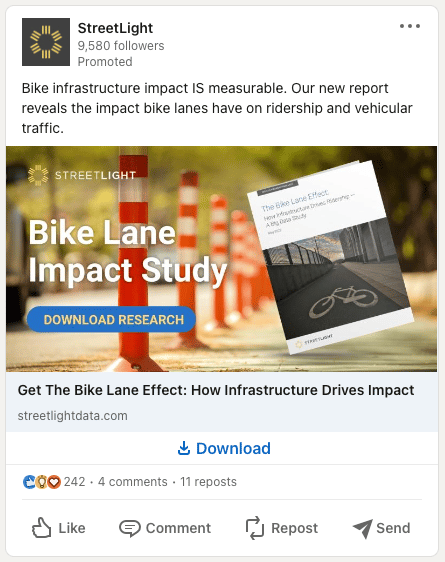
The mechanics of promoted and boosted posts represent the most traditional form of digital advertising. Operating on native platform architecture, brands allocate budgets directly to social media networks to serve targeted advertisements based on precise user data, including geographical location, demographic age brackets, and specific behavioral interests. Platforms distinctly label these placements—typically displaying the word “Sponsored” or “Promoted” directly beneath the publishing account’s username—while frequently incorporating direct-response call-to-action buttons such as “Shop Now,” “Learn More,” or “Download.”
Conversely, influencer partnerships introduce a human element to sponsored content. By collaborating with content creators who possess established, highly engaged communities, brands tap into powerful word-of-mouth marketing and authentic social proof. Because influencer endorsements often mimic organic, non-commercial content, transparency has become a critical regulatory focal point. Platforms have consequently introduced automated disclosure features, such as Instagram’s “Paid partnership with [brand]” tag and TikTok’s branded content toggles, ensuring that consumers can immediately distinguish between genuine personal recommendations and financially compensated endorsements.

The third category, branded or sponsored content, involves editorial collaborations where a brand funds creative material hosted primarily on a publisher’s or independent creator’s channels. Rather than focusing on immediate, transactional conversions, this approach leverages the established authority and long-form storytelling capabilities of trusted media entities, thereby boosting overall brand recall and consumer consideration over extended periods.

As the financial stakes within the creator economy have scaled dramatically—with the global influencer market alone estimated to reach staggering multi-billion-dollar valuations—regulatory scrutiny has intensified correspondingly. The FTC’s Endorsement Guides mandate that any material connection between a brand and a promoter must be disclosed clearly and conspicuously. These disclosures must be easily noticeable, comprehensible, and positioned where consumers will naturally encounter them before engaging with the content. Vague abbreviations such as "#sp" or "#collab" no longer satisfy legal standards. Instead, explicit markers like "Ad," "Sponsored," or platform-specific partnership labels are required. The enforcement landscape underscores the seriousness of these requirements; regulatory bodies routinely issue warning letters and civil penalties to marketing firms and brands that fail to substantiate their claims or properly flag commercial partnerships.

Measuring the return on investment for sponsored posts remains a central challenge for modern marketing departments. Relying solely on vanity metrics—such as likes, comments, and general follower growth—fails to provide an accurate picture of a campaign’s true financial impact. Consequently, sophisticated advertisers implement rigorous tracking methodologies. The integration of UTM parameters into shared links allows marketing teams to monitor precise traffic sources and attribute conversions accurately. Furthermore, the deployment of unique promotional discount codes enables brands to directly tie influencer-driven social engagement to point-of-sale revenues. Centralized analytics dashboards, combined with multi-channel management tools like Hootsuite, allow enterprises to aggregate reach, engagement, and conversion data into comprehensive reports, facilitating data-driven decision-making across entire marketing campaigns.

The broader implications of this continuous shift toward paid social and influencer-led strategies point toward a more accountable, highly regulated digital advertising environment. As consumers grow increasingly skeptical of traditional advertising, the demand for authenticity, transparency, and measurable value will only intensify. Brands that successfully balance creative storytelling with rigorous compliance and precise attribution modeling will continue to dominate the digital marketplace, securing sustainable growth in an increasingly competitive global economy.