
Global ecommerce sales continue to scale unprecedented heights, with worldwide transactions projected to hit $5.5 trillion. As digital marketplaces expand, the mechanisms through which consumers discover, evaluate, and purchase goods have undergone a fundamental shift. Traditional online storefronts and centralized shopping platforms such as Shopify and WooCommerce no longer hold a monopoly on digital retail. Instead, a rapidly accelerating paradigm known as social commerce has emerged, allowing brands to bypass traditional web browsers entirely and transact directly within social media ecosystems.
Defining Social Commerce and Its Market Mechanics

Social commerce refers explicitly to the process of buying and selling products and services directly inside a social media environment. Unlike conventional ecommerce, which requires a consumer to transition from a social advertisement to an external landing page, social commerce integrates the entire transaction funnel into a single application.
The mechanism relies on seamless user experience design. When a user encounters a product while scrolling through a feed—such as apparel on Instagram or a fitness accessory promoted by an influencer on TikTok—they can interact with an embedded “Shop Now” or “Buy” button. The item is added to an in-app cart, payment credentials are processed, and the transaction is completed without the user ever leaving the platform. This frictionless architecture drastically alters consumer behavior by condensing the distance between product discovery and financial conversion.
Understanding the distinctions between related digital retail terms is essential for industry analysts and merchants alike. Ecommerce remains the overarching umbrella for all online transactions conducted via dedicated websites or standalone mobile applications. Social selling, conversely, is a relationship-building methodology utilized by sales representatives to nurture prospective leads on social networks rather than an automated transaction model. Social commerce represents a distinct technological convergence: the fusion of social networking architecture with native payment gateways.

Catalysts for Growth: Why Brands Are Pivoting to Social Channels
The rapid adoption of social commerce by both legacy enterprises and direct-to-consumer startups is driven by several distinct consumer trends and structural advantages within digital marketing.
First, social commerce introduces a level of interactivity absent from traditional web storefronts. Consumers can instantly review peer commentary, tag friends in product posts, and engage in real-time dialogues with brand representatives. This dynamic mirrors the social aspects of a physical shopping mall transposed into a digital medium.

Second, demographic preferences strongly favor native in-app purchasing. Market research compiled by Statista indicates that approximately 62 percent of consumers within the 18-to-34 age demographic—encompassing Generation Z and younger Millennials—have completed a purchase directly influenced by branded social media posts or influencer content. For brands targeting these demographics, establishing a native social shop is no longer optional; it is a primary acquisition channel.
Third, the removal of digital friction significantly mitigates cart abandonment. In a traditional ecommerce scenario, a prospective buyer must transition through multiple conversion steps: viewing an ad, navigating to a web browser, loading a separate site, inputting billing information, and checking out. Each micro-step introduces a drop-off point where the consumer may abandon the purchase. Social commerce reduces this journey to a minimal click sequence, preserving buyer intent.
Fourth, social platforms function as organic, low-cost focus groups. Merchants interacting directly with buyers via direct messages and comment sections gain immediate qualitative data regarding product ideation, pricing sensitivity, and inventory management.

Finally, advanced algorithmic targeting allows brands to place ready-to-buy inventory directly in front of highly segmented audiences based on precise behavioral data, maximizing return on ad spend compared to generalized web traffic acquisition.
Landscape of Major Platforms Offering Native Shopping Features
The infrastructure supporting social commerce is dominated by a select group of major technology conglomerates that have integrated robust merchant tools into their respective applications.

Facebook Shops
Facebook pioneered scalable social retail infrastructure through Facebook Shops. The tool allows merchants to design fully customizable storefronts directly within a Facebook Business Page. Merchants can construct product catalogs from scratch or synchronize existing inventories from partner ecommerce platforms via automated data feeds.
These shops are accessible across Facebook, Instagram, and connected advertising formats. To manage the high volume of customer inquiries generated by these storefronts, many enterprises deploy conversational artificial intelligence tools, such as automated chatbots, to handle routine order-tracking and pricing queries around the clock.
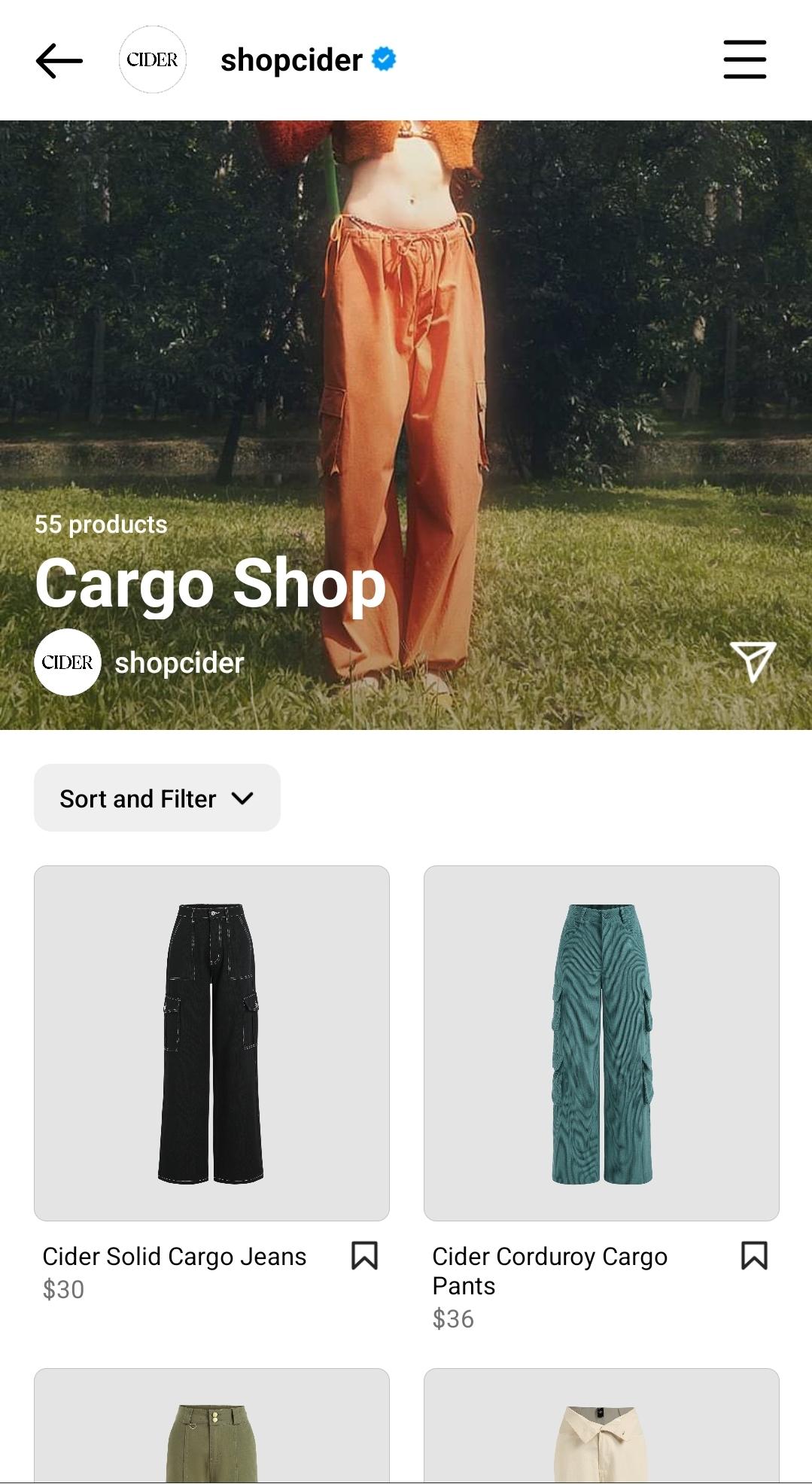
Instagram Shopping
Instagram leverages visual-first media formats to drive high-intent conversions. By linking an Instagram business profile to a Facebook catalog, brands can tag physical products within static imagery, Stories, Reels, and live broadcasts. Meta’s continued expansion of transaction capabilities—including the ability to complete purchases and consult with brands directly through direct messaging threads—has cemented Instagram as a primary revenue driver for fashion, beauty, and lifestyle brands.

Pinterest occupies a unique position within the social commerce landscape, functioning primarily as a visual search engine rather than a traditional networking site. Industry data indicates that a vast majority of Pinterest users actively utilize the platform with purchasing intent. While international users are frequently redirected to external websites to finalize transactions, U.S.-based consumers can utilize native Product Pins equipped with direct in-app checkout mechanisms, capitalizing on user search intent at the point of discovery.
TikTok Shop
TikTok has redefined viral retail culture through the ubiquitous hashtag #TikTokMadeMeBuyIt, which has accumulated billions of views globally. TikTok Shop provides multiple avenues for monetization, including shoppable livestreams, video product tags, and dedicated marketplace tabs. Although regional rollouts have experienced strategic adjustments—such as the scaling back of expansion plans into North America while maintaining robust operations in the United Kingdom and key Asian markets—TikTok remains a dominant force in impulse-driven social retail.

Strategic Implementation and Optimization for Merchants
Deploying a social storefront is merely the initial phase of a comprehensive digital retail strategy. Industry experts recommend several foundational practices to maximize revenue generation through social channels.
Active social listening is paramount. Brands must utilize digital monitoring platforms to track brand sentiment, consumer feedback, and emerging market trends across social feeds. Responding promptly to inquiries safeguards brand reputation and builds consumer trust.
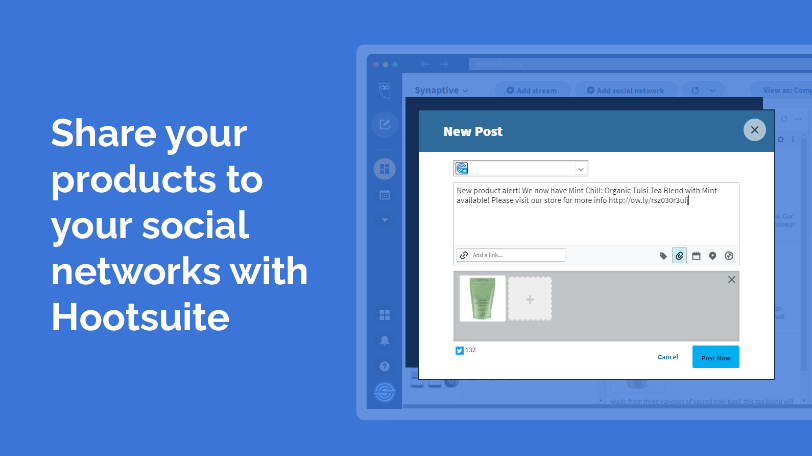
Authentic audience engagement must accompany automated systems. Consumers expect brands on social platforms to exhibit human characteristics, provide educational or entertaining value, and respond to community discussions rather than merely broadcasting promotional material.
The systematic collection and display of social proof significantly influence conversion rates. Studies consistently show that the vast majority of online shoppers consult reviews prior to making a financial commitment. Merchants are encouraged to deploy automated post-purchase communication sequences to request customer testimonials, incentivize user-generated content, and feature verified reviews directly within social feeds.
Finally, integrating advanced conversational AI tools ensures that customer service operations scale alongside sales volume. Automated messaging assistants can manage up to 80 percent of repetitive queries—such as shipping updates and stock availability—while seamlessly routing complex negotiations to human support staff. By combining targeted social advertising with frictionless in-app checkout infrastructure, modern enterprises can successfully navigate the ongoing transformation of the global retail economy.