In the landscape of the 1990s, the term budget meal was rarely part of the household lexicon; these preparations were simply dinner. During that decade, a standard weeknight meal was governed by the contents of the pantry, the proximity of payday, and the necessity of feeding a family with ingredients that often cost little more than loose change. Today, however, these meals are being reassessed not merely as nostalgic artifacts, but as sophisticated, time-tested strategies for navigating contemporary inflation. As food prices fluctuate in 2026, the economic logic that sustained households thirty years ago has returned to the forefront of domestic management, prompting a resurgence of the "stretching" techniques that once defined the American dinner table.

The Economic Context: A Chronology of Stretching the Dollar
The history of the "skillet dinner" and other cost-effective culinary staples is inextricably linked to periods of national economic distress. In the early 1970s, a period marked by significant inflationary pressure and rising beef prices, food manufacturers identified a critical market need: the desire to maintain protein consumption without the prohibitive cost of whole cuts of meat. The solution was the introduction of boxed, shelf-stable meals that utilized fillers—such as pasta, rice, and dehydrated starches—to extend a single pound of ground beef into a meal capable of serving four to six individuals.

By the 1990s, these products had become institutionalized. They were not viewed as signs of poverty but as emblems of modern convenience and efficiency. Data from consumer expenditure surveys during the mid-90s indicate that families spent approximately 10% to 12% of their household income on food. As of 2026, that percentage has crept higher, leading many households to revisit the methods utilized by their predecessors to manage these shifts in purchasing power.
Ranking the Staples: A Technical Evaluation of 1990s Efficiency
To understand the enduring nature of these meals, one must evaluate them by their "stretch factor"—the ratio of caloric density and volume to total cost.
The Boxed Skillet Dinner (Ranked 1st)
The pre-packaged skillet dinner remains the gold standard of domestic resourcefulness. By leveraging shelf-stable components that have a long duration of viability, these meals reduce waste and ensure a predictable cost per serving. Economists often observe that sales of these specific commodities rise in direct correlation with the Consumer Price Index (CPI) for food at home.

Grilled Cheese and Tomato Soup (Ranked 2nd)
This pairing represents the peak of pantry-based utility. The combination of simple carbohydrates, fats, and preserved tomato solids provides a balanced, albeit high-sodium, meal. Its reliance on long-lasting staples like canned goods and bread makes it an ideal hedge against supply chain volatility.
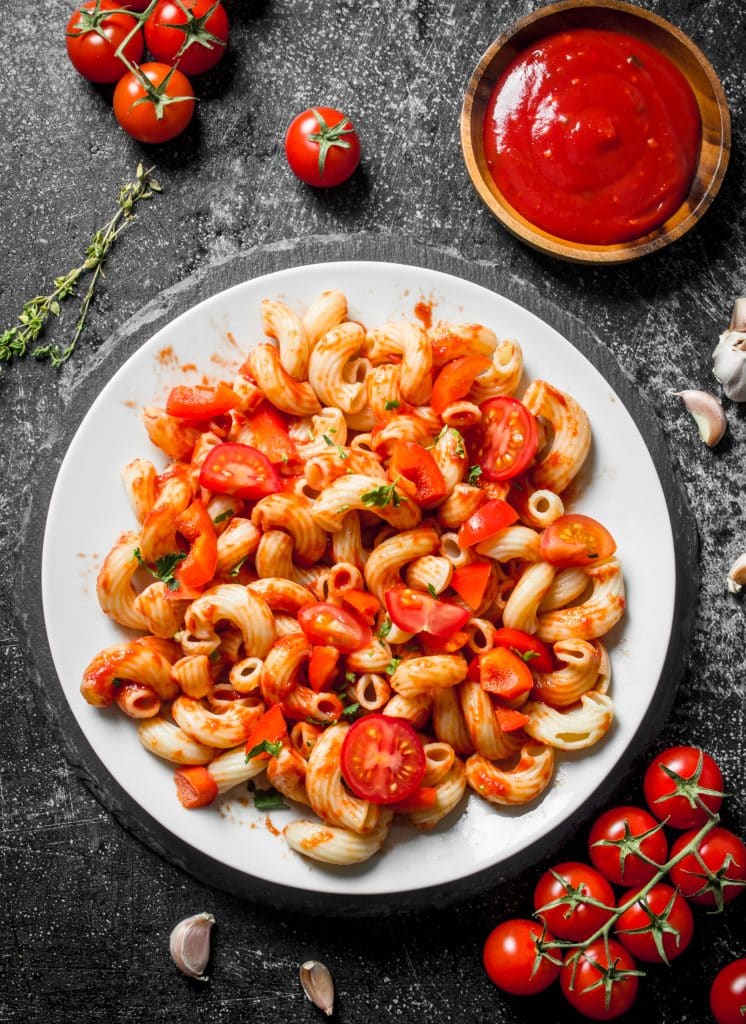
Spaghetti Night (Ranked 3rd)
Spaghetti served as the most democratic meal of the era. The reliance on dried pasta—an ingredient with an indefinite shelf life if stored correctly—allowed families to stockpile during periods of lower pricing. The addition of ground beef, when the budget permitted, elevated the dish, but the sauce and noodle base remained the primary foundation for caloric intake.
Tuna Casserole and Salmon Patties (Ranked 4th and 17th)
Canned fish products were essential for providing omega-3 fatty acids and protein at a low price point. The use of binders—such as crushed saltines, breadcrumbs, or eggs—allowed a single 5-ounce can of protein to be distributed across a multi-person serving, demonstrating an early understanding of volume-based food distribution.
The Role of Domestic Labor and Time Allocation
Beyond the raw cost of ingredients, these meals reflect a historical shift in domestic labor. In the 1990s, the time required to prepare a meal was often secondary to the availability of ingredients. Many of the recipes on this list, such as creamed chipped beef on toast or liver and onions, were inherited from the Depression-era generation. These recipes required a level of culinary labor—such as making a roux from scratch or tenderizing tougher cuts of meat—that was considered a standard domestic skill.
Modern nutritional analysts and sociologists note that the return to these meals is also a response to the "time-poverty" currently faced by many working-class families. Meals that can be prepared in under thirty minutes, using a single skillet, minimize both energy consumption and cleanup time, providing a dual benefit for the time-constrained household.
Socio-Economic Implications and Public Reaction
While the resurgence of these meals is rooted in necessity, it has also triggered a cultural conversation regarding food security and the definition of a "complete" meal. Nutritionists frequently caution that while these meals are economically efficient, they often lack the micronutrient density of fresh produce. However, for many families, the primary goal is satiety and cost-containment.

Statements from consumer advocacy groups suggest that the return to 1990s-style budgeting is a rational response to current market conditions. "When the price of staple goods increases faster than wages, households naturally revert to historical survival strategies," says one retail analyst. "These meals are not just food; they are an economic buffer."

Fact-Based Analysis of Modern Trends
The current trend toward "retro-frugality" is supported by several observable data points:
- Bulk Purchasing: There has been a documented increase in memberships to warehouse-style retailers, where bulk dry goods like rice, beans, and pasta can be purchased at a lower unit cost.
- Inventory Management: The 1990s approach involved keeping a "deep pantry." Modern supply chain disruptions have encouraged this practice again, as households seek to insulate themselves from short-term price spikes.
- Meal Repurposing: The practice of "planned-overs"—cooking a protein once and repurposing it across multiple nights—is the defining feature of the top-ranked meals. For example, a single roast chicken might provide the base for soup, a skillet meal, and a casserole, effectively reducing the price per meal by 60% over the course of three days.
The Future of Household Budgeting
The lessons of the 1990s offer a template for resilience. As households face the realities of 2026, the transition from "luxury-focused" dining to "efficiency-focused" dining is likely to continue. This is not a temporary trend but a fundamental recalibration of domestic operations. The success of these twenty-nine meals lies in their reliability; they were designed to succeed when resources were thin, and they continue to offer a reliable baseline for food stability.
Ultimately, the value of these recipes is not found in their culinary sophistication, but in their ability to provide security. By standardizing the cost of dinner and reducing reliance on external, high-cost service providers, the 1990s-style budget meal provides a framework for economic independence within the home. As long as grocery prices remain a significant portion of the household budget, the skillet, the bag of rice, and the can of soup will remain the most powerful tools in the domestic arsenal. Whether driven by nostalgia or sheer financial necessity, the return of these meals suggests that while economic conditions change, the strategies for survival remain remarkably consistent.