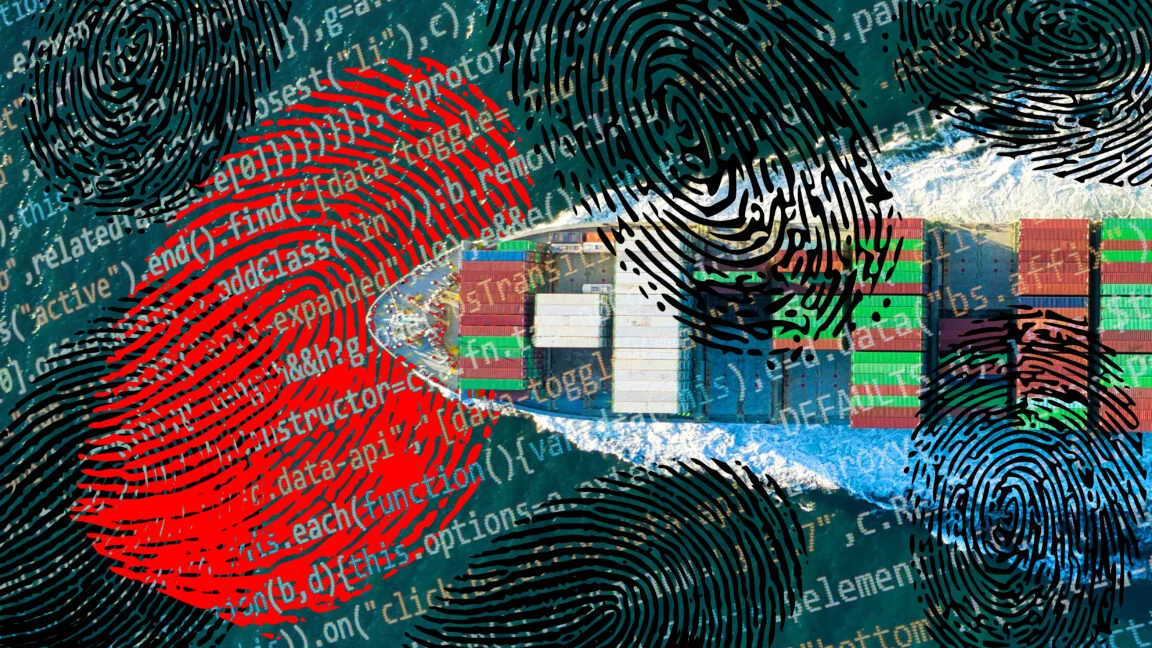
The recent dismantling of TeamPCP, an audacious cybercriminal collective responsible for a string of unprecedented software supply-chain attacks, has unveiled a remarkable counter-intelligence operation led by Google’s threat intelligence group. While law enforcement agencies in Australia and the United States ultimately secured the arrests of the group’s key architects, the success of the investigation relied heavily on a high-stakes, months-long infiltration that allowed Google to observe the inner workings of a criminal organization from its inception.
The group, which first emerged on the global stage in late 2025, represented a new breed of threat actor. Rather than merely targeting individual enterprises, TeamPCP focused on the software supply chain, systematically compromising open-source repositories and developer credentials. By injecting malicious code into widely used packages, they effectively weaponized the trust inherent in the developer ecosystem, allowing them to breach over a thousand companies in a single, cascading campaign.
A Chronology of the Infiltration
The operation began in earnest in March 2026, a pivotal moment when TeamPCP was transitioning from small-scale testing to a full-scale campaign of industrial sabotage. Google’s Threat Intelligence Group, having identified early patterns of activity, deployed an undercover analyst—a "mole"—to gain the trust of the group’s core members.
By mid-March, the analyst had successfully navigated the group’s vetting process and was granted access to "CanisterWorm," a restricted, 12-member communication channel that served as the operational nerve center for the syndicate. This access proved to be a goldmine of intelligence. For months, Google maintained a "fly on the wall" presence, documenting the group’s internal communications, technical methodologies, and, crucially, their lists of compromised targets.
The timeline of the group’s impact is significant. Between March and July 2026, TeamPCP compromised a series of high-profile entities, including the open-source security scanner Trivy, the API tool LiteLLM, the infrastructure of the security firm Checkmarx, and the enterprise AI platform Mistral AI. The group’s reliance on automated tools, such as the "Mini Shai-Hulud" worm—a nod to the sandworms of Frank Herbert’s Dune—enabled them to rapidly scale their attacks, eventually compromising the GitHub repositories and internal credentials of organizations as diverse as the European Commission and OpenAI.
Strategic Disruption and Technical Countermeasures
Google’s approach went beyond mere surveillance. Recognizing the potential for catastrophic data exfiltration, the company’s Cyber Disruption Unit adopted a proactive posture. Rather than simply alerting individual victims—a process that would have been insufficient given the sheer volume of breaches—Google worked with cloud infrastructure providers like Amazon Web Services and Microsoft to systematically revoke stolen access tokens and credentials.
The intelligence gathered by the undercover analyst also led to the identification of an AI-driven zero-day exploit. Members of TeamPCP had been utilizing advanced language models to synthesize code capable of bypassing multi-factor authentication (MFA) in widely used login software. Google intercepted the exploit, tested it, and coordinated with the affected software developers to patch the vulnerability before it could be weaponized on a massive scale. This incident remains one of the most documented examples of AI-augmented cyber warfare in a real-world setting.
The Dynamics of Cybercriminal Betrayal
The downfall of TeamPCP was accelerated by internal strife and the volatility of the cybercriminal underground. Despite their reach, the group struggled to monetize their vast repository of stolen data, which included credentials for more than 500,000 users. In an attempt to maximize profits, TeamPCP formed a partnership with the notorious ransomware group ShinyHunters.
The partnership, however, was short-lived. In April 2026, ShinyHunters began operating independently, using the credentials provided by TeamPCP to extort victims while cutting the supply-chain hackers out of the proceeds. This breach of trust culminated in ShinyHunters sharing logs of their internal interactions with Google, unaware that the tech giant already held a deeper level of access. The ensuing infighting led TeamPCP to purge their ranks, eventually discovering and exiling the Google analyst from the CanisterWorm chat. However, the damage to the group’s operational security had already been done.
The Trail of Digital Breadcrumbs
While the undercover analyst provided the core intelligence, traditional digital forensics provided the final evidence required for law enforcement. Austin Larsen, a lead researcher at Google, traced a series of operational security failures back to an individual operating under the pseudonym "sheepstealing."
The link was established through a historical dispute on the BreachForums hacker site, where the user requested a refund via a PayPal account linked to a specific Australian email address: [email protected]. Further analysis revealed that the group had been backing up their stolen, illicit data to a Google Drive account associated with that same email address. This egregious lapse in operational security served as the smoking gun, allowing Google to provide the FBI and the Australian Federal Police (AFP) with the evidence necessary to obtain warrants and proceed with arrests.

Official Responses and Legal Developments
In late August 2026, the Australian Federal Police, working in coordination with the FBI, executed warrants in the suburbs of Australia. Ruben Ian Thomson and Louis Michael Gaebler, both in their early 20s, were taken into custody and charged with serious hacking offenses. While Australian privacy laws initially prevented the naming of the suspects, subsequent reports confirmed their identities as the "principal participants" of the TeamPCP collective.
In a statement following the arrests, the FBI highlighted the importance of private-public partnerships in modern cyber defense. While the agency declined to comment on the specifics of the active investigation, they noted that the current FBI Cyber Strategy emphasizes "increasing impact on adversaries through collaboration." This sentiment was echoed by Google, which has increasingly positioned its Threat Intelligence Group as an active participant in cyber-disruption efforts rather than a passive observer.
Broader Implications for Cybersecurity
The TeamPCP saga serves as a case study in the evolving nature of the software supply chain. The group’s ability to compromise foundational open-source tools demonstrates that modern security perimeters are increasingly porous. When developers trust compromised upstream libraries, the security of the entire downstream product is invalidated.
The use of AI in developing exploits also marks a significant shift. As generative AI becomes more sophisticated, the barrier to entry for complex, zero-day development is falling, allowing less experienced threat actors to achieve high-impact results. Furthermore, the role of "human intelligence" (HUMINT) in the digital age cannot be overstated. While automated systems are essential for detecting anomalies, the ability of a human analyst to build trust and navigate social-engineering environments remains the ultimate weapon in threat intelligence.
For the tech industry, the TeamPCP incident underscores the need for "zero-trust" development environments. Organizations can no longer assume that internal software or third-party dependencies are secure. The move toward hardware-based security, rigorous code signing, and enhanced monitoring of supply-chain telemetry is expected to accelerate in the wake of these events.
As the legal proceedings against Thomson and Gaebler move forward, the cyber security community continues to analyze the lessons of this infiltration. The case has proven that even the most sophisticated and brazen criminal organizations are susceptible to the classic weaknesses of human error and internal greed. By turning the tools of the digital age against those who would abuse them, researchers and law enforcement have set a new precedent for how to respond to the next generation of supply-chain threats. The era of the "active defense" has officially arrived, and with it, a new standard for corporate accountability in the global fight against digital crime.