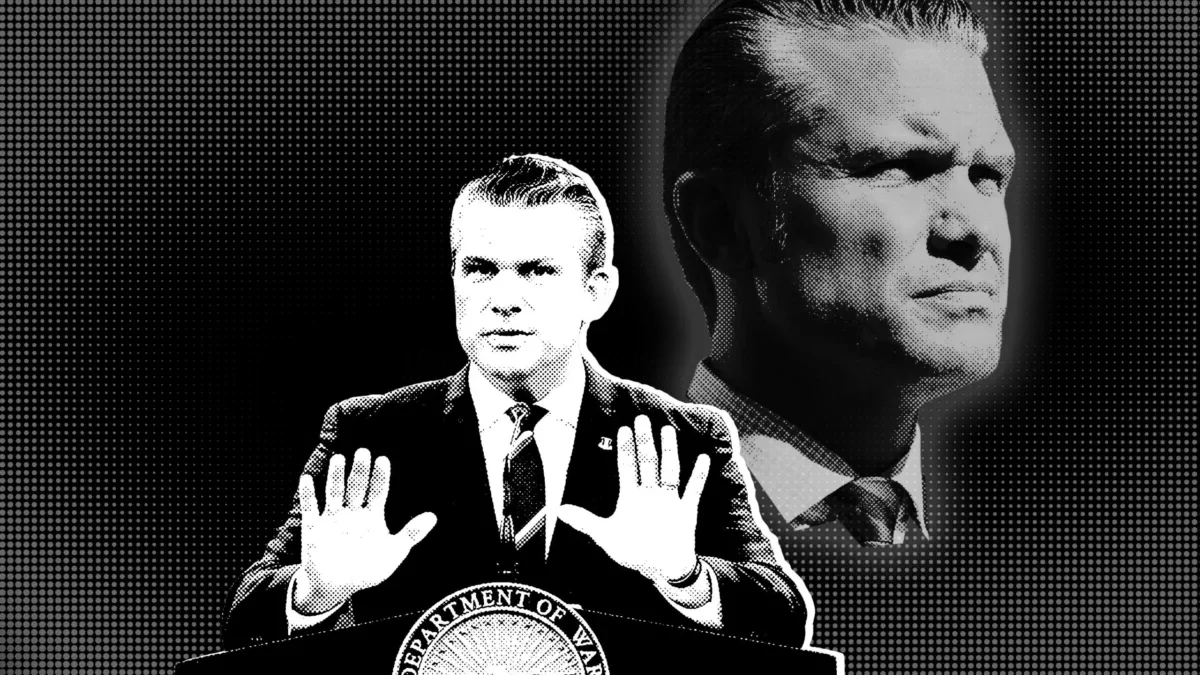
Washington faces a turbulent political landscape as the fallout from the midterm elections ripples through the halls of Congress, setting the stage for high-stakes legislative confrontations. One week after Election Day, Defense Secretary Pete Hegseth finds himself navigating an escalating political storm that administration insiders believe will make him the primary focal point of Democratic oversight and potential impeachment proceedings in the upcoming Congress. At the same time, Capitol Hill is bracing for a parallel clash with the technology sector, as House Republicans ready aggressive inquiries and potential subpoenas targeting Nvidia CEO Jensen Huang over national security concerns. These concurrent developments highlight a fractured Washington where executive branch policies, military actions, and high-profile tech relationships are drawing intense, bipartisan scrutiny.
Hegseth Confronts an Inevitable Impeachment Threat
Defense Secretary Pete Hegseth’s turbulent tenure at the Pentagon has long been defined by institutional clashes, but the coming legislative session threatens to bring formal legal challenges. According to senior administration officials speaking to congressional reporters, the White House is preparing for an environment where Democrats, newly empowered in the Senate and holding significant leverage, will make Hegseth their number one oversight target.
House Democratic aides have indicated that leadership is actively weighing an impeachment inquiry against the defense chief. To maximize the chances of securing a conviction or bipartisan condemnation, Democrats are reportedly planning to narrow the scope of their charges to specific grievances that have also drawn criticism from Senate Republicans. This strategic narrowing is designed to peel away votes from across the aisle, potentially crossing the threshold required for conviction in a trial.
The friction surrounding Hegseth stems from a series of controversial policy decisions and operational actions since taking office. Central to the Democratic and critical Republican case is his stewardship of the deeply unpopular and costly conflict with Iran, which critics argue was initiated without explicit congressional authorization. Furthermore, Hegseth’s internal restructuring of the Department of Defense has caused severe friction. His actions include the controversial termination of high-ranking generals and the blocking of military promotions using internal criteria that watchmakers and lawmakers note have disproportionately impacted women and people of color.
Additional controversies have compounded his vulnerability, including his involvement in the communications protocol security breach informally dubbed "Signalgate," as well as contentious military strikes directed against alleged drug trafficking networks in the Caribbean and Pacific Oceans.
Chronology of Congressional Pushback
The legislative resistance against Hegseth is not solely a Democratic crusade; it has crossed party lines throughout his tenure.
- Early 2025: Senate Armed Services Committee Chairman Roger Wicker openly criticized Hegseth for sweeping cuts to flag officers and threatened to withhold action on Pentagon nominations unless requested departmental documents were handed over.
- March 2025: Operational controversies intensified following the accidental disclosure of military war plans via external communication channels.
- Late 2026 Midterms: The political balance of power shifted during the midterm elections, altering the congressional landscape and positioning Democrats to take control of the Senate.
- Recent Days: Representative Thomas Massie (R-KY) introduced articles of impeachment against Hegseth, accusing him of waging an unauthorized war with Iran and directing extrajudicial killings. Although House Republicans managed to table the initial resolution, administration officials privately concede that an eventual impeachment inquiry and Senate trial next year are virtually certain.
Following the procedural defeat of Massie’s resolution, House Democratic Leader Hakeem Jeffries signaled that formal next steps would be determined in consultation with key committee leaders, specifically pointing to Representative Adam Smith, incoming chair of the Armed Services Committee, and Representative Jamie Raskin, incoming chair of the Judiciary Committee.
Despite the mounting pressure, Hegseth has shown no intention of stepping down quietly. During a televised press appearance at the Pentagon, he stood by the administration’s military strategy, reaffirming his alignment with President Donald Trump’s defense posture regarding the Iran conflict and dismissing political fallout from the midterm results.
The Senate Math and the Changing GOP Caucus
The potential for a successful conviction in a Senate trial hinges heavily on the changing composition of the upper chamber. Historically, some moderate and establishment Republicans served as a buffer against aggressive oversight of executive branch nominees and appointees. However, the political reality of the upcoming session is complex.
Several of Hegseth’s most vocal Republican detractors are departing Congress at the conclusion of the current term. Senators Susan Collins (R-ME), Thom Tillis (R-NC), and Bill Cassidy (R-LA) lost their reelection bids during the midterm cycle, while Senators Joni Ernst (R-IA) and Mitch McConnell (R-KY) are stepping down upon the completion of their terms.
Even with the departure of these prominent critics, a core group of Republican senators remains deeply critical of Hegseth’s performance. Lawmakers such as Roger Wicker, Mike Rounds (R-SD), Rand Paul (R-KY), Lisa Murkowski (R-AK), and Todd Young (R-IN) have all voiced substantial concerns regarding his leadership. As Democrats assume control of the Senate, securing the two-thirds majority (67 votes) required for conviction will still demand a coalition of Democrats and disaffected Republicans. Consequently, the framing of the impeachment articles must be meticulously tailored to align with legitimate conservative national security and constitutional concerns.
Nvidia, National Security, and Silicon Valley Friction
While the Pentagon deals with impending legislative trials, Capitol Hill is simultaneously opening a high-stakes front against the technology sector. House Republicans are preparing a formal investigation and potential subpoenas concerning Nvidia CEO Jensen Huang and his professional interactions with Alice Huang, a former technology executive and alleged Chinese spy linked to China’s Ministry of State Security. China has consistently denied all allegations of state-sponsored espionage.
This unfolding congressional inquiry places lawmakers on a direct collision course with the White House. President Trump has publicly defended Jensen Huang, championing the leadership of the world’s most valuable semiconductor manufacturer amid growing geopolitical sensitivities regarding technology transfers and foreign influence.
The tension escalated following a closed-door "Gang of Eight" congressional briefing led by Director of National Intelligence Jay Clayton and CIA Director John Ratcliffe. According to attendees, the intelligence provided was overly broad and failed to satisfy lawmakers seeking concrete answers. Specifically, committee members questioned why federal agencies did not issue a formal defensive security briefing to Jensen Huang, and whether these unresolved security concerns directly influenced his exclusion from official presidential delegations to China earlier in the year.
In response to perceived stonewalling, House Foreign Affairs Committee Chairman Brian Mast announced readiness to issue subpoenas compelling Jensen Huang to appear behind closed doors. This enforcement action follows a joint request issued alongside House Intelligence Committee Chairman Rick Crawford and China Select Subcommittee Chairman John Moolenaar, asking Huang to testify before their respective panels. The investigation builds on intelligence disclosures, including a memo drafted by Secretary of State Marco Rubio warning of potential security vulnerabilities tied to foreign intelligence recruitment within the broader tech ecosystem.
Broader Implications for Governance and Industry
The convergence of the Hegseth impeachment trajectory and the Nvidia congressional investigation marks a volatile new phase in American politics. For the executive branch, the impending oversight battles signal that the administration will spend significant political capital defending key personnel and economic allies rather than focusing entirely on legislative agendas.
The push to hold the Defense Secretary accountable through impeachment sets a formidable precedent for civil-military relations, testing the boundaries of executive war-making powers and internal personnel purges. Simultaneously, the aggressive stance toward Silicon Valley leadership demonstrates that bipartisan concern over foreign intelligence operations and national security vulnerabilities now supersedes traditional economic alignments between conservative lawmakers and corporate titans. As committees prepare their formal dockets for the upcoming session, the administration faces a dual-front battle that will test both its legislative resilience and its foundational political alliances.