The modern domestic economy has undergone a fundamental shift over the last three decades, moving away from a culture of maintenance and toward a default setting of immediate replacement. As household goods become more affordable in real terms due to globalized manufacturing, the perceived value of repair has plummeted, leading to a phenomenon where items are retired years before their functional expiration. This trend is not merely a matter of consumer preference but is often the result of "planned obsolescence" and a lack of basic technical literacy regarding household maintenance. Recent economic data suggests that the average household could save thousands of dollars annually by shifting back to a "repair-first" mindset. By analyzing 19 of the most commonly over-replaced items, it becomes clear that the "death" of most household products is actually a state of reversible neglect.

The Economic and Environmental Context of the Throwaway Culture
The transition to a replacement-based economy has significant implications for both personal finance and environmental sustainability. According to the Global E-waste Monitor, the world generated 62 million metric tonnes of e-waste in 2022, a figure that is rising five times faster than documented e-waste recycling. Much of this waste consists of small appliances and electronics that are discarded due to minor, fixable issues.
From a financial perspective, the "replacement industry" relies on a lack of consumer investigation. When a vacuum loses suction or a coffee maker slows down, the psychological friction of diagnosing the problem often outweighs the immediate gratification of a new purchase. However, the cumulative cost of these decisions represents a significant drain on discretionary income. Industry analysts note that for many categories, such as small kitchen appliances and consumer electronics, the cost of a "fix" is often less than 10% of the replacement cost, yet replacement remains the dominant consumer choice.
A Ranking of Household Waste: From Minor Nuances to Major Financial Drains
To understand the scale of this issue, it is necessary to examine the specific items that consumers most frequently replace without cause. The following ranking moves from low-cost consumables to high-ticket electronics, highlighting the gap between perceived failure and actual mechanical breakdown.
19. Dish Sponges
The common kitchen sponge is often discarded at the first sign of a sour odor. While hygiene is paramount, the smell is usually the result of bacterial growth fueled by moisture and food particles, not the degradation of the material itself. Research indicates that microwaving a damp sponge for 60 seconds or running it through a high-heat dishwasher cycle can eliminate 99% of bacteria. While sponges do eventually fray and require replacement, most households cycle through them at twice the necessary rate.

18. Razor Blades
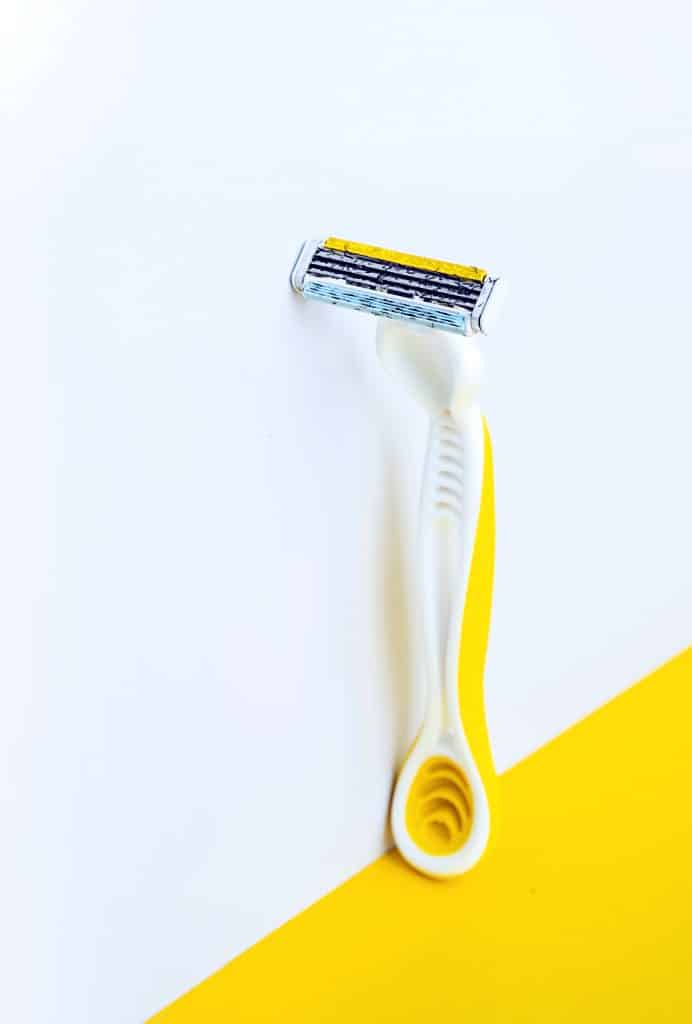
The multi-blade cartridge industry is built on a high-margin replacement model. Contrary to popular belief, hair is rarely what dulls a blade; rather, it is the microscopic corrosion caused by water and oxygen sitting on the metal between uses. By simply drying the blade after each shave—either with a towel or a quick blast from a hair dryer—the lifespan of a single cartridge can be extended from one week to over a month.
17. Bath Towels
When towels become "scratchy" or "musty," consumers often assume the fibers have broken down. In reality, this is typically a chemical buildup of detergent and fabric softener. Fabric softeners, in particular, coat fibers in a waxy layer that reduces absorbency over time. A "strip wash" using hot water and white vinegar (without detergent) dissolves these residues, restoring the towel’s original loft and absorbency.

16. Kitchen Knives
The majority of "dull" knives found in home kitchens are not actually worn out; they have simply lost their edge alignment. A high-quality stainless steel or carbon steel knife can last a lifetime if maintained. Consumers often replace entire sets because they lack the tools or knowledge to sharpen them. A simple honing rod or a professional sharpening service costing $5 per blade can make a decade-old knife perform better than a brand-new, mid-range alternative.
15. Phone Chargers and Cables
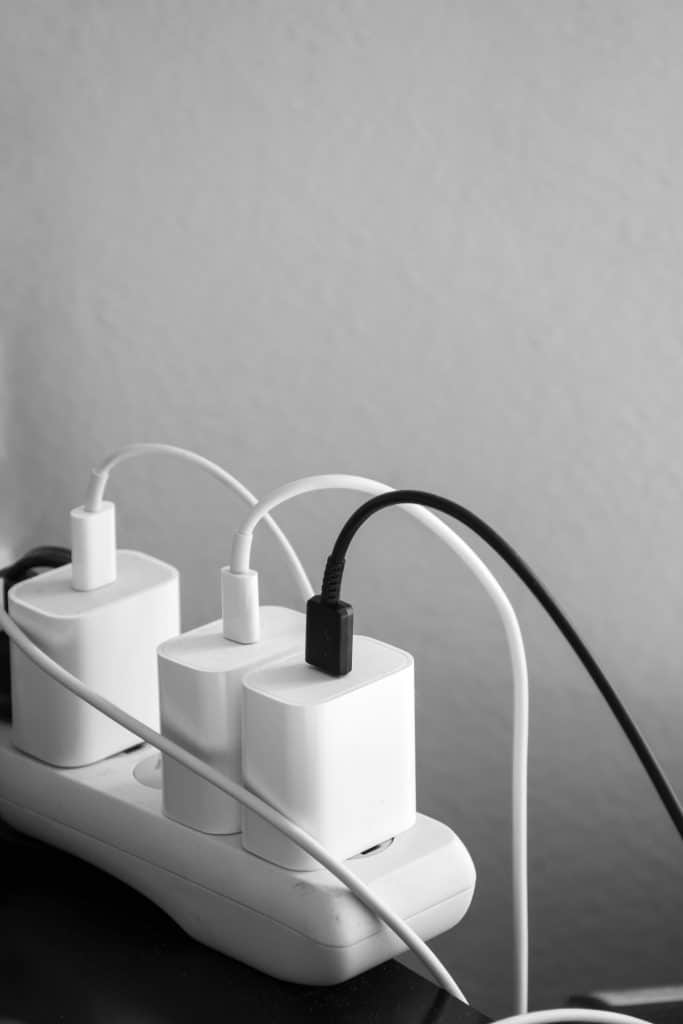
The failure point for most charging equipment is the junction where the flexible cable meets the rigid connector. While many consumers replace the entire "charger" (including the wall brick), the brick itself is a solid-state device that rarely fails. Protecting the cable with a simple spring or heat-shrink tubing, and training users to pull from the plug rather than the cord, can prevent the majority of these replacements.
14. Nonstick Cookware
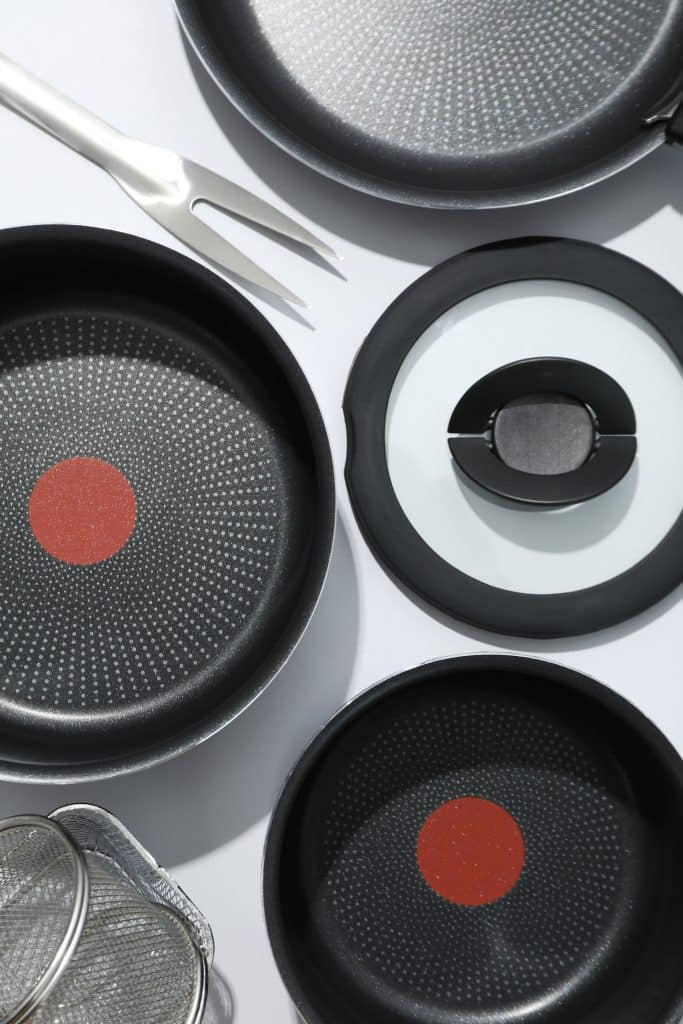
Nonstick pans are frequently treated as disposable items with a one-year lifespan. However, the degradation of polytetrafluoroethylene (PTFE) coatings is almost always caused by improper use: high heat, metal utensils, and aerosol cooking sprays. The latter creates a "varnish" that is nearly impossible to remove. By adhering to medium-heat settings and using silicone tools, the functional life of a nonstick surface can be quintupled.
13. Wooden Spoons and Cutting Boards
Wood is a biological material that requires hydration. When boards look gray or develop cracks, it is a sign of dehydration, not structural failure. Regular applications of food-grade mineral oil prevent water from penetrating the grain, which in turn prevents warping and bacterial growth. Properly oiled wood can remain in service for generations.
12. Denim Jeans
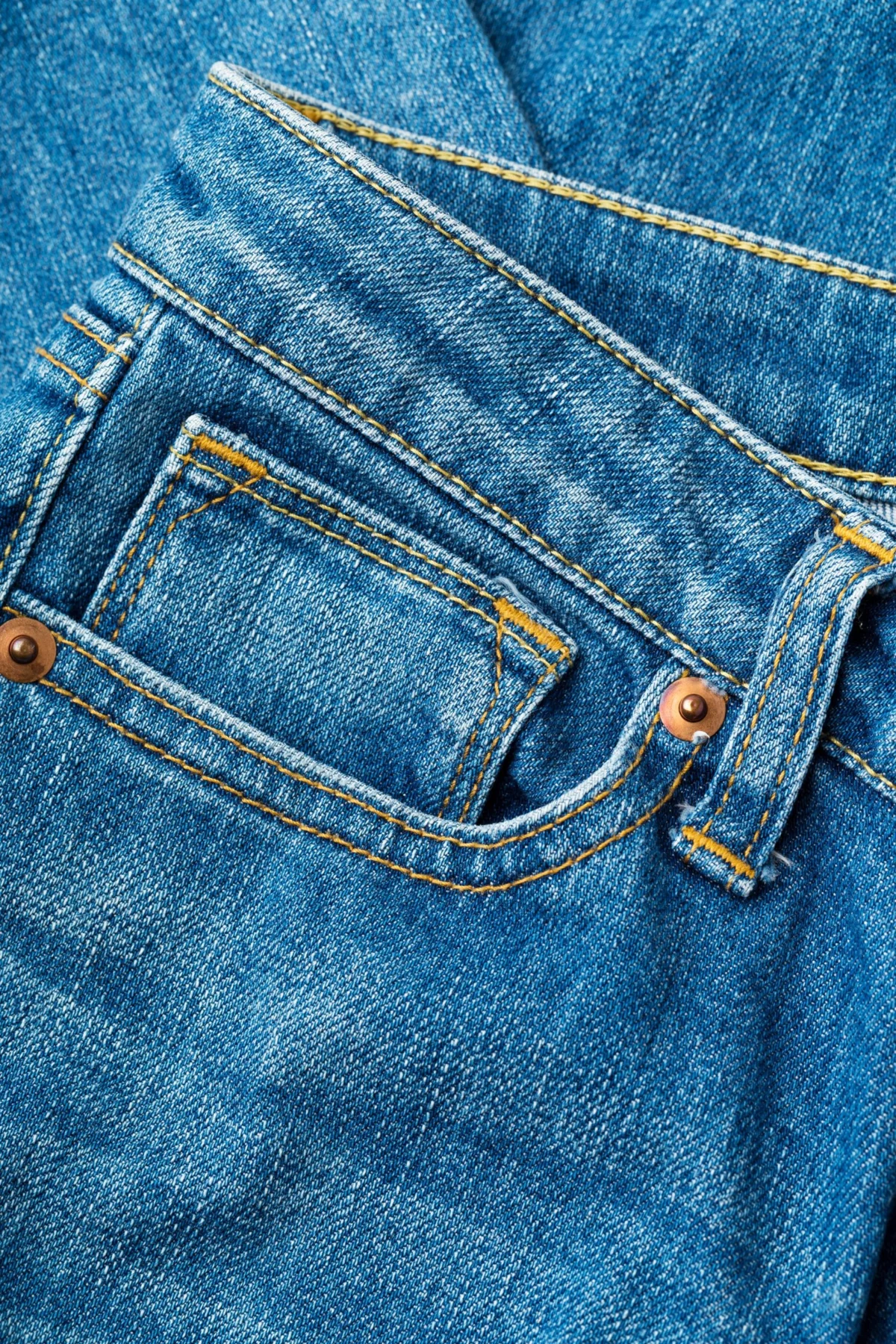
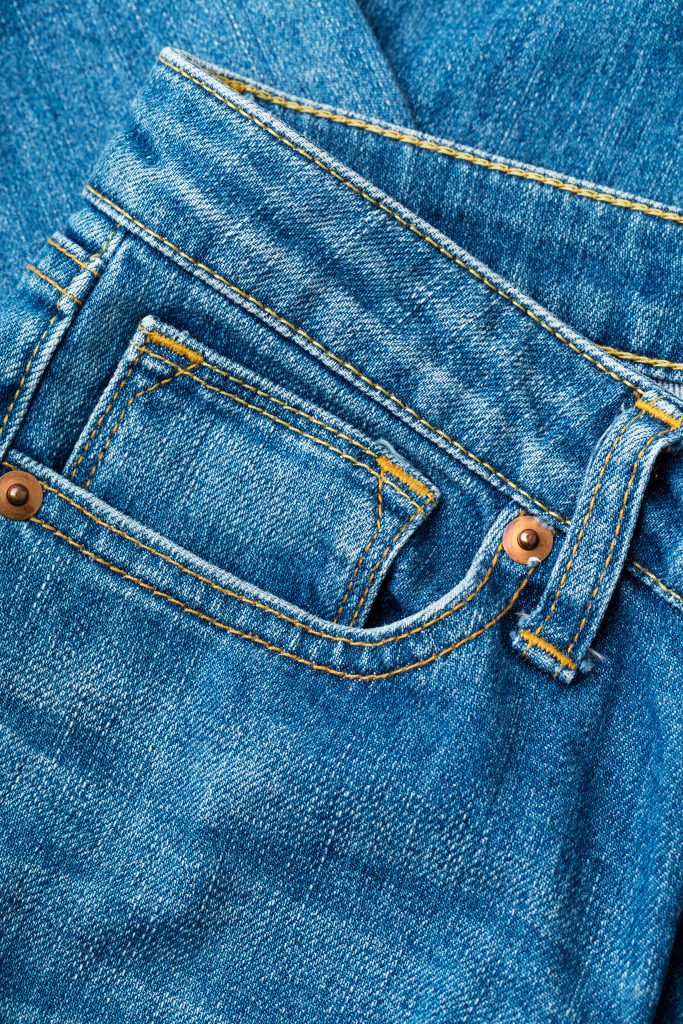
The "bagging out" of jeans is often the result of heat damage to the elastane fibers. High-temperature washing and machine drying are the primary culprits. Professional archivists and denim enthusiasts recommend cold washing and air drying to preserve the structural integrity of the fabric. By avoiding the dryer, a pair of jeans can maintain its shape and color for several additional years.
11. Bed Sheets
The lifespan of bed sheets is often shortened by constant use and frequent heavy-duty laundering. Maintaining two sets of sheets and rotating them allows the fibers of the "resting" set to recover. This rotation effectively doubles the life of both sets by reducing the friction and chemical exposure each set undergoes over a given period.

10. Vacuum Cleaners
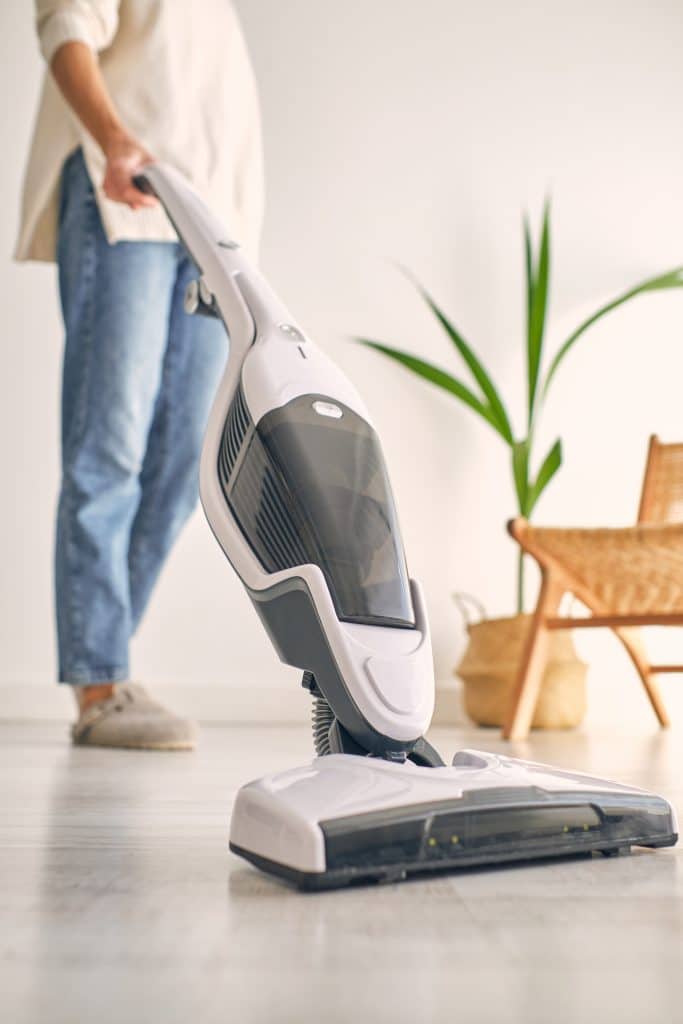
Vacuum cleaners are perhaps the most common victim of "perceived breakage." A loss of suction is almost always a mechanical blockage rather than a motor failure. Repair technicians report that the majority of vacuums brought in for "dead motors" simply require a new belt, a filter cleaning, or the removal of hair from the brush roll. These are maintenance tasks, not signs of a broken machine.
9. Printer Ink Cartridges
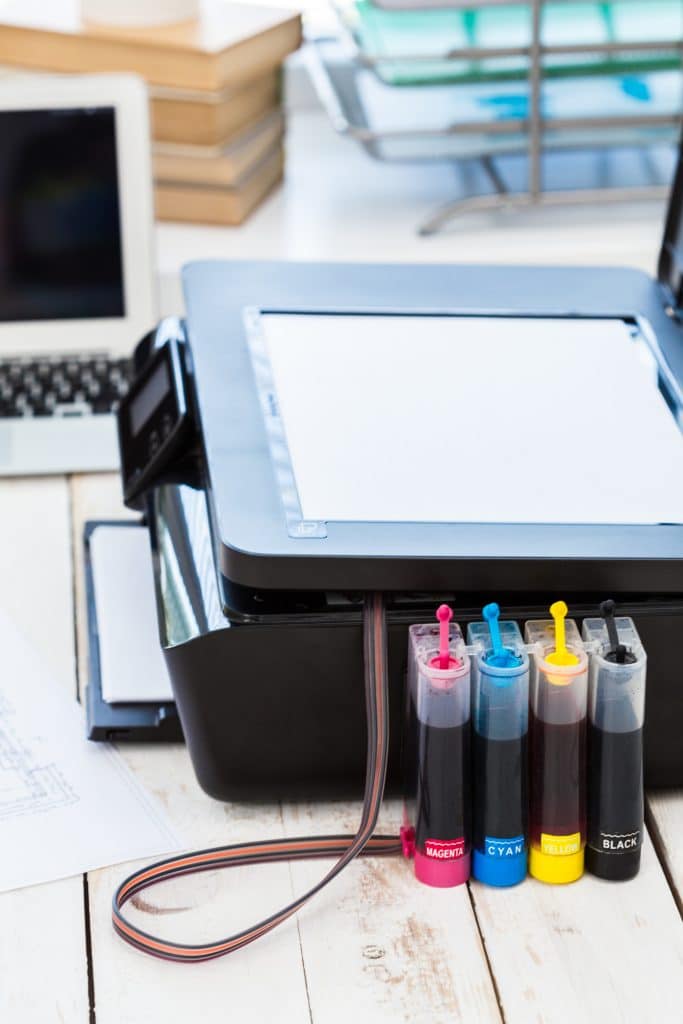
The printer industry has long been criticized for "smart" cartridges that signal "low ink" when 20% or more of the volume remains. Investigative reports have shown that many printers will refuse to print even if only one color is low. Consumers can often bypass these warnings or, in the case of laser printers, shake the toner cartridge to redistribute the powder, extending the life of the unit by hundreds of pages.
8. Broom and Mop Heads
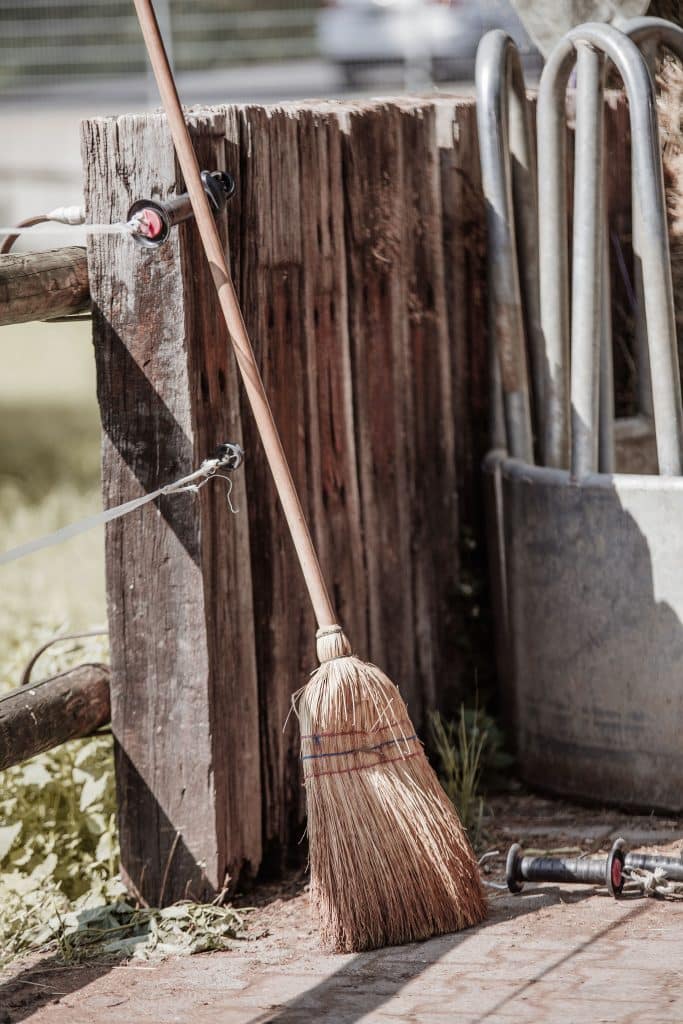
The handles of cleaning tools are virtually indestructible, yet millions are sent to landfills because the bristles or mop heads have become soiled. Most modern mop heads are machine washable, and broom bristles can be cleaned with warm soapy water and a comb. Replacing only the "business end" of the tool is both more economical and less wasteful.
7. Plastic Food Containers
Tomato-based stains and "cloudiness" in plastic containers are cosmetic issues that do not affect the seal or safety of the container. These stains can often be lifted with sunlight (UV exposure) or a baking soda paste. The only legitimate reason to replace these items is if the plastic begins to pit or if the lid no longer creates an airtight seal.

6. Christmas Lights
The frustration of a half-dark string of lights leads many to discard the entire strand. However, incandescent and LED strands are usually designed with replaceable fuses in the plug and replaceable bulbs. A simple continuity tester can identify a single "dead" bulb that is breaking the circuit, allowing for a repair that costs pennies compared to a $20 replacement string.
5. Backpacks and Lunchboxes
The heavy wear and tear of a school year often leaves backpacks looking ragged. However, most quality backpacks are made of nylon or polyester that can be safely laundered. Zippers that "split" can often be fixed by tightening the slider with pliers, and frayed seams can be reinforced with a basic needle and thread.
4. Coffee Makers and Kettles
The internal heating elements of coffee makers are prone to "scaling"—the buildup of calcium and magnesium from tap water. This scaling causes the machine to sputter, run slowly, and eventually shut down. A simple descaling cycle using white vinegar or citric acid dissolves these minerals and returns the machine to factory-level performance.
3. Furniture
The rise of "fast furniture" has conditioned consumers to view wobbly tables or sagging cushions as terminal. In reality, most furniture issues are mechanical. Tightening bolts, replacing foam inserts in cushions, or using "finish fix" markers on scratches can extend the life of furniture by decades. Solid wood furniture, in particular, is designed to be refinished rather than replaced.
2. Curtains and Rugs
Soft furnishings are often replaced due to "dinginess," which is simply deep-seated dust and environmental pollutants. Professional steam cleaning or even a careful home laundering can restore the color and texture of these items. Replacing a $500 rug because it is dirty is one of the most significant unnecessary expenses in a modern household.
1. Smartphones
The smartphone is the pinnacle of the replacement economy. The "slowdown" and poor battery life that users experience after two years are rarely due to the processor "wearing out." Lithium-ion batteries are consumable parts with a finite number of charge cycles. Replacing a battery typically costs between $50 and $100 and can restore the device’s performance to like-new levels. The gap between a $1,000 new phone and an $80 battery replacement makes this the number one most wasteful replacement in the modern home.
The Broader Impact: Towards a "Right to Repair"
The patterns identified in this ranking have spurred a global "Right to Repair" movement. Legislators in the European Union and several U.S. states are now pushing for laws that require manufacturers to provide spare parts, repair manuals, and tools to consumers. This movement seeks to counteract the engineering trends that make items difficult to open or repair.
From a journalistic perspective, the data suggests that the "disposable" nature of modern life is as much a psychological construct as it is a manufacturing reality. While companies benefit from frequent upgrade cycles, the consumer and the environment bear the cost. The transition back to a maintenance-oriented household requires a modest investment in tools and a shift in perspective, but the financial rewards are undeniable. As inflation continues to impact household budgets, the "five-minute check" before clicking "buy" on a replacement may become the most valuable domestic skill of the decade.