The landscape of mobile computing has undergone a seismic shift over the past decade, moving from static glass slabs to the dynamic, transformative potential of the foldable smartphone. Samsung, having pioneered the commercial viability of this form factor with its inaugural Galaxy Fold in 2019, has reached a significant milestone with the release of the Galaxy Z Fold 8. By refining the hardware-software synergy through its One UI 9 platform, the device addresses long-standing criticisms regarding aspect ratios, multitasking efficiency, and user accessibility. This iteration represents not merely an incremental upgrade, but a maturation of a design philosophy that seeks to bridge the gap between pocketable telephony and tablet-grade productivity.

A Chronology of Foldable Development
The journey to the Galaxy Z Fold 8 is marked by a clear trajectory of iterative improvements. When the first Galaxy Fold launched, it faced significant durability concerns, forcing Samsung to pivot toward a more robust hinge mechanism and improved screen protection. By the Galaxy Z Fold 3, the integration of IPX8 water resistance signaled that the technology had moved past the prototype stage and into the realm of enterprise-grade reliability.
Following the Fold 4 and 5, which focused on weight reduction and hinge refinement, the Fold 6 introduced a thinner, more refined silhouette. The Galaxy Z Fold 8, arriving in late 2026, builds upon this foundation by abandoning the historically narrow outer display. This change in form factor is the culmination of years of user feedback, prioritizing a wider, more ergonomic external screen that allows for full-keyboard typing and standard application usage without the need to unfold the device constantly.

Hardware Specifications and Ergonomic Design
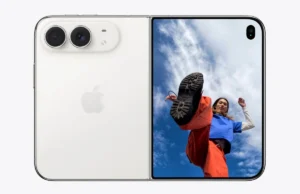
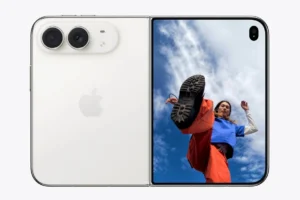
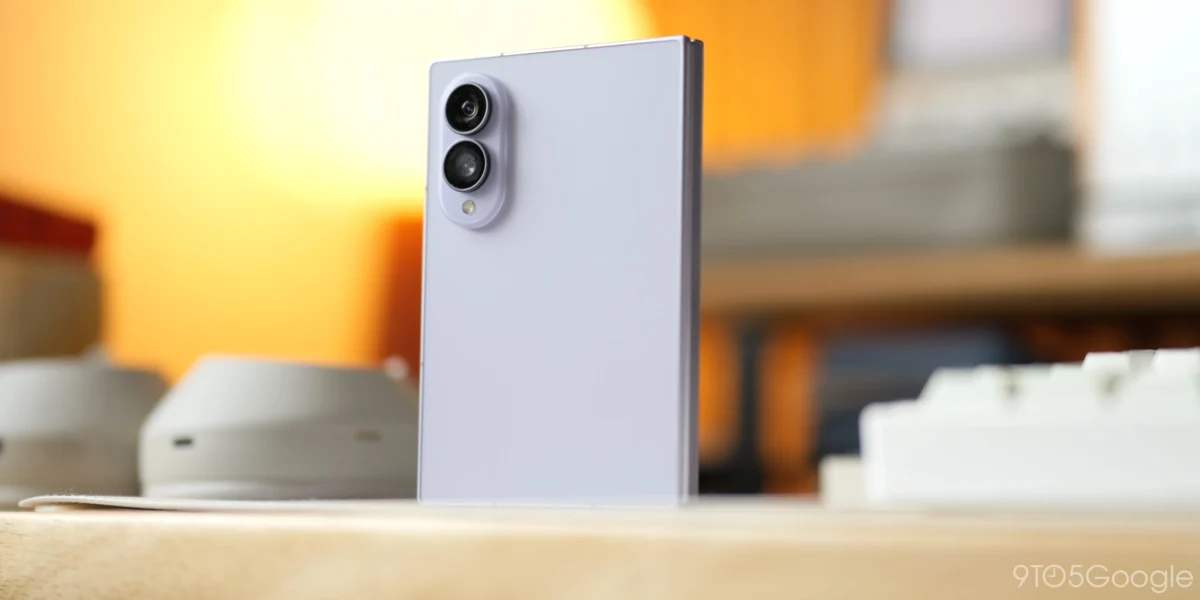
The defining characteristic of the Galaxy Z Fold 8 is its redesigned aspect ratio. By adopting a wider footprint, the device achieves a parity between the cover display and the internal folding screen. Technically, the device utilizes a high-resolution, high-refresh-rate Dynamic AMOLED 2X panel. When closed, the phone functions as a traditional smartphone, avoiding the "remote control" shape that plagued earlier generations.
The hinge mechanism has been further engineered for longevity, with stress tests indicating a capacity to withstand over 400,000 folds—a significant increase over the 200,000-fold threshold of earlier models. This durability, combined with an advanced materials science approach to the internal UTG (Ultra-Thin Glass), ensures that the crease remains less visible than in previous generations, providing a more seamless tactile experience for the user.

Software Optimization and Multitasking Dynamics
While the hardware provides the canvas, the software defines the utility. The integration of One UI 9 represents a leap forward in mobile multitasking. The operating system now treats the internal screen as a desktop-class environment rather than a mere stretched phone interface.
The "three-way Split View" capability allows users to partition the display into distinct zones. For example, a user can maintain a video call in one window, a document editor in the second, and a messaging application in the third. The system’s taskbar, which remains persistent at the bottom of the screen, allows for instantaneous switching between app groups. Industry analysts note that this specific software implementation targets the "power user" segment—professionals, students, and creatives who require multiple data streams simultaneously. Furthermore, the inclusion of floating window support adds a fourth layer of interactivity, allowing for temporary tasks like calculator usage or quick note-taking without disrupting the primary workflow.

The Impact of AI-Enhanced Imaging
A critical component of the Galaxy Z Fold 8’s value proposition is its camera system, which leverages advanced AI-driven image processing. By utilizing the foldable design, the device offers a "Flex Mode" that serves as a built-in tripod. This allows for long-exposure photography, stable video conferencing, and time-lapse capture without the need for additional mounting hardware.
The AI integration extends to the post-processing phase, where users can manipulate, remove, or reposition objects within an image with surgical precision. This is a direct response to the increasing demand for mobile content creation tools that do not require a PC for editing. The internal processor, tuned for neural processing, ensures that these edits occur in real-time, effectively turning the device into a portable studio.

Market Positioning and Consumer Implications
The Galaxy Z Fold 8 is positioned as a premium flagship, a status reflected in its pricing strategy and target demographic. According to market research data, the foldable sector is the only segment of the smartphone market experiencing consistent year-over-year growth, despite overall global smartphone stagnation. Samsung’s decision to push the Fold 8 through retail partners like Best Buy, with aggressive trade-in incentives, underscores a strategic push to capture the upgrade cycle of users still holding onto older, non-folding handsets.
From an enterprise perspective, the Fold 8 offers significant implications for mobile workforce management. The ability to view full-width spreadsheets, complex CRMs, and multi-pane presentations allows for a level of remote productivity previously restricted to laptops. Companies that have begun to adopt foldable devices for their field teams have reported an uptick in "on-the-go" completion of tasks, as employees no longer need to find a workstation to perform data-heavy operations.

Expert Analysis and Future Outlook
The industry reaction to the Galaxy Z Fold 8 has been largely positive, with focus placed on the normalization of the foldable experience. Critics who previously labeled foldables as "expensive novelties" are increasingly acknowledging that the hardware has reached a level of refinement suitable for mass adoption.
"The Fold 8 is the point where the hardware finally stops getting in the way of the experience," says one industry analyst. "The wider screen, the improved battery life, and the maturation of One UI 9 mean that the user doesn’t have to change their behavior to fit the phone; the phone now fits their behavior."

However, challenges remain. The cost of manufacturing remains high, and the repairability of foldable screens is still a point of contention for environmental groups and consumer rights advocates. Despite these factors, the Galaxy Z Fold 8 stands as a testament to the industry’s commitment to pushing the boundaries of mobile design.
As we look toward the future of the segment, the success of this device will likely serve as a blueprint for the next generation of hardware. If the trend of wider, more durable, and software-optimized devices continues, the traditional "candy bar" smartphone may eventually find itself as the niche option, while the foldable device becomes the standard for the power-user professional. For the consumer, the Galaxy Z Fold 8 is not just a phone; it is an acknowledgment that the lines between work, play, and creativity are increasingly fluid, and the tools we use must be equally adaptable.