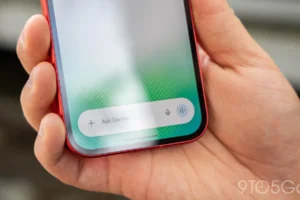
The evolution of mobile interface design has reached a new inflection point as Samsung moves to refine its Live Notifications system within the One UI 9.5 ecosystem. Currently undergoing rigorous testing within the beta phase of the Galaxy S26 series, this visual and functional overhaul marks a significant departure from the company’s previous implementation of background activity management. By shifting the positioning of these alerts and modifying the interaction model, Samsung is aligning its user experience with the industry-standard "pill-shaped" interactive interface popularized by Apple’s Dynamic Island in 2022.
The Current State of One UI Notifications
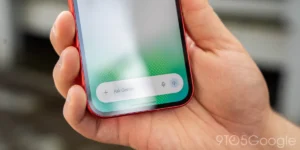
To understand the magnitude of this shift, one must first analyze the current iteration of Live Notifications as seen in One UI 7. In its existing form, the feature serves as a utility-focused alert system that anchors to the top-left corner of the status bar. This compact pill-shaped widget provides users with real-time, glanceable data—such as countdown timers, ongoing audio recordings, or navigation prompts—without requiring them to leave their current application.
The current user interaction model relies on vertical gestures. If a user has multiple background activities occurring simultaneously, they can navigate between these tasks by swiping up or down on the notification pill. While functional, this design has been criticized for being slightly counterintuitive, as it competes with the standard Android notification shade gestures that also utilize vertical swipes. By keeping the interface tucked into the corner, the current system prioritizes screen real estate but sacrifices the visual prominence and fluid animation profiles that users have come to expect from modern, high-end mobile operating systems.
A Structural Shift: The Move to the Center
The upcoming redesign, as evidenced by recent leaks from the One UI 9.5 beta program for the Galaxy S26 series, signals a pivot toward a more centralized, interactive experience. The most immediate change is the physical relocation of the notification pill from the corner of the status bar to the horizontal center of the display. This adjustment is not merely aesthetic; it mimics the logic of the hardware-software integration seen in the iPhone’s Dynamic Island, which utilizes the physical cutout of the front-facing camera to house dynamic, shape-shifting UI elements.
Beyond the physical relocation, the interaction paradigm is undergoing a complete overhaul. Samsung is moving away from the vertical swipe gesture in favor of a horizontal swipe mechanism. In the redesigned version, users will be able to toggle between different live activities—such as transitioning from a Spotify track to a Google Maps navigation instruction—by swiping left or right. This change is designed to reduce the number of steps required to access information; the system aims to allow users to cycle through active background tasks without the need to expand the pill into a larger menu, thereby maintaining focus on the primary task at hand.
Chronology of Interface Innovation
The trajectory of the "dynamic island" concept began in earnest with the release of the iPhone 14 Pro series in late 2022. Apple’s decision to turn a necessary hardware constraint (the camera cutout) into a software-led notification hub set a new precedent for smartphone UI/UX. This innovation proved that users desired a centralized area for persistent, low-priority, but high-utility information.
In the months following Apple’s announcement, several Chinese manufacturers, including Xiaomi, Realme, and Huawei, began experimenting with similar software implementations. These companies utilized the existing "hole-punch" camera cutouts on their respective devices to host software overlays that functioned similarly to Apple’s implementation. For Samsung, the path was more cautious. The company initially focused on perfecting its own notification ecosystem, prioritizing the expansion of One UI’s granular customization options before experimenting with dynamic, persistent UI elements.
The testing of these new features within the One UI 9.5 beta for the Galaxy S26 series indicates that Samsung has reached a stage of maturity in its software development where it feels comfortable adopting and refining these industry-wide design trends. If the beta feedback remains positive, it is highly probable that this feature will serve as a marquee software differentiator for the upcoming Galaxy S27 series, which is expected to ship with the final, stable version of One UI 9.5.
Technical Implications and User Experience
The move toward a centered, horizontal-swipe interface has several technical and ergonomic implications. Firstly, from a development perspective, this change requires a deeper integration between the operating system’s background processes and the UI layer. By centralizing the notifications, Samsung must ensure that the "pill" can resize fluidly and maintain high frame rates during transitions to avoid any stuttering that could detract from the premium feel of the Galaxy S26 hardware.
Secondly, the shift to horizontal swiping is ergonomically significant. Most modern smartphones feature tall aspect ratios, making reachability a constant concern. A centered notification pill that responds to horizontal gestures is inherently more accessible for single-handed use than a corner-bound interface, which often requires a full reach to the top-left of the screen. By moving the interaction point to the center, Samsung is acknowledging the physical reality of how users interact with increasingly large mobile devices.
Furthermore, this design decision suggests that Samsung is preparing to standardize its background activity management. With more applications adopting "Live Activity" APIs, having a robust, standardized interface for these tasks is essential. This move could encourage more third-party developers to build support for Samsung’s specific notification format, effectively creating a more cohesive ecosystem where apps can provide real-time updates without cluttering the main notification shade.
Broader Market Context
Samsung’s decision to move in this direction reflects a broader trend of feature convergence in the mobile market. While brands strive to maintain unique identities through hardware design and proprietary software skins, there is a clear consensus forming around what constitutes an "optimal" notification experience. The centralized, interactive pill is increasingly viewed as the standard for managing background processes in a way that is neither intrusive nor obscure.
Industry analysts suggest that this shift is part of Samsung’s broader strategy to bridge the gap between pure Android and a more "curated" software experience. By adopting design language that users already recognize—and in many cases, prefer—Samsung reduces the learning curve for consumers who may be switching from other platforms. This does not necessarily constitute a "copying" of competitors, but rather an evolution of the user experience to meet established consumer expectations for fluidity and convenience.
The Path to Official Release
As the Galaxy S26 beta program continues, the stability and responsiveness of these new Live Notifications will be the primary metric for Samsung’s software engineering teams. Current reports indicate that the feature is still in an experimental phase, meaning that the final look and feel could change before the public release. Key areas of focus for the development team include:
- Battery Optimization: Ensuring that persistent background animations do not cause excessive battery drain.
- Accessibility: Ensuring the interface remains compatible with screen readers and other accessibility tools.
- App Compatibility: Working with third-party developers to ensure their apps transition smoothly into the new pill format.
With the Galaxy S27 series expected to debut in the first half of the following calendar year, the industry will be watching closely to see if Samsung chooses to highlight this feature as a core component of its marketing narrative. If implemented successfully, this redesign could prove to be one of the most significant user-facing changes to the Samsung experience in the last decade, fundamentally altering how Galaxy users interact with their background applications.
Conclusion: A Calculated Evolution
The transition of Samsung’s Live Notifications to a centered, horizontal-swipe model represents a calculated move to harmonize the Galaxy user experience with current design standards. By analyzing the successes of its competitors and synthesizing those findings into the One UI 9.5 framework, Samsung is signaling a commitment to providing a refined, modern, and accessible interface. As the Galaxy S26 beta progresses and the countdown to the S27 launch begins, the evolution of this feature will continue to be a focal point for those tracking the intersection of mobile hardware performance and user-centric software design. Whether this change is viewed as a necessary modernization or a convergence of styles, its impact on the daily usage of millions of Samsung device owners will be undeniable.