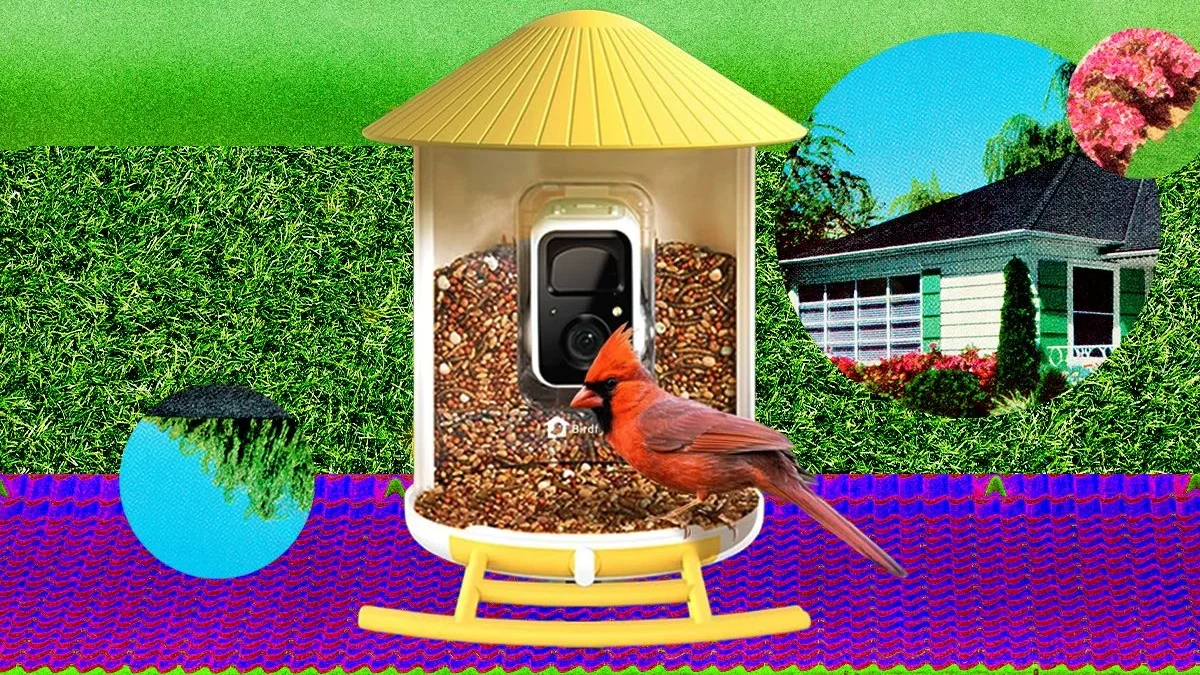
The modern consumer marketplace has experienced a significant surge in the adoption of technology-infused wildlife observation tools, most notably smart bird feeders. Easily identifiable by their transparent seed housings, integrated high-definition cameras, and photovoltaic solar panels, these devices have transitioned from niche hobbyist novelties into mainstream backyard fixtures. As social media feeds increasingly fill with crystal-clear, high-resolution snapshots of vibrant American goldfinches, downy woodpeckers, and migrating warblers, prospective buyers are confronted with a fundamental economic and practical question: Are these high-tech feeding stations, which frequently command price tags in excess of $100, genuinely worth the investment? Furthermore, how do they handle structural degradation, inclement weather, and the perennial challenge of managing local urban wildlife populations, specifically squirrels?
To provide evidence-based answers to these questions, comprehensive, multi-year testing regimes have been conducted across various residential settings. Evaluating the most prominent models available—such as Netvue’s original Birdfy Lite Feeder, Camojojo’s Hibird Pro, Kiwibit’s Bird Feeder 2, and Birdbuddy’s extensive lineup—requires subjecting hardware to rigorous environmental conditions. Over observation periods lasting a minimum of four weeks per unit, and in some cases extending across multiple years of rain, snow, and extreme heat, testers systematically evaluate companion mobile applications, notification push settings, optical resolution, and the financial implications of hidden subscription paywalls. Furthermore, the accuracy of built-in artificial intelligence species identification is routinely cross-referenced against authoritative ecological databases, including the Cornell Lab of Ornithology’s All About Birds, alongside advanced visual recognition software and expert ornithological verification.
Historical Context and Market Maturation
The consumer smart bird feeder category emerged roughly half a decade ago, initially positioned as an innovative intersection between Internet of Things (IoT) home security hardware and backyard ornithology. Early iterations were frequently hampered by software instability, rudimentary artificial intelligence models that routinely misclassified common backyard avian species, and prohibitive retail pricing that restricted adoption to early-adopter hobbyists.
However, rapid advancements in edge-computing capabilities, improvements in solar energy harvesting efficiency, and broader consumer familiarity with cloud-connected devices have driven substantial market maturation. Manufacturers have refined their hardware designs to address early consumer complaints, transitioning from fragile, weather-vulnerable plastics to more durable, weather-sealed constructions. Simultaneously, the competitive landscape has expanded to include specialized housing types, ranging from dedicated hummingbird nectar dispensers to multi-camera nesting boxes designed to monitor the entire avian reproductive cycle from egg-laying to fledgling departure.
Despite these hardware improvements, the underlying economic model of smart bird feeders has grown increasingly complex. While upfront hardware costs remain substantial—often scaling from $150 to over $300 depending on integrated features—many manufacturers rely on subscription-based software models to subsidize continuous cloud storage and AI maintenance. This structural reality has created a distinct division in the marketplace between hardware that remains fully functional out-of-the-box and devices that artificially restrict core features behind recurring software paywalls.
Evaluating Top-Tier Hardware: Performance and Design Breakdown
Best Overall: Netvue Birdfy Lite Smart Bird Feeder
Priced competitively within the mid-tier market, Netvue’s Birdfy Lite has established itself as the most reliable option for the majority of backyard enthusiasts. Early iterations of this platform suffered from software limitations and high pricing; however, successive firmware updates and streamlined app design have propelled it to the top of the category.
The device features a 1080p camera module paired with an exceptionally wide 155-degree field of view. While raw video resolution falls short of ultra-high-definition alternatives, the wide-angle lens ensures that fast-moving birds are captured in their entirety rather than clipped at the edges. The unit incorporates a 50-ounce seed hopper housed within a durable, easily washable plastic shell available in multiple color schemes. While baseline models may require a separate purchase for a solar panel—which connects via an included 9.8-foot charging cable—the overall reliability, user-friendly mobile application, and frequent promotional discounting make it an accessible entry point for consumers.
Best Photo Quality: Camojojo Hibird Pro
For consumers prioritizing optical fidelity above all else, the Camojojo Hibird Pro represents a significant technical step forward. Upgraded from its predecessor to support both 2.4-GHz and 5-GHz Wi-Fi frequencies, the Hibird Pro captures native 4K Ultra HD video streams that deliver remarkably sharp imagery.
The physical assembly features a generous 1.5-liter seed hopper, which, combined with the onboard battery and integrated solar panels, pushes the total operational weight to approximately five pounds when fully loaded. Consequently, secure installation requires robust pole-mounting techniques using heavy-duty hardware rather than casual fence attachments. While the Hibird Pro excels in video clarity, its software ecosystem requires careful navigation: cloud storage is strictly capped without a paid subscription, and the onboard AI occasionally struggles with regional species differentiation, frequently misidentifying West Coast avian visitors as East Coast counterparts.

Best Design: Kiwibit Bird Feeder 2
The Kiwibit Bird Feeder 2 addresses one of the most common physical maintenance frustrations associated with smart feeders: the need to disassemble the entire apparatus to replenish birdseed. By engineering a removable 1.5-liter dual-hopper reservoir, Kiwibit allows users to refill seed stocks without disturbing the primary camera housing or mounting brackets.
Optically, the device utilizes an 8-megapixel sensor capable of recording crisp 4K HD video. Unlike models that rely on auxiliary, externally mounted solar panels that are vulnerable to wire damage or dislodgement, the Bird Feeder 2 integrates its photovoltaic array directly into the roof structure, providing reliable trickle-charging even during overcast weather conditions. Furthermore, the firmware permits extended video recording windows of up to three minutes, capturing complex behavioral sequences that shorter default clips typically miss. The primary deterrent for prospective buyers remains its premium price point, which is rarely offset by promotional sales, alongside a limitation to 2.4-GHz Wi-Fi networks.
Best Smart Hummingbird Feeder: Birdbuddy Pro Smart Solar Hummingbird Feeder
Monitoring hummingbirds presents distinct engineering challenges due to the liquid nature of nectar and the necessity for rigorous, frequent sanitation to prevent bacterial and fungal growth. Birdbuddy’s Pro Smart Solar Hummingbird Feeder successfully navigates these constraints through an intuitive mechanical layout.
The device avoids the awkward, inverted-bottle designs common among traditional nectar feeders by utilizing a threaded base that unscrews easily, holding a manageable 1.75 cups of liquid. This design promotes frequent cleaning, aligning with recommendations from ornithological institutions regarding feeder hygiene. The unit features an integrated solar roof, 5-megapixel photo capture, and 2K HD video with slow-motion playback. While the companion mobile application offers a polished, feature-rich user experience complete with gamified elements and educational insights, the system shares a common limitation with other Birdbuddy hardware: sensor activation can occasionally fail to register rapid, brief visits by highly active pollinators.
Software Ecosystems and the Subscription Economy
A critical factor in evaluating any smart bird feeder is the underlying software infrastructure. The mobile application serves as the central hub for video review, species identification, and device management. However, industry practices regarding software monetization vary wildly among manufacturers.
Many budget-friendly models imported through online marketplaces obscure the fact that advanced features—such as automated species identification, cloud video backup, and high-resolution streaming—are locked behind monthly or annual subscription fees ranging from $40 to $80 per year. Conversely, established brands increasingly structure their offerings around tiered memberships, such as Birdbuddy Premium or proprietary service tiers from Netvue and Kiwibit, which unlock extended storage durations, multi-device family sharing, and advanced analytics.
Consumers must carefully evaluate whether a manufacturer’s free baseline tier satisfies their observation goals. Feeders that demand ongoing financial commitments simply to view recorded media can rapidly exceed their initial hardware cost over a multi-year ownership lifecycle. Furthermore, privacy policies, data retention practices, and account creation requirements—such as mandatory submission of physical addresses or billing details outside native app marketplaces—deserve careful scrutiny before purchase.
Environmental Durability and Wildlife Management
Deploying consumer electronics into outdoor environments exposes hardware to extreme thermal variations, moisture, and biological interference. IP66 and IP65 weather-proofing ratings have become standard among reputable models, ensuring resistance against driving rain and snow accumulation. However, material selection dictates long-term survival. While high-impact plastics maintain structural integrity across seasonal cycles, aesthetic finishes on natural wood models—such as bamboo or pine alternatives offered by various brands—frequently peel, warp, or degrade within weeks of exposure to direct sunlight and humidity unless treated with marine-grade exterior sealants.
Furthermore, the persistent presence of local wildlife, particularly grey squirrels, raccoons, and domestic rodents, presents an ongoing operational hazard. While marketing literature frequently advertises "squirrel-proof" capabilities, empirical testing demonstrates that few smart feeders are entirely immune to determined mammalian pests. Implementing the established "5-7-9 rule"—positioning feeders at least five feet above ground level, seven feet away from vertical structures, and nine feet away from overhanging tree branches—remains the most effective strategy for protecting hardware investments. Alternatively, physical pole baffles and specialized weight-activated perches can successfully deter heavy rodents, though mechanical perches may inadvertently restrict access for larger native bird species like jays and flickers.
Conclusion and Purchasing Recommendations
Investing in a smart bird feeder transforms passive backyard observation into an active, data-driven engagement with local wildlife ecosystems. For the average consumer seeking a balance of reliability, software usability, and reasonable cost, the Netvue Birdfy Lite remains the safest and most practical recommendation. Those prioritizing uncompromising optical clarity will find the Camojojo Hibird Pro or Kiwibit Bird Feeder 2 to be superior, albeit more expensive, engineering achievements. Ultimately, prospective buyers must weigh hardware build quality, local Wi-Fi infrastructure limitations, and long-term software subscription costs to select a device that aligns harmoniously with their backyard observation objectives.