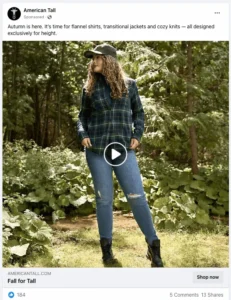
In the fast-paced world of digital marketing, social media managers and campaign strategists face a persistent challenge: uploading incorrectly sized images or low-resolution videos to advertising platforms. While such occurrences are honest mistakes born from tight deadlines and rapid content deployment, utilizing sub-optimal assets in paid campaigns often leads to severely depressed return on investment (ROI), wasted ad spend, and missed key performance indicators. Compounding this operational friction is the frequency with which major social networks, particularly Meta and its flagship platform Facebook, alter their display dimensions, aspect ratios, and design guidelines. Staying abreast of these shifting parameters has become a specialized discipline in its own right, critical for brands seeking to maximize their digital footprint.

Background context reveals that Meta regularly updates its advertising architecture to adapt to evolving mobile hardware standards, user interface redos, and shifting consumer consumption habits. As audiences increasingly transition toward vertical video formats and immersive, in-app experiences, advertising specifications must evolve in tandem. Failure to utilize the correct pixel dimensions, file formats, and length constraints often triggers algorithmic penalties, compression artifacts, or awkward cropping that diminishes brand authority. This comprehensive reference outlines the official, up-to-date Facebook ad sizes and design specifications, providing marketing professionals with the precise technical parameters required to execute high-performing paid media campaigns.
The Strategic Value of Ad Specifications and Asset Optimization
Understanding and adhering to platform-specific creative guidelines is not merely a matter of aesthetic preference; it is a foundational component of media buying efficiency. When an ad matches the native display dimensions of a specific placement—whether the user is browsing on a desktop monitor, a tablet, or a smartphone—the visual continuity reduces friction and increases user engagement.
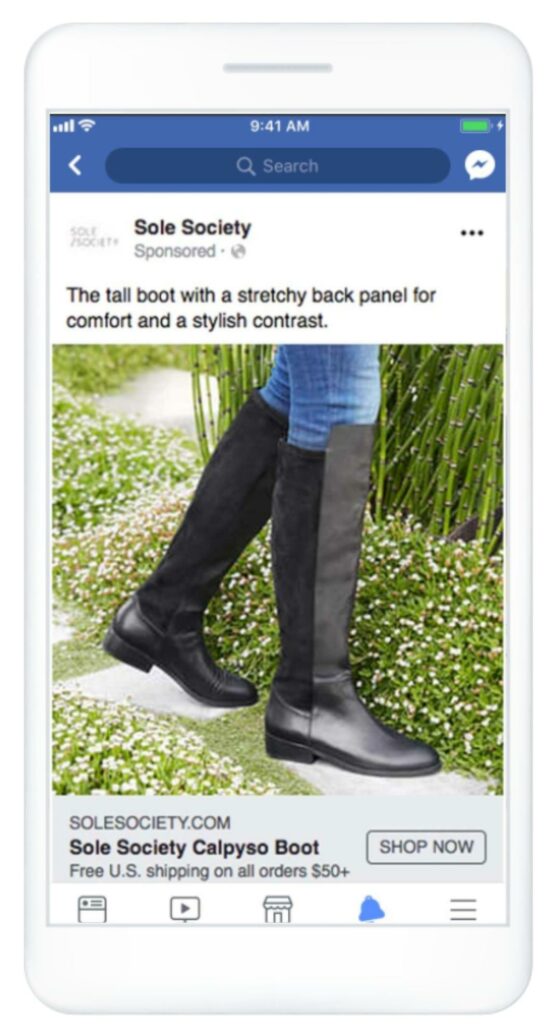
Proper adherence to specifications ensures that text overlays are not truncated, call-to-action buttons remain visible, and video content plays smoothly without stuttering or incorrect letterboxing. Furthermore, high-resolution source files allow Meta’s delivery algorithms to compress and serve the most appropriate version of the creative based on the user’s connection speed and device capabilities, thereby optimizing delivery costs and conversion rates.
Facebook In-Feed Ad Specifications
In-feed advertisements represent the most common and accessible format for building brand awareness, launching products, and driving conversions without necessitating an exorbitant budget. Integrated seamlessly into user news feeds alongside organic posts from friends, family, and followed pages, these ads support static images, panoramic photos, 360-degree imagery, GIFs, and video files.
For standard static images, advertisers must utilize JPG or PNG formats with a maximum file size of 30 megabytes. While the minimum acceptable dimension is 600 by 600 pixels, industry best practice dictates uploading the highest resolution file available, ideally at least 1080 by 1080 pixels, maintaining an aspect ratio between 1.91:1 and 1:1. Text recommendations advise keeping primary text concise at approximately 125 characters, with headlines and descriptions capped optimally at 27 characters to prevent truncation across various mobile viewports.
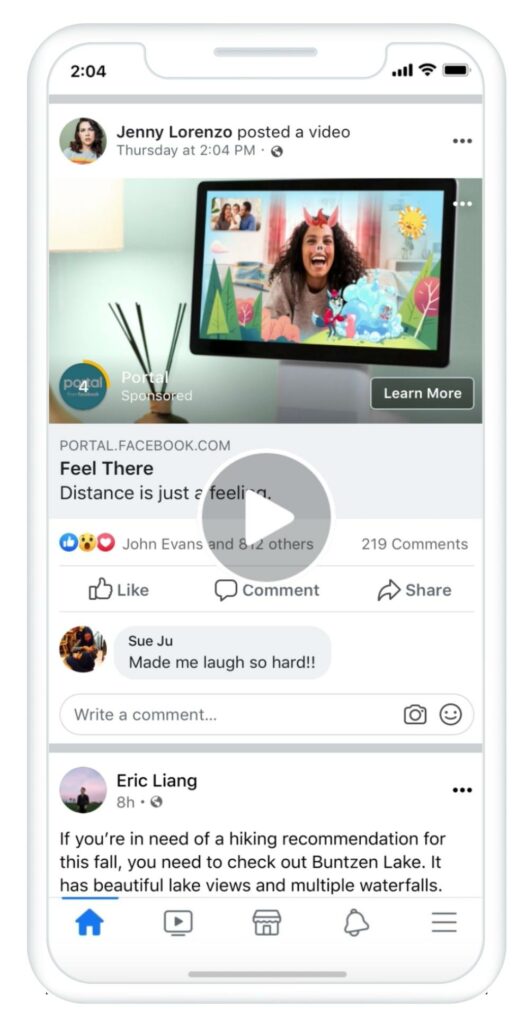
Video assets in the news feed support MP4, MOV, or GIF formats up to 4 gigabytes in size. The required resolution is a minimum of 1080 by 1080 pixels, with supported aspect ratios including a square 1:1 format for desktop and mobile, or a vertical 4:5 ratio designed specifically for mobile feeds. Video durations can range dynamically from one second up to 241 minutes, though performance data consistently emphasizes the importance of capturing user attention within the first three seconds.
In-Stream Video Ad Parameters
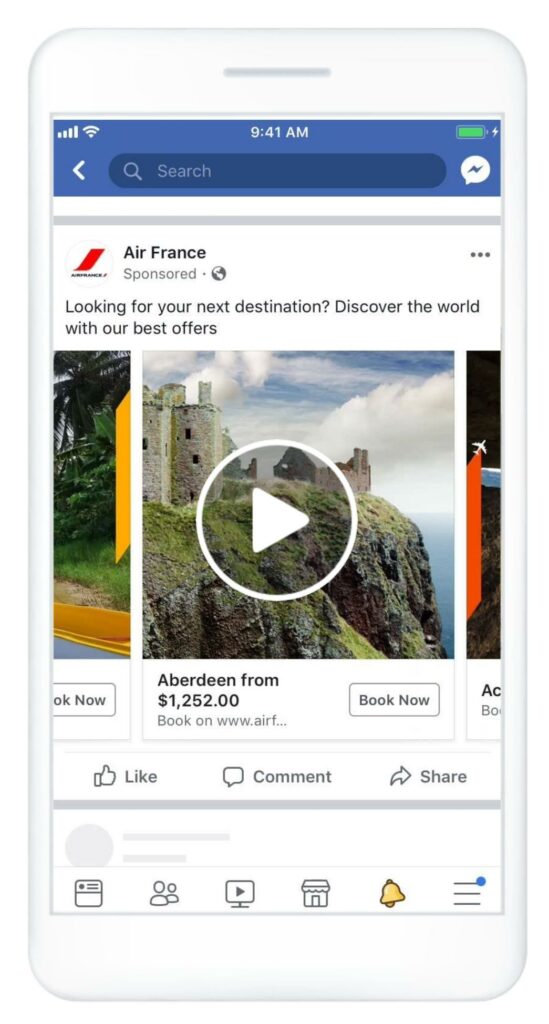
For brands prioritizing direct web traffic and high-intent conversions, Facebook in-stream video ads offer a powerful mechanism to capture and retain audience attention. These ads are served exclusively to mobile users during video playback and are available in single-video and carousel formats, the latter of which appear specifically within Facebook Live feeds after a viewer has engaged with the live stream for a minimum of 60 seconds.
In-stream video specs require MP4, MOV, or GIF files up to 4 gigabytes, maintaining an aspect ratio of 16:9 or 1:1. The minimum resolution is 1080 by 1080 pixels, and video lengths can span from five seconds to 10 minutes. Accompanying companion images must adhere to a 1.91:1 or 1:1 ratio with a maximum file size of 30 megabytes, and advertisers are strongly advised against embedding text directly onto the image files prior to upload to ensure optimal rendering across diverse screen resolutions.

In-Feed Carousel Ad Dimensions
Carousel ads provide a dynamic storytelling medium, allowing brands to showcase between two and 10 scrollable images or videos within a single ad unit. This format is particularly effective for breaking down complex product features into digestible components or displaying a curated catalog where each card links to a distinct landing page URL.
Design specifications for carousel cards require a strict 1:1 aspect ratio across all assets. Image files must be in JPG or PNG format with a maximum size of 30 megabytes and a minimum resolution of 1080 by 1080 pixels. Video components must not exceed 4 gigabytes, supporting MP4, MOV, or GIF formats with a minimum dimension of 120 by 120 pixels and lengths ranging from one second to 241 minutes. Text parameters advise maintaining primary text around 125 characters, headlines within 32 characters, and descriptions under 18 characters, alongside a mandatory landing page URL for each individual card.

Collection Ads for Ecommerce Scaling
Designed specifically for ecommerce enterprises, Facebook collection ads feature a primary hero image or video paired with a grid of smaller product images underneath. When a user interacts with a collection ad, it launches a lightning-fast, full-screen Facebook Instant Experience without requiring the user to leave the app.
Collection ad assets must follow a 1:1 aspect ratio with a minimum resolution of 1080 by 1080 pixels. Video files are capped at 4 gigabytes, while images are restricted to 30 megabytes using standard JPG or PNG formats. Successful execution relies on pairing a high-impact product video or lifestyle image with three best-selling product thumbnails, driving seamless in-app browsing and checkout behavior.

Instant Articles, Marketplace, and Right Column Placements
Publishers and content-heavy brands frequently utilize Facebook Instant Articles ads, a mobile-optimized publishing format delivering fast-loading, article-style content. These units require 1:1 images of at least 1080 by 1080 pixels and support videos up to 4 gigabytes with a 16:9 aspect ratio.
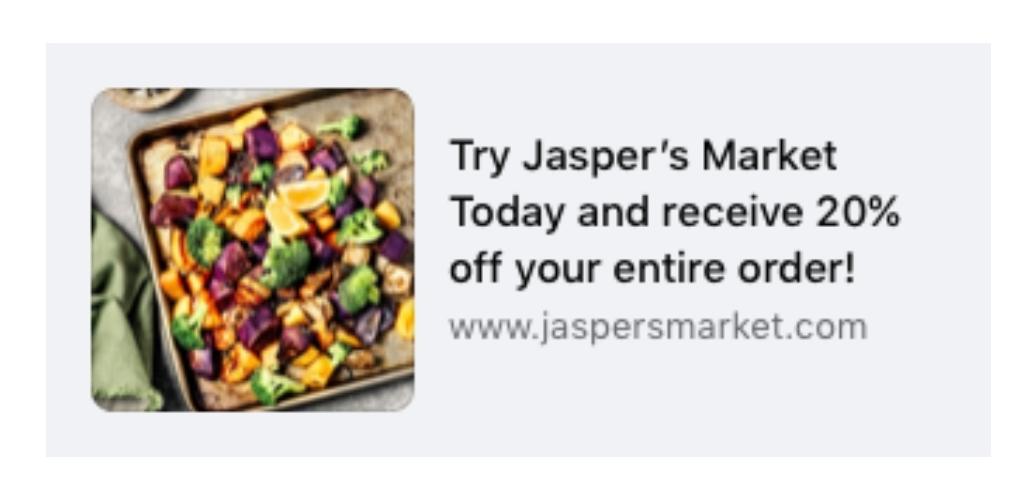
Facebook Marketplace ads target users who are actively in a commercial mindset, browsing local and retail listings. These ads support 1:1 square image and video formats adhering to standard resolution minimums of 1080 by 1080 pixels. Conversely, Facebook right column ads are restricted exclusively to desktop users. Due to their smaller display footprint on the right-hand side of the desktop interface, these ads utilize landscape imagery with a minimum width of 254 pixels and height of 133 pixels, maintaining a 1:1 base resolution requirement.
Stories and Immersive Format Specifications
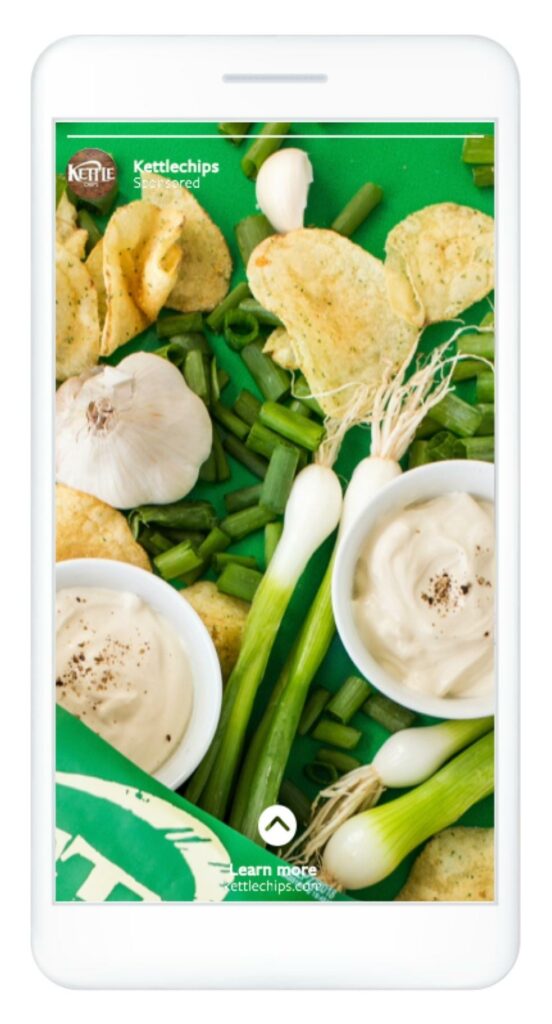
Vertical storytelling formats across Facebook Stories, Messenger Stories, and the Audience Network have fundamentally reshaped digital engagement. Stories ads run for up to 15 seconds for images or up to 241 minutes for videos, utilizing a strict 9:16 vertical aspect ratio.
For optimal visual presentation within Stories and Messenger environments, media planners must reserve approximately 14% (roughly 250 pixels) at both the top and bottom of the creative canvas, ensuring that profile names, call-to-action buttons, and platform user interfaces do not obscure critical brand messaging, logos, or textual overlays. Supported file types remain standard across JPG, PNG, MP4, and MOV, with maximum file parameters matching standard feed placements.
Optimizing Placement Strategy for Maximum ROI
Selecting the appropriate ad format and adhering to precise technical dimensions is only half the battle; media buyers must also strategically allocate placements to achieve the highest possible return on ad spend (ROAS). Different campaign objectives—ranging from brand awareness and lead generation to direct ecommerce conversions—perform differently depending on whether they are deployed in the news feed, Stories, Audience Network, or Messenger.
Industry analysis indicates that multi-placement campaigns generally outperform single-placement initiatives by allowing Meta’s delivery algorithm to dynamically distribute budget to the most cost-effective touchpoints in real time. However, maintaining strict adherence to platform-specific aspect ratios and file size constraints remains non-negotiable. Utilizing centralized social media management suites, such as Hootsuite, enables marketing teams to streamline multi-channel campaign creation, scheduling, and performance measurement from a unified dashboard, ensuring that creative assets are deployed flawlessly across Facebook, Instagram, and connected digital ecosystems.